
Freelance Photographer in Dubai, UAE - Experienced, Sophisticated, Affordable & Reliable
  • Home
  • Photography
    • Real Estate Photography
    • Landscape Photography
      • Travel Photography
      • Street Photography
    • Portrait Photography
      • Business Portrait Photography
      • Fashion Photography
    • Food Photography
    • Product Photography
    • Event Photography
      • Concert Photography
    • Sport Photography
    • Still Photography
  • Videography
    • 360 Interactive Virtual Tour
  • Latest Projects
  • News & Tips
  • Contact
Home
Photography
    Real Estate Photography
    Landscape Photography
    Travel Photography
    Street Photography
    Portrait Photography
    Business Portrait Photography
    Fashion Photography
    Food Photography
    Product Photography
    Event Photography
    Concert Photography
    Sport Photography
    Still Photography
Videography
    360 Interactive Virtual Tour
Latest Projects
News & Tips
Contact
Freelance Photographer in Dubai, UAE - Experienced, Sophisticated, Affordable & Reliable
  • Home
  • Photography
    • Real Estate Photography
    • Landscape Photography
      • Travel Photography
      • Street Photography
    • Portrait Photography
      • Business Portrait Photography
      • Fashion Photography
    • Food Photography
    • Product Photography
    • Event Photography
      • Concert Photography
    • Sport Photography
    • Still Photography
  • Videography
    • 360 Interactive Virtual Tour
  • Latest Projects
  • News & Tips
  • Contact
News and Tips

Unoccupied house insurance guide

December 22, 2021 by Louie Alma Photography No Comments

Unoccupied house insurance guide

A property empty for longer than the time period stated on your home insurance policy needs home insurance with the best deals and coverage for unoccupied house insurance cover.

This specialist type of insurance policy is also known as ‘empty property insurance’ or ‘vacant property insurance’. Unlike standard home insurance policies, specialist unoccupied home insurance will cover a vacant or unoccupied property for three, six, nine or 12 months. There is often the option to extend a policy beyond a year if necessary too.

‘Empty properties are sadly more vulnerable to break-ins and the threat of potential theft or damage to items within the building can result in heartbreaking consequences,’ says Chelsea Shakespeare, household underwriting manager at insurance broker Adrian Flux. ‘Water leaks remain another upsetting and expensive risk that can cause lots of damage – especially during the winter months – as can bad weather which often impacts houses that are left more vulnerable as a result of renovations taking place.’

Follow this extensive Q&A report that explains why you need it, the costs and what it covers.

Why do you need unoccupied house insurance?

Standard home insurance policies won’t offer adequate cover if a property will be vacant for a long time. If your home, or a property you own, is going to be unoccupied for a prolonged period, it’s important to understand the insurance implications.

Empty bedroom with ensuite

Image credit: Future PLC

There are a number of reasons why a homeowner might leave a property unoccupied or empty. Common reasons include:

  • Working overseas
  • Extended holidays
  • Void periods between tenants
  • Sale-related delays
  • Probate-related delays
  • Away from home health care

‘A property is also often not lived in while renovation works are being undertaken,’ says Chelsea Shakespeare. ‘These may range from minor upkeep and redecoration to full and large-scale refurbishments and both need to be covered accordingly.’

How much does unoccupied house insurance cost?

Unoccupied property insurance tends to be more expensive than standard home insurance. This is because vacant properties are considered a higher risk by insurers.

Unoccupied properties are more likely to be damaged by:

  • Vandalism
  • Fire
  • Flooding

For example, a burst pipe at an unoccupied property could go unnoticed for longer periods which would make the water damage worse. This would probably increase the cost of the subsequent insurance claim.

The cost of unoccupied home insurance will vary between providers. Cover and costs depend on a number of factors such as where the property is located, its value, any previous home insurance claims and the level of cover required.

If the property has contents, you’ll need to let your insurer know the total value of your possessions for these to be covered too. It is wise not to leave valuables in an unoccupied property.

cottage house exterior brick wall in front garden

Image credit: Future PLC/ Polly Eltes

Do you need unoccupied home insurance when someone has died?

A common scenario where you might need unoccupied home insurance is if someone has died. The property will be unoccupied while probate is granted and the family decides on the best option moving forward. That might be a family member moving into the property, the home being placed on the market or it being rented out.

‘Each unoccupied property comes with its own unique circumstances as to why it may be vacant’ says Chelsea Shakespeare. ‘One of the most common is when a loved one has passed away. When someone dies, the role of the executor of their will, who acts in the administration of their estate, is to collect the deceased’s assets, settle their liabilities and then distribute what remains in accordance with the terms of the deceased’s will.’

Alex Milton, at law firm Moore Barlow, says: ‘Executors are personally liable for any mistakes they make whilst administering an estate and any consequential loss that may arise. ‘Executors should protect and preserve the estate.’

‘This includes making sure that insurance is maintained on estate property. If, for example, there is a fire in an estate property and the executor has failed to maintain valid house insurance, then the executor could be made to pay for the repairs from his or her own pocket.’

Jane Sutherland, partner and solicitor specialising in wills and probate at Nelsons Law, adds: ‘We would usually advise the executor to initially continue with any insurance policy taken out by the deceased that was already in place if possible. However, it is important that the insurers are notified as soon as possible of the deceased’s death and any change in circumstances regarding the property, for example, it is now unoccupied.’

Some insurers will continue cover until the next renewal of the policy or probate being granted. However, there may be conditions attached – normally that the property is internally inspected at least once a week. Alternative arrangements might also be needed to pay on-going premiums as the deceased’s bank account will be frozen once the bank is aware of their death.

white painted kitchen cabinets with black handles

Image credit: Nick Richards

What does unoccupied home insurance cover?

Policies vary regarding the level of cover offered. Be sure you read the policy and understand what you’re covered for – and what isn’t covered.

Unoccupied home insurance will always include buildings cover. Buildings insurance covers the structure and fittings of a property including:

  • Walls
  • Roof
  • Pipes
  • Fitted kitchens
  • Carpets
  • Flooring

A good policy needs to protect you against risks including:

  • Storms
  • Floods
  • Fire
  • Water leaks
  • Theft or attempted theft,
  • Vandalism or malicious damage

A more comprehensive policy will also include legal expenses. For example, you might need legal assistance to remove squatters.

Another inclusion or add-on is property owner liability. This will protect you against compensation claims raised by third parties who have been injured as a result of the property not being maintained.

Some policies will also offer add-ons covering damage due to fallen trees, fly-tipping, and broken windows.

How can I get cheaper unoccupied property insurance?

Adding some additional security features, such as burglar alarms and decent door and window locks, could help to decrease the cost of your unoccupied home insurance.

Installing smart cameras and smart devices will make it easier for you to monitor the property yourself via your mobile phone. By doing this you can react quickly to any incidents, and lessen the likelihood of needing to make a claim. For example, smart leak sensors can alert you if there is a leak in the property.

Keeping the property well-maintained and looking lived-in can reduce the probability of a break-in or squatters moving in. This will mean you are less likely to make an insurance claim.

Increasing the excess payable on your insurance policy will usually make the premium cheaper. The excess is the amount the policyholder has to pay towards any claim – so make sure you don’t increase it to an unaffordable amount.

When you insure any property, it’s important to give the insurer an accurate ‘rebuild value’ – this is the cost of completely rebuilding the property from scratch. Unless you own a listed building, the rebuild value is usually less than the market or sale value – so make sure you don’t over-insure your property.

Some unoccupied home insurance policies will require you to take certain steps to reduce the risk of a burst pipe. For example, heating the property to a certain temperature in winter or turning off the water supply.

Empty living room painted white

Image credit: Future PLC/ Rory Mulvey

Who offers unoccupied property insurance?

Firstly, assess whether you need unoccupied home insurance. Check the policy wording of any existing home insurance.  Most insurers will cover an empty property for up to 30 or 90 days. If the property will be empty for longer than the limit stated on the policy, call your insurer to see if it can offer additional cover.

If you need unoccupied home insurance, you should shop around for the right policy at the right price. With standard home insurance, you can compare quotes using price comparison websites, but it’s not as easy to do this for unoccupied home insurance. Instead, you’ll need to contact individual insurers to ask for a quote.

Most insurers want to know the condition of the property before they offer you cover. It can be more difficult to find insurance if a property is in a poor state of repair. For example, it might have boarded up entrances or roof damage.

Different insurers will take differing approaches to the checks you need to make on a vacant property. Some will require you to leave the heating on using a timer in winter to stop pipes from freezing and bursting. Others might expect you to regularly visit the property.

Specialist Unoccupied home insurers include:

  • GuardCover
  • Endsleigh
  • Towergate
  • Adrian Flux
  • Home Protect

Once you’ve chosen your policy, you can either pay the full cost upfront or pay for it in monthly instalments.

What are ‘unoccupied building conditions’?

Some insurers insist on certain terms and conditions are stuck to for unoccupied home insurance to be valid: these are called ‘unoccupied building conditions’.

Unoccupied building conditions can be things such as:

  • Draining down water systems
  • Switching off utilities
  • Weekly documented visits

Failure to comply with their unoccupied property insurance guide and conditions could lead to any claim you make being turned down. Some insurers will let you choose which conditions you want to include – these will affect your premium.

What are unoccupied home insurance exclusions?

Every insurance policy comes with ‘exclusions’ which are events not covered by the insurance policy.

Unoccupied home insurance exclusions might include theft by unforced entry such as an unlocked door or open window or damage caused by contractors or builders.

classic victorian hallway with wood flooring

Image credit: David Barbour

How to make an unoccupied home insurance claim

If  you need to make a claim on your home insurance, these are the steps to follow:

  • Call the police if relevant – If your property is broken into, burgled or vandalised, you should call the police. They will hopefully investigate the crime, and also issue you with a crime reference number that you will need to give to your insurer to progress your claim.
  • Call your insurer straight away – Although you can usually make claims up to six months after an insured event, it’s best to get the ball rolling straight away. Contact your insurer – it will tell you the next steps you should take. Most insurers operate claims helplines 24 hours a day.
  • Retain insurance evidence – If you’ve had a fire or flood, don’t throw damaged belongings away immediately – wait until you’ve had the go-ahead from your insurance company. In some circumstances, they will send a ‘loss assessor’ to assess what has been damaged, destroyed or lost.
  • Take photos – The more evidence you have to support your insurance claim, the better. Photos of damage to your property or destroyed possessions can make your claim easier. Especially if the insurer disputes the amount you are claiming for or what happened.
  • Keep receipts – If you need to make urgent repairs to your property – for example, fixing broken locks – keep your receipts as you’ll need them for your insurance claim.
  • Claim approved – When your claim is approved, your insurer will either organise the necessary repairs or send you a cheque for the amount you’ve claimed so you can arrange the work yourself.

The post Unoccupied house insurance guide appeared first on Ideal Home.

Share:
Reading time: 9 min
News and Tips

Why is my electricity bill so high? 6 root causes identified

December 22, 2021 by Louie Alma Photography No Comments

Why is my electricity bill so high? 6 root causes identified

Are there times you find yourself asking why is my electricity bill so high? Extra costs could well be one of 6 common root causes, all easily avoided – when you know what they are.

There’s no denying that when a particularly high electricity bill arrives it can be an unwelcome surprise. With inflation at a decade high of 4.3% and living expenses on the rise, we’re all looking for ways to save energy at home.

However, there is no need to restrict everyone in the household from how long they use devices or watch TV. These are all small changes you can make in your home that will help reduce the amount of electricity you use.

Common high electricity bill culprits

We’ve identified the six root causes of high electricity bills – from relying on estimated bills rather than providing smart meter readings, to appliances that guzzle energy when they’re not being used. Here’s everything you need to know to reduce your electricity bill.

Woman looking at iphone at Christmas

Image credit: Zen Internet

1. Estimated electricity bill

Are you lax at providing your energy supplier with meter readings? If this is the case then your energy provider will be issuing you with estimated bills. It works out the energy usage it expects based on the size of your home and previous usage. However, this may well be more than than the actual figures.

Consider getting a smart meter. They automatically send meter readings straight to your provider with an accurate figure for your usage. These are free and you can request one from your energy provider.

Alternatively, diarise regular meter readings. Once a month is plenty – and ensure you send these to your supplier through its website or app. Contact your supplier and check how far in advance you need to provide a reading before your bill is prepared.

2. Vampire devices

Some electrical devices still use energy even if they’re in standby mode. Known as vampire devices, research by British Gas revealed that this could be adding an average of £110 to your home’s electricity bill every year – and could be part of the reason it’s so high.

Common vampire devices include:

  • Coffee machines and kettles
  • Microwaves and ovens with digital clocks
  • Washing machines
  • TV and game consoles
  • Printers and laptops
  • Phone chargers.

Standby mode is convenient as it means the appliances will turn on almost instantly when you want them. However, it’s also pricey, so we recommend turning appliances off at the electrical socket rather than using standby mode to ensure your electricity bill stays low. Similarly, ensure you unplug laptop and phone chargers rather than leaving them connected to your electrical socket.

Living room with TV concealed in a cupboard beside fireplace

Image credit: Future PLC/ Tim Young

If you find electrical sockets are in hard to reach locations, such as behind furniture, consider investing in an extension lead, which will ensure the switches are more accessible.

Alternatively, smart plugs that turn off from your smartphone are another option. However, it’s worth noting that if you switch a set-top box off at the wall outlet, it won’t be able to record any programmes you have scheduled. In this case you’ll need to leave your set-top box in standby mode.

3. Inefficient appliances

According to the Energy Saving Trust, older appliances  all use more electricity than modern, more efficient models. Of course, while it doesn’t make financial sense to rush out and replace all of your appliances with new iterations, when you do come to replace an item, paying attention to the energy label and seeing if you can choose one of the more efficient options that meets your needs, will help keep your electricity bill low.

Common dated appliances that drink electricity include:

  • Fridges
  • Freezers
  • Dishwashers
  • Washing machines
  • Tumble dryers
  • TVs.

For example, vented tumble dryers are the cheapest option on the market when it comes to an appliance that can dry your clothes. But, they’re also the most energy inefficient. Heat pump tumble dryers use the least electricity (around 50% less than vented tumble dryers) and they’re more expensive to purchase initially.

4. Old light bulbs

The same is true for light bulbs. While halogen bulbs have now been banned from sale in the UK, you may still have these energy-inefficient bulbs in your home. Consider swapping them for LED variants. According to the Energy Saving Trust, you could shave between £2 to £3 per year off your electricity bill for every bulb you switch. Also get into the habit of switching lights off when you leave a room, as it will also help reduce bills.

5. Not using appliances to their full capacity

Do you set the dishwasher going at the end of the day even if it’s only half full, or perhaps you put the washing machine on even if it’s not a full load? While it might seem a convenient practice, they’re actually contributing to your high electricity bills. The appliances still heat the same amount of water regardless of whether they are full or not. The same is true when you boil a full kettle of water, even if you’re only making one cup of tea.

Most washing machines, and some dishwashers, have a half-load function. In the case of washing machines this means it reduces the amount of water used, and will therefore require less electricity to heat it.

Meanwhile, when dishwashers have a half load function, the jets to either the top or bottom rack are turned off and again require less water to be heated using less electricity.

Try to get in the habit of leaving the kettle empty, and then only adding the amount of water you need to boil. This will mean there’s no water left sitting in your kettle, it helps reduce limescale build-up if you live in a hard water area too.

washing machine in white kitchen

Image credit: Future PLC/ Colin Poole

6. Washing at high temperatures

While there will be times when you need to wash at high temperatures, chances are most of the time your washing machine is set on a 40 degree cycle. However, by reducing this to 30 degrees you can reduce the amount of electricity your machine uses per cycle by 40%, says the Energy Saving Trust.

Modern washing machines and advancements in detergents mean there’s very little difference between washing clothes at 40 degrees and 30 degrees. While opting for lower temperatures will also help preserve colours. The majority of UK retailers now state on labels if clothes can be washed as low as 30 so always check before starting a program on your washing machine.

The post Why is my electricity bill so high? 6 root causes identified appeared first on Ideal Home.

Share:
Reading time: 5 min
News and Tips

Are Your Travel & Nature Photos Disappointing? Try This! (VIDEO)

December 22, 2021 by Louie Alma Photography No Comments

Are Your Travel & Nature Photos Disappointing? Try This! (VIDEO)

Show Promo Image

We all strive to improve our photography and continually evolve our skills. But if you’re consistently disappointed in your results, it’s time to try something new. The video below from one of our favorite travel and landscape pros offers some great advice for doing just that.

Ron Leach
Tue, 12/21/2021

Share:
Reading time: 1 min
News and Tips

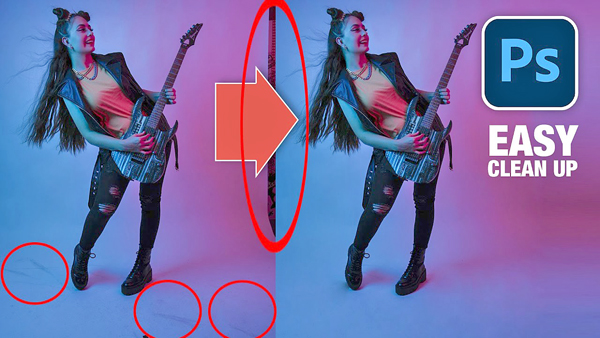
The EASIEST Way to Remove Distracting Elements & Flaws in Photoshop (VIDEO)

December 22, 2021 by Louie Alma Photography No Comments

The EASIEST Way to Remove Distracting Elements & Flaws in Photoshop (VIDEO)

Show Promo Image

How often have you captured what you thought was a great shot, only to discover on the computer that you missed a few things when looking through the viewfinder? If you’re like the rest of us, probably more than once or twice.

Ron Leach
Tue, 12/21/2021

Share:
Reading time: 1 min
Page 2 of 3«123»

Advertisement

B&M is having a huge 10p sale across homeware, furniture, electronics and more – this is everything you need to know

January 7, 2026

Lidl is selling a super-cosy electric blanket for just £20 – I’ve tested it, and it’s the most budget-friendly solution I’ve found for staying warm

Kelly Hoppen’s new M&S scented candle is the perfect budget alternative for one of my favourite high-end candles – it’s £150 cheaper!

Aldi is selling a sleek, stylish air fryer for under £35 – it’s perfect for nailing your healthy New Year’s resolutions in 2026

Viltrox Z3 Spark Flash Review

15 Best Podcasts for Freelancers (Plus 2 of My Top Picks!)

January 6, 2026

Lunar New Year at The Peninsula London

Discover a Culinary Journey “Beyond the Wok” at Michelin-Recommended Jiang-Nan Chun

Gallop into the Year of the Horse at Yun House, Four Seasons Hotel Kuala Lumpur

Sandals® Resorts Kicks Off Its New Year with a Winter Blues Sale

Subscribe to Our Newsletter

Check your inbox or spam folder now to confirm your subscription.

Popular Posts

LUXURY APARTMENT IN DUBAI

LUXURY APARTMENT IN DUBAI

August 20, 2020

B&M is having a huge 10p sale across homeware, furniture, electronics and more – this is everything you need to know

January 7, 2026
LUXURIOUS AND SPACIOUS VILLA IN DUBAI

LUXURIOUS AND SPACIOUS VILLA IN DUBAI

August 20, 2020

Advertisement

Pages

  • 360 Interactive Virtual Tour Sample
  • About the Photographer
  • Business Portrait Photography
  • Concert Photography
  • Event Photography
  • Fashion Photography
  • Food Photography
  • Landscape Photography
  • Portrait Photography
  • Product Photography
  • Real Estate Photography
  • Sport Photography
  • Still Photography
  • Street Photography
  • Travel Photography
  • Videography

Categories

  • Apartments
  • Food Photography
  • Latest Projects
  • Luxury Residences
  • News and Tips
  • Real Estate Photography
  • Villas

Before and After Version

  • STYLISH APARTMENT IN CITYWALK, DUBAI

  • ULTRA LUXURIOUS RESIDENCE IN DUBAI

  • Real Estate Photography in Dubai, UAE

    Luxurious 7 Bed Villa with Private Pool, Cinema, Bar and Lounges at Jumeirah Golf Estates

  • LUXURY VILLA IN PALM, DUBAI

© 2020 Copyright Louie Alma Photography. All rights reserved.