Raffles Grand Hotel d’Angkor and Raffles Makati are coming together for a special two-part bar takeover series, ‘Philippines to Cambodia x Cambodia to Philippines’.
The exclusive events are being held in collaboration with Maison Ferrand, Moonshine Cambodia, Citadelle and Planteray.
Last year we had an incredible time at Outbreak London, the sister event of the long-established Outbreak festival in Manchester. This year they’ve partnered up with All Points East to double their size and line-up. Here’s everything you need to know about the capital’s biggest alternative fest of the Summer.
WHAT: Outbreak Fest x All Points East 2026
WHERE: Victoria Park, London, England
WHEN: Sunday, 23 August 2026
WHY: If your idea of a perfect festival ignores genre boundaries altogether, this is the one to circle on the calendar. From hardcore and punk to shoegaze, hip-hop, grunge and experimental rock, this year’s event is led by alternative heavyweights Deftones, who arrive following the release of their tenth studio album Private Music and a widely acclaimed European tour. They’ll be joined by an eclectic bill including IDLES, Amyl and The Sniffers, Interpol, AFI, JPEGMAFIA, Salem and EsDeeKid, alongside a new wave of emerging artists announced this week.
New Artists Added to the Line-up
Among the latest additions are Dublin quartet Brooki, whose emotionally charged alternative rock has drawn comparisons to PJ Harvey and Wunderhorse, while Los Angeles trio Clarion bring together shoegaze, post-punk and hardcore influences following the viral success of Hello Juliet.
Atlanta’s Kenny Mason continues his rapid ascent with a fearless blend of rap, rock and gospel, earning widespread critical acclaim for his latest album BULLDAWG. Elsewhere, Overgrown inject grunge and nu-metal energy into the bill, while mysterious newcomers Reclus.É promise politically charged alternative rock inspired by everyone from Fugazi to The Cure.
Completing the latest announcement are London outfit Tooth, one of the capital’s most promising young guitar bands, and Villanelle, whose raw, hook-filled grunge revival channels the spirit of Nirvana, Dinosaur Jr. and Smashing Pumpkins.
More Than Just a Hardcore Festival
Since launching as a DIY hardcore event in northern England in 2011, Outbreak Fest has steadily evolved into one of Britain’s most adventurous festivals. While hardcore remains at its heart, today’s line-up comfortably embraces hip-hop, indie, shoegaze, electronic music and experimental artists without losing its underground identity.
That spirit makes the collaboration with All Points East feel like a natural fit. Victoria Park provides one of London’s best festival settings, combining easy transport links with acres of green space just minutes from the city’s restaurants, hotels and nightlife.
Planning Your Visit
For travellers visiting London over the August Bank Holiday weekend, the festival offers an excellent excuse to explore East London. Spend the morning wandering nearby Broadway Market or Columbia Road before heading into Victoria Park for an afternoon and evening of live music.
Tickets for Outbreak Fest x All Points East are on sale now, with full festival information available via the official All Points East website.
Whether you’re travelling specifically for Deftones or hoping to discover the next breakout alternative act before everyone else does, Outbreak Fest 2026 promises one of the UK’s most exciting one-day festival experiences.
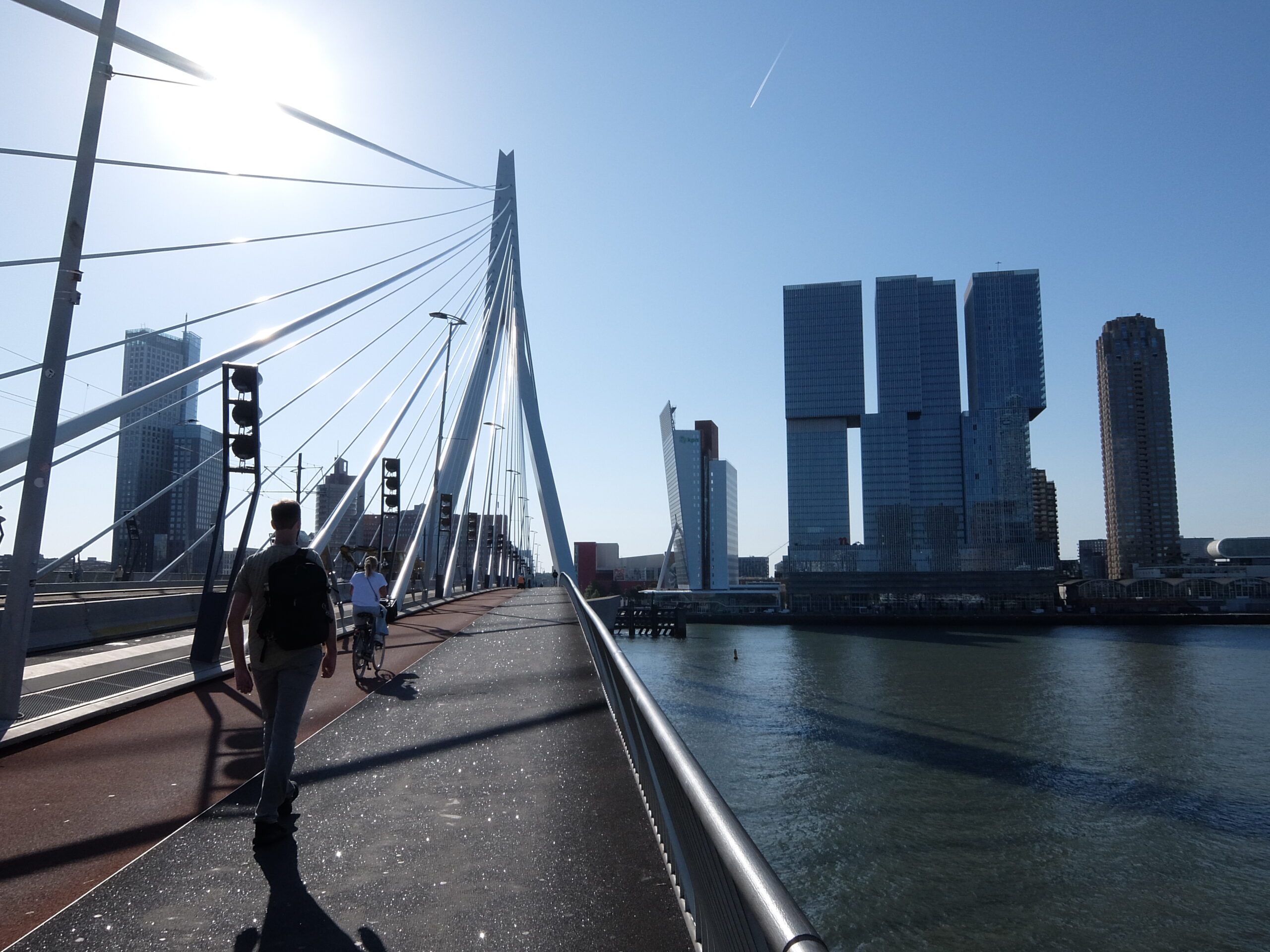
Forget windmills, tulips and clogs, even cheese, and think New Dutch. This pioneering movement can be experienced in three cities: Rotterdam, erased by the Germans; Eindhoven, deserted by Philips; and Tilburg, left bare by the textile industry.
Tilburg
The New Dutch movement celebrates the Netherlands as one of Europe’s most forward-thinking destinations. It started as a collaboration between Eindhoven and Rotterdam before expanding to include other destinations. The aim is to showcase the Netherlands not just as a place of history, but as a living laboratory of design, technology, architecture and culture.
Eindhoven
For generations, the Netherlands has been defined by picture postcard Amsterdam, images of canals, tulips and windmills. While those icons remain part of the country’s identity, the new story is the creative transformation of former industrial cities into vibrant cultural destinations.
Rotterdam
Together, Eindhoven, Tilburg and Rotterdam offer a journey into the Netherlands of tomorrow. And the best way of exploring them is on two wheels – an extensive network of cycle paths make these bike friendly cities.
Eindhoven: The Birthplace of New Dutch
Eindhoven
Eindhoven
Eindhoven
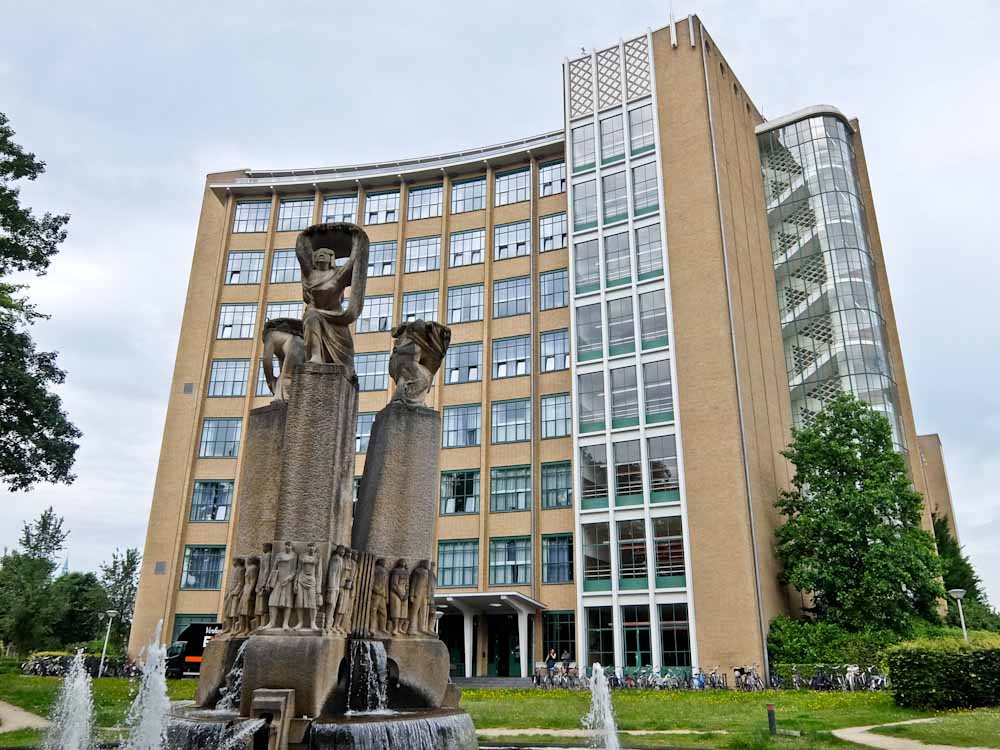
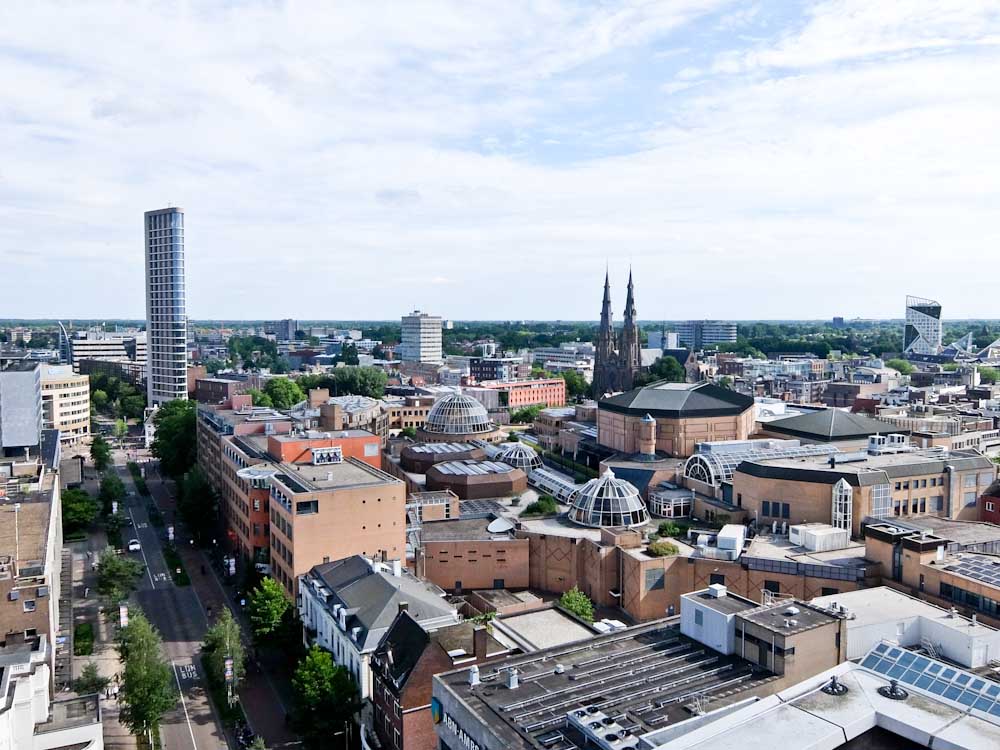
No city embodies the New Dutch philosophy more completely than Eindhoven. Founded in 1891 as the start-up for the Philips electronics empire, it was a factory town dominated by the manufacturer. Sadly. the company relocated to Amsterdam in 1997 – this was the impetus for the city to transform itself into Europe’s leading design and technology hub.
Eindhoven
Eindhoven
Eindhoven
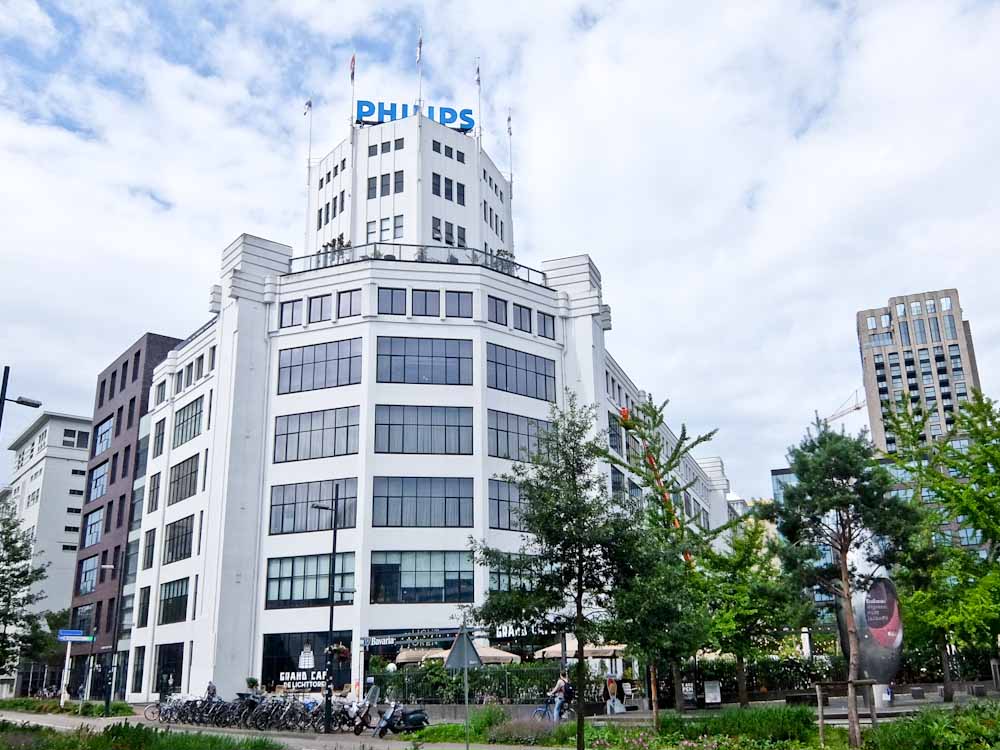
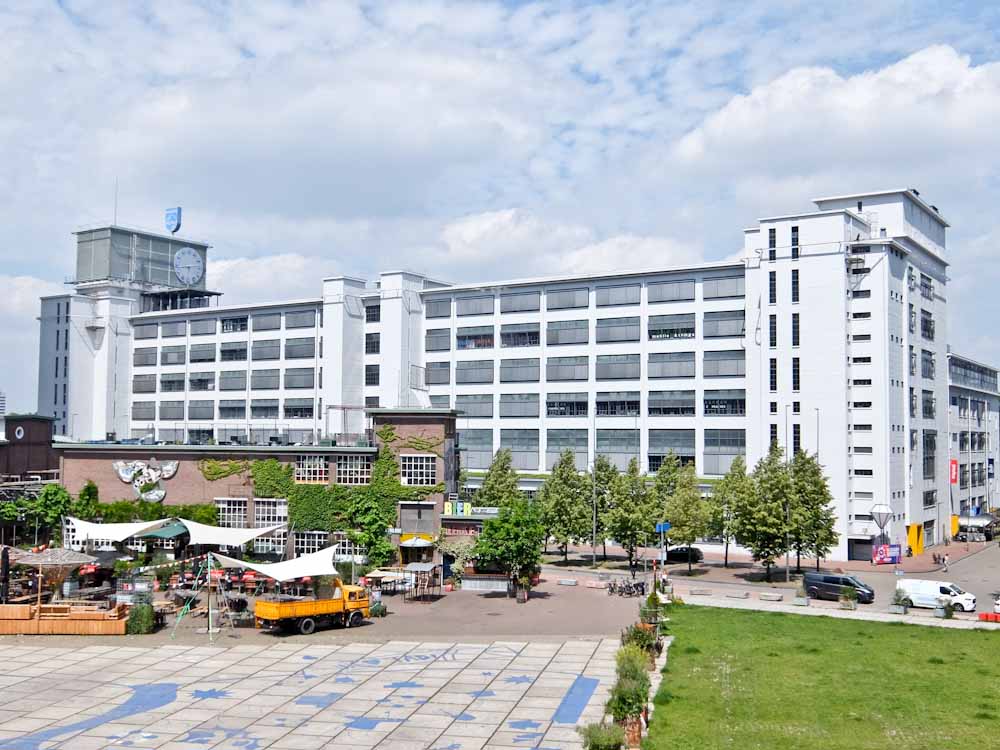
In the compact centre, modern design blends with historic buildings, creating a cityscape that reflects the transformation from an industrial town to a hive of innovation. Many of the Philips factories have been repurposed including the Light Tower, where they once tested light bulbs, which is now my hotel. Philipsdorp, built for workers, is a typical garden village with small houses and big gardens so they could grow their own.
Eindhoven
Eindhoven
Eindhoven
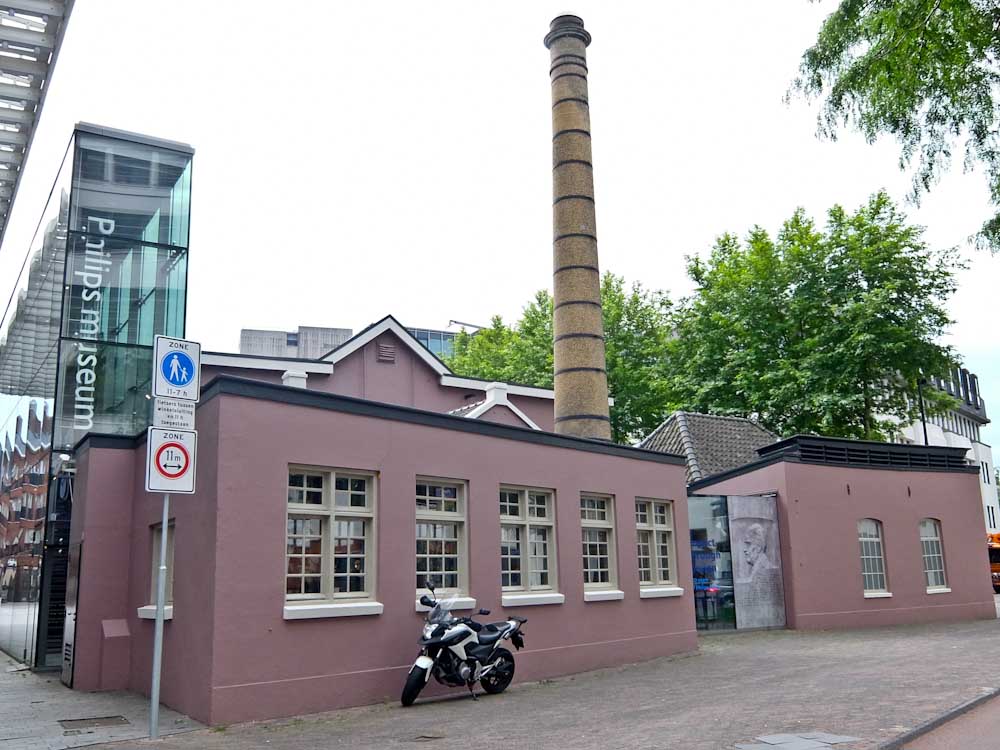
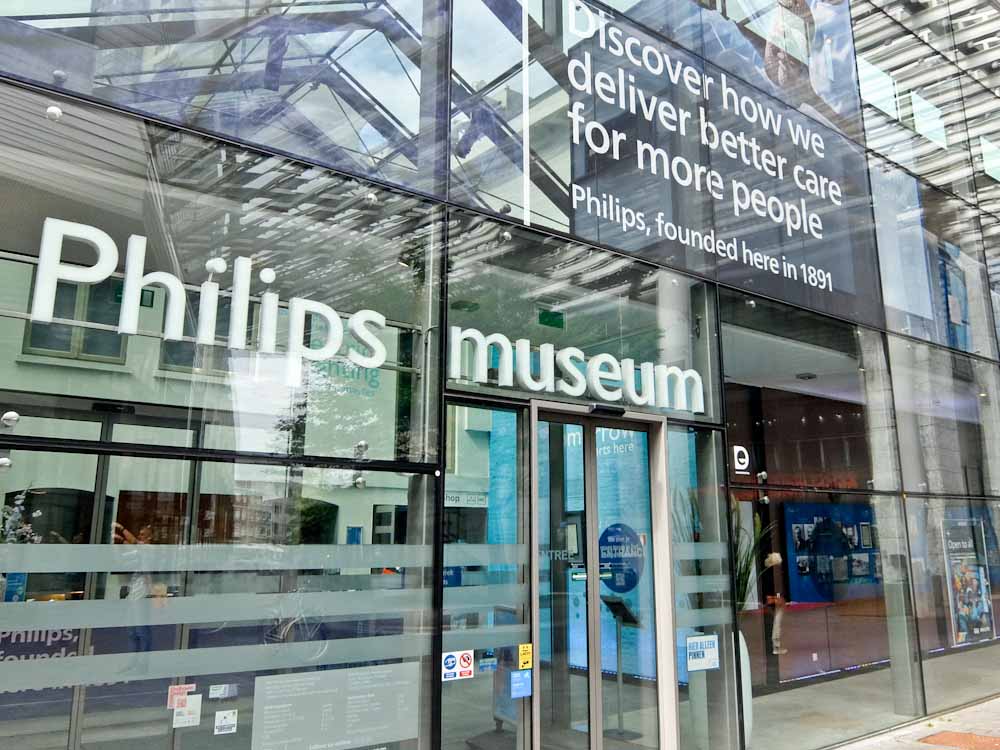
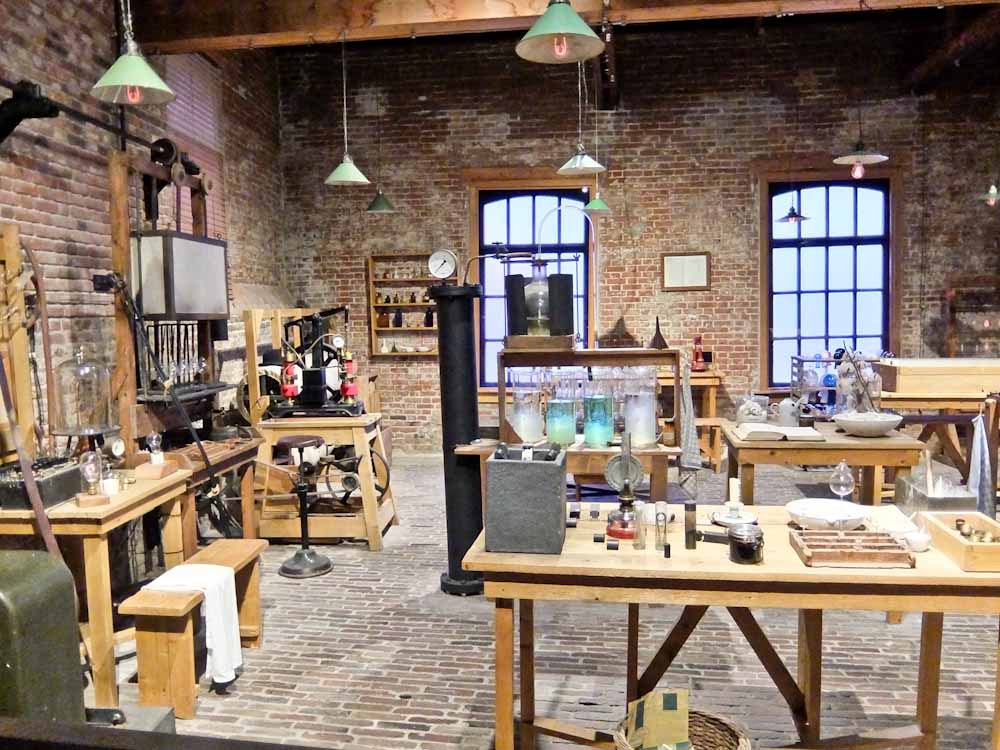
The Philips Museum occupies the building where Gerard Philips produced his first light bulbs in 1891. Interactive exhibits trace the company’s evolution from light bulbs to radios, televisions, medical equipment, and modern technology. You can admire vintage electrics, hear stories of innovation, and learn how Philips influenced both Eindhoven and the wider world.
Eindhoven
Eindhoven
Eindhoven
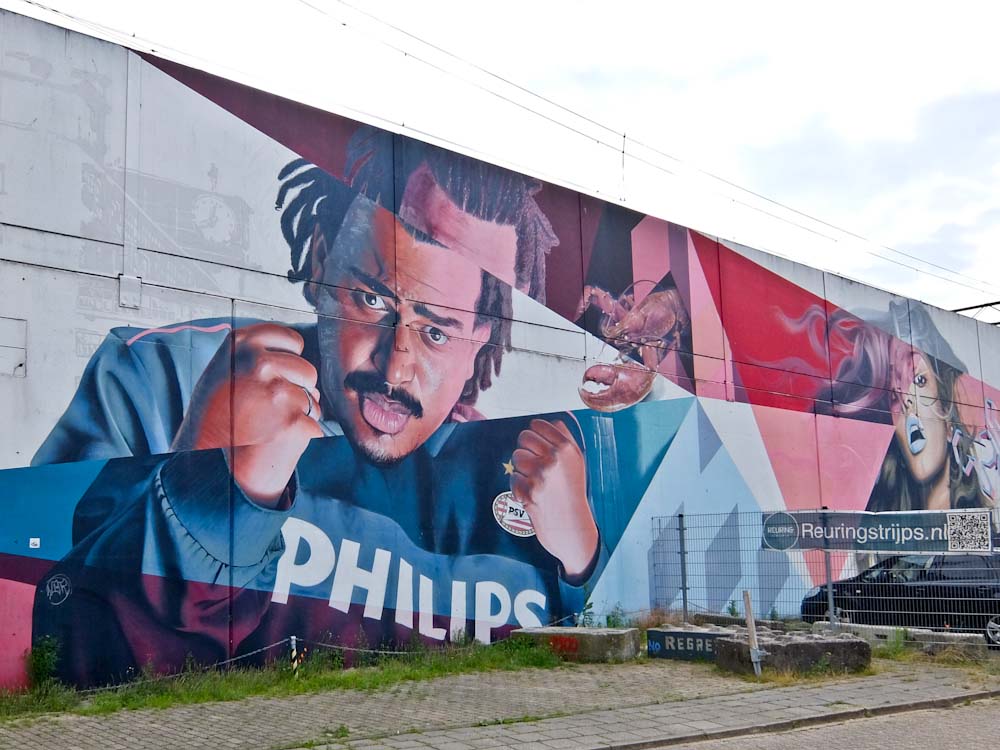
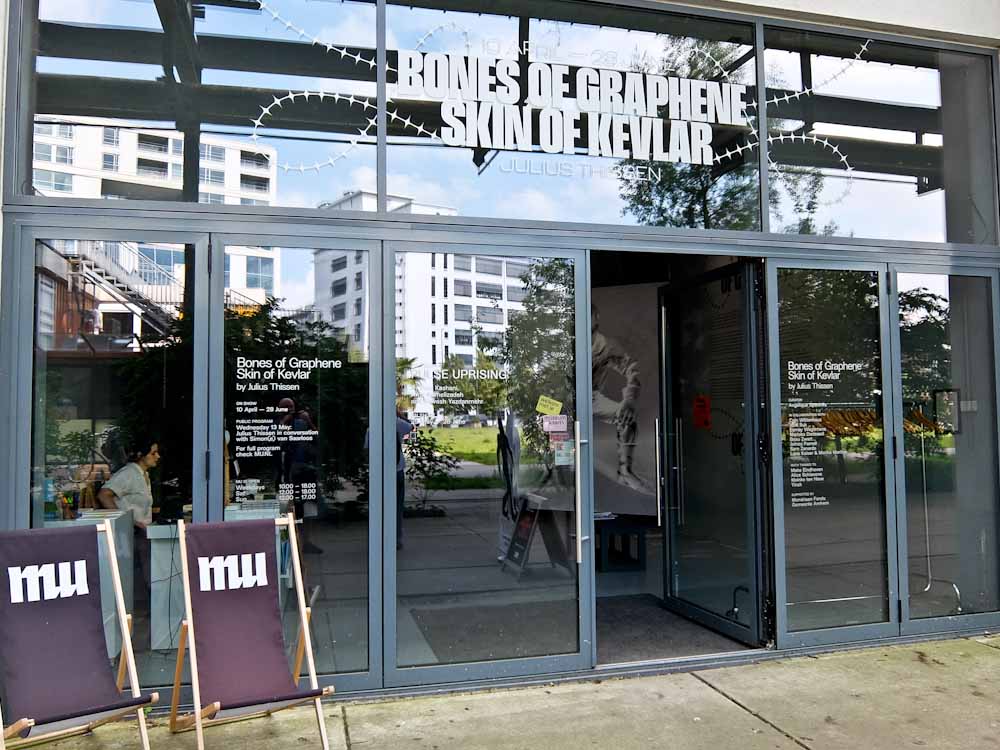
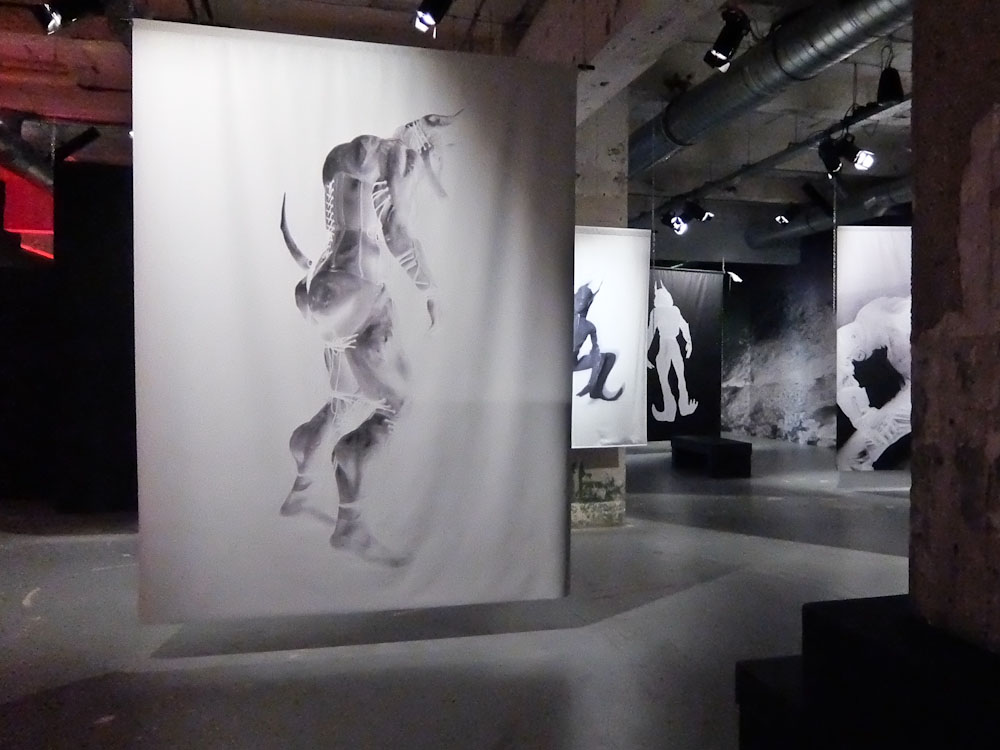
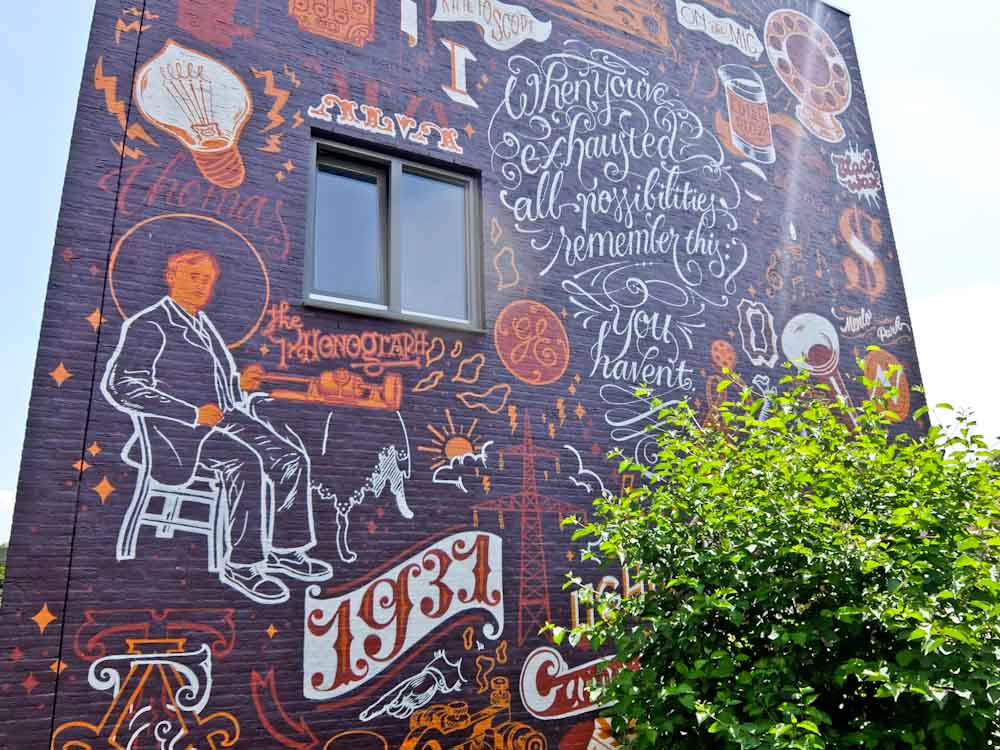
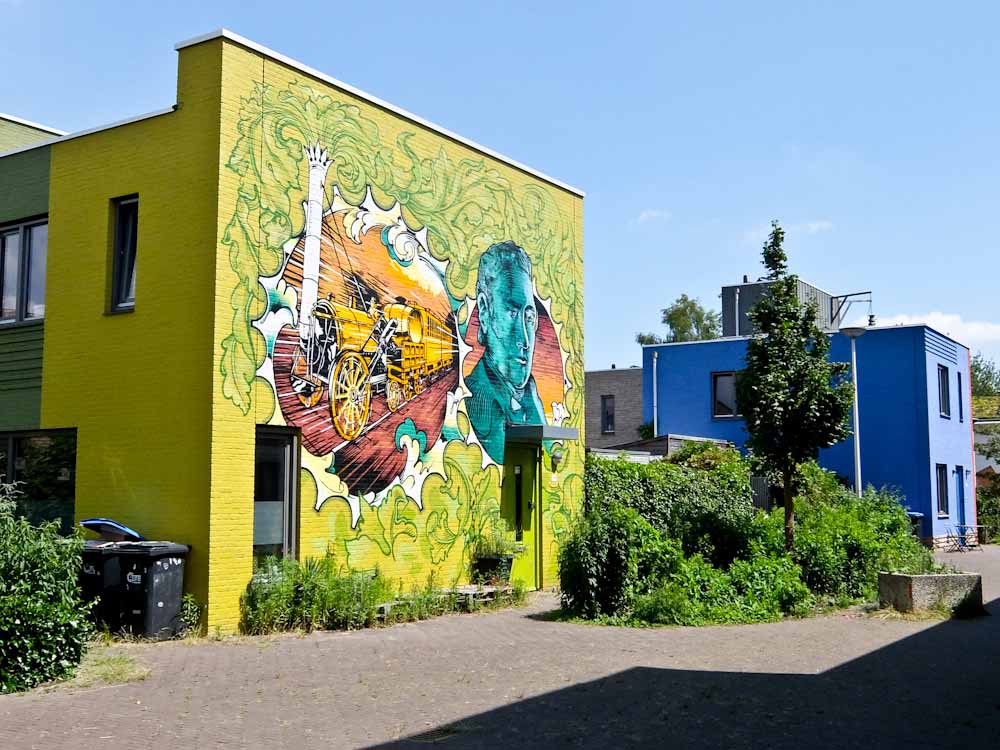
Strijp-T and Strijp-S are also former factory areas, once closed to anybody apart from the workers. They’ve now become Eindhoven’s creative hub with stylish cafés, art galleries, design studios, boutique shops, and co-working spaces. Street art decorates many of the buildings and the MU Hybrid Art House stages cutting edge exhibitions.
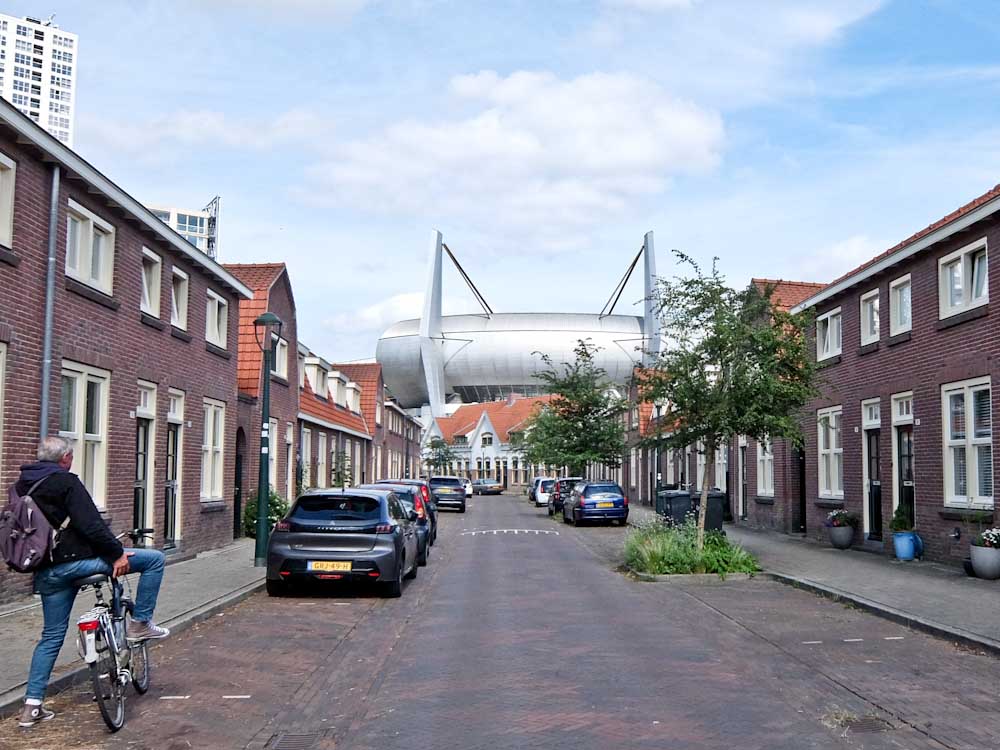
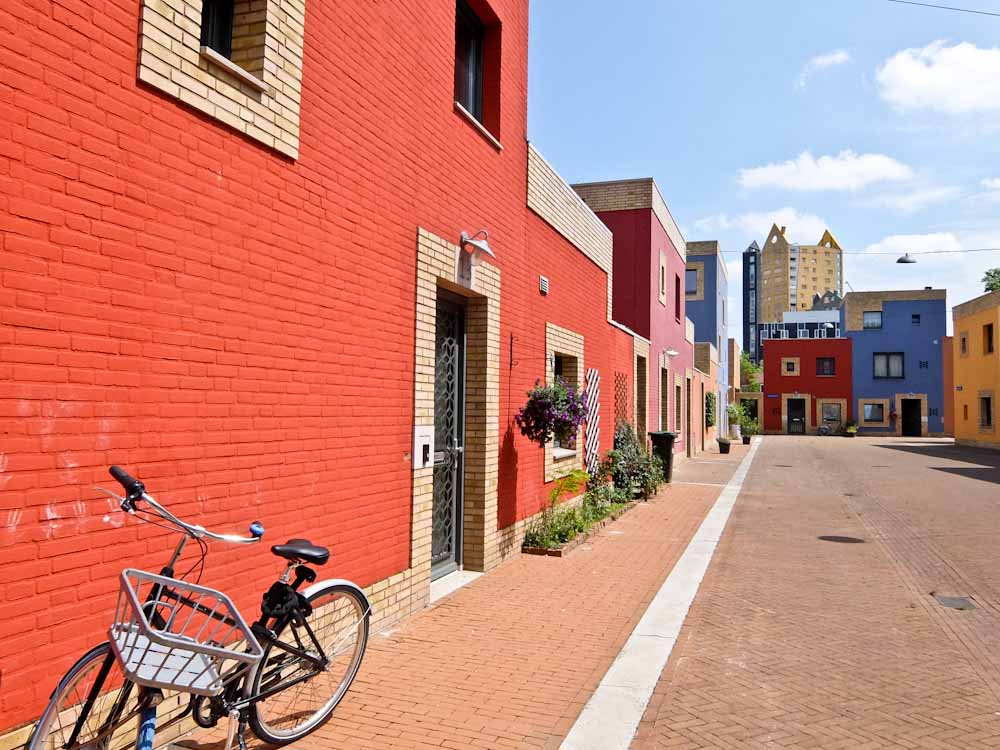
But it’s not all about Philips. Woensel-West, next to Strijp S, was once a working-class neighbourhood that was a dangerous no-go area. Starting around 2007, the local municipality and the Trudo housing corporation teamed up to revitalise the area.
Eindhoven
Eindhoven
Eindhoven
They replaced old decaying buildings with vibrant architectural designs, cleaned up the streets, and invested in the local community. Now it’s become a hip hotspot, a lively hub filled with diverse cultures, young families, local artists and vibrant street art
Eindhoven
Eindhoven
Eindhoven
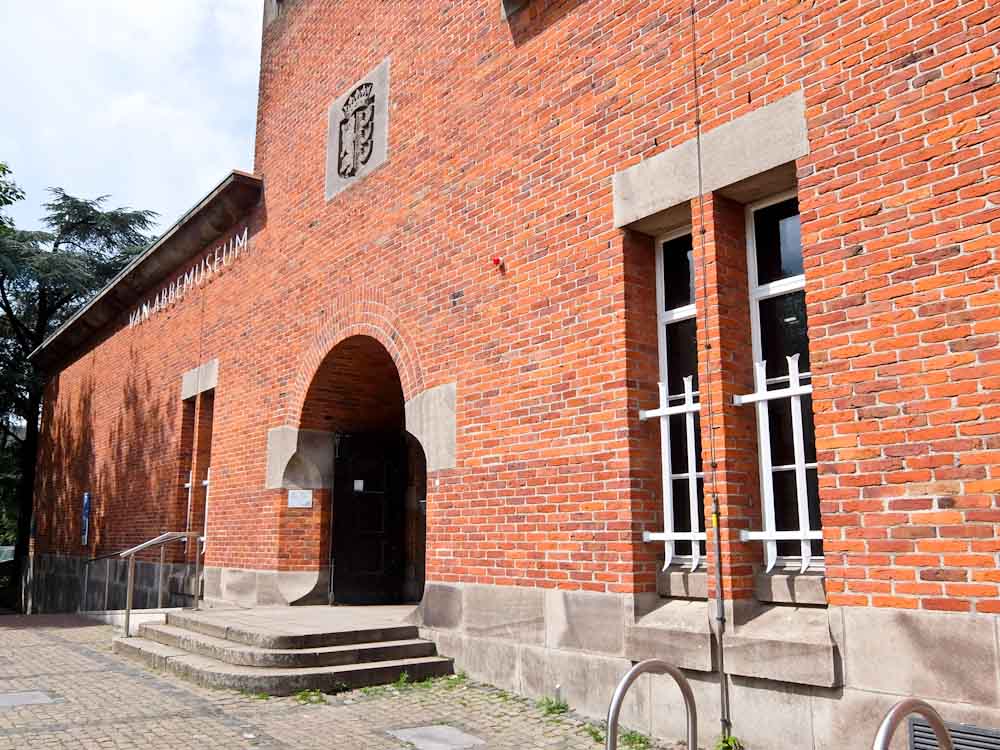
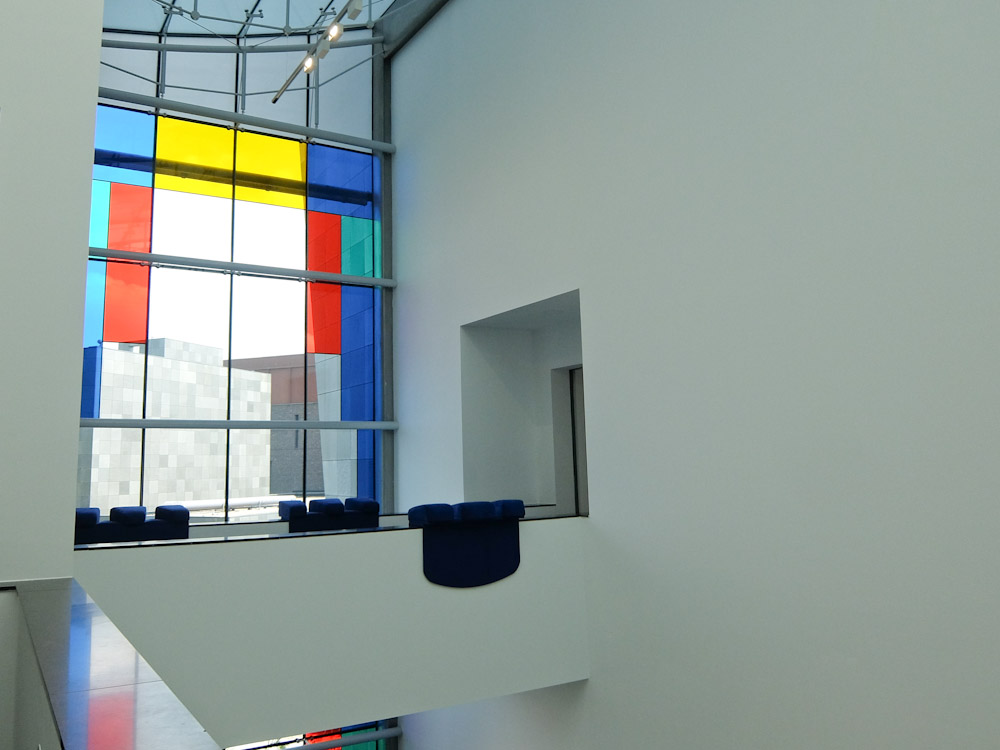
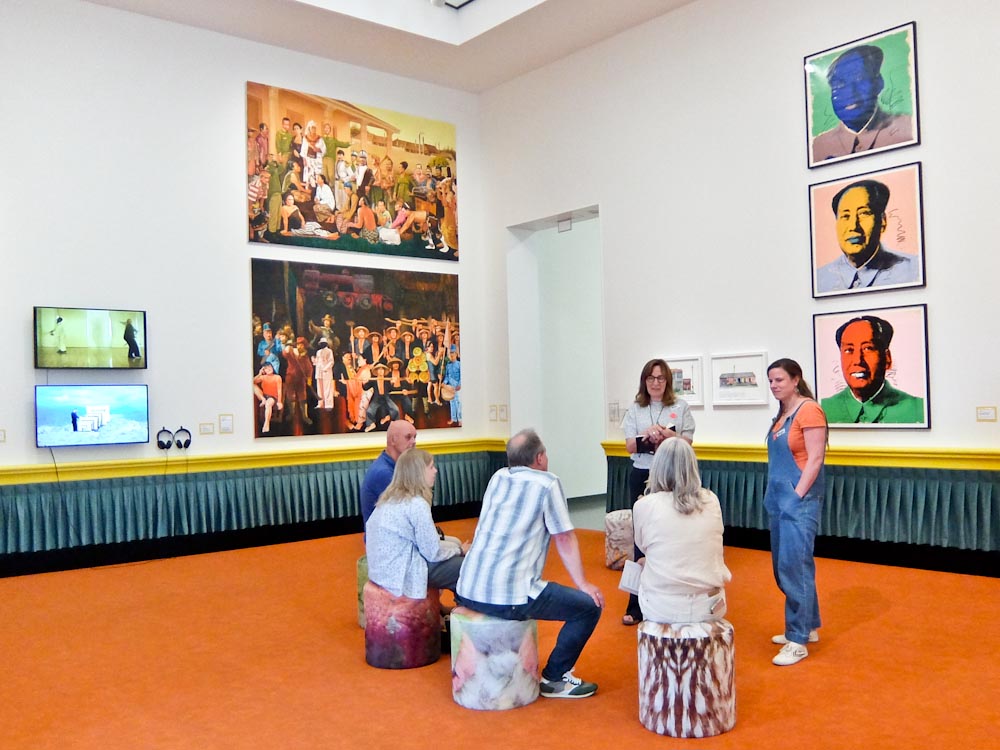
You’ll find more art at the Van Abbemuseum, one of Europe’s leading museums of modern and contemporary art. The collection is housed in a stylish mix of historic and modern buildings and includes works by Picasso, Kandinsky and Chagall alongside contemporary artists from around the world.
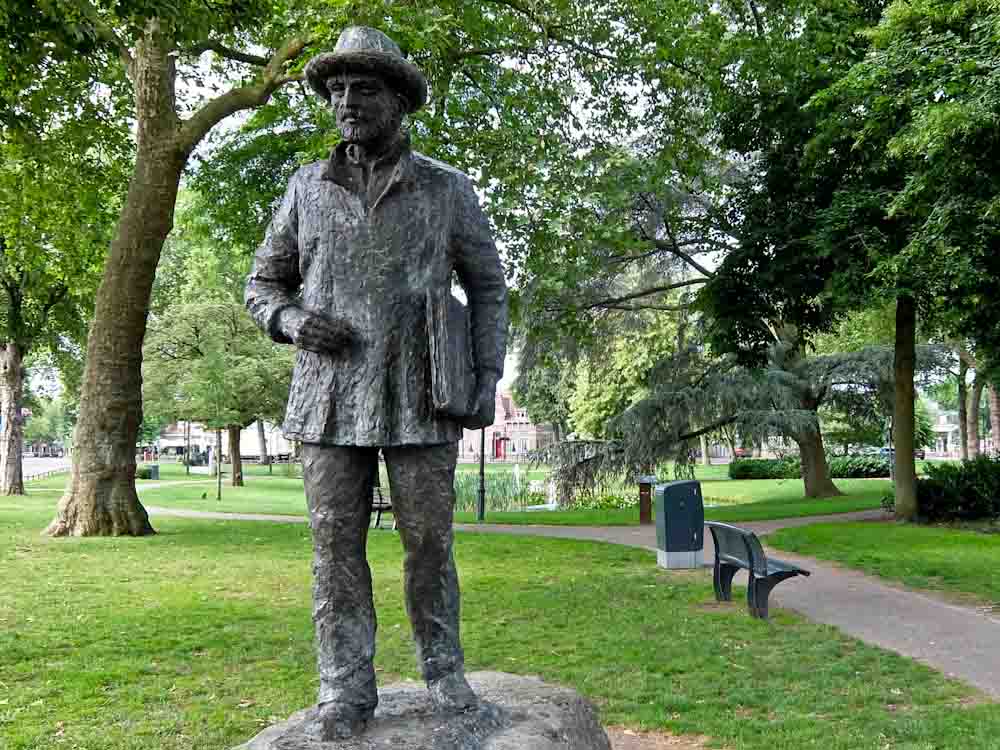
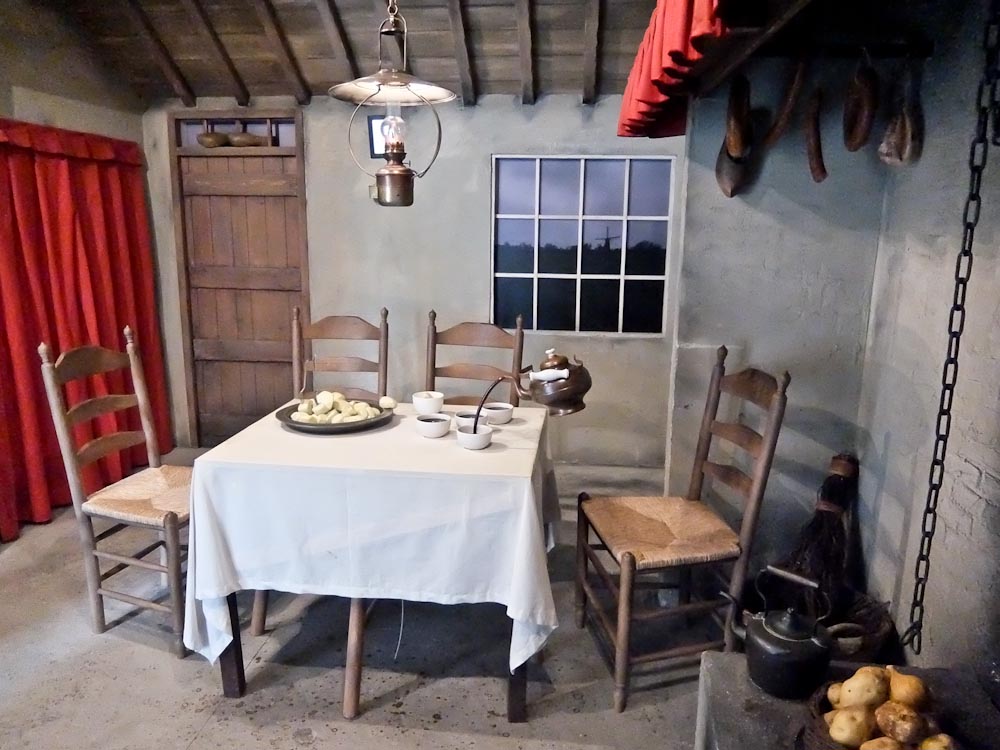
Just a few kilometres north of Eindhoven is Nuenen where Vincent van Gogh lived between 1883 and 1885. His father was a pastor in the village and, in under two years, he produced hundreds of drawings and paintings focused on peasants, weavers, and rural life. One of his earliest masterpieces is The Potato Eaters, a dark depiction of a farming family gathered around a meal.
Neunen
Neunen
Neunen
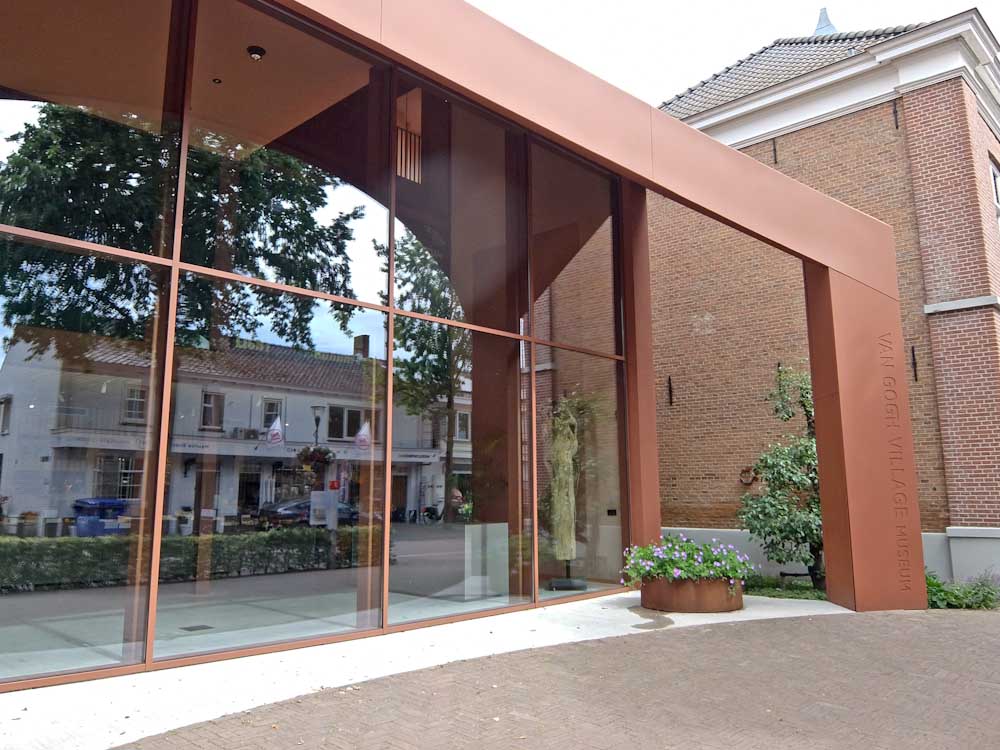
The Van Gogh Village Museum doesn’t have any original paintings but instead reconstructs his time here through artefacts, letters and multimedia. It details his daily life, frustrations, experiments with colour and interactions with local people. The museum experience extends to the local area. Around two dozen sites link a walking or cycling route connecting locations where he lived and painted.
Tilburg
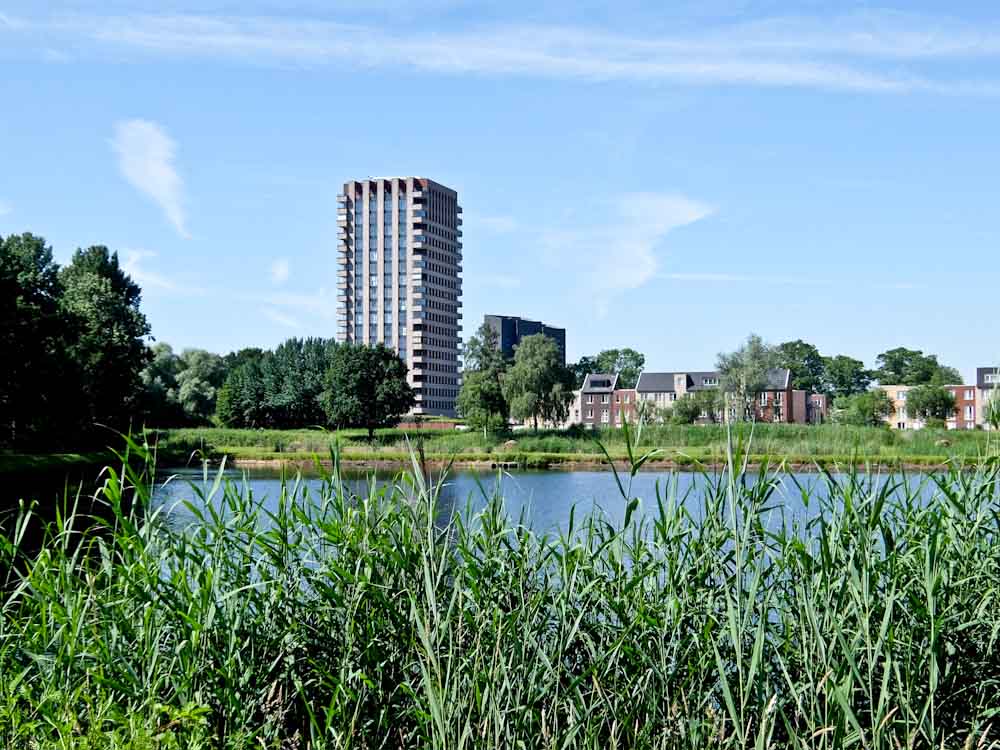
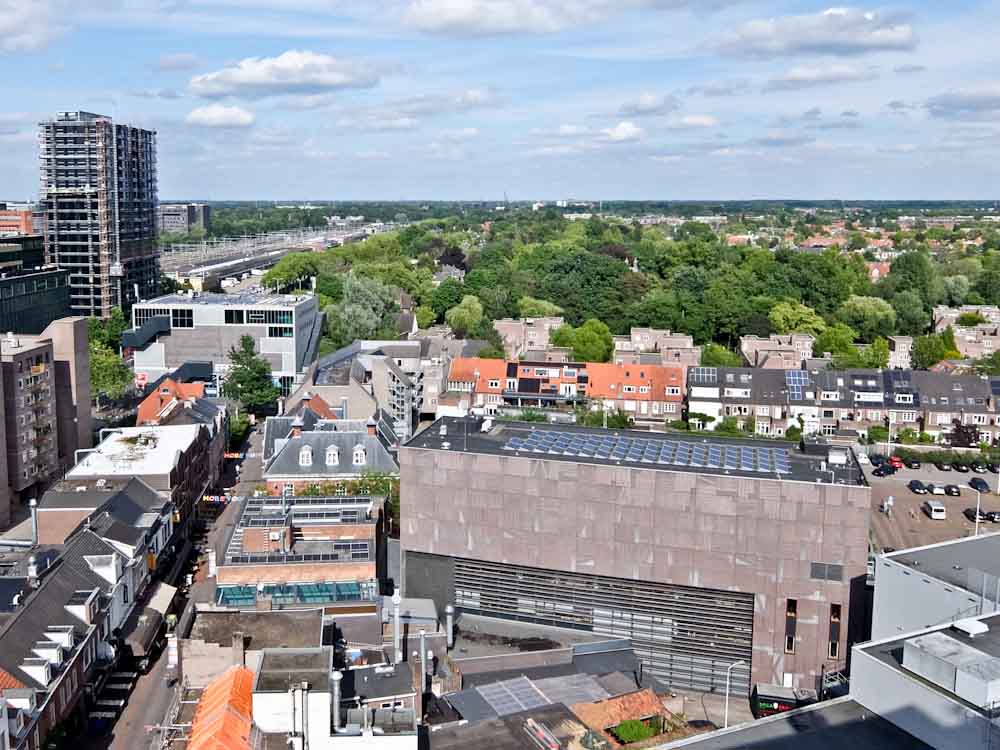
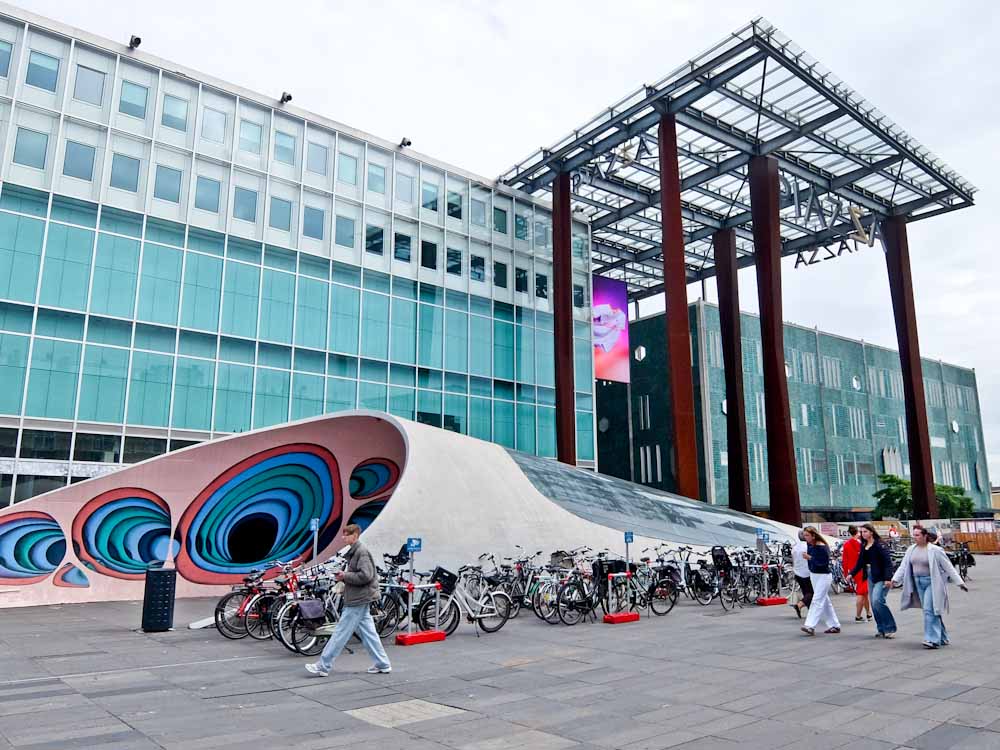
Like Eindhoven, Tilburg has transformed itself from a fading textile powerhouse into a thriving cultural hub filled with museums, green spaces and innovative architecture. You see this immediately as you walk out of the station into the Spoorzone, an area that was once railway workshops.
Tilburg
Tilburg
Tilburg
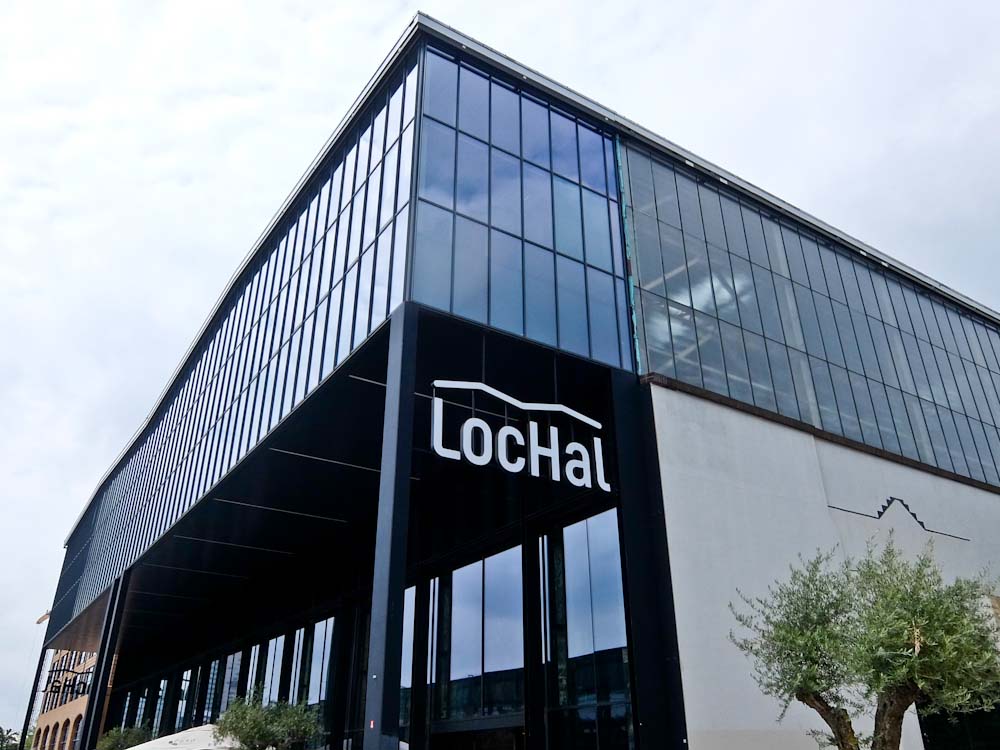
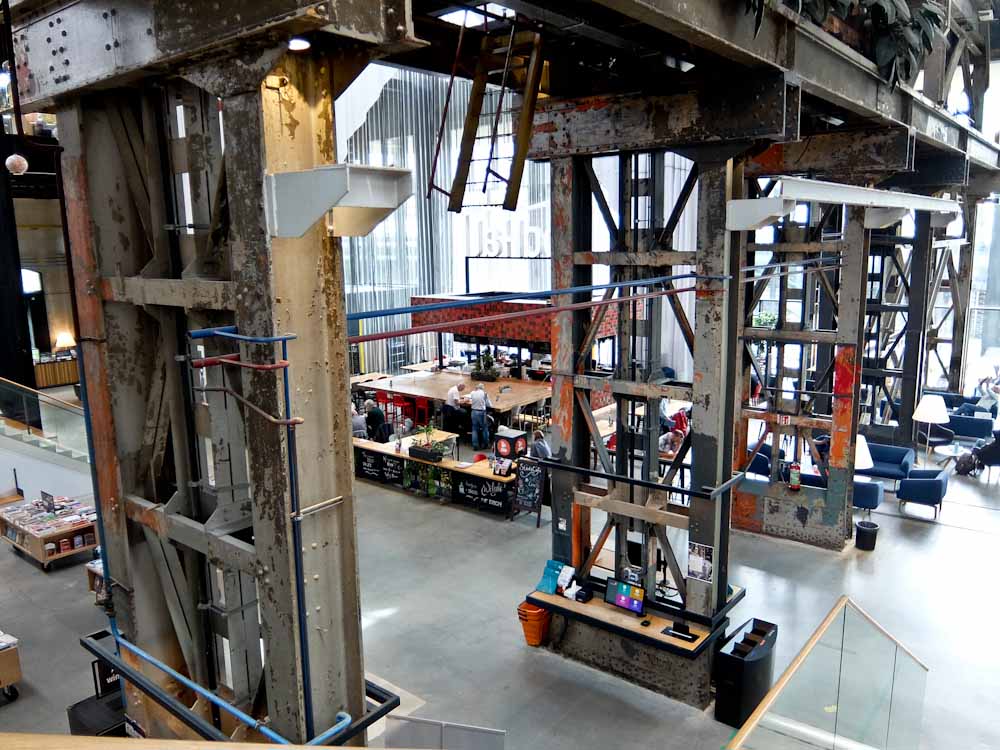
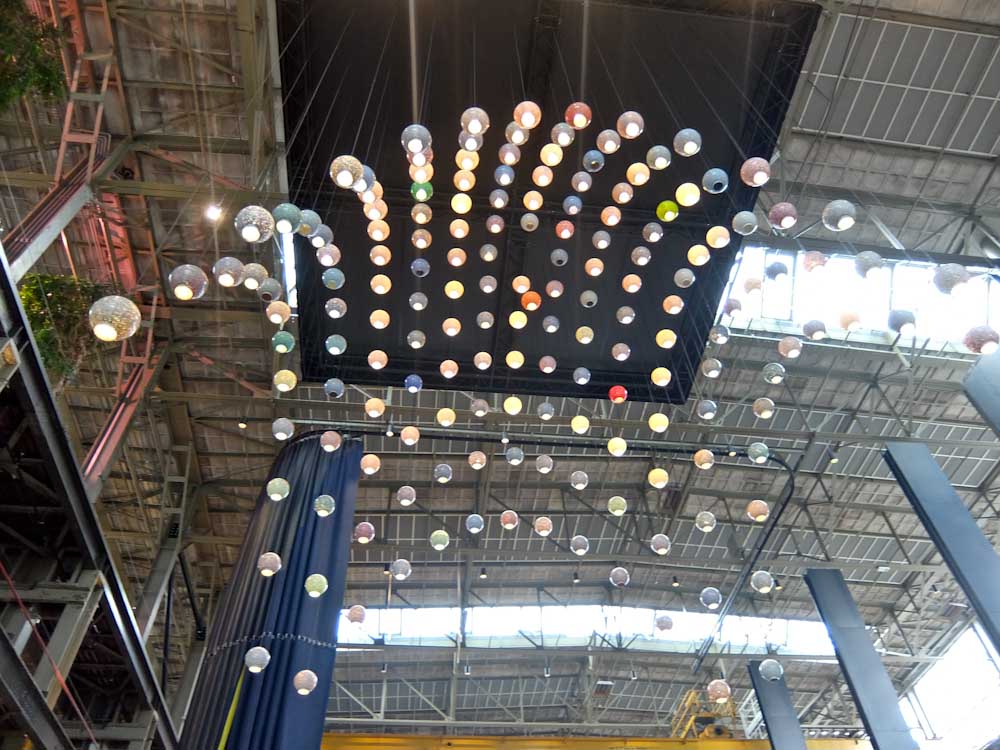
The LocHal, the award-winning public library, occupies what was a huge locomotive maintenance shed. The municipal monument dating back to 1932, has been converted into a modernist epicentre of design filled with glass, stunning wooden staircases fitting into the grand old industrial skeleton.
A short walk away, the Kessels Museum, inside the historic Huis van Muziek, tells the story of Mathieu Kessels, one of the Netherlands’ most influential musical instrument makers. Starting in the late 19th century, his Kessels factory became internationally renowned for its brass, woodwind, percussion, string and keyboard instruments. In the museum’s workshop you see instruments from the collection being carefully brought back to life.
Tilburg
Tilburg
Tilburg
Tilburg
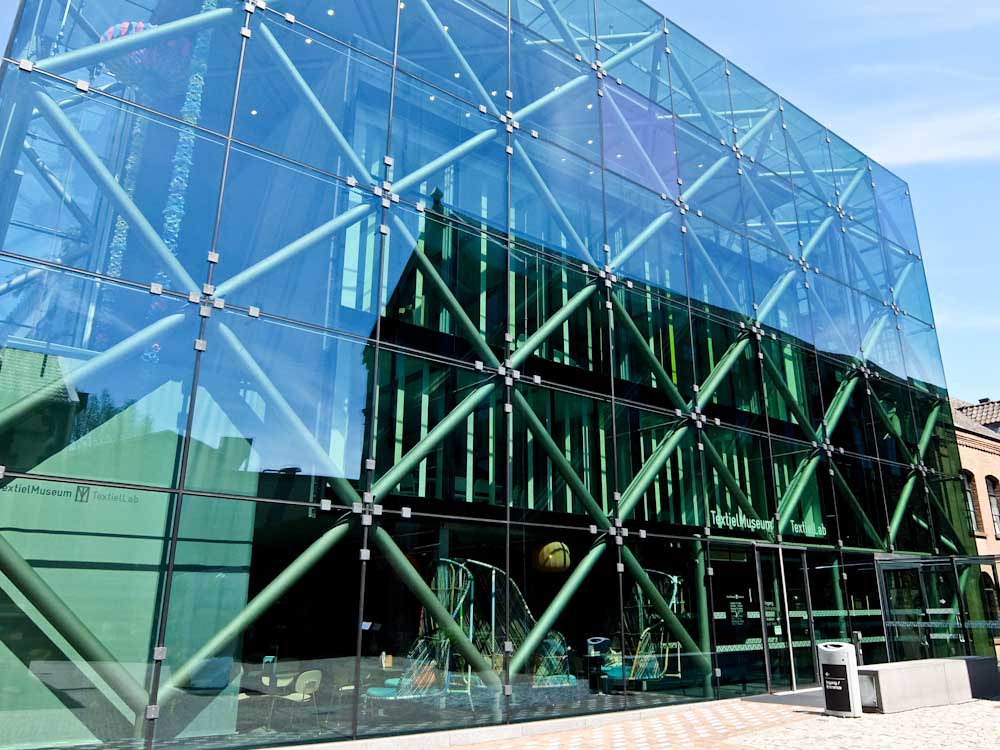
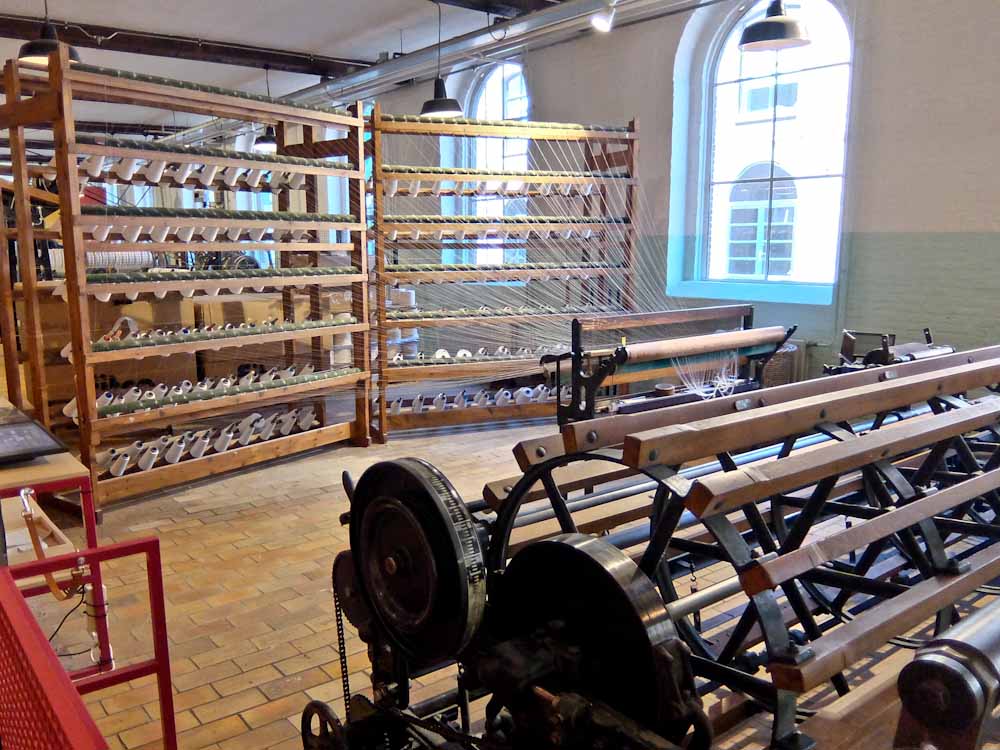
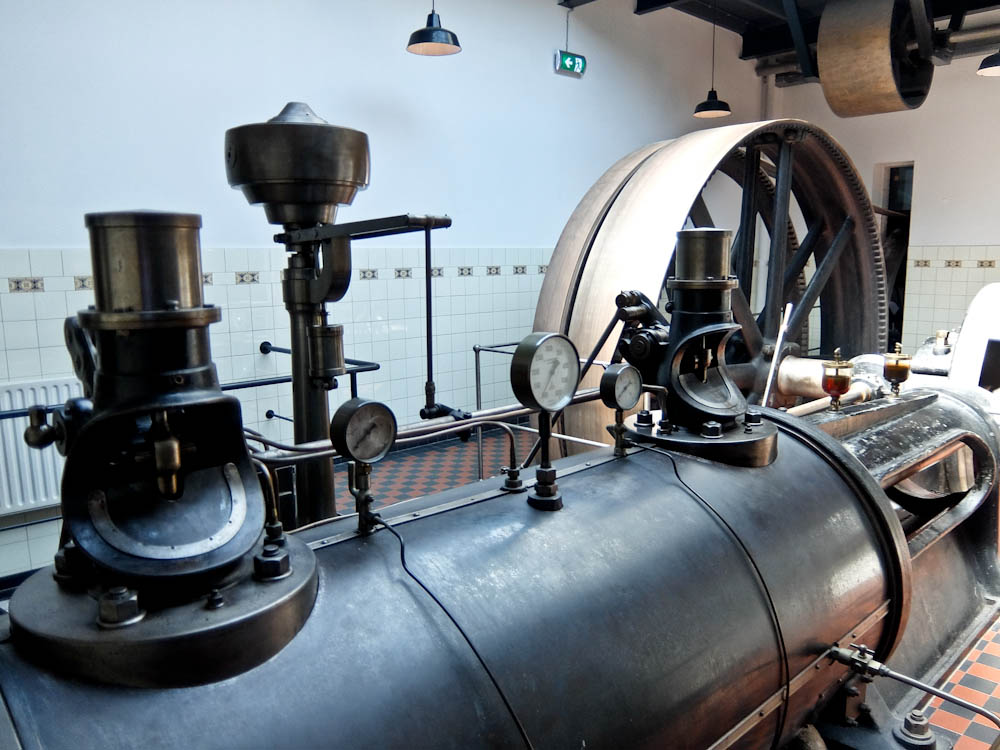
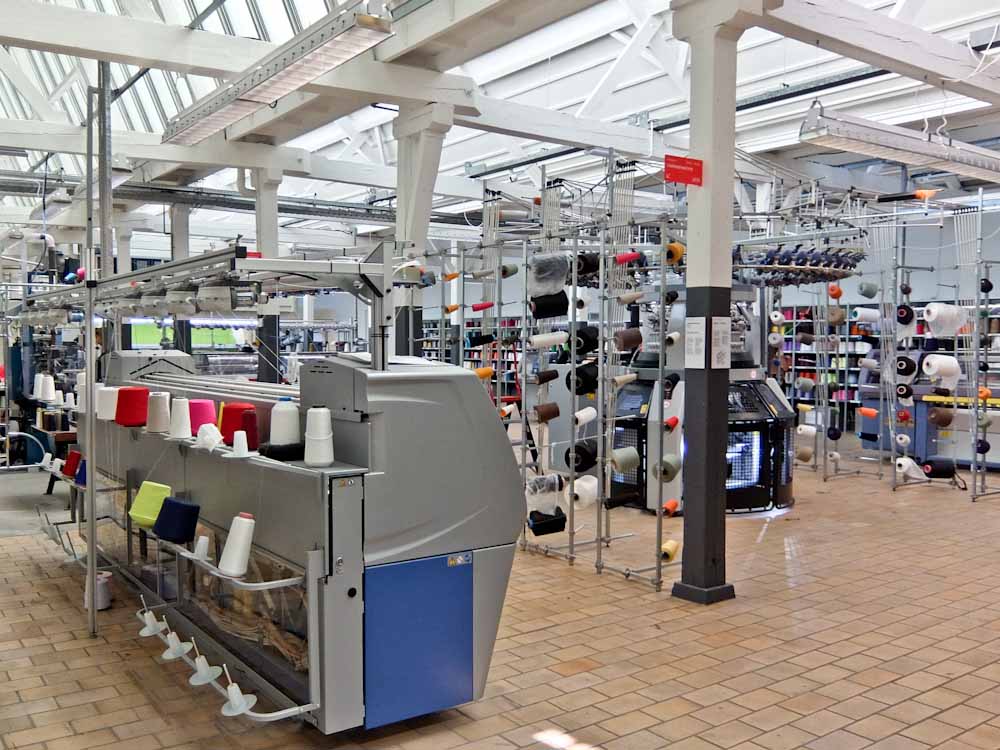
The Textile Museum tells the story of Tilburg’s textile heritage. It combines historical displays with working textile machinery and contemporary design. A vintage steam engine and mechanical looms sit side by side with skilled artisans operating modern weaving machines. It’s also an opportunity to learn how textile designers experiment with innovative fabrics and sustainable materials.
Tilburg
Tilburg
Tilburg
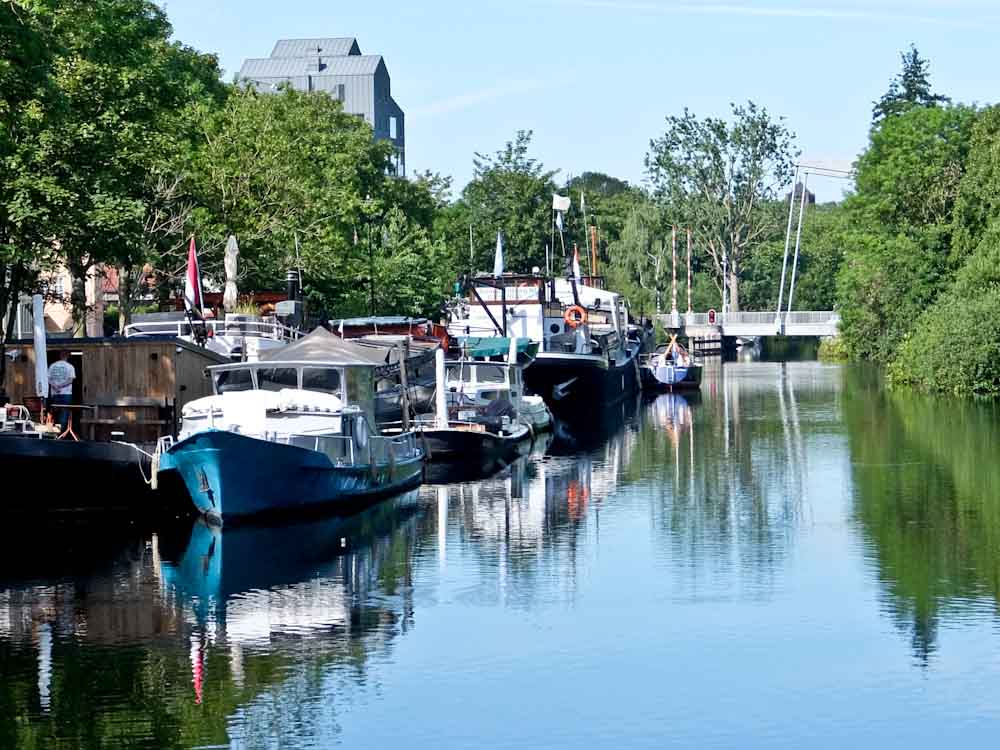
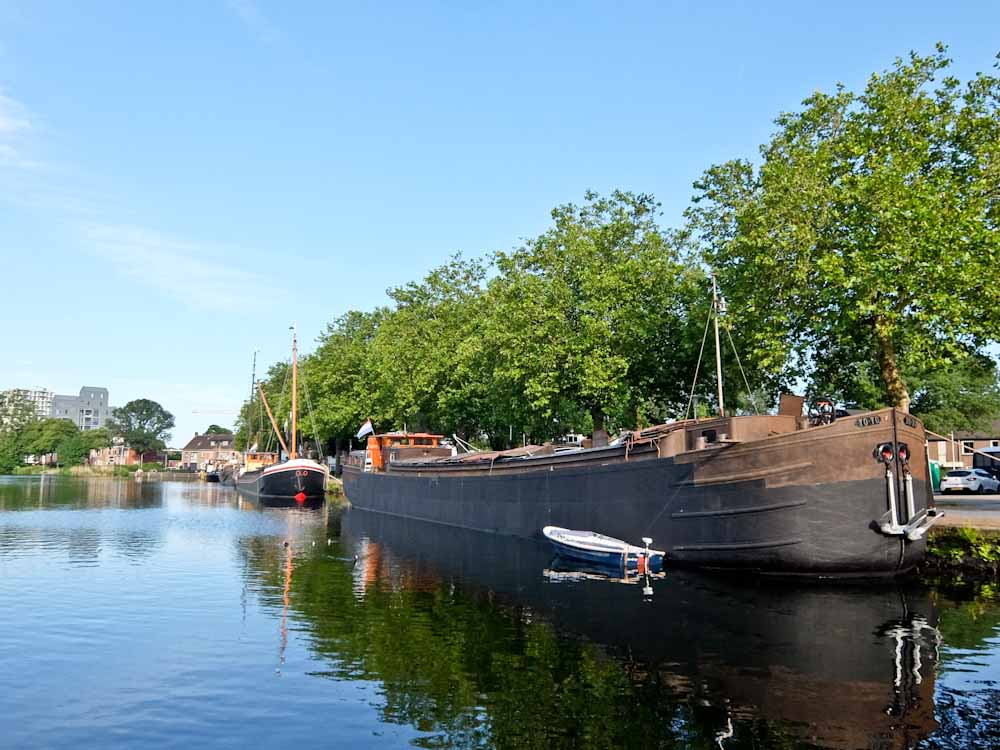
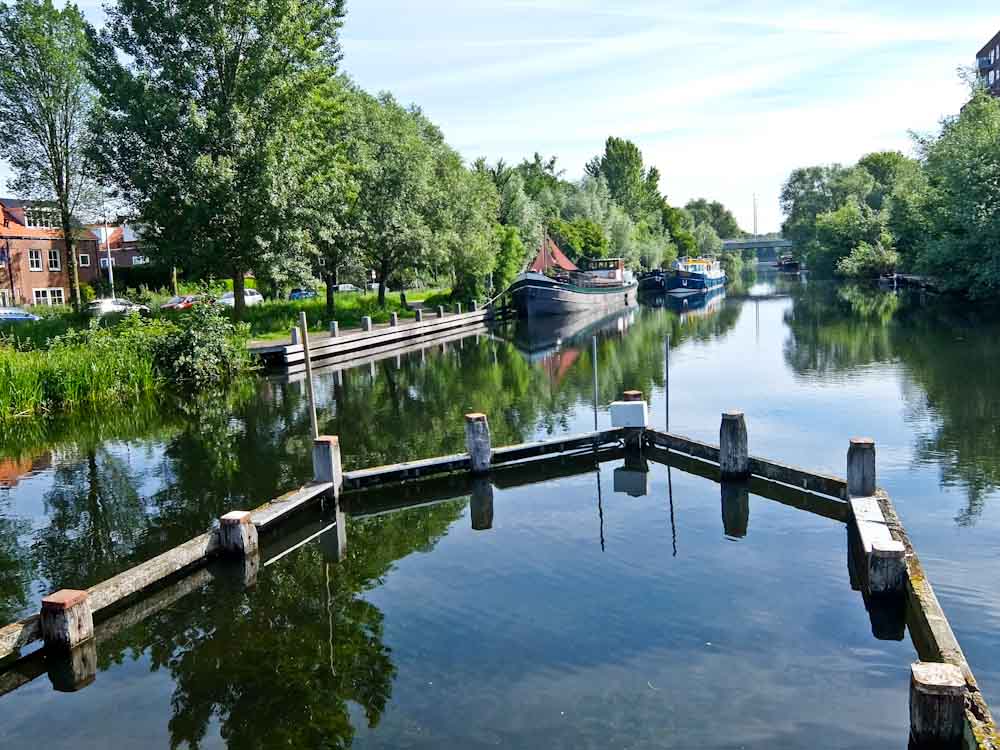
Piushaven is Tilburg’s picturesque waterfront district. Once a busy industrial harbour, it’s now a lively leisure area with restaurants, cafés, bars and traditional barges. It frequently hosts festivals, outdoor concerts, food markets, and cultural events that attract locals and tourists alike.
Tilburg
Tilburg
Tilburg
Tilburg
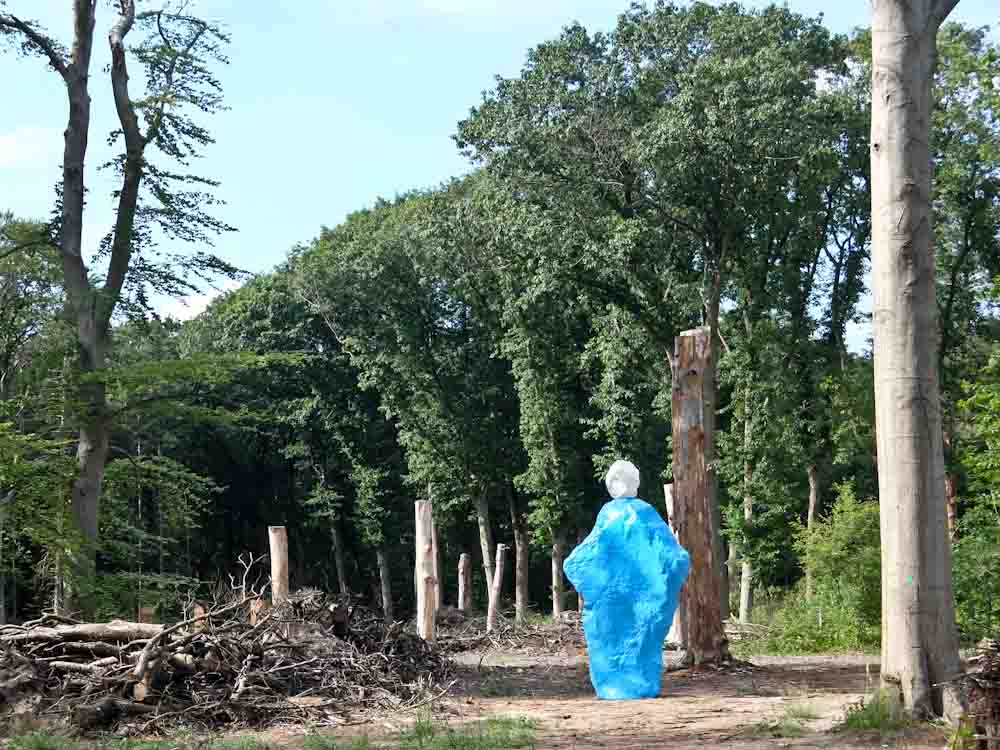
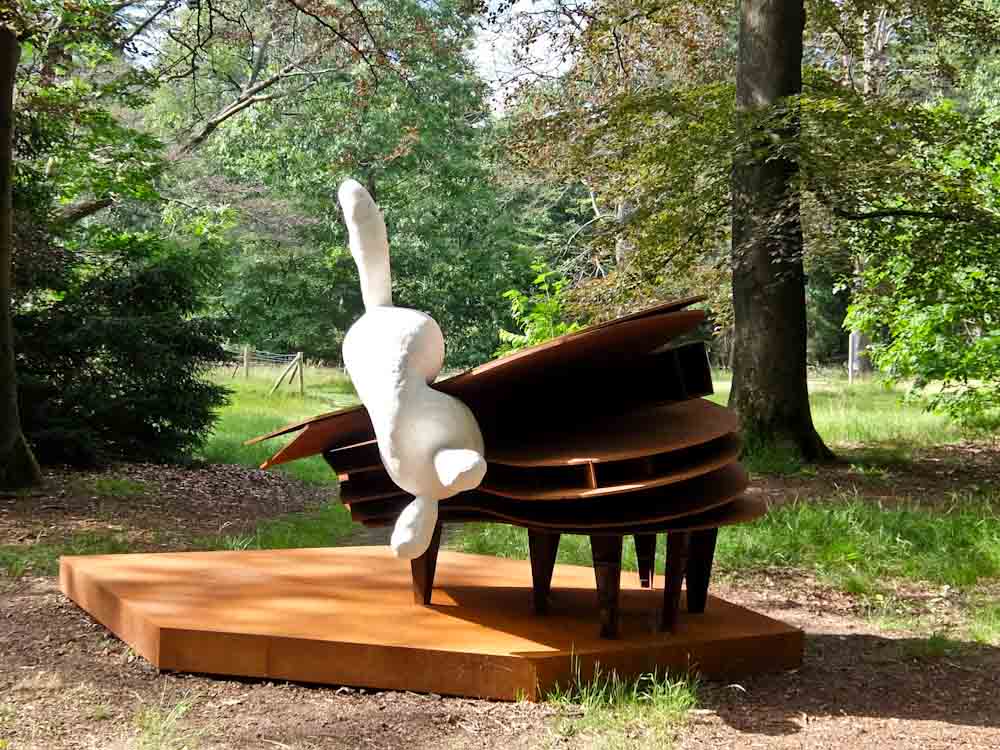
Moerenburg is a landscape park close to the city which combines rich history, industrial heritage, and diverse nature. The Oude Warande is another unique green space. This historic forest features one of the few surviving baroque star forests in Europe. Modern art installations are displayed throughout the woodland, an interesting combination of nature and culture.
Tilburg Koningshoeven Abbey
Tilburg Koningshoeven Abbey
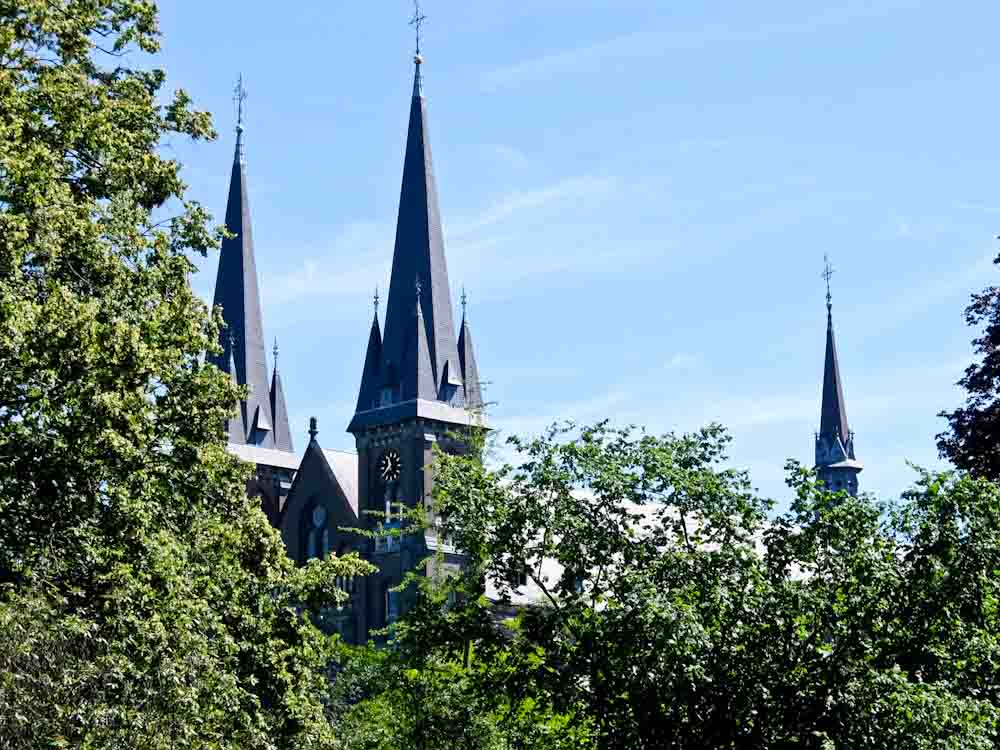
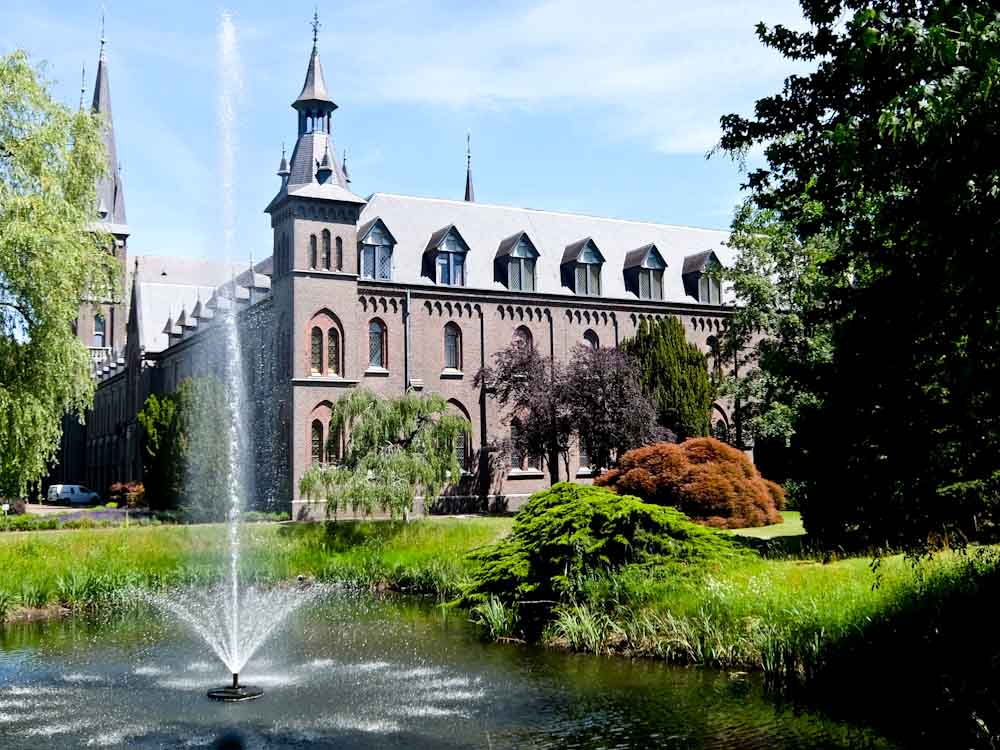
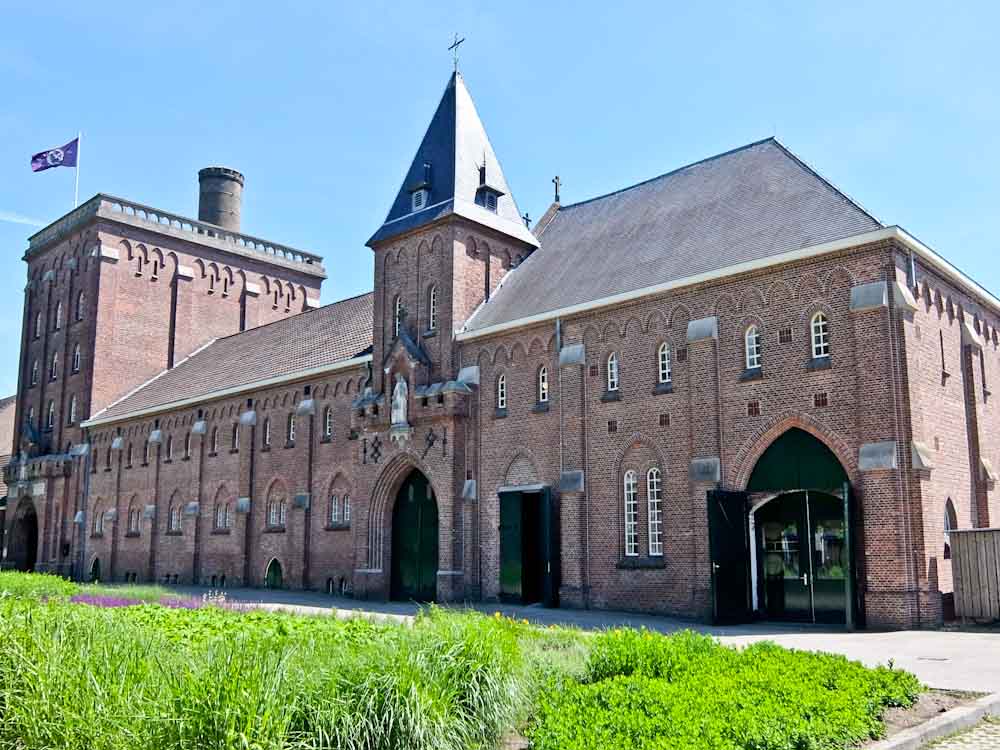
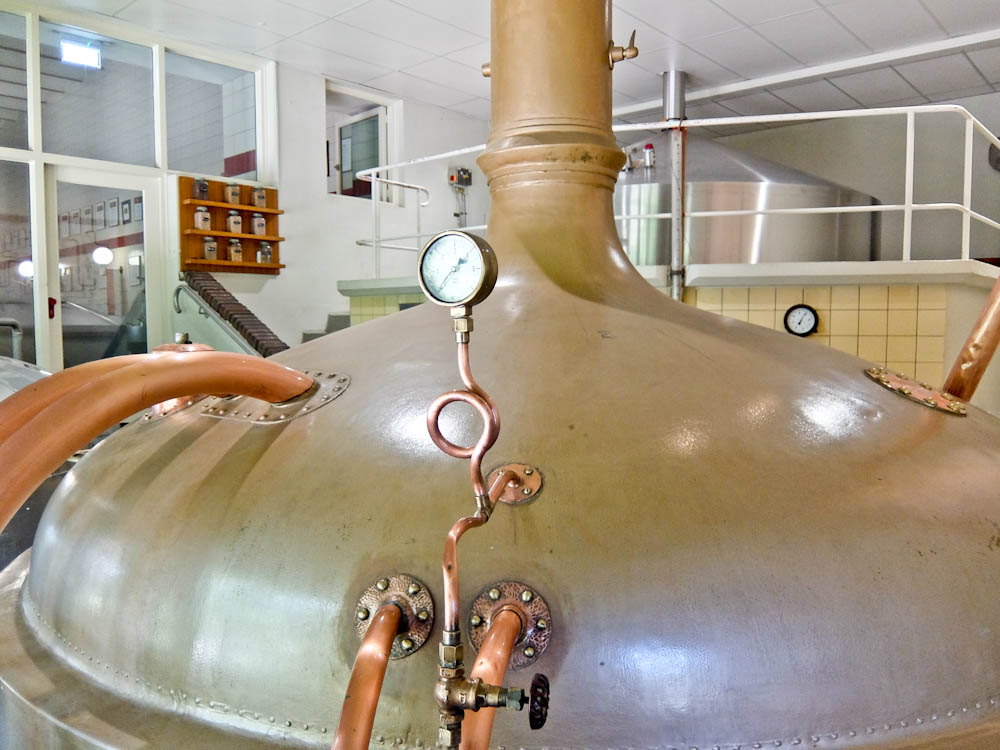
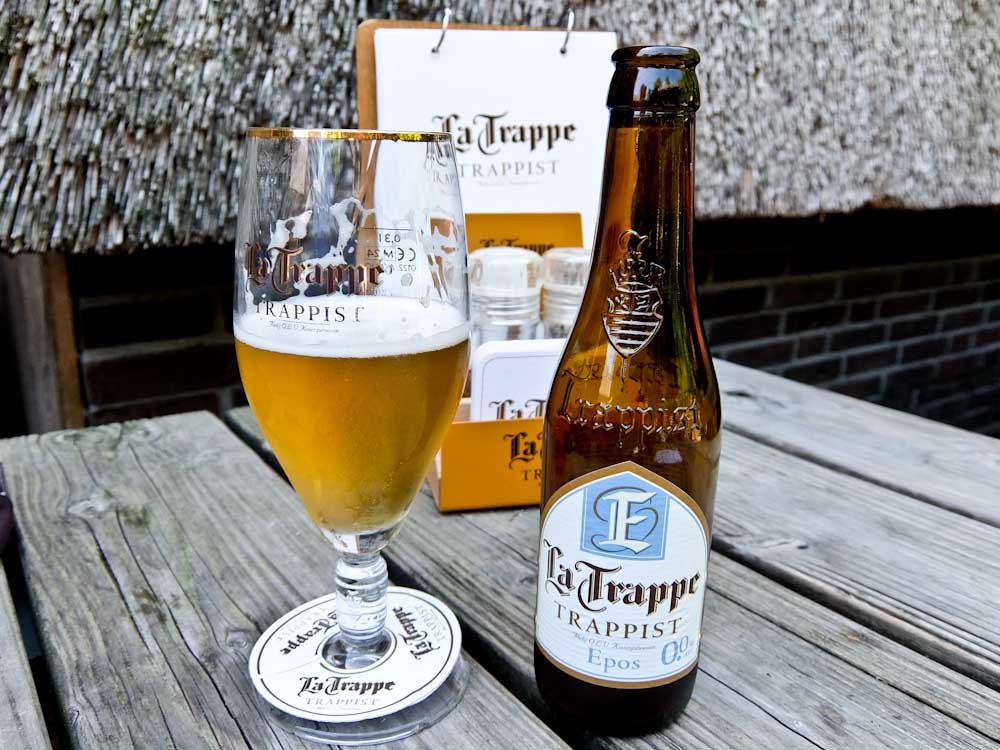
Just a few kilometres east of the city centre lies Koningshoeven Abbey, founded in 1881 by French Trappist monks. They began brewing beer in 1884, establishing what would become the La Trappe brewery. Tours take you through the brewing process and offer tastings of their beers. Stay for lunch, as much of their produce is organic and home-grown.
Tilburg La Trappe
Tilburg La Trappe
Tilburg La Trappe
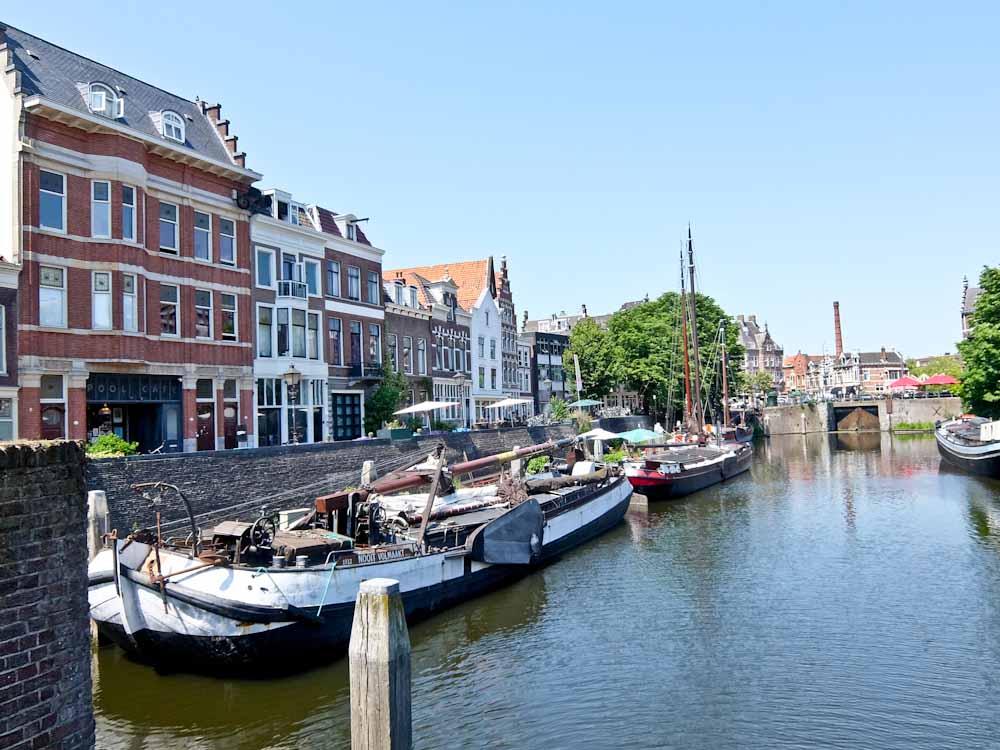
Rotterdam
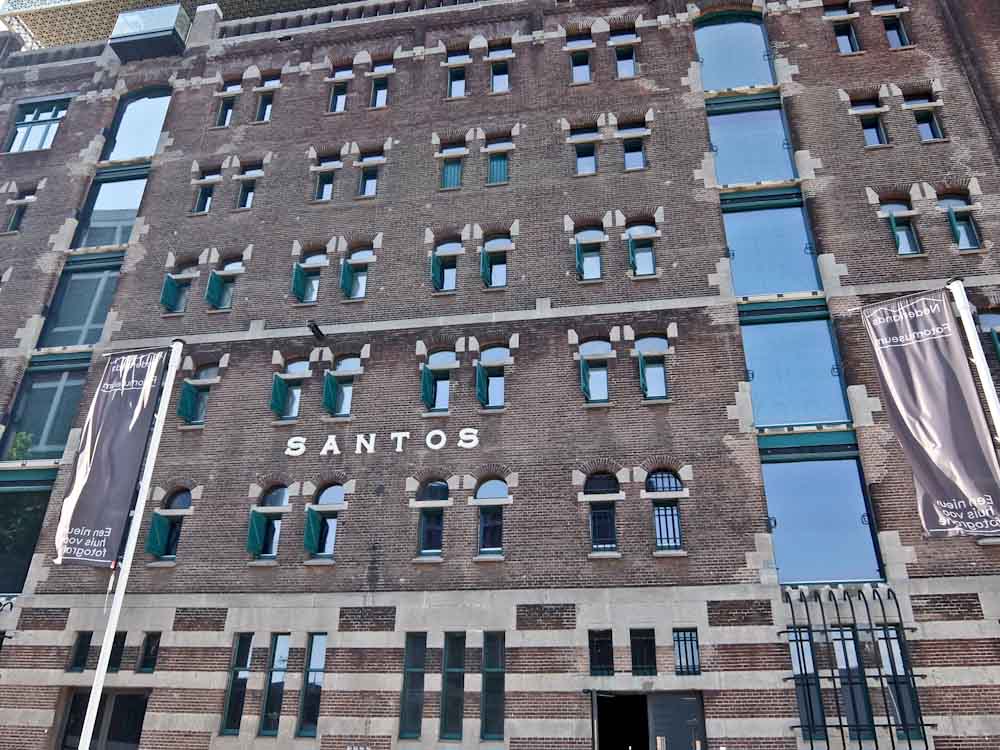
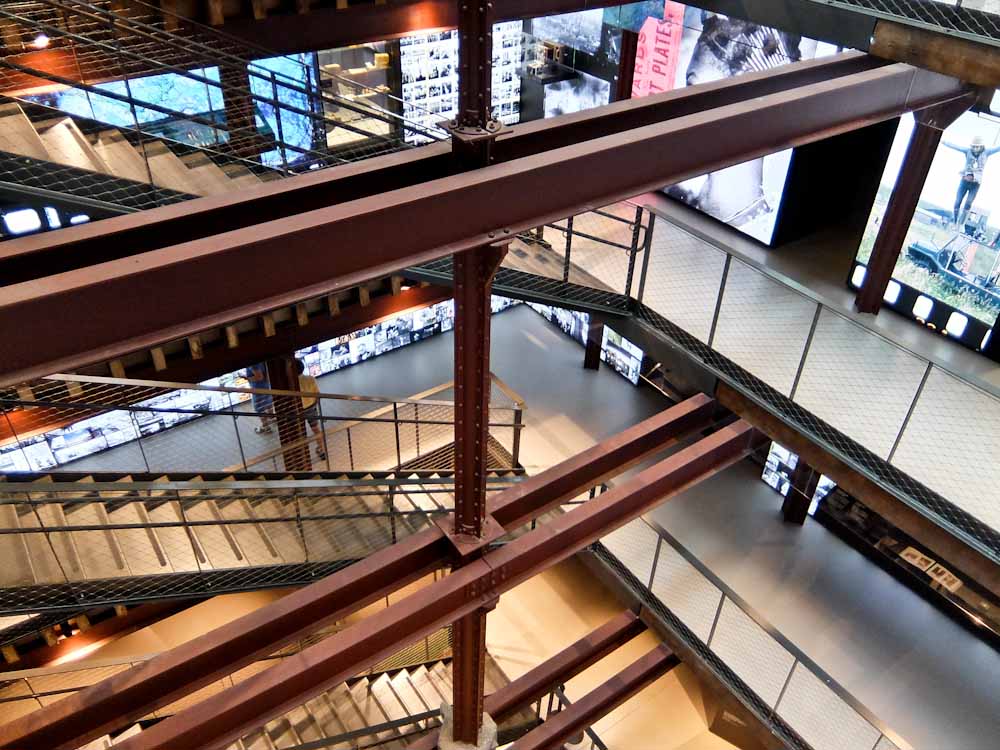
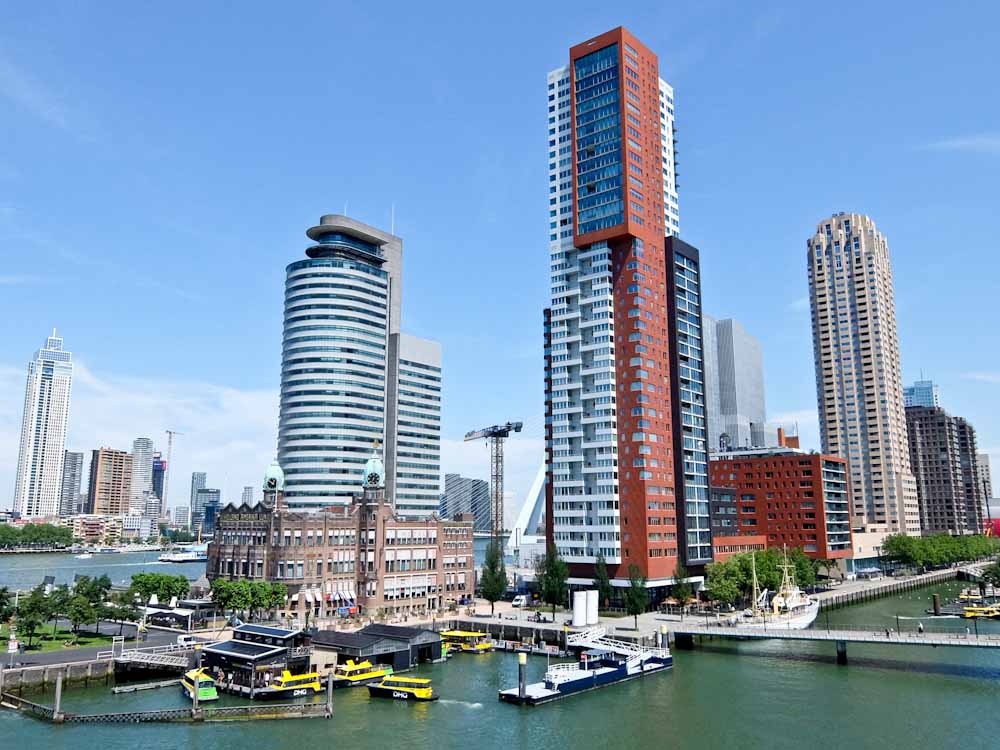
Rotterdam has long been a city where innovation and creativity shape the skyline. Now, one of its most exciting cultural attractions is the new home of the Dutch National Museum of Photography in the beautifully restored Santos Warehouse in the city’s Rijnhaven district.
Rotterdam
Rotterdam
Rotterdam
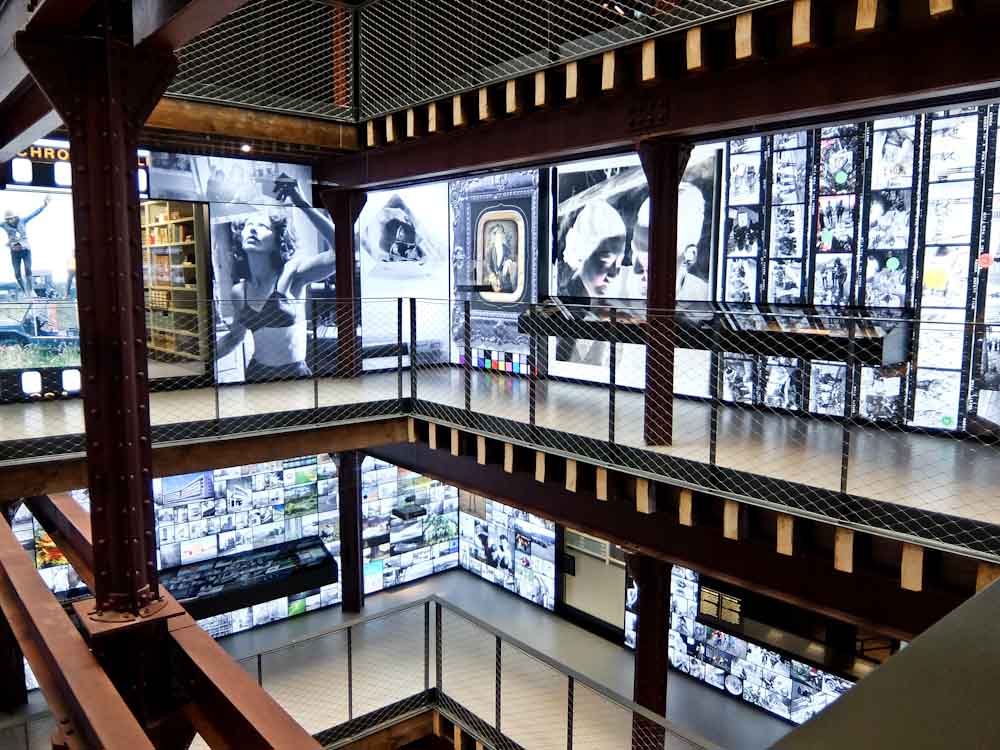
Housing more than 6.5 million photographs, negatives, and artefacts, this is one of the world’s largest photography collections. It explores both iconic Dutch photographers and emerging contemporary artists through changing exhibitions that showcase the evolving power of visual storytelling.
One of the museum’s most distinctive features is its transparent conservation and archive spaces. Instead of hiding restoration work behind closed doors, you see specialists working to preserve historic photographs with displays that explain the science behind it.
Rotterdam
Rotterdam
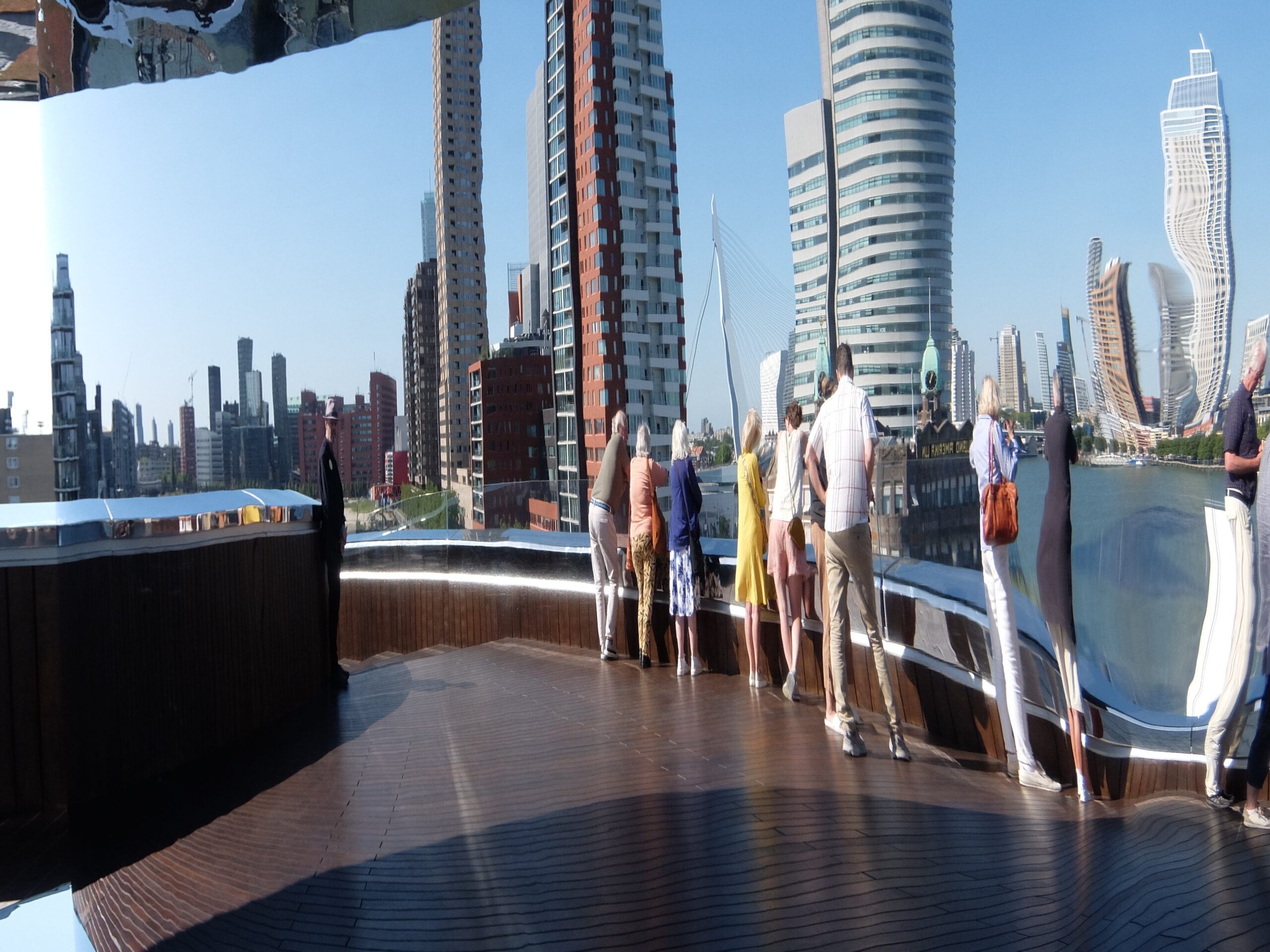
Even if photography is not your primary interest, the architecture alone is worth the trip. The renovated warehouse blends original industrial features with contemporary design, creating spacious exhibition spaces. Views from the huge windows, across Rijnhaven, connect the museum with the city’s waterfront history.
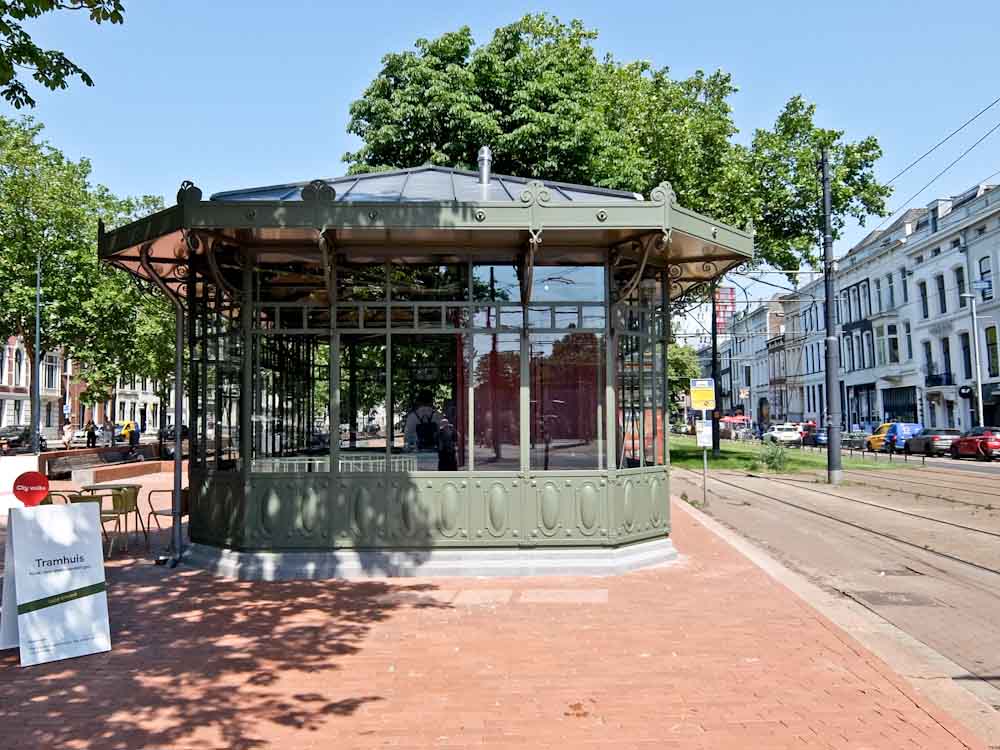
Rotterdam Tramhuis
The Tramhuis is a restored historic tram shelter on Eendrachtsplein in central Rotterdam. Today it functions as a kiosk for city walks, where you can pick up paper guides, download an app, or join hosted walks. The different themed routes cover architecture, art, history, and food, and there are plans for more.
Rotterdam
Rotterdam
Rotterdam
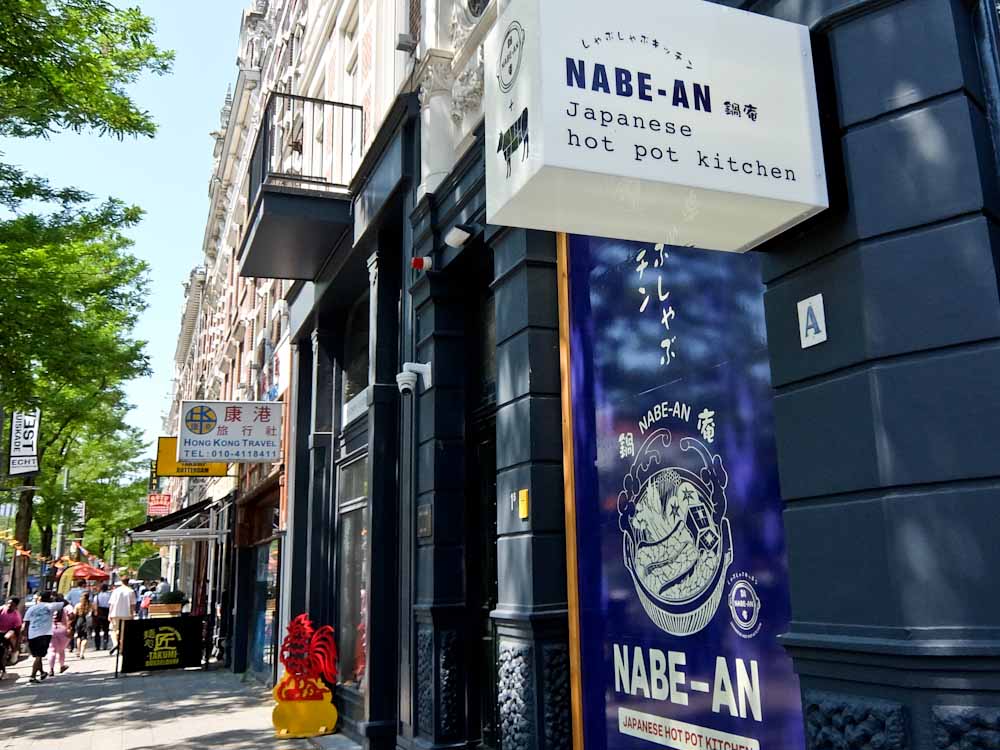
The Food and Cultures walk is a 5km wander through the city’s multicultural neighbourhoods. Rotterdam’s identity as a port city is deeply tied to migration and settlers, arriving from all over the world, have brought their food culture with them. It’s created a global food hub where almost every neighbourhood has a different taste
Rotterdam
Rotterdam
Rotterdam
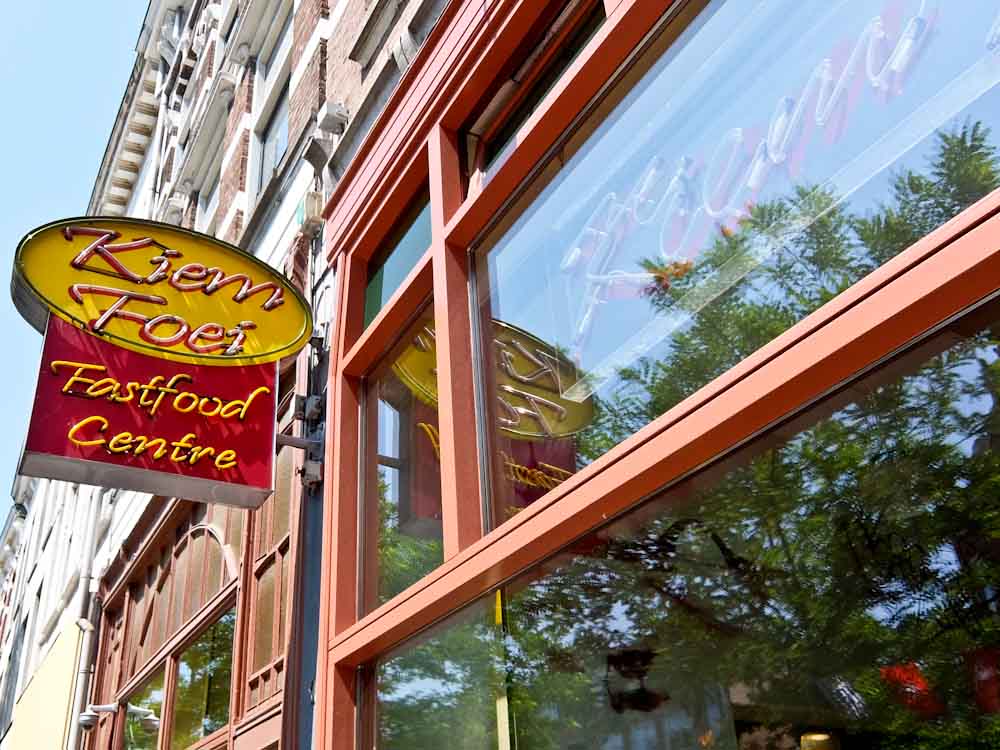
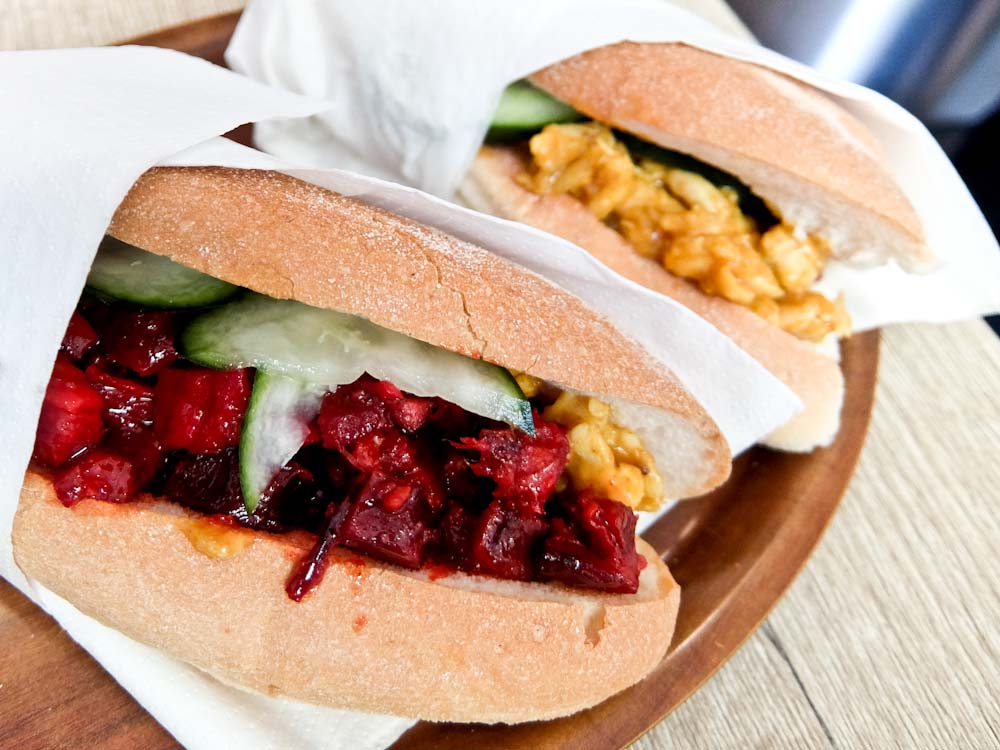
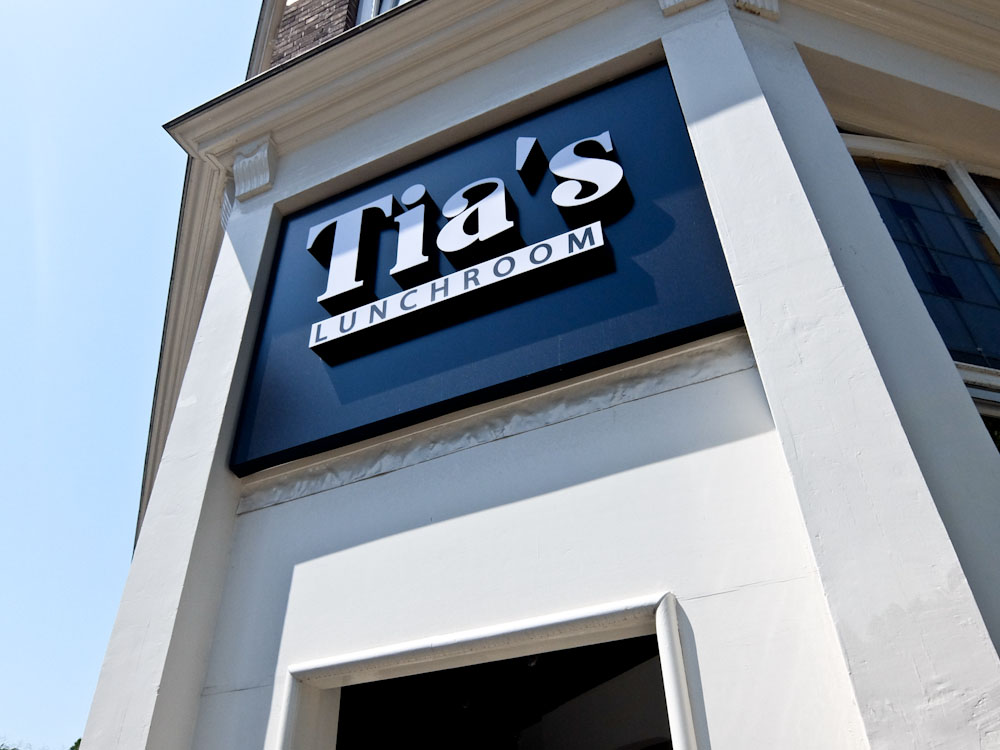
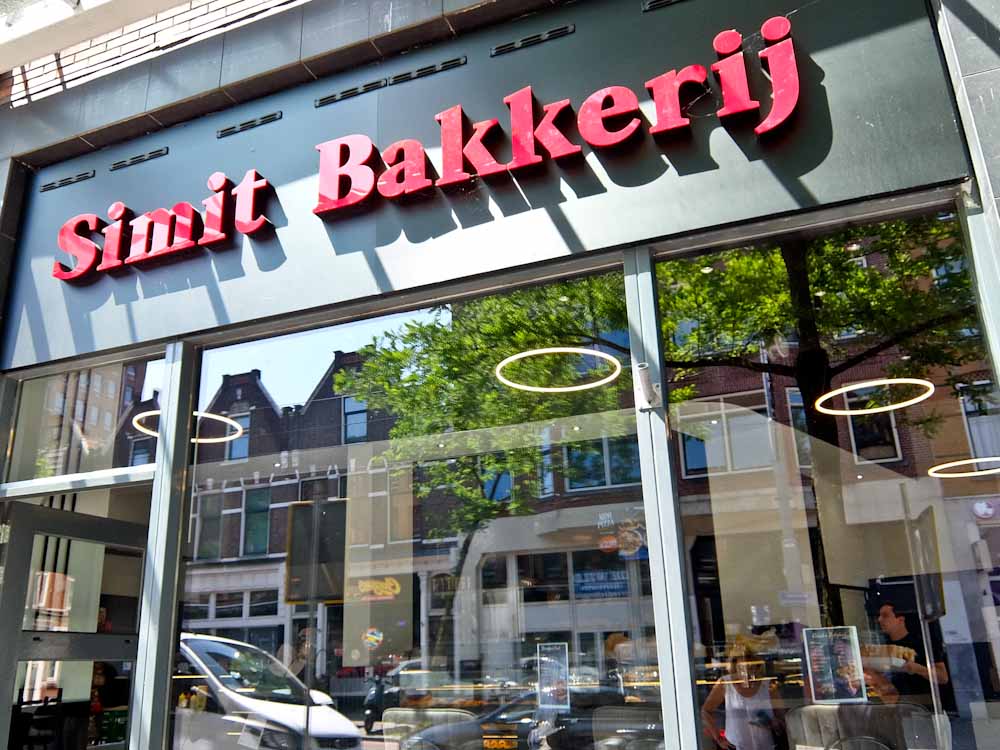
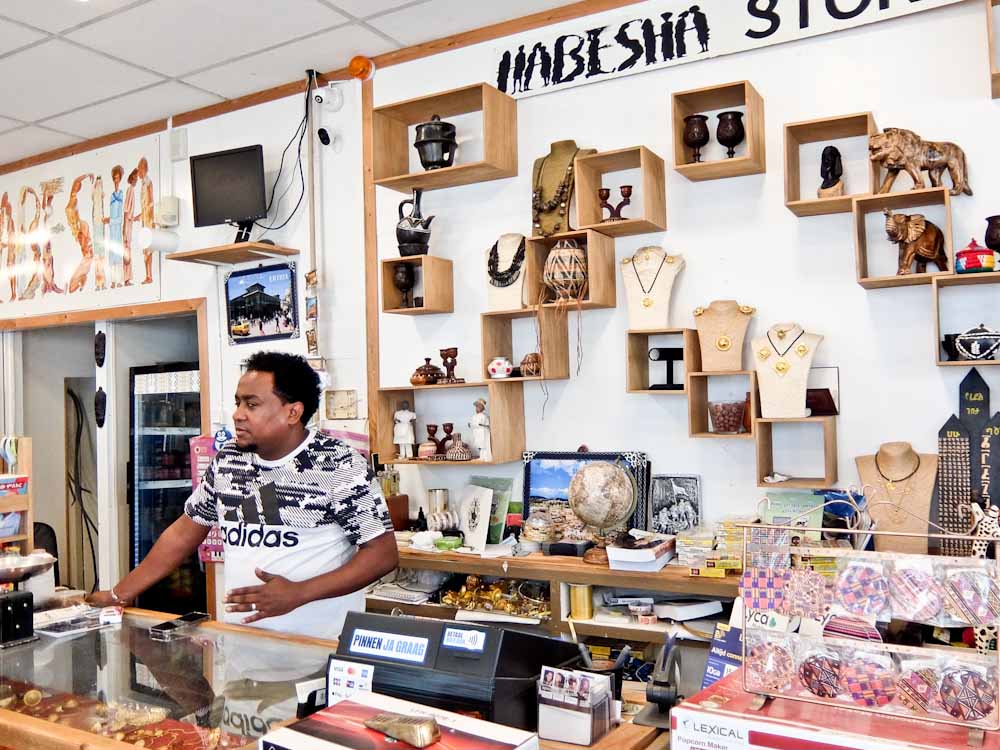
I set out on the walk, starting in the city’s vibrant Chinatown, full of restaurants and stores from all over Asia. Kiem Foel is a highlight with its range of Surinamese dishes including the Dynamite Roll, a spicy mix of chicken curry and roast pork. I carry on past the Ethiopian Habesha store, then a Turkish bakery and stop at Tia’s Lunchroom for some Cape Verdean fare.
Rotterdam
Rotterdam
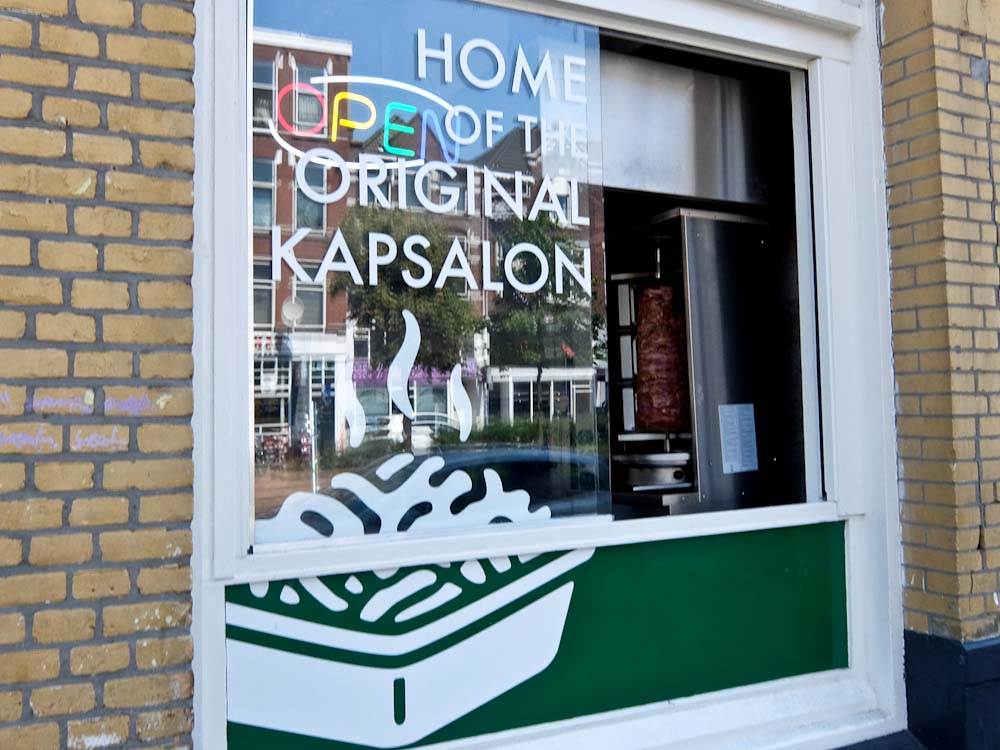
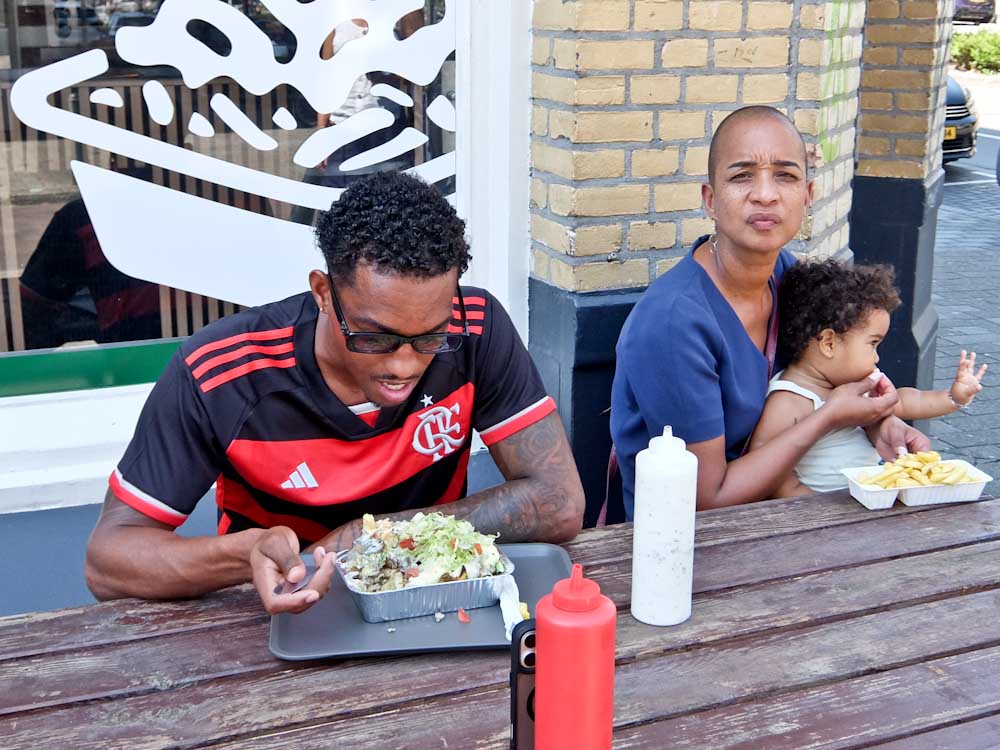
Kapsalon, a combination of fries, shawarma, melted cheese, spicy sauce and lettuce, is Rotterdam’s most famous dish, invented by a Cape Verdean barber, known as Tati. His shop is still there, although he’s sadly gone, but you can order the giant dish at the Turkish El Aviva restaurant next door.
Rotterdam
Rotterdam
Rotterdam
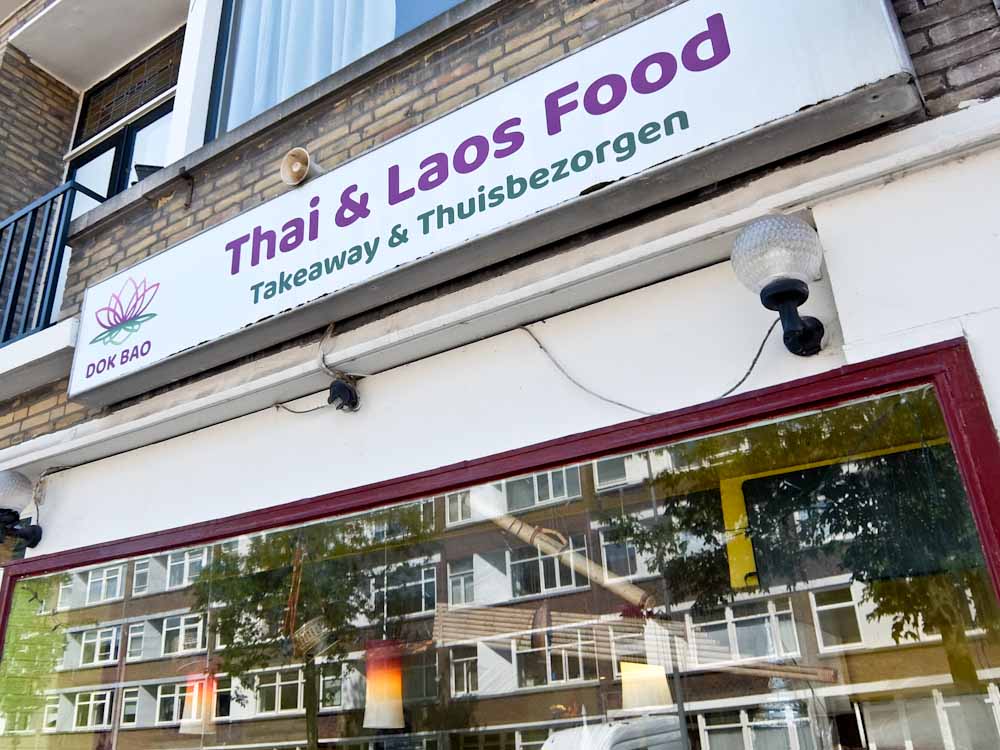
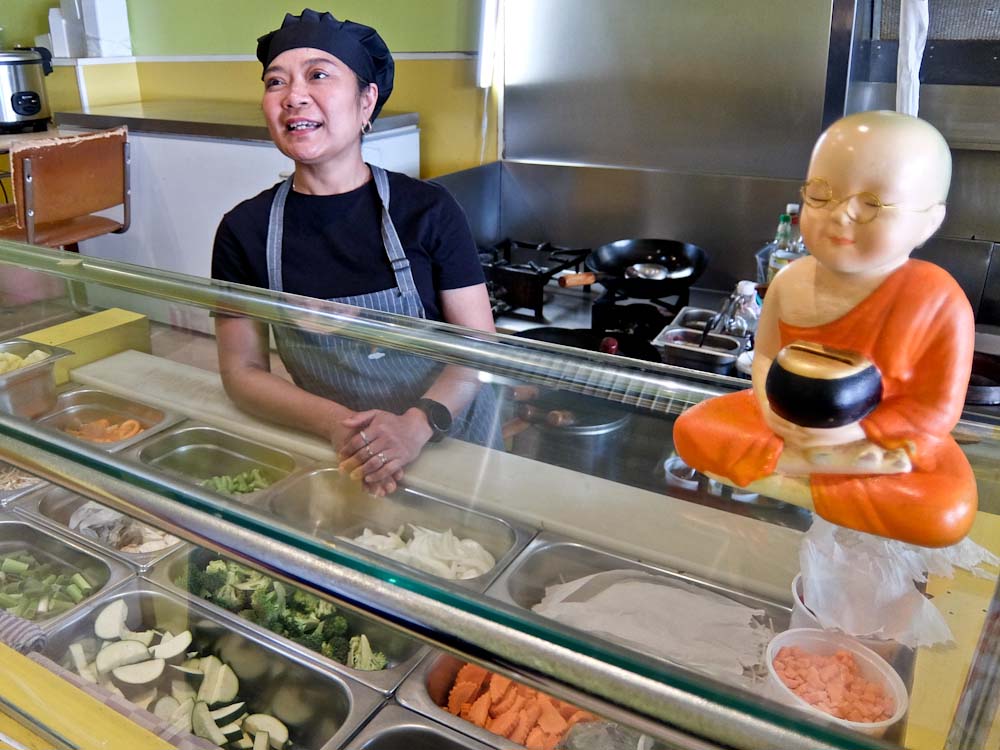
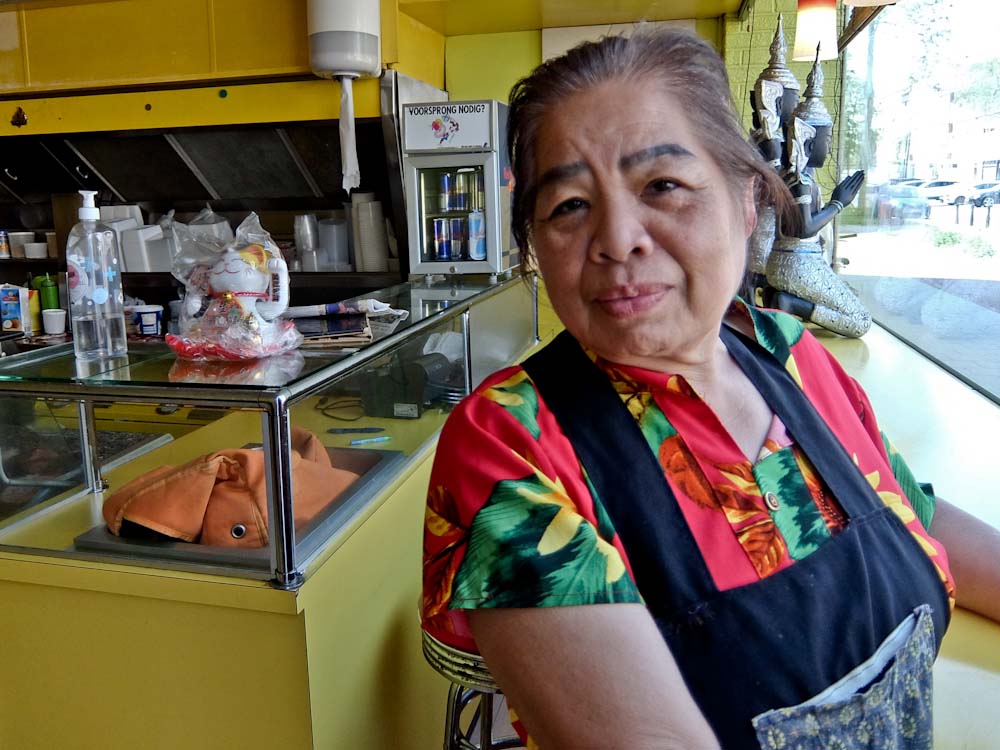
The final stop is Dok Boa, a family-run Laotian restaurant in Delfshaven. Although they also serve Thai food, the standouts are the Lao specialities. Try their Laap, a spicy meat salad, or sample their homemade Laotian sausage stuffed with fermented rice. Pace yourself throughout your walk, eating little and often, so you have space in your stomach for these final delicacies.
Como Restaurant in Kensington sits on a busy corner location on Kensington High Street, but once I passed under the red canopy through their doors, the contrasting tranquillity was both surprising and appealing.
It’s a warm welcome too on arrival and a sense of conviviality, the sort I have I’ve come to expect from owners Italian twins, Alberto and Adrian Zandi. Como Garden is part of a trio of lovely restaurants – check out the other two restaurants: Riviera and Bottega.
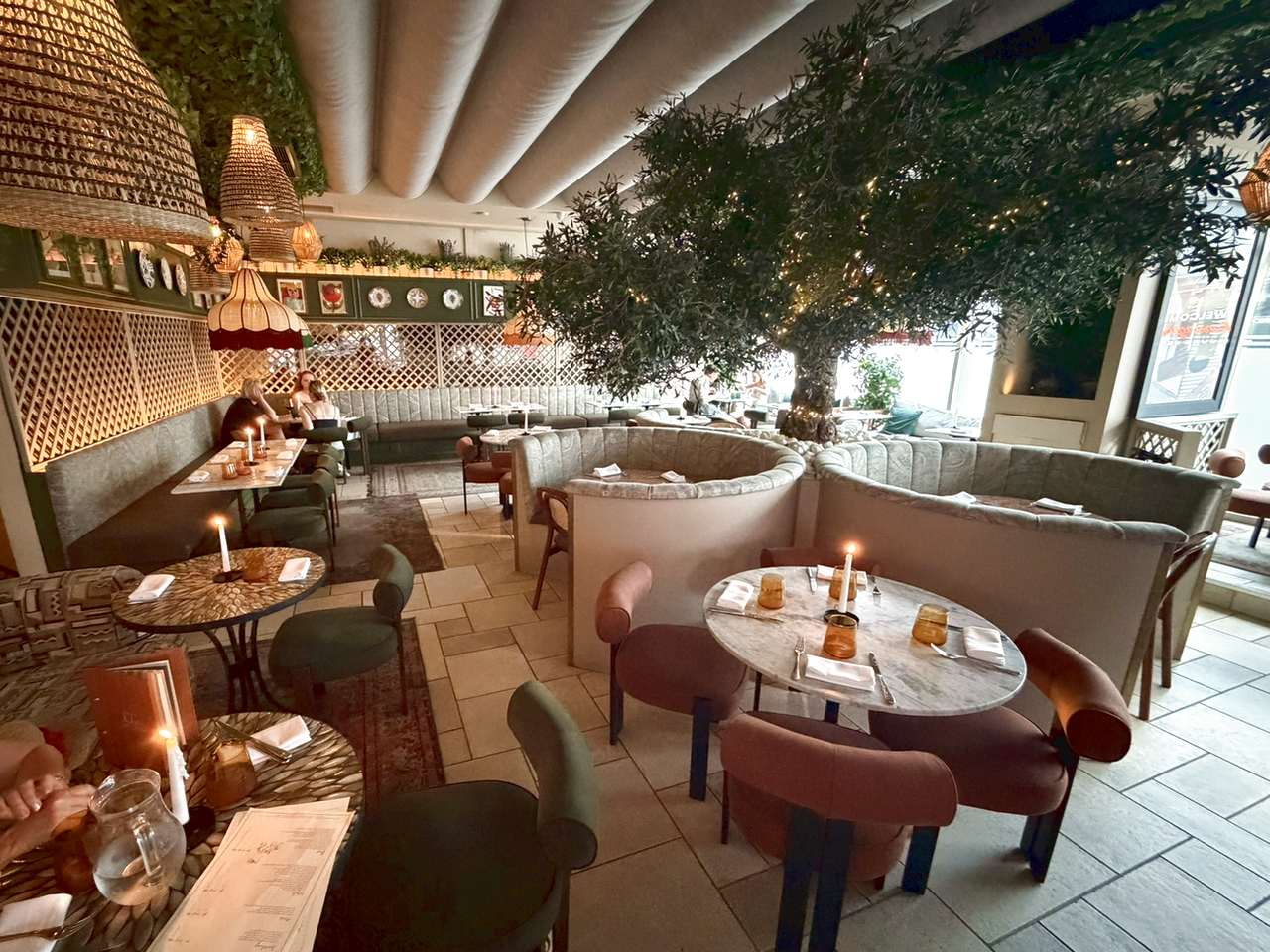
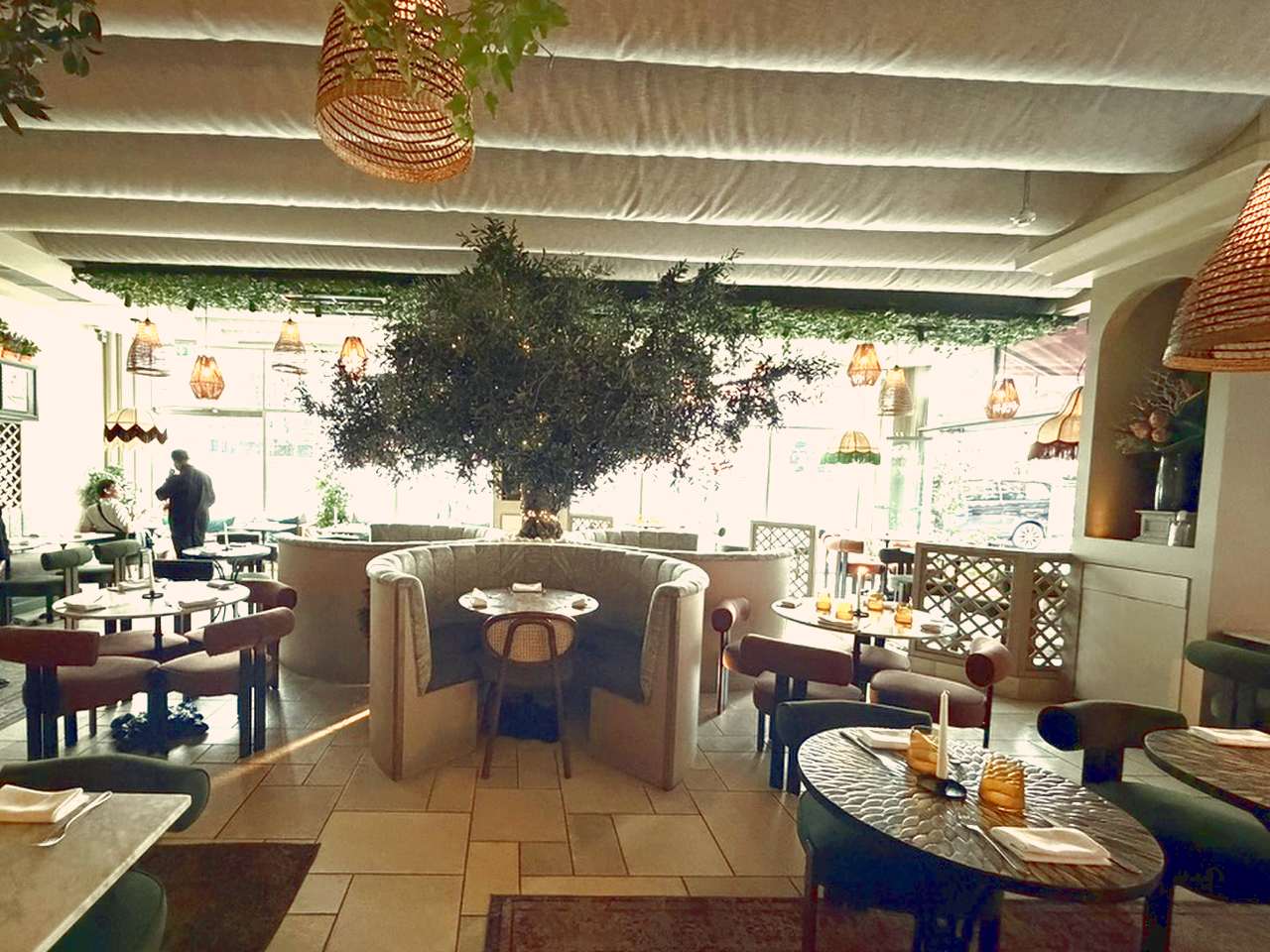
Como Garden has an attractive, almost terrace-like interior with wall trellises designed to evoke the essence of Italy’s Lake Como region. And with tables and booths circling a central olive tree, and lush greenery dotted around it’s easy to imagine that you are in an out-of-the-way eatery in the Lombardy region, especially after sunset and the daylight disappears.
The menu is, of course, Italian, taking you on a journey around Italy, including dishes from Sicily. Though the choice of seven pizzas (including my favourite, the Quattro Fromagie with Mozzarella, Gorgonzola, Parmesan, Scamorzaon) made the menu look ravishing, we decided to bypass those.
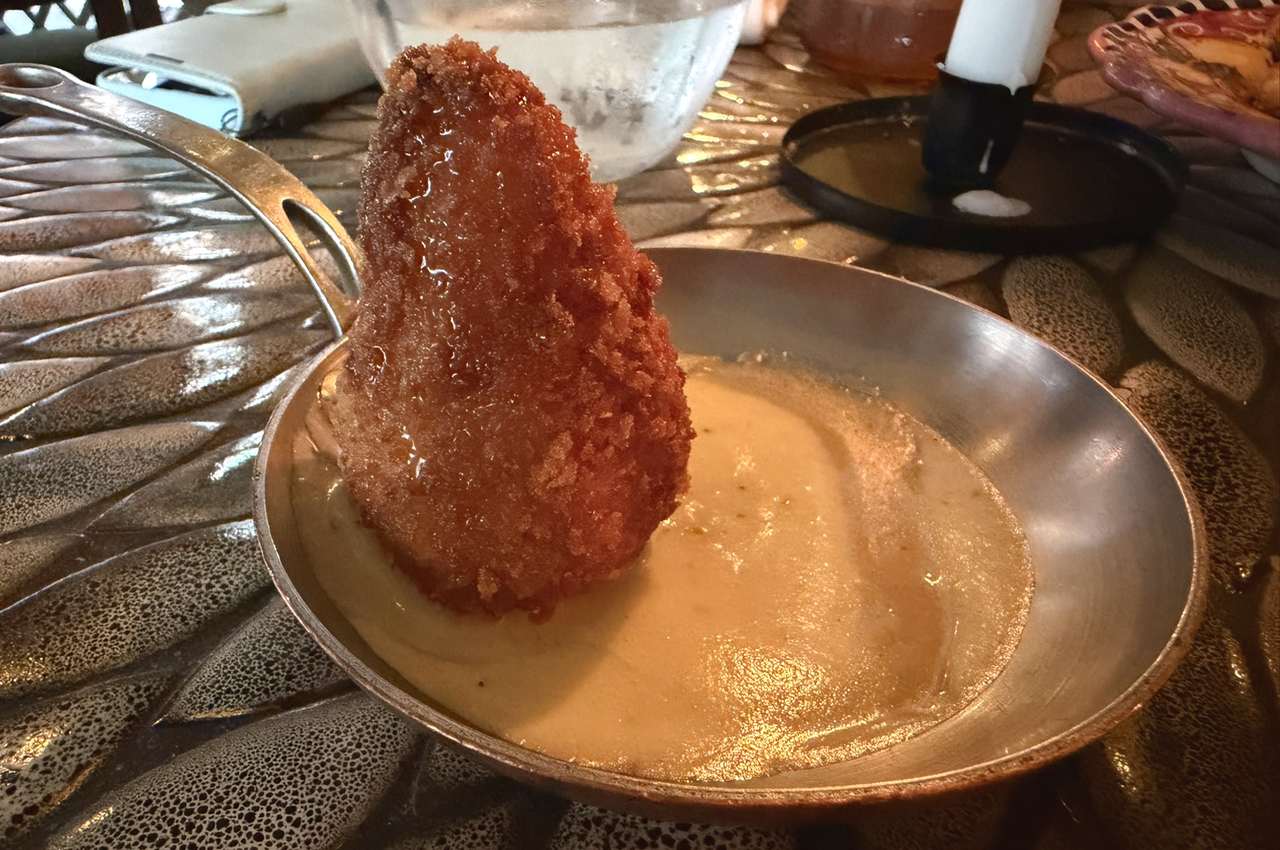
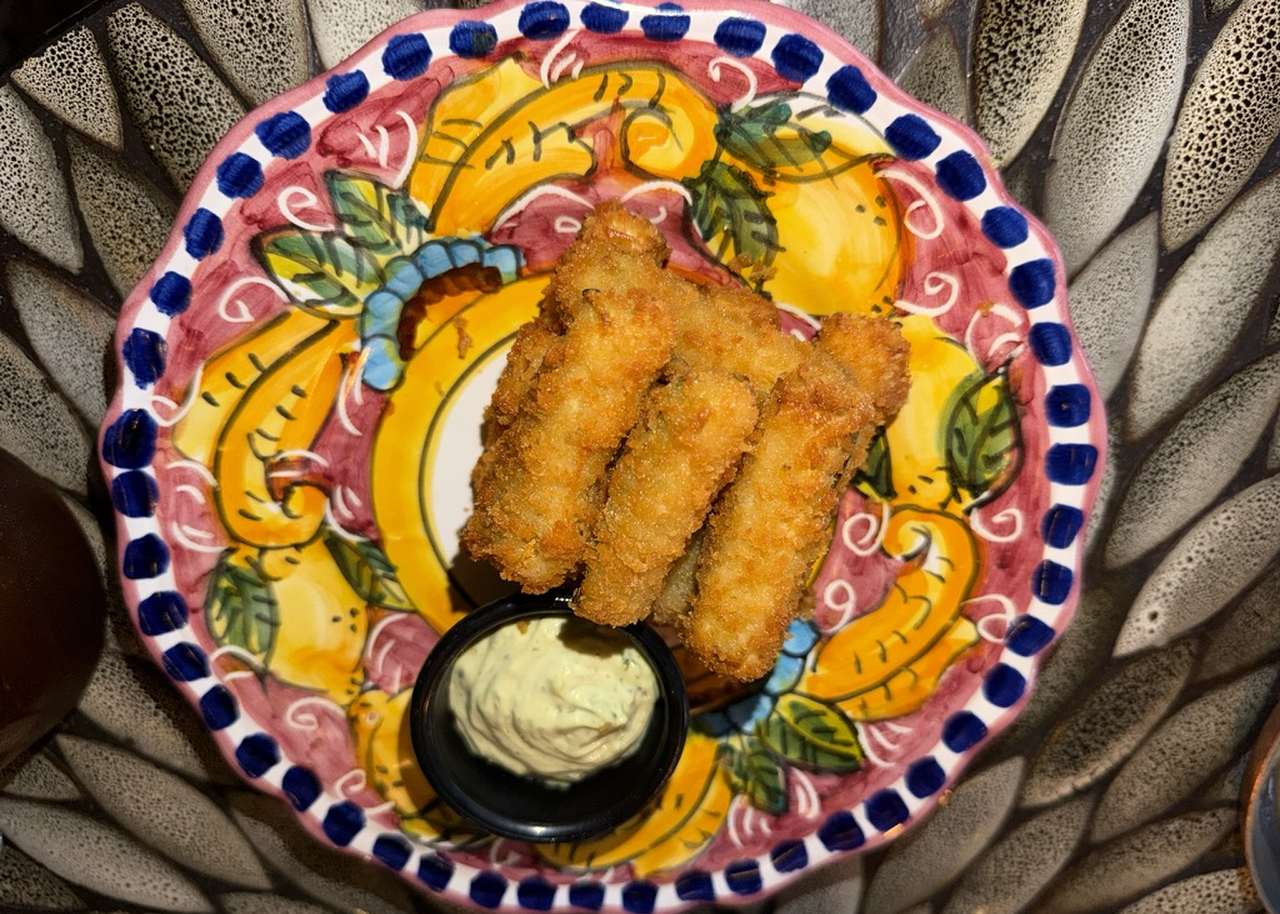
We started with cone-shaped Arancini – an excellent, perfectly crisp bite with just enough cheese and rice combo for a glorious bite and the delicious set of six stacked courgette zucchini fingers.
Cone-shaped Arancini
Zuchini
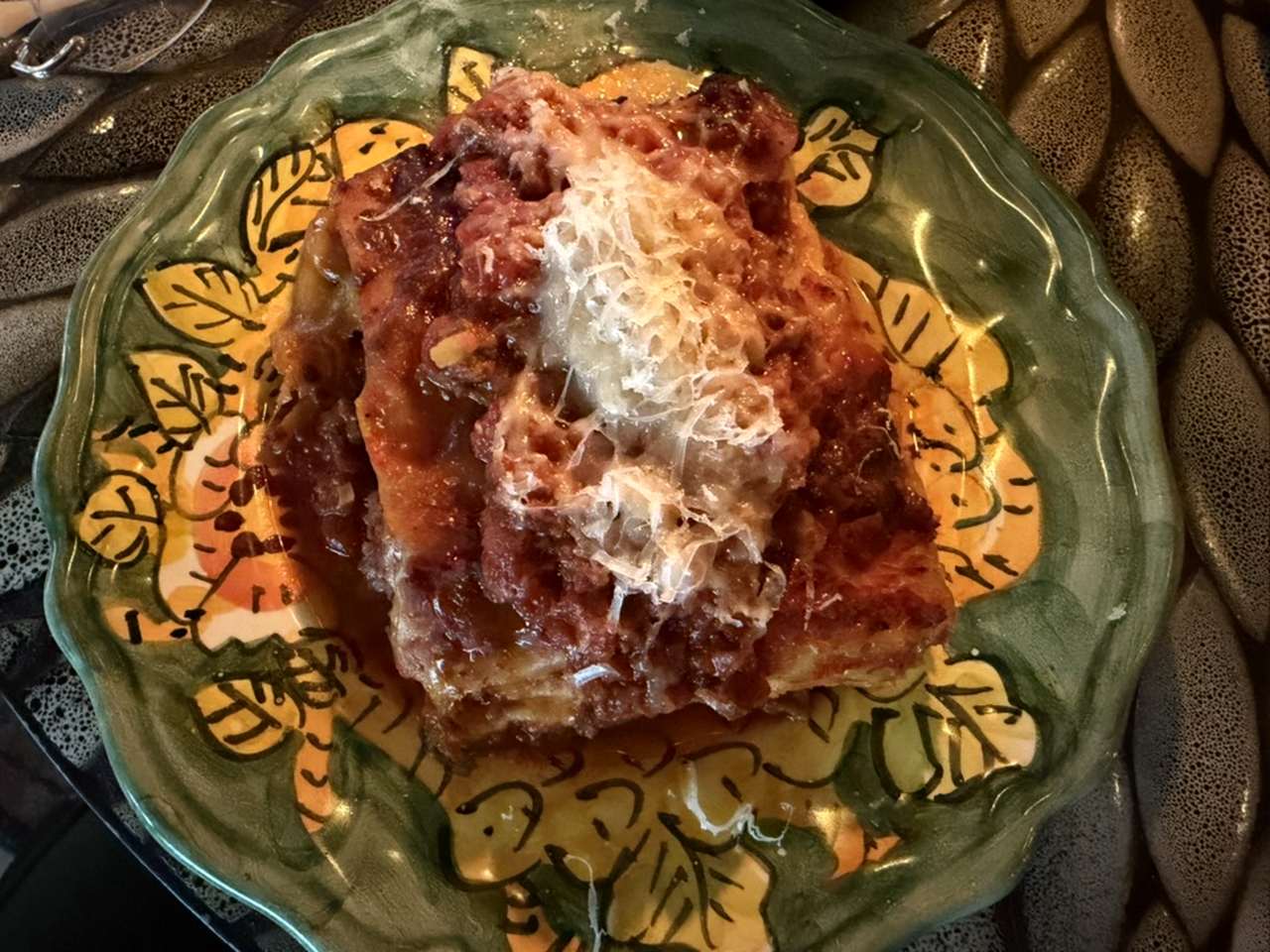
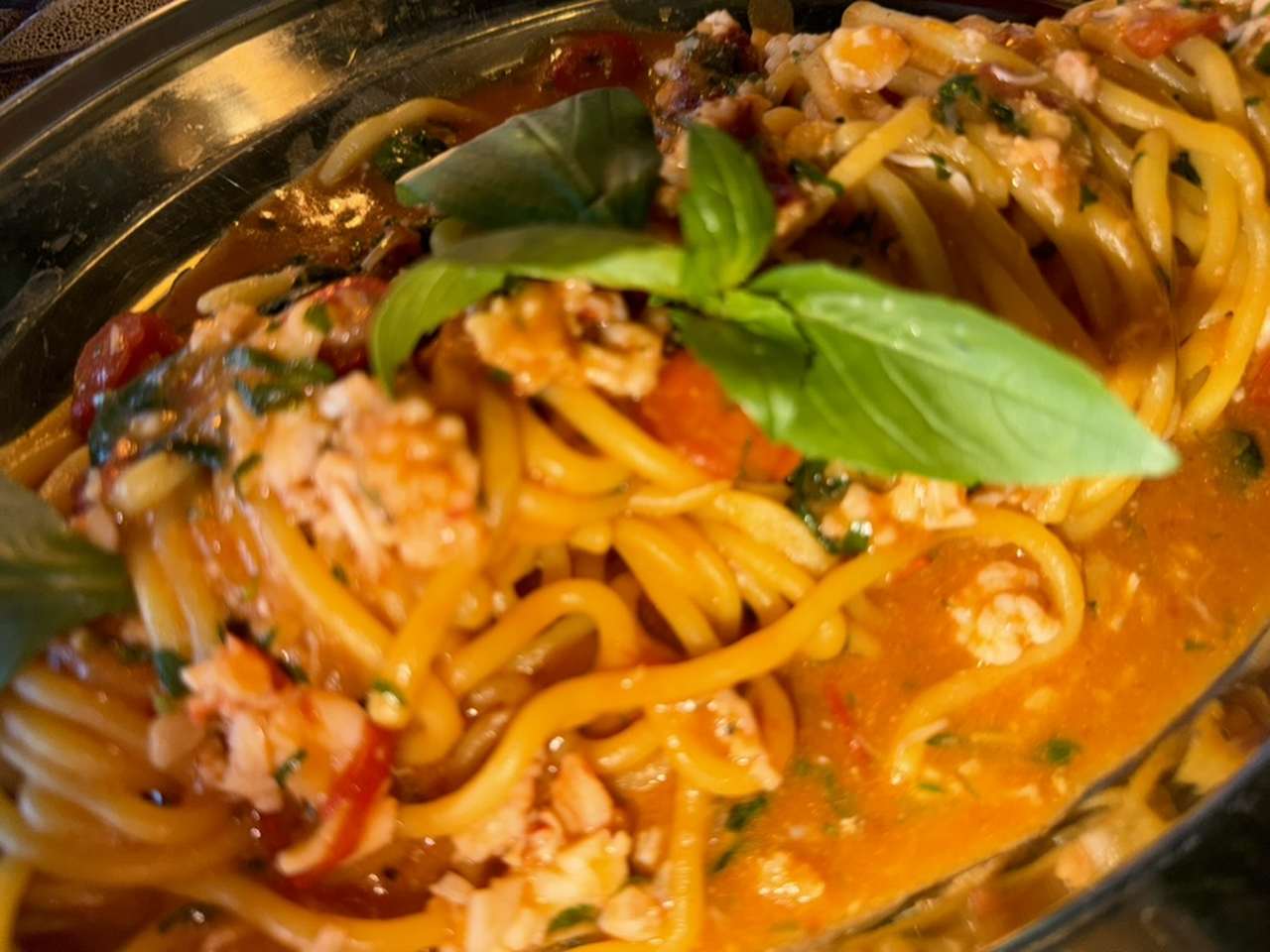
There’s an appetising choice of main courses including steak tartare, pan-seared seabass and chicken Milanese. We opted for the lobster spaghetti with basil and tomato and Beef Ragu lasagna with bechamel. Both dishes more than delivered on expectations of flavour and freshness.
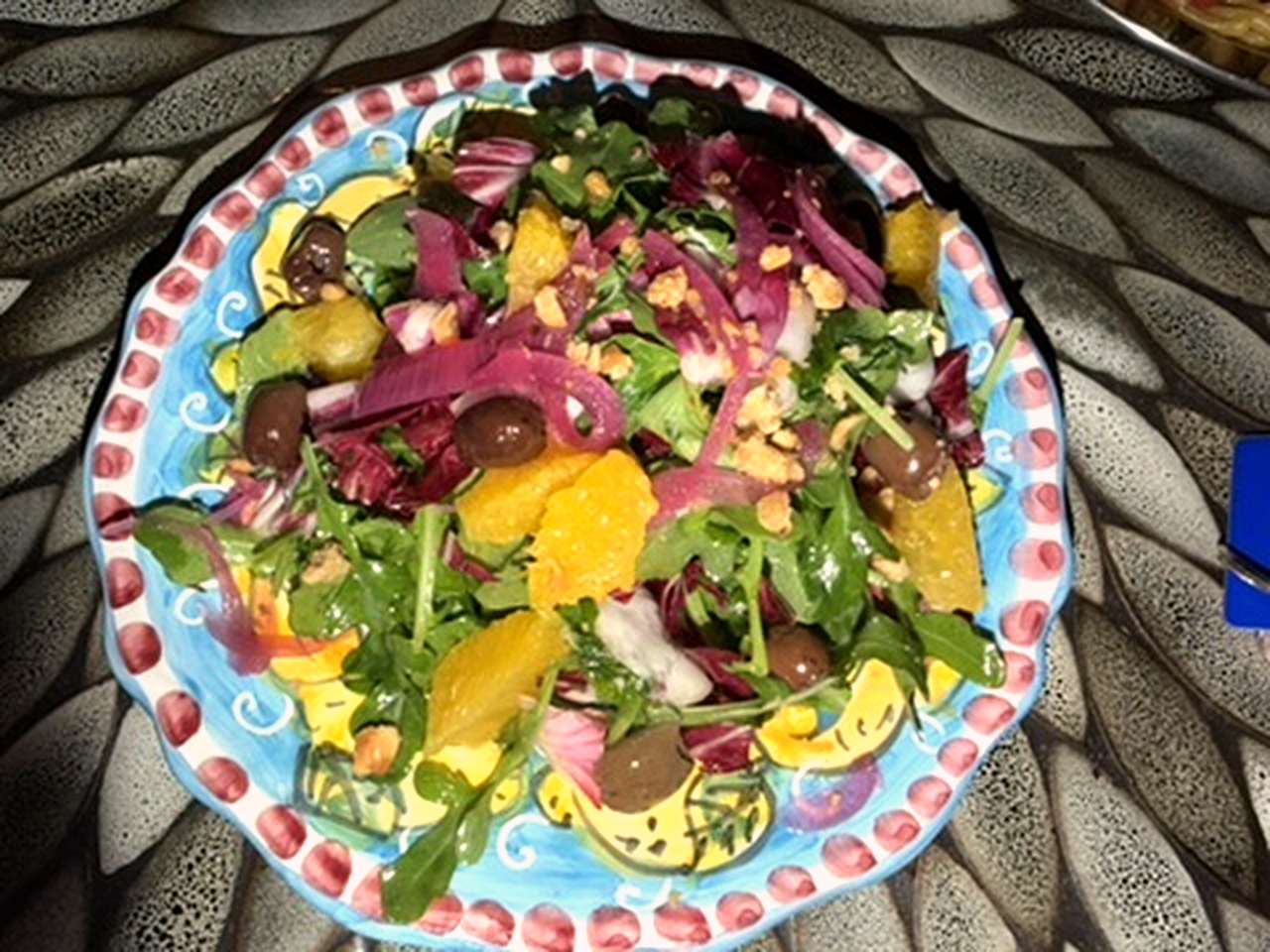
We also ordered the Sicilian orange salad, a mixed salad comprising segments of orange, pickled onions, olives and caramelised hazelnuts doused in a white wine vinegar, olive oil and honey dressing. This turned out to be a joyful experience for the palate.
Orange Sicilian Salad
Beef Ragu Lasagne
Lobster Spaghetti
Como Garden dish sizes are substantial, so we could not be tempted with a dessert even if the profiteroles with warm chocolate sauce and the warm focaccia with Nutella and strawberries were winking at us.
Verdict:
Como Garden restaurant is an ideal venue for groups of friends and even those looking for a little romance without too much fuss. Service is superb and the dishes are both substantial and delicious. It’s a thumbs up from me.
Need to know:
Location: 37-45 Kensington High St, London W8 5ED.