Jamaica has used World Tourism Day to officially launch World Travel Week Jamaica 2026, an ambitious new gathering designed to bring some of the biggest international platforms in travel, tourism and hospitality together in Negril.
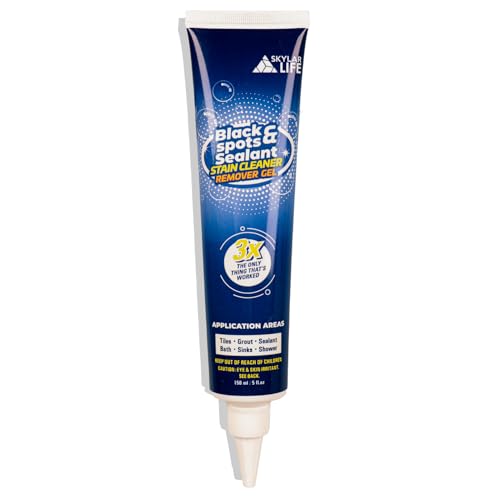
Having spent my entire adult life renting, I’ve had my fair share of grotty, mouldy bathrooms. And to remove said mould from my bath and shower grouting, there is one Amazon buy in particular that I always rely on to strip mould effectively, with minimal effort on my part. I’m talking about Skylarlife Home Mould & Mildew Stain Remover Gel (£13.99).
There’s a good reason this Amazon mould gel has been crowned one of Ideal Home’s best cleaning products. Its easy application, minimal scrubbing and effectiveness have made it one of my favourite ways to get rid of mould fast.
So much so that when I swapped one poorly ventilated bathroom for another last year, it was the first thing I reached for when it came to whipping my new bathroom into shape. Here’s why it’s the product I swear by to remove mould from grout.
SKYLAR LIFE
Skylarlife Home Mould & Mildew Stain Remover Gel
When my partner and I moved into our one-bed flat in June last year, it was pretty much perfect. My only little niggle was the lack of a bathroom window, but any Bristol renter knows that somewhat affordable rent coupled with a good location is few and far between.
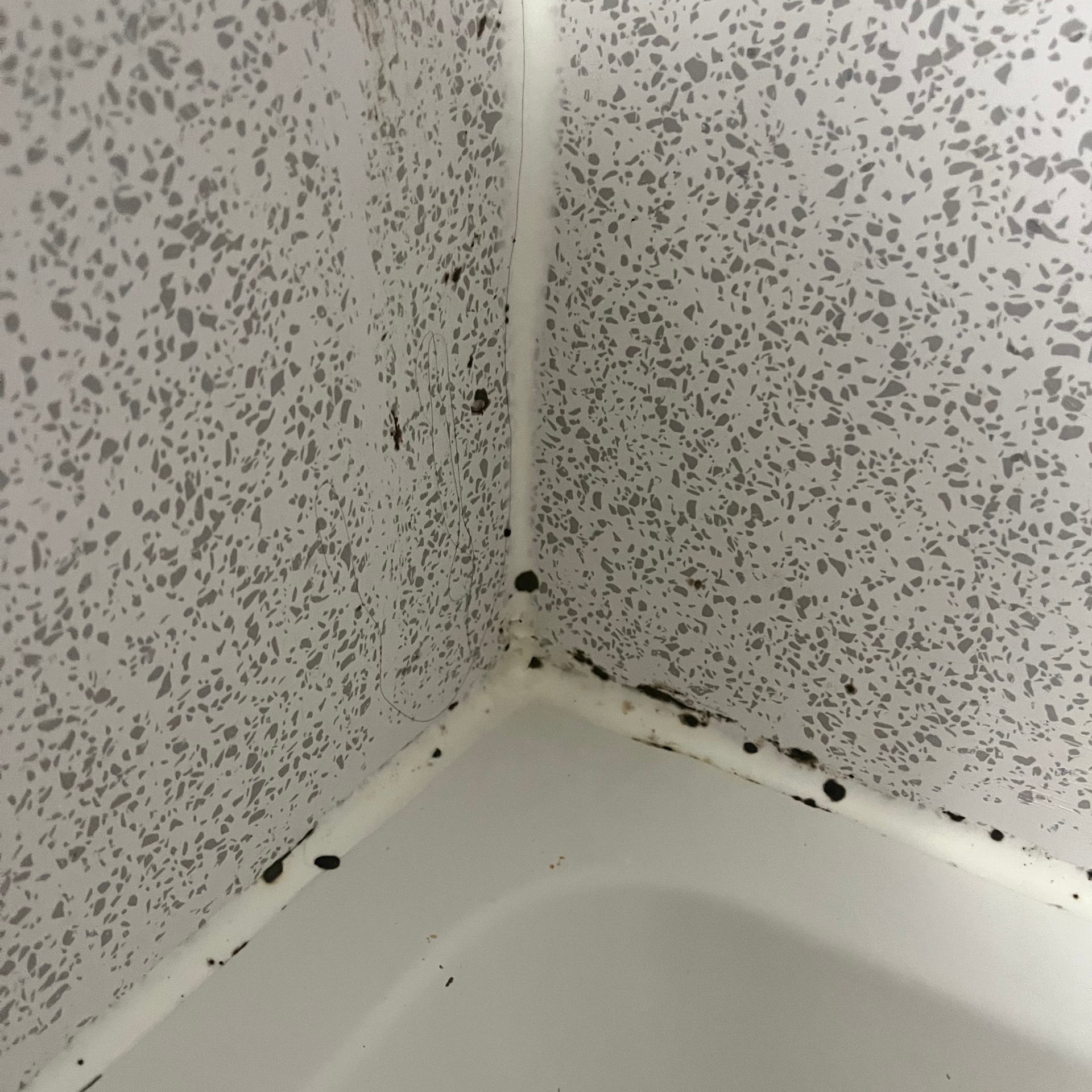
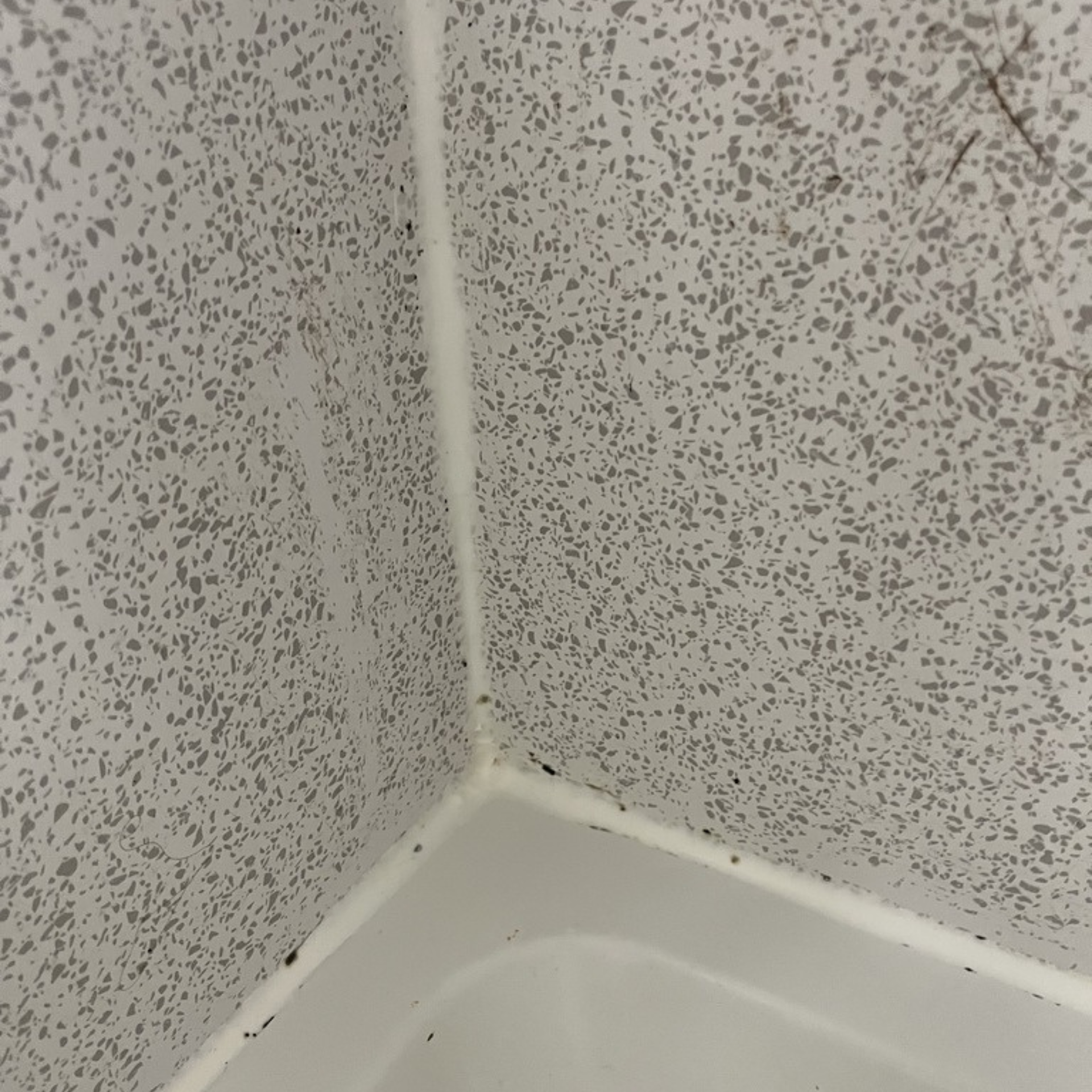
But when it comes to my grouting, sometimes it needs a little extra TLC, and this is where the Skylarlife mould gel comes into play. I apply a thin strip of gel to my sealant, wait six to eight hours and then use the shower head to rinse it away. And that’s literally it!
While I’d love to sit here and give you a full step-by-step, that is genuinely all I need to do. I usually apply it before bed, so it can rinse away in the morning or before I start work in the morning. And the results do speak for themselves. Sometimes there is a little mould left over, but I find this mould is easy to remove with white vinegar.
(Image credit: Future PLC/ Kezia Reynolds)
What I will say is that this product is a strong bleach, so you should avoid getting the gel on your hands and keep it out of the way of children. And of course, remember to wash it off your tiles before getting in the shower!
Mouldy bathrooms are unfortunately something we all deal with, especially in the colder months. I’ve found this mould gel to be the best thing I’ve tried. Honestly, I hate scrubbing away at bathroom tiles, and this gel allows me to clean my bathroom faster and more efficiently. If you feel like you’ve tried everything to clean mould grouting, I recommend you try this miracle buy before choosing to regrout.
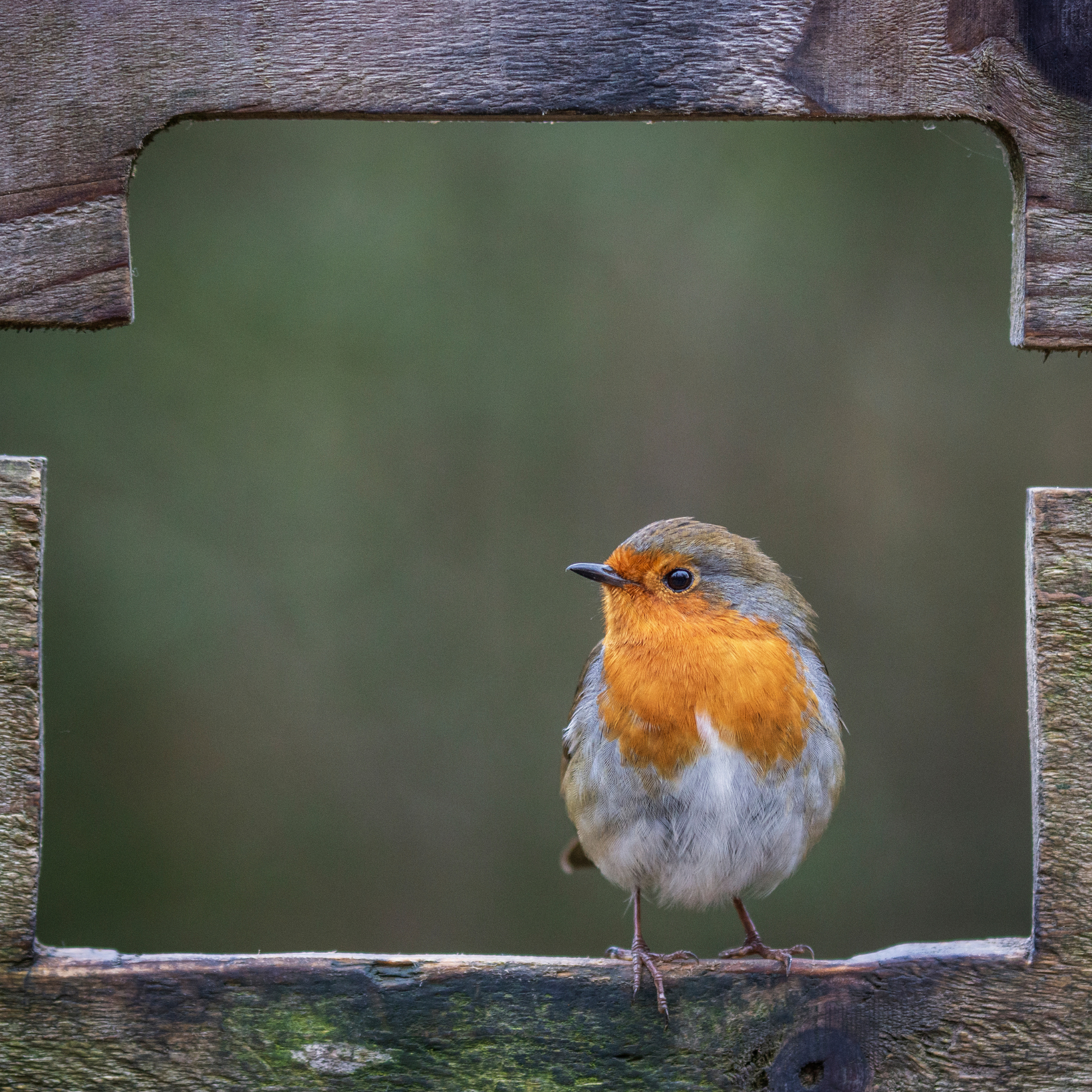
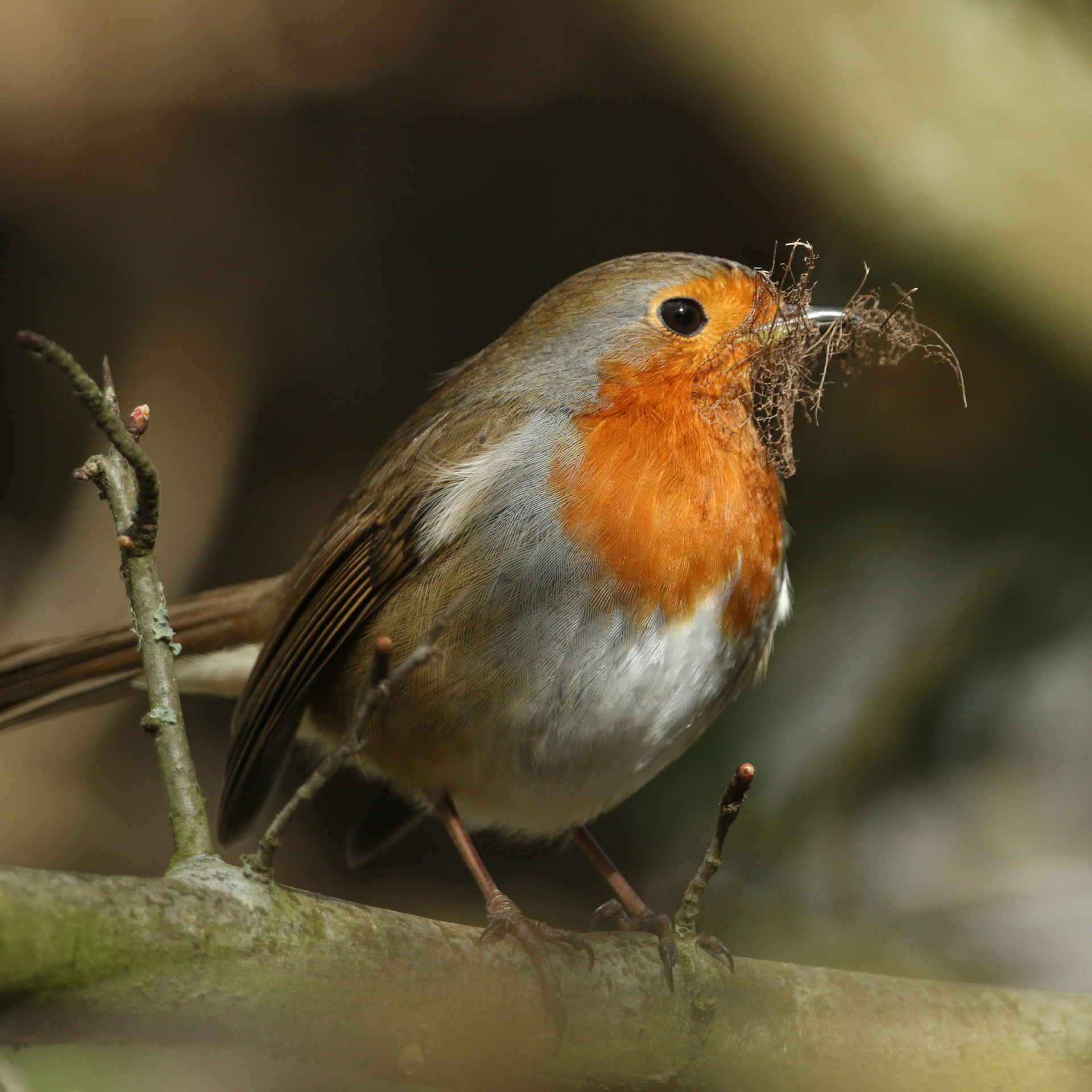
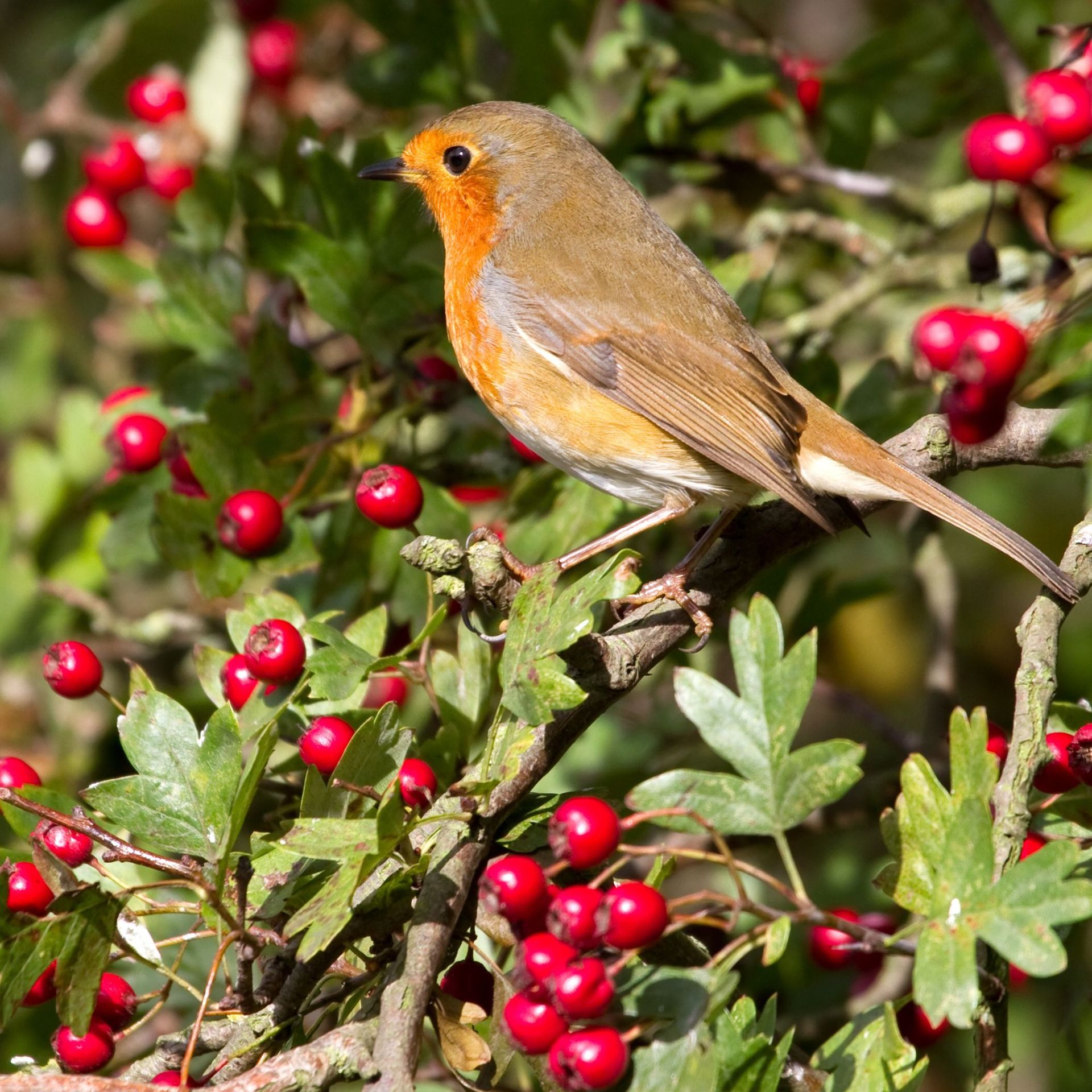
Robins may be the UK’s favourite bird, famous for their cheerful, red-breasted demeanour. But don’t let their good looks fool you. These little birds have a reputation for being territorial around resources, and if you’re having trouble ensuring all songbirds are getting access to resources in your wildlife garden this autumn and winter, experts are here to help.
Many gardeners love attracting robins to their gardens. Robins are not only instantly recognisable, but they are confident and chirpy and, of course, carry a lot of symbolism. But if you’re looking to attract all songbirds to your garden, you may have spotted that robins can get a little aggressive with each other and with other birds.
So, I asked wildlife experts what we need to do to ensure all birds get a fair shot at the food and water you provide during winter. And this is what they said.
Why do robins get territorial?
‘Robins are naturally very territorial birds; it’s in their nature and driven by survival needs. Even their red breast serves as a visual attack trigger. A garden can provide everything they need to defend, including food, shelter and potential nesting sites. Regardless of sex, robins hold territories and aggressively defend their patches against trespassers – even other robins,’ explains James Ewens, bird specialist at Green Feathers.
‘They’re especially protective of their garden if it has plenty of insects, worms, berries and suitable cover. It’s valuable, and we can compare it to having a house full of valuables that we don’t want to share. It’s totally normal and in their nature to have territorial behaviour, and leaving robins to it is one of the best things you can do.’
(Image credit: Getty Images)
If you’re wondering how to check whether robins in your garden are acting in a territorial way, there are a few tell-tale signs to look out for.
‘Robins use their loud songs as a warning to notify other birds and tell them to stay away. If singing doesn’t work, robins can physically chase away other small birds that have a similar diet, such as dunnocks. They may bully these birds at feeding areas to keep resources for themselves,’ says Lucy Taylor, a wildlife expert from Vine House Farm.
‘Robins can mistake anything that is bright red, including reflections, for a rival robin and will attack it. Robins use their bright red breasts to warn other birds, and will attack competing species that cross into their territory.’
What can you do to stop this?
As much as it’s lovely to provide a robin’s favourite food and tend to them in your garden, if you want to ensure other songbirds get a look in, all you need to do is ensure you are providing different feeding stations.
(Image credit: Getty Images/ Sandra Standbridge)
‘Robins aren’t generally trying to prevent every other bird from using the garden; many birds can feed in the same area if they use different foods, feeding heights and different areas of the habitat. If a robin has claimed a feeding spot, that’s theirs, though, and you better remember it!’ says James.
‘It’s important not to interfere too much with nature; it’s very normal for them to have territorial behaviour, but you can reduce the need to be territorial by providing a range of food and several feeding stations in different parts of the garden. Like separating enemies, you don’t want them in the same place. Give smaller birds places to retreat from a robin seeing red by planting dense shrubs, hedges and low vegetation to give them all some space.
‘It’s worth remembering that a robin defending a territory isn’t necessarily preventing other birds from using the whole garden. Removing a robin won’t help – we still love them as fiercely as they can be. Instead of interrupting nature, simply provide more food and shelter spots to reduce competition.’
(Image credit: Getty Images)
And if you want all birds to enjoy your garden space, it’s important to make it as bird-friendly as possible, such as bird-feeding plants and rewilding parts of the garden.
‘Plant berry-bearing shrubs in your garden to provide birds with food through autumn and winter, as well as planting seed-bearing flowers for seed-eating birds,’ recommends Lucy.
‘If you install nest boxes in your garden, ensure that you have hole-nesting boxes for blue tits, open-fronted boxes for robins and multi-layered or specialised boxes for other bird species.
Set up bird baths or water features in a safe, shaded spot of your garden so birds can drink and bathe. These should be refilled with fresh water daily and cleaned regularly to stop the spread of disease.’
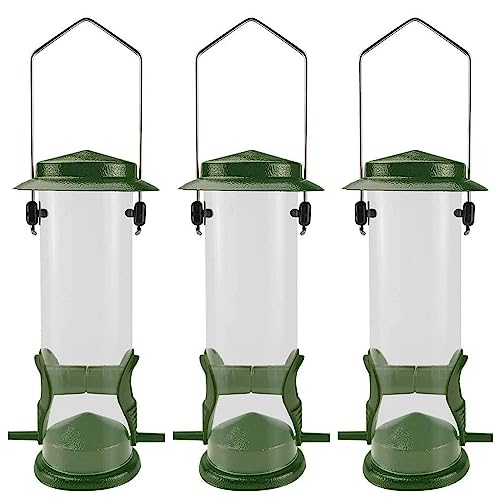
3-Pack Metal Bird Feeder Seed Feeders
Multiple feeders reduces the risk of robins fighting over just one source of food.
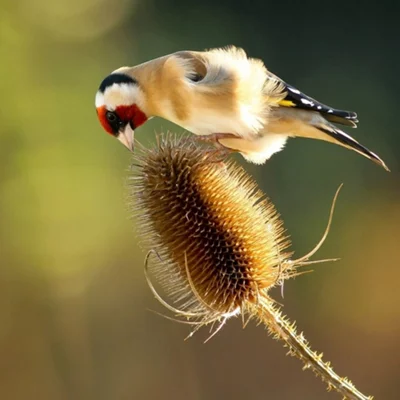
Dipsacus Fullonum Teasel 9cm Pot Perennial Wildflower Plant
Teasel is a great plant for feeding a multitude of different birds during autumn and winter – they love the seeds.
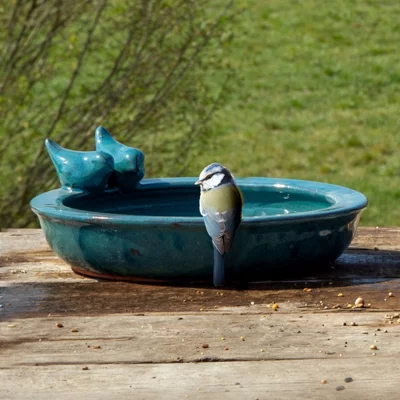
Bird Bath Ceramic Round (petrol Blue)
If you’re attracting birds to your garden, ensure you’re also providing a fresh source of water.
As James says, it’s best not to interfere with nature too much. But by offering multiple feeding spots as and access to multiple resources, you stand a better chance at keeping all your visiting birds happy.
Over the next few weeks, I’d like to share with you a series of short articles with quick photography lessons that I learned from photographing birds in Australia. Today is a tip from the Laughing Kookaburra about making the most of a good opportunity.