To mark the Phuket Vegetarian Festival, The Pavilions Phuket welcomes Chef Joshua Purwo Caroko, Executive Chef of REVĪVŌ Wellness Resort, Bali’s MICHELIN Key wellness sanctuary, for a special culinary collaboration with Executive Chef Arnaud Violtat.
This October, Pink Takes Over Naumi Hotels as the group comes together across its international portfolio to mark Breast Cancer Awareness Month, creating moments of awareness, connection and support for the cause.
From Singapore and Dubai to New Zealand and Australia, Naumi teams will be wearing pink ribbons throughout October, while participating hotels bring the campaign to life through pink-themed experiences, fundraising initiatives, dining offers and guest activations.
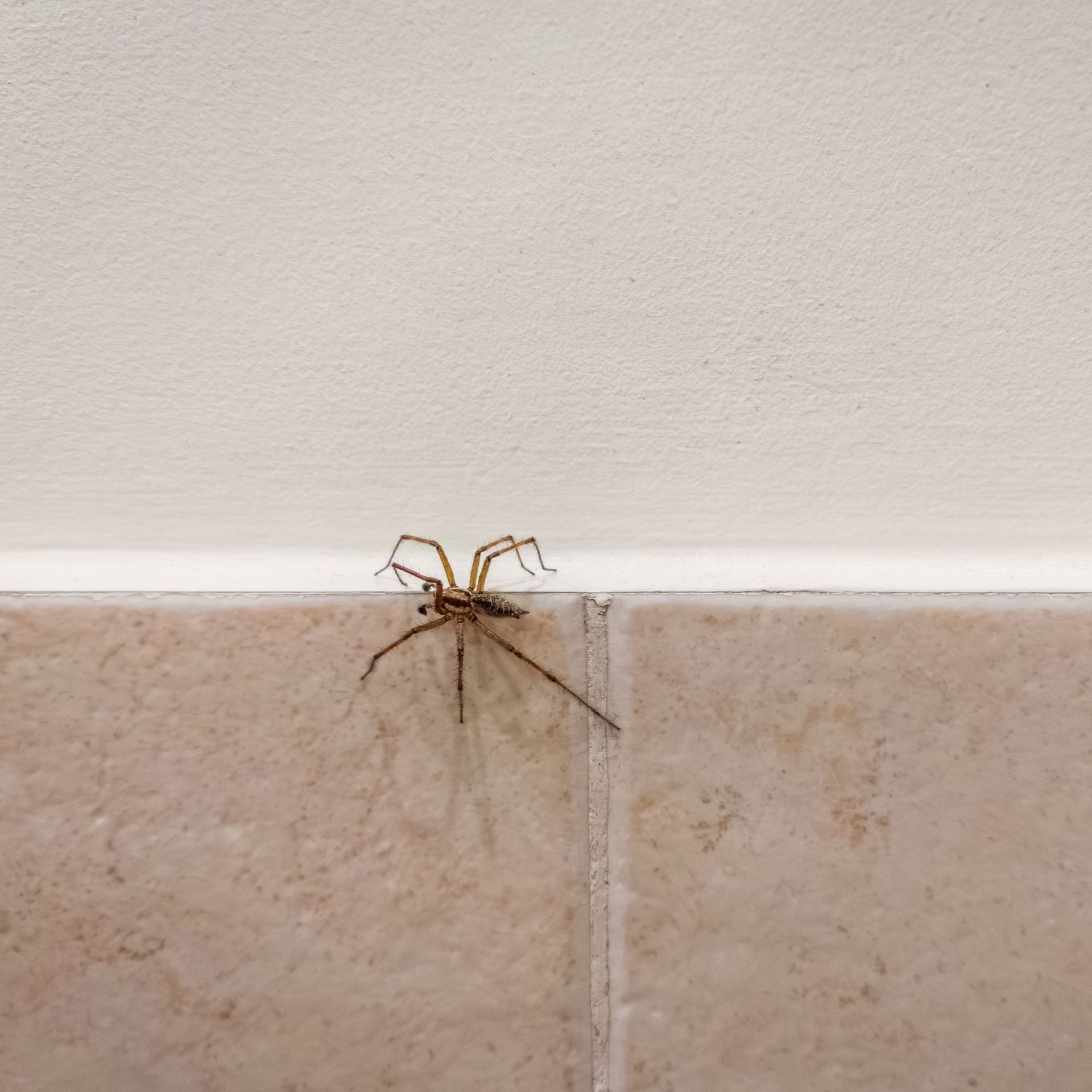
Autumn is officially in full swing, and while most people love the falling leaves and cooler weather, the change of seasons also means that spider activity is at its peak. If, like me, you’re desperately searching for a way to keep eight-legged critters out of your home, experts are recommending a simple hack using one secret ingredient that you probably already have in the back of your cupboard.
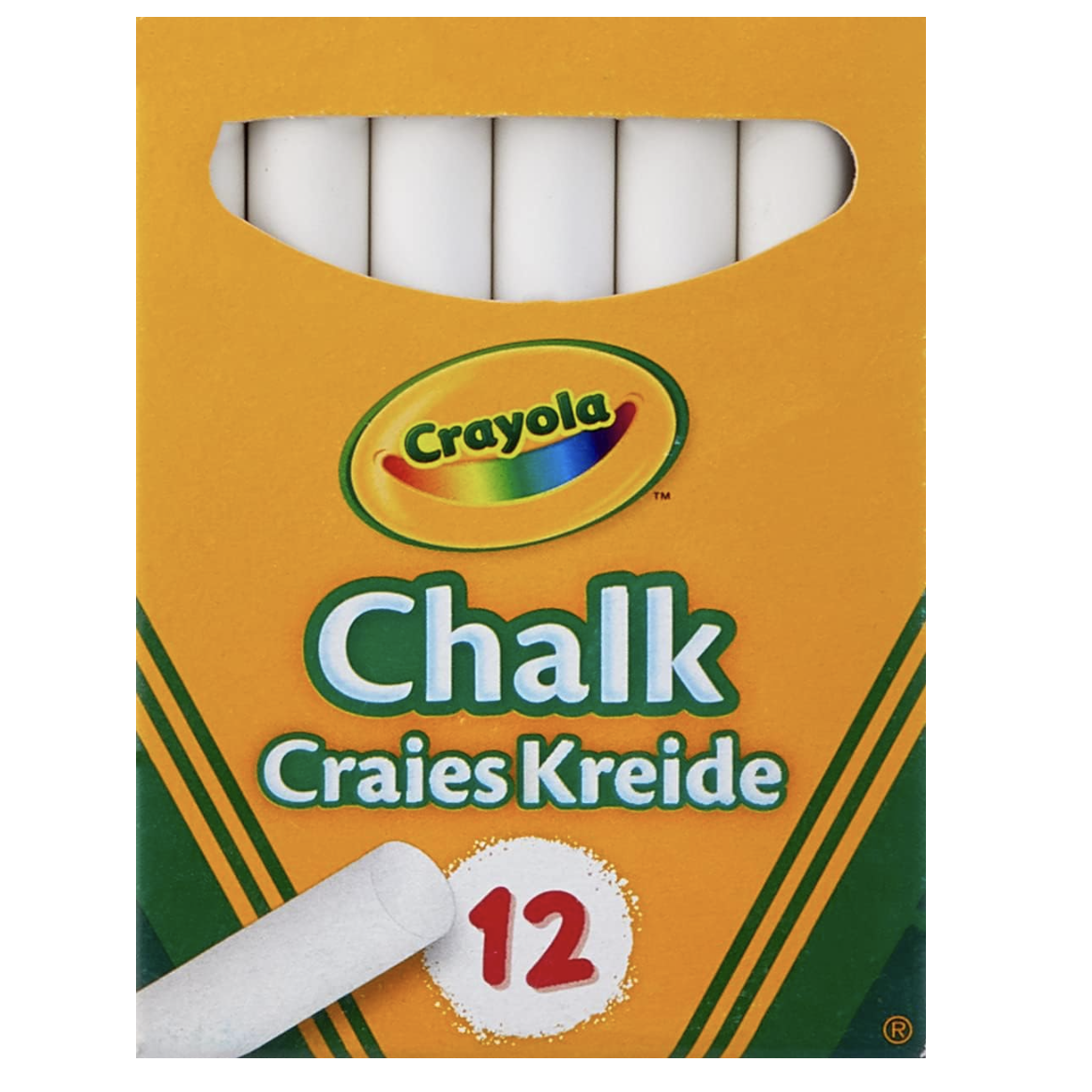
There are many methods that you can try to get rid of spiders in your home, but this latest hack focuses on creating a deterrent at entry-points in your home to stop spiders from gaining access in the first place. And it’s as simple as using a stick of chalk to draw a spider barrier – here’s all you need to know.
How can chalk deter spiders?
Chalk is an effective home remedy to get rid of pests, like ants. And it turns out that spiders don’t like it either. ‘Spiders have chemoreceptors on their feet that detect surface chemistry as they walk. Chalk, which is calcium carbonate, creates a dry, alkaline surface that is deeply unpleasant for spiders to traverse,’ explains Mosh Latifi, co-owner of EcoCare Pest Management.
‘The texture of chalk also disrupts the grip of spiders’ tarsal claws, which they use to navigate surfaces confidently. The combination of chemical irritation and physical discomfort makes spiders reluctant to cross a chalk line, even if they can clearly detect a space beyond it,’ adds Mosh.
With this in mind, experts are urging us to draw chalk barriers around entry points to the home to help reduce the presence of spiders. To do this effectively, it’s important to identify where spiders are entering our homes from.
(Image credit: Future PLC / David Giles)
‘The most useful places to draw a chalk barrier are around likely external entry points, such as door thresholds, window frames and small gaps where spiders may be getting inside,’ explains Emily Green, home maintenance expert at Howarth Timber. But chalk can also be effective when used inside the home too.
‘Indoors, chalk can be used around windowsills, doorways and gaps around frames, where it should remain undisturbed for longer,’ says Emily. ‘But test the chalk on a discreet area first as it can mark some surfaces.’
With autumn marking the start of spider season, early October is the ideal time to put your barriers in place to see a drop in spider activity. ‘Draw your barriers now, in early October, which is peak spider mating season when males are actively moving around and looking for a way indoors. A dry day will give the best result as chalk on damp stone or wood is less effective and degrades more quickly,’ says Mosh.
It’s also worth noting that, in order for the chalk barrier to do its job, you have to keep them in good condition. ‘Chalk barriers degrade with moisture, foot traffic and cleaning, so it needs to be refreshed regularly to remain effective,’ says Mosh. ‘It might not make spiders permanently avoid an area but, if consistently maintained, it creates a meaningful deterrent.’
Are chalk barriers effective?
There’s no denying that spiders hate chalk, and while a barrier can deter them from entering your home, it might not work for every spider. ‘Chalk is often suggested as a simple way to deter spiders because the dry, powdery surface may make an area less appealing for them to cross. However, I would think of it as an extra deterrent rather than your main line of defence,’ says Emily.
(Image credit: Getty Images / PATSTOCK)
Chalk will work well to reduce spider numbers somewhat, but it might not be enough to keep them out entirely. If you don’t want to take any risks, then it’s worth also addressing the things that make your home inviting for spiders. This includes reducing bright lights in the evening, managing humidity and moisture in your home, and being mindful of clutter.
Try a layered approach
In fact, it’s often thought that chalk works best as a layered approach, alongside shutting windows and implementing scents that spiders hate. Spiders are likely to view open windows as an open invitation into your home. So, as well as securing your windowsills with chalk barriers, it may also be worth implementing a spider curfew, just in case. And spray scents like eucalyptus or peppermint around entryways for extra defence.
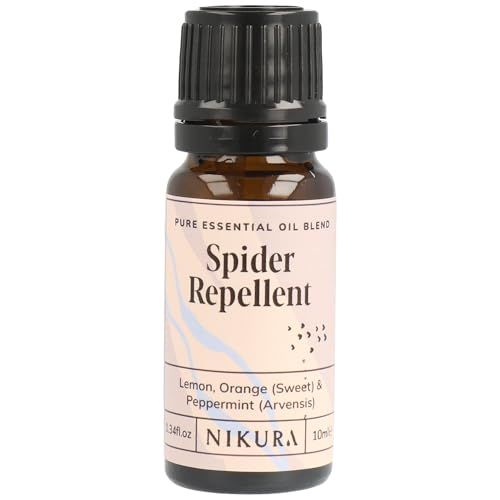
‘Combine chalk with peppermint oil spray along the same entry points and make sure any visible gaps in door frames or window seals are physically sealed,’ suggests Mosh. ‘The chalk will deter spiders from crossing, the peppermint oil makes the area unpleasant to approach, and sealing gaps removes the entry point entirely. Each method reinforces the other.’
Crayola
Crayola White Chalk
Nikura
Spider Repellent Essential Oil Blend
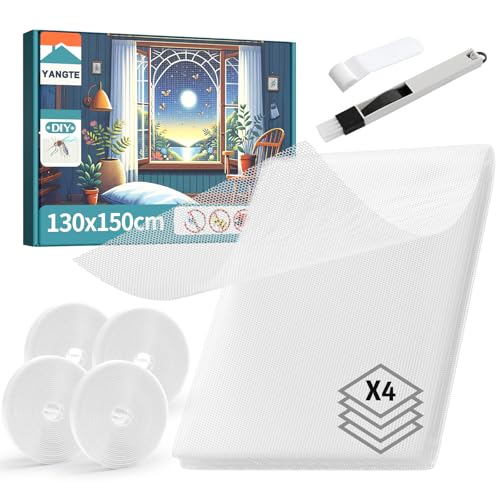
Yangte
Insect Mesh for Window
If you enjoyed reading this, sign up for the Ideal Home newsletter for all the latest home decor trends and inspiration delivered straight to your inbox
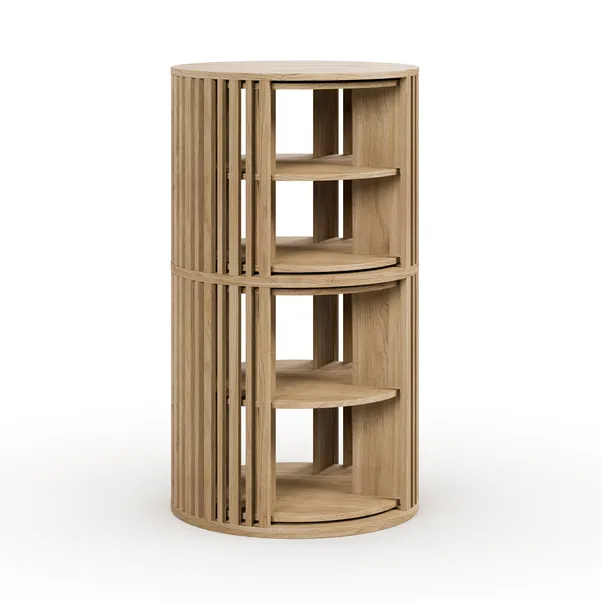
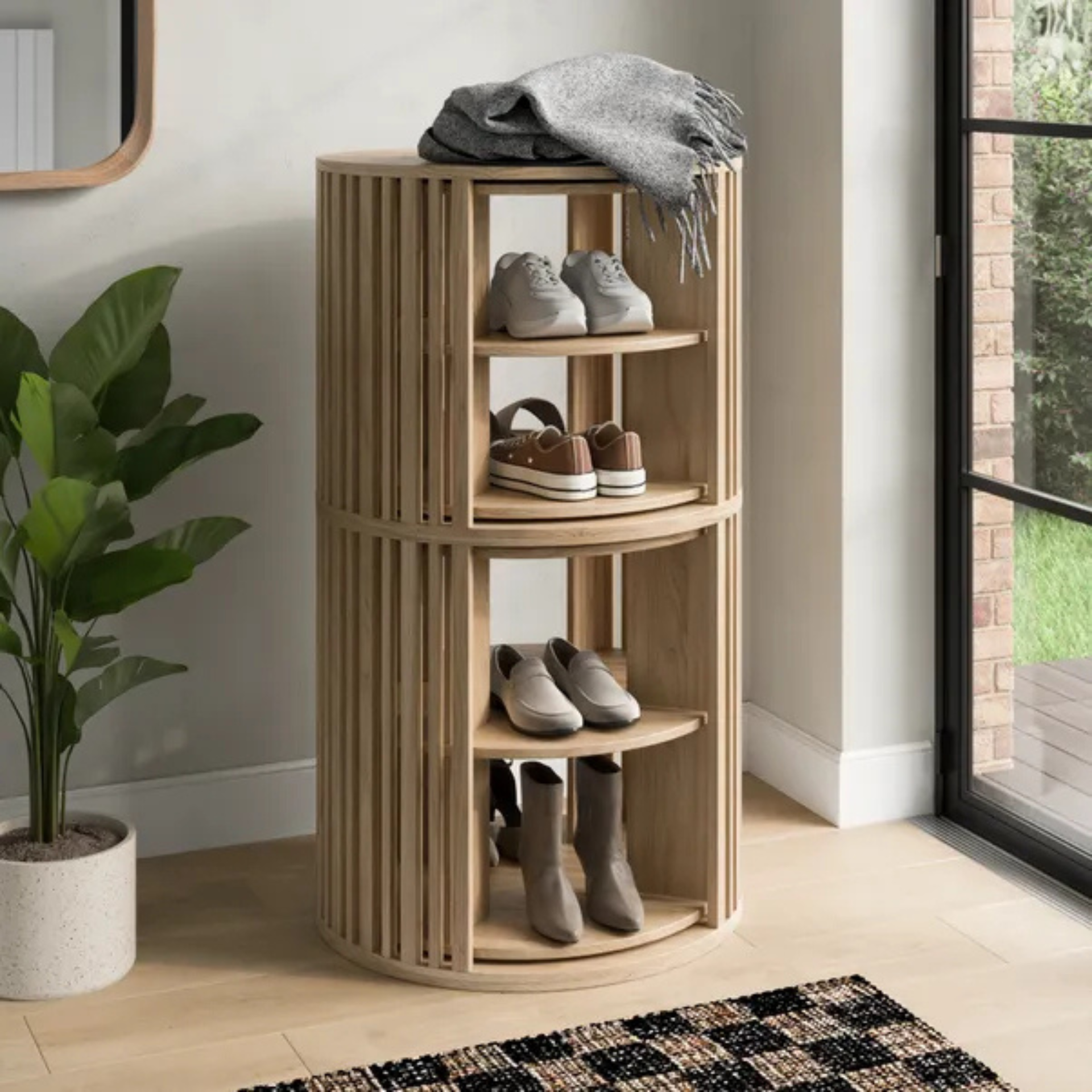
If shoes cluttering up your hallway has become the bane of your existence, then I have some good news. Dunelms’ Ria Rotating Shoe Storage is currently 30% off and perfect for small spaces.
If you have a small hallway, I’m sure you’re well aware that a build-up of spare shoes can quickly make your space look cramped and chaotic – and in some cases dangerous! If you want to reduce the amount of trip hazards as you come through the front, it’s worth learning the clever tricks people with tidy hallways always do.
One thing is for sure: good shoe storage. And if you’re short on space, the rotating feature of the Ria shoe storage makes it a solid option. Here’s why.
But I’ll admit I’d not seen rotating shoe storage before. Recently, I coveted Dunelm’s Ria Rotating Bookshelf, and having spotted the same design was available in the form of shoe storage, I was instantly intrigued.
Reduced from £199 to £139.50, this space-saving storage solution has four shelves that rotate around an inner console, so you can access the pair you need while keeping four on show at all times. The idea is that you can keep multiple pairs of shoes out of sight at one time.
(Image credit: Dunelm)
Its stylish design means it’s storage you won’t mind having on show, and at 113.5cm, it won’t take up much room either. You could even place a key tray on top and use it as a side table in your hallway, too.
‘This item came bigger than expected but lovely quality! It weighs a ton ! Very pleased -probably should have had it constructed by delivery drivers as they take packaging away. Our lovely lady who does managed it and every part was there but not a job for a novice!’ says one review.
Another review points out it is ‘too complicated’ to build, so if you are a DIY novice, it’s probably worth getting some help putting it together.
More shoe storage buys
If DIY really isn’t your thing, here are a few more stylish shoe storage options you can shop online – and don’t take much effort to assemble.
DUSK
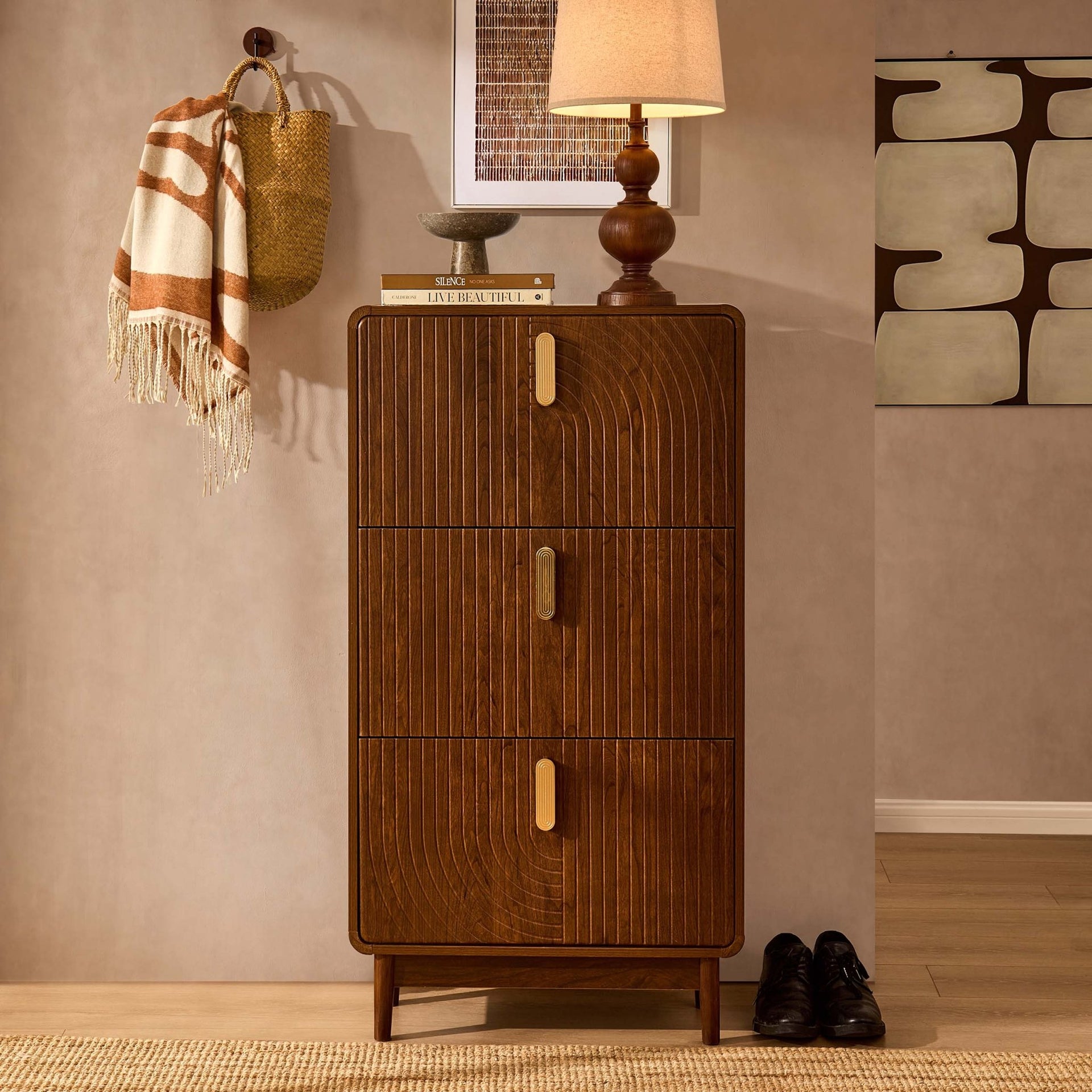
Marnie Shoe Storage – Walnut
Reviews say this stunning shoe cabinet is easy to assemble. It’s compact design makes it suitable for small hallways and I am obsessed with its Art Deco style.
Dunelm
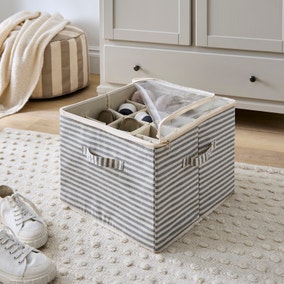
Coastal Stripe Shoe Storage Box
Shoe boxes come in so handy if you own a lot of shoes. Or, you can leave one by your front door so guests have somewhere to put their shoes when visiting.
Lakeland
Lakeland Multi Shoe Rack
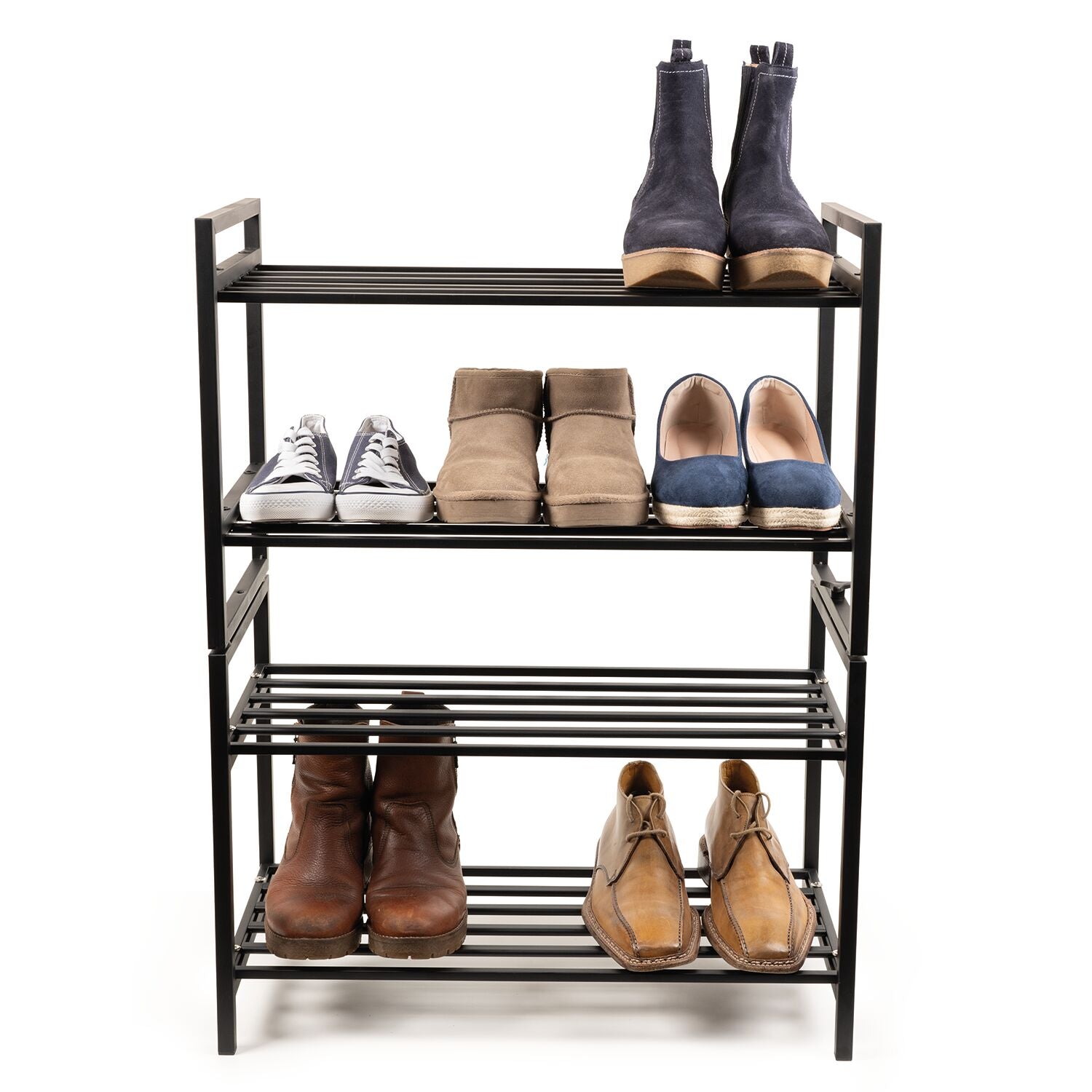
This shoe rack has a clever folding design which makes it easy to stash away when not in use.
Would you invest in the Dunelm Ria Rotating Shoe Storage?