
Is Bergamo Worth Visiting? We say yes!
The old Italian city of Bergamo, by the foothills of the Alps, is quietly stepping out of the long shadow of nearby Milan and into the spotlight as one of northern Italy’s most charming destinations. This former Celtic settlement offers a long history, broody alleyways and enticing grandeur, without crowds – at least for now.
It is easy to get there too, just an hour from Milan Bergamo Airport, and if you have a car, you are well placed to pop over to Lake Como, Lake Iseo and Lake Garda in around an hour.
In 49 BCE, Bergamo was incorporated into the Roman Empire, and in the modern era, it became a Venetian stronghold. Today, Bergamo is famously divided into two distinct halves: the hilltop UNESCO World Heritage-listed Città Alta (upper town), encircled by Venetian defensive walls built in the 1800s, and the lively, younger, and more modern Città Bassa that spreads across the plains below. Together, they create a vibrant city where contemporary Italian life unfolds beneath centuries of history.
Rocca di Bergamo (Bergamo Fortress)
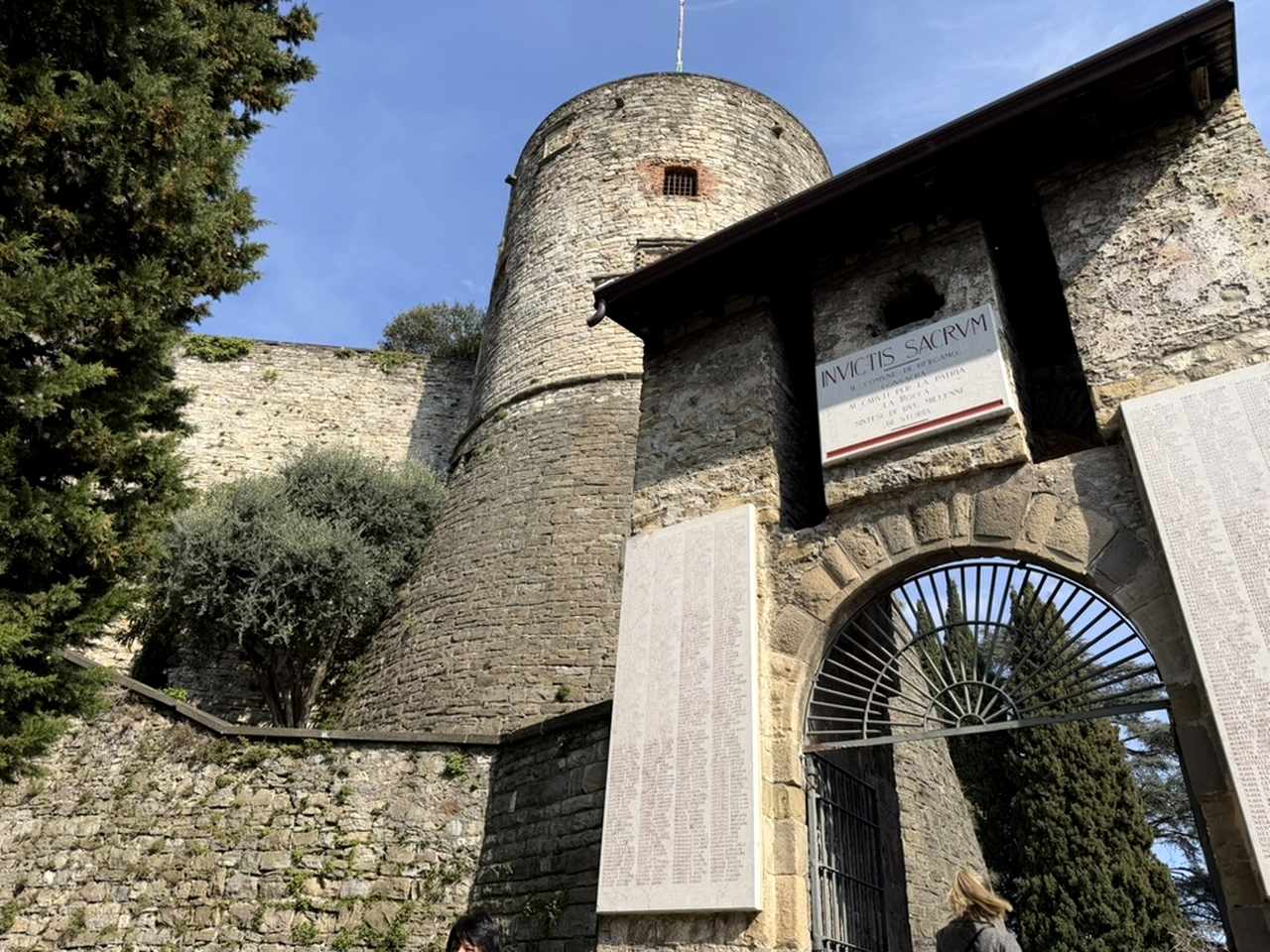
I spent a few hours in the Città Alta wandering the cobbled streets, watching the light change across terracotta rooftops, and rambling along the Rocca di Bergamo fortress as church bells echoed softly in the gentle breeze.
Rocca de Bergamo
These vast 16th-century fortifications, built during Bergamo’s time under Venetian rule, now form one of Italy’s most scenic promenades. From the ramparts, you can see the Alps rising to the north and the Lombardy plains stretching south towards Milan.
Piazza Duomo
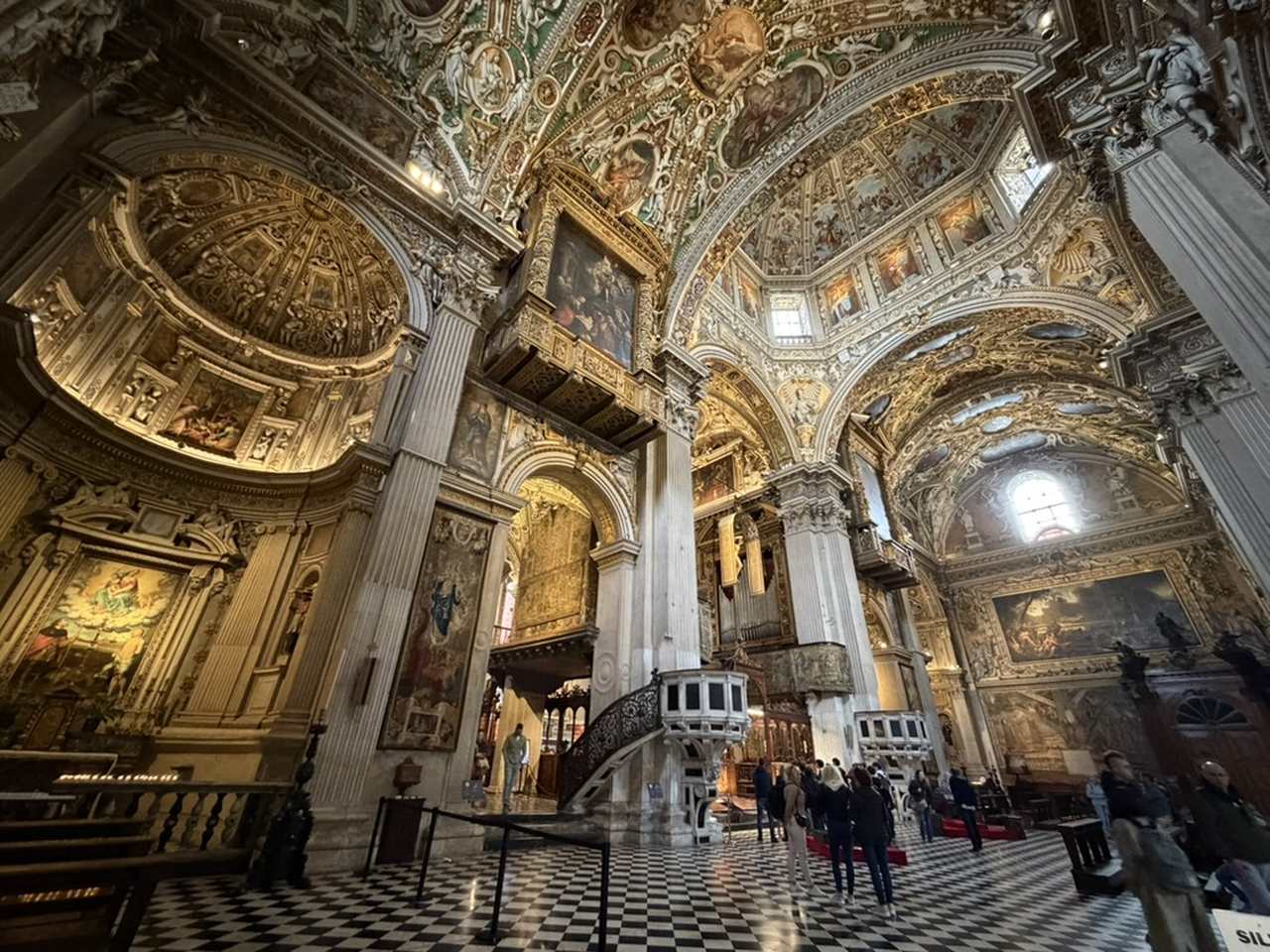
Passing across Piazza Vecchia, a beautiful square surrounded by Renaissance architecture, I found my way just beyond to Piazza Duomo (Cathedral Square) – the religious heart of the city. This is where the Duomo di Bergamo (Cathedral of St. Alexander), the 14th-century Baptistery, and the must-see dramatic 12th century Basilica di Santa Maria Maggiore stand.
The Basilica has no main front facade, so entry is via two side portals, the “red lions” (Porta dei Leoni Rossi) and the “white lions” (Porta dei Leoni Bianchi). Its vast interior is so ornate, it’s difficult to know where to look first.
Basilica di Santa Maria Maggiore
Beside it stands the exquisite Cappella Colleoni, the personal chapel of Bartolomeo Colleoni, a condottiere (mercenary captain). The mausoleum is a jewel of Renaissance architecture with its striking pink-and-white marble façade.
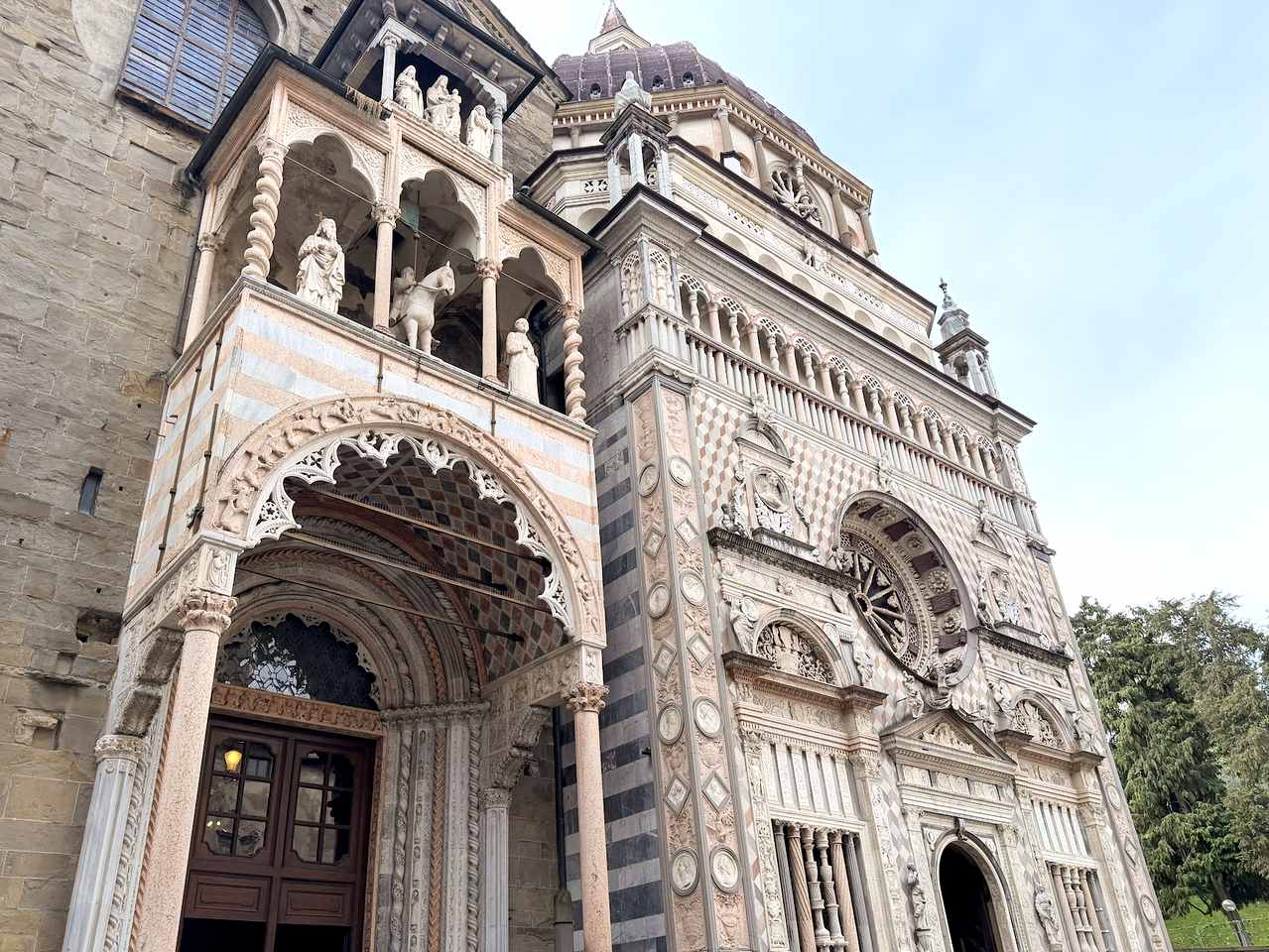
Cappella Colleoni, the personal chapel of Bartolomeo Colleoni,
Just a few steps away lies the tomb of Bergamo’s most famous son, the composer Gaetano Donizetti, whose operas shaped the golden age of Italian bel canto. Incidentally, both the Basilica and Colleoni Chapel are free to visit.
Though there are plenty of views to enjoy, I found the best to be at The Torre Civica, also known as Campanone. This is the tallest tower for miles, stretching 53 metres high, and you get 360-degree views. There are 230 steps to the belfry where the largest bell in Lombardy hangs. Luckily, there is also a lift.
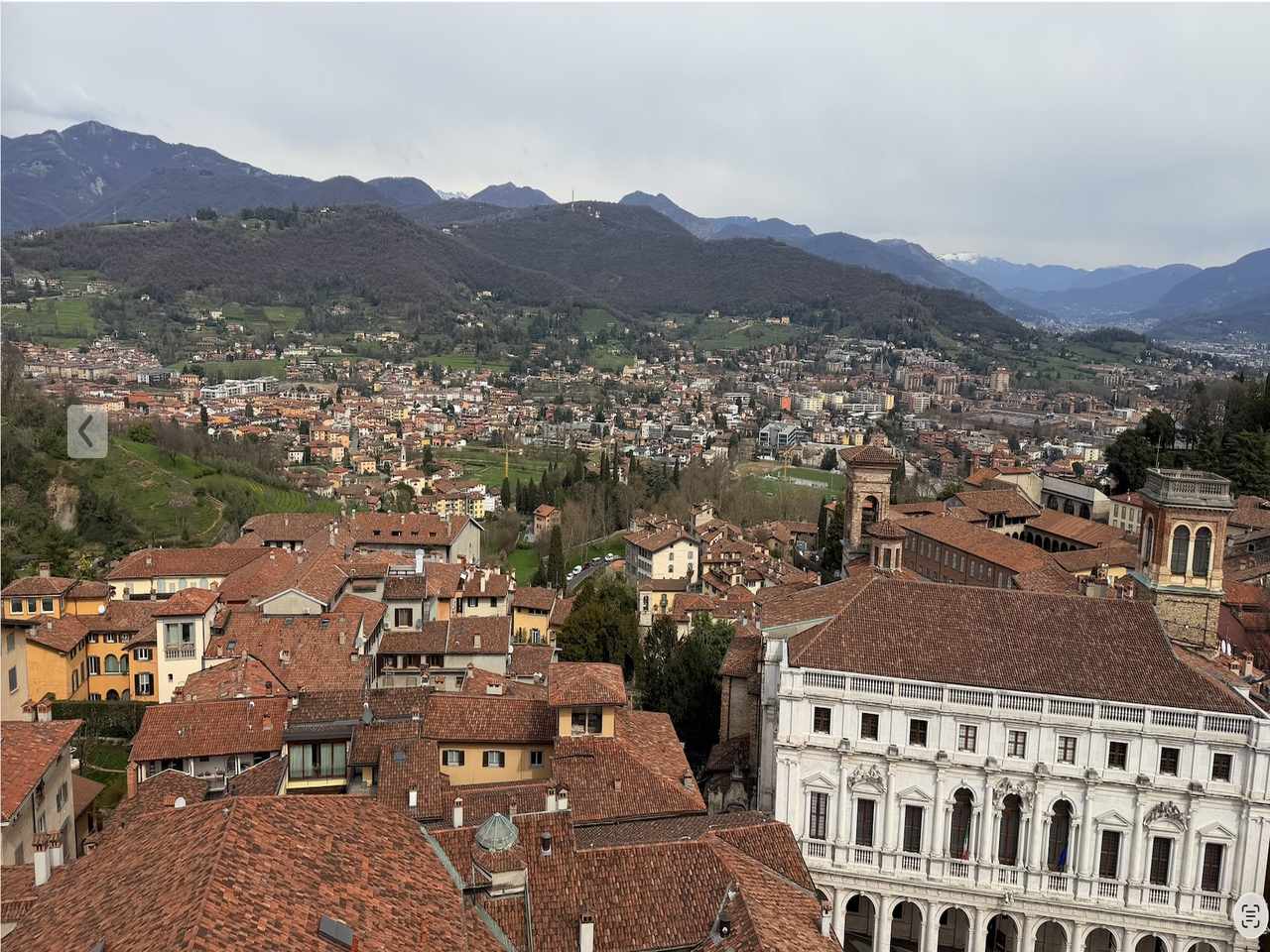
View from bell tower
Art Galleries
I am a bit of an art lover, so I made my way to the Accademia Carrara art gallery housed inside a neoclassical building. There are 28 rooms collectively displaying 300 artworks, including significant works by Pisanello, Titian, Lotto, Moroni, and Canaletto, making it a centre for Renaissance and Venetian art. There is also an intriguing collection of 15th- century Tarot cards. These decks were made for card games, but no one today knows the rules of play.
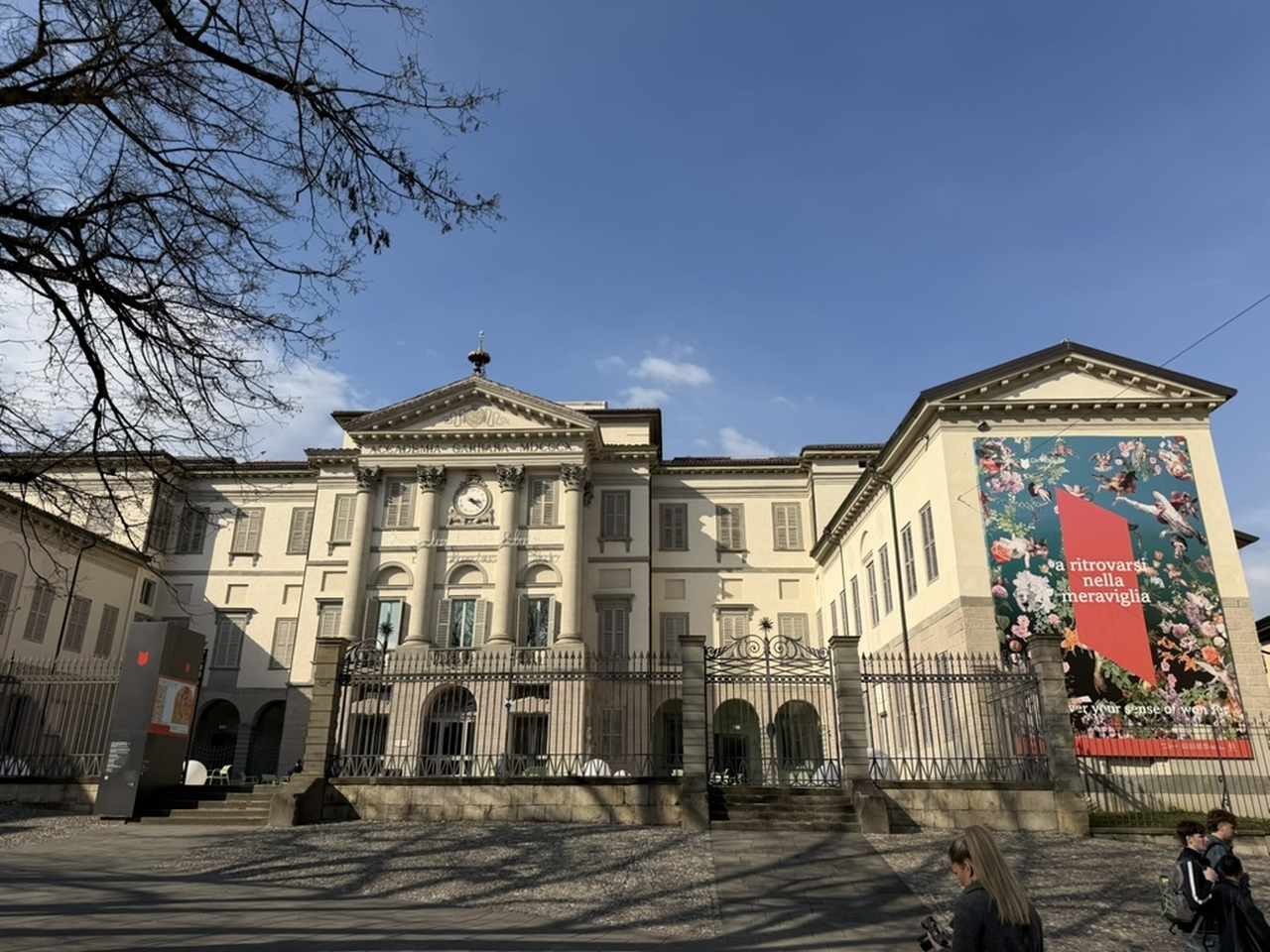
Accademia Carrara, Bergamo
For those who like the cryptic nature of modern art, go to the GAMEC museum located in a former monastery. Inside is contemporary art in all forms. Highlights include its forty works by great twentieth-century artists, including Balla, Boccioni, de Chirico, Kandinsky, and Morandi.
Local Food
The region has its own specialities — perhaps polenta with slow-cooked meats or a seasonal risotto. Pair these with a glass of sparkling wine from nearby Franciacorta, one of Italy’s most prestigious wine regions.
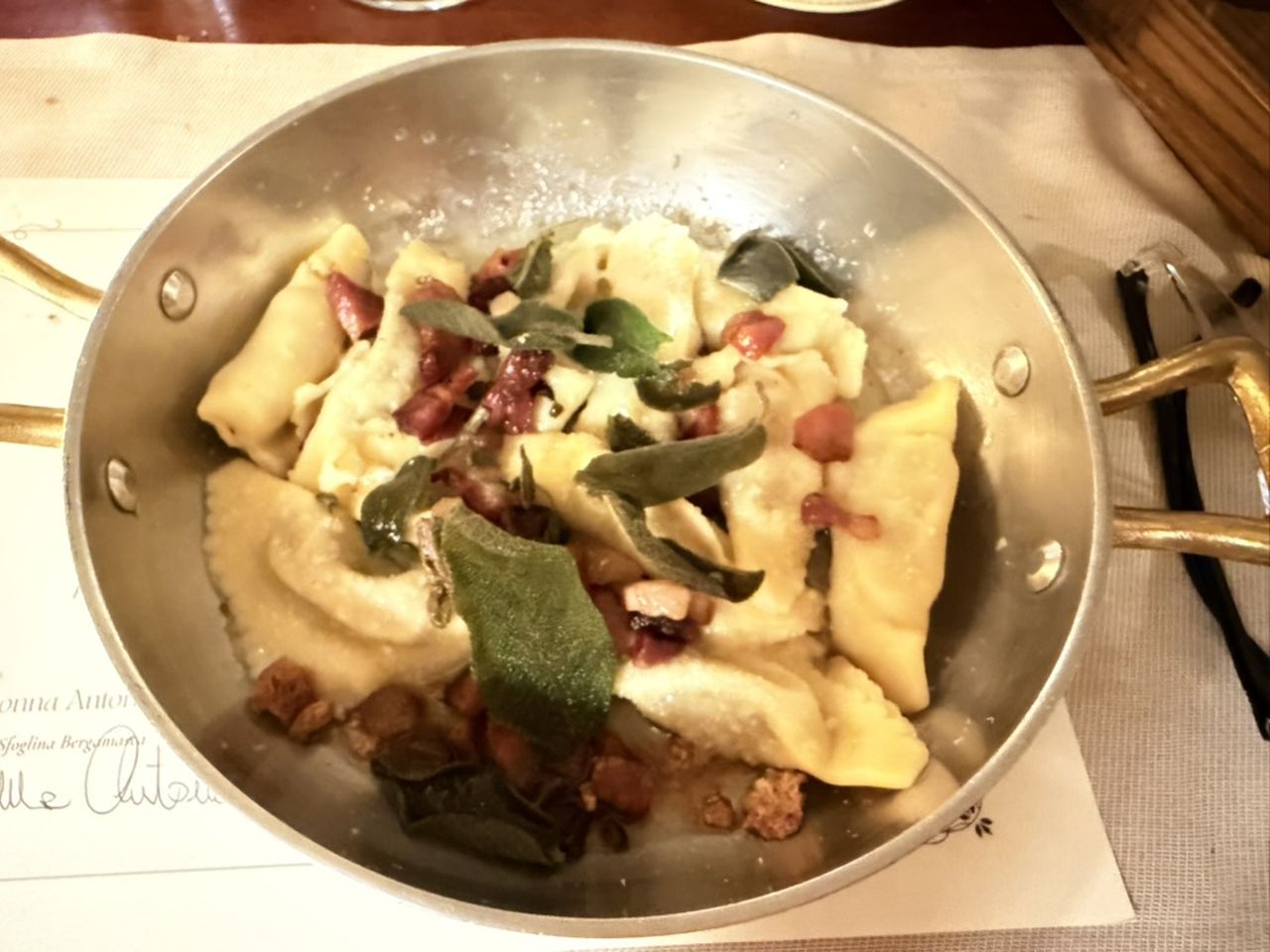
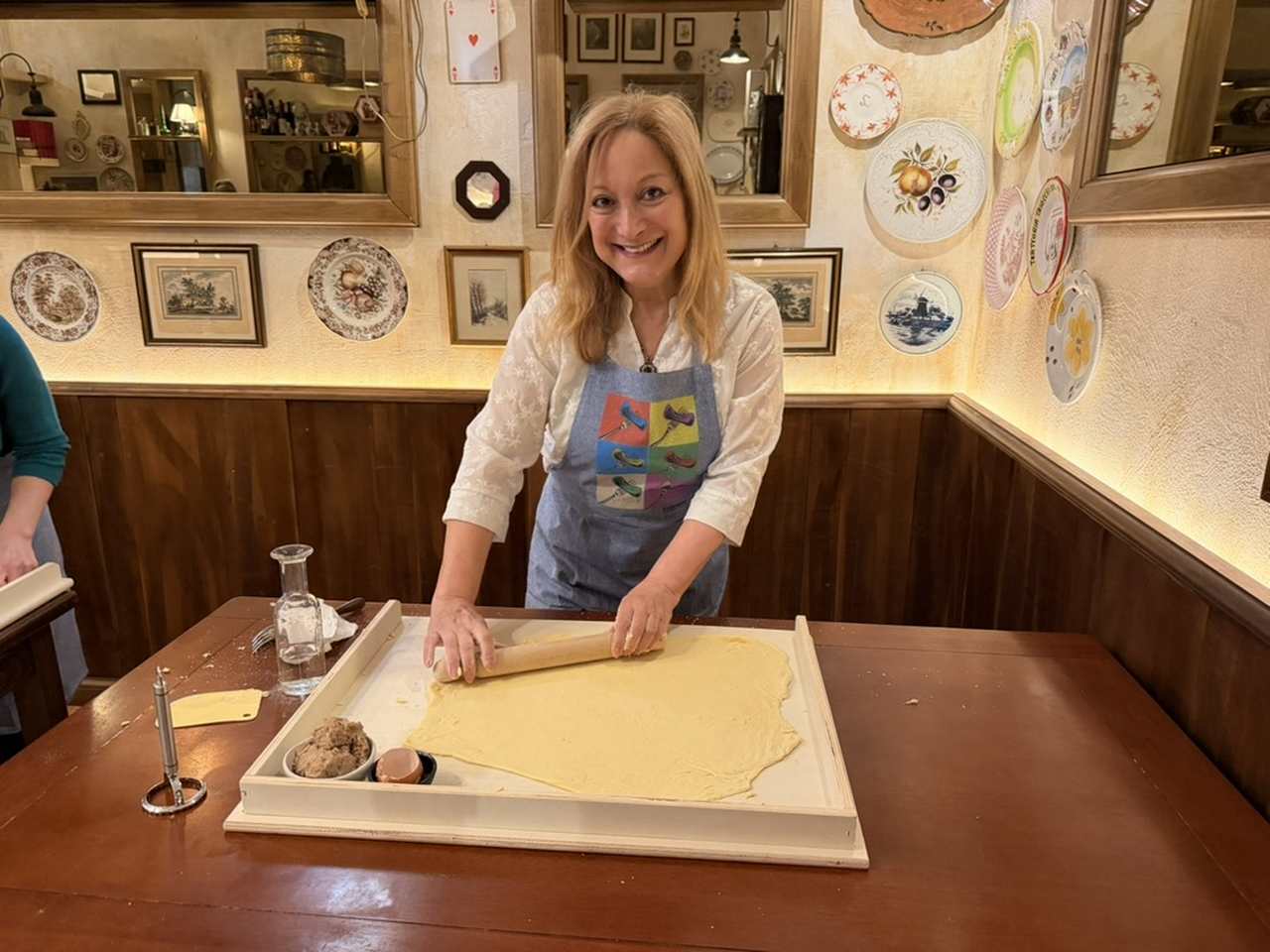
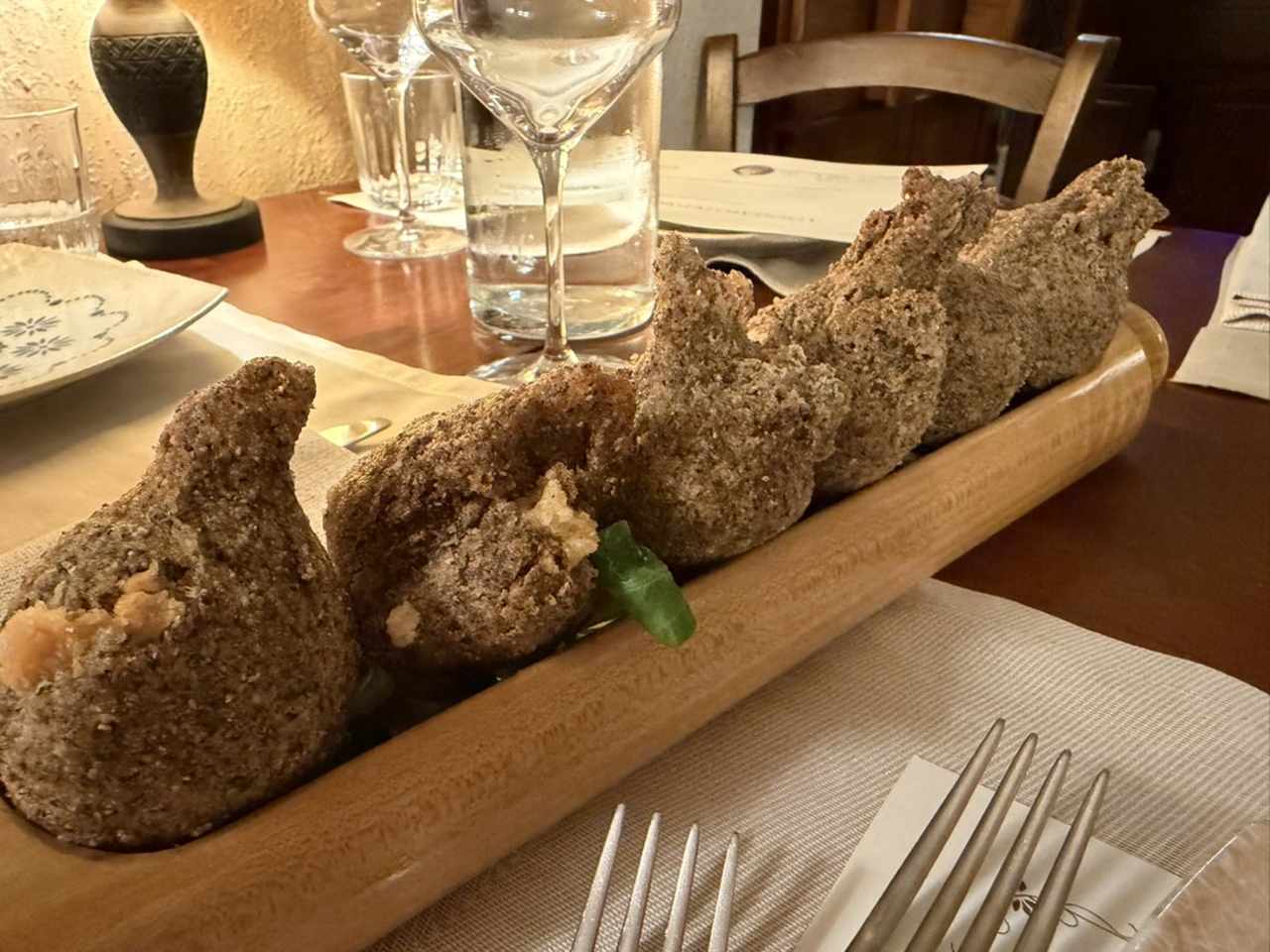
My favourite dish of Lombardy is casoncelli alla bergamasca, served at many restaurants. I had the opportunity to join a cooking class at Nonna Aldo, tucked away in a twisty alley on the Upper Town. They offer cooking classes. where I learned how to make my own. Rolling out thin egg pasta ravioli and filling it with minced meat (beef and pork), raisins, and amaretti biscuits was incredibly satisfying. Even more so when I returned at lunchtime to enjoy it professionally made parcels served with butter, crispy pancetta, and Grana Padano DOP, a cheese made from partially skimmed cow’s milk. I really enjoyed the Branzini, salty, crispy triangles filled with soft cheese.
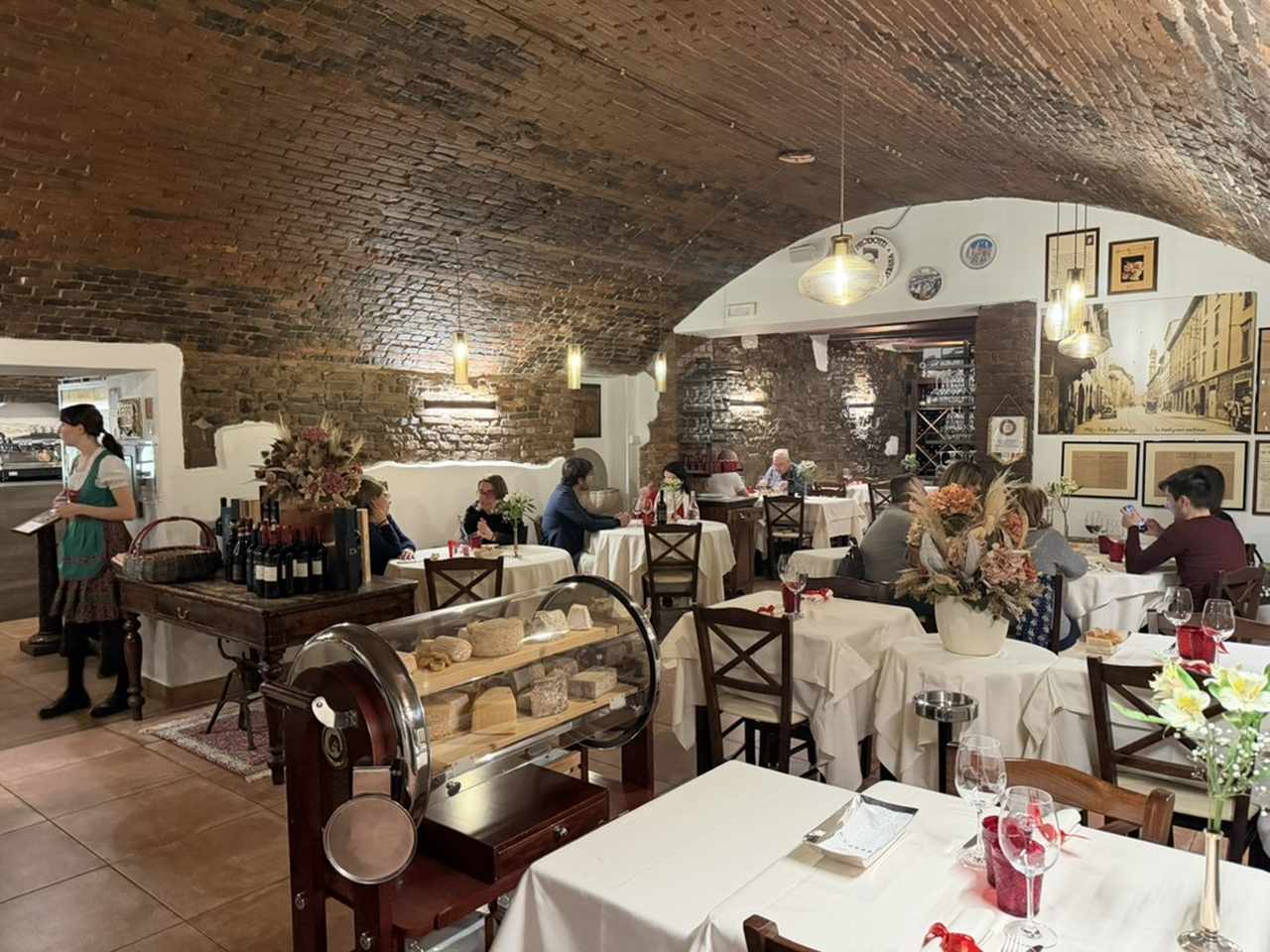
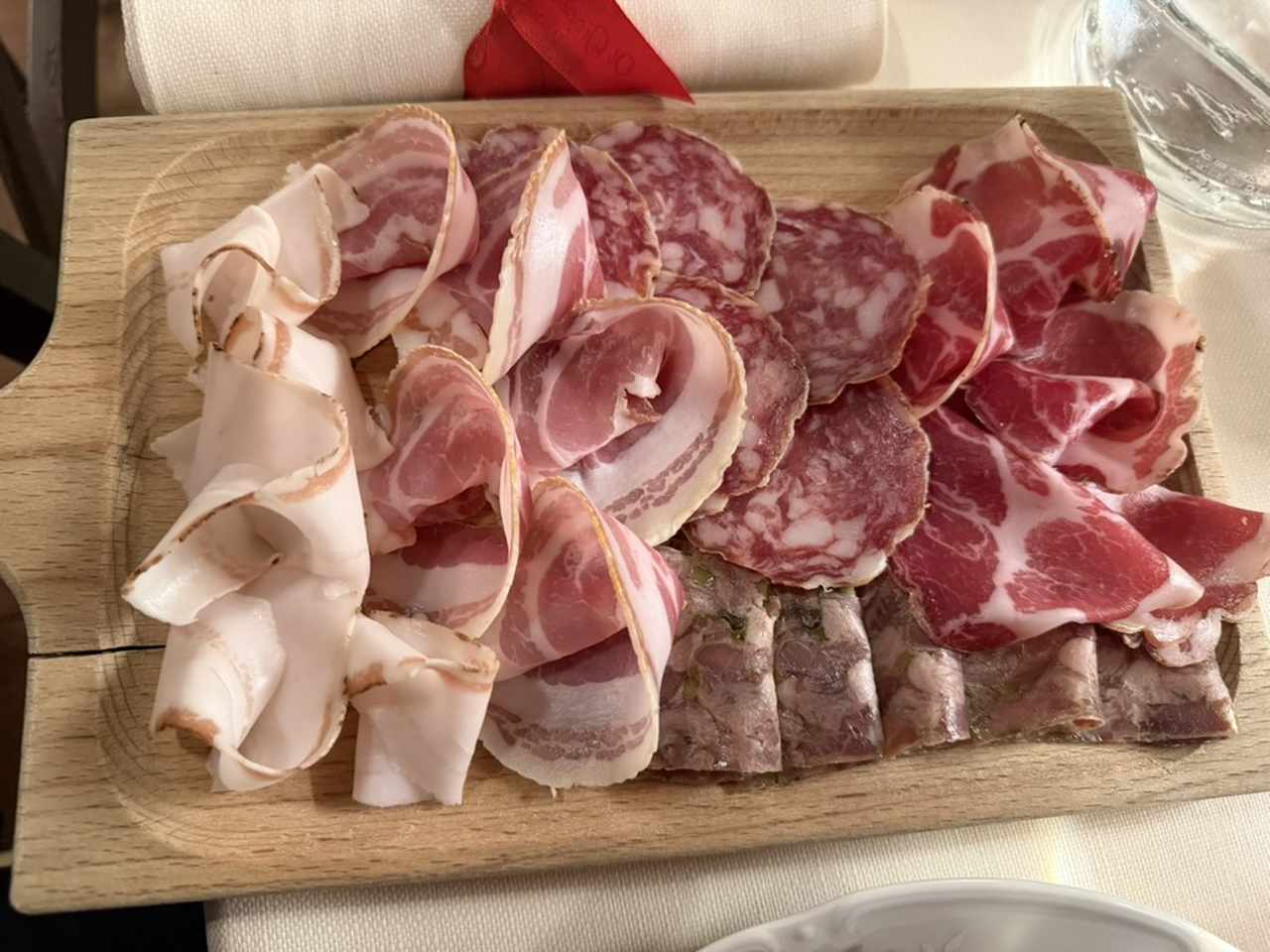
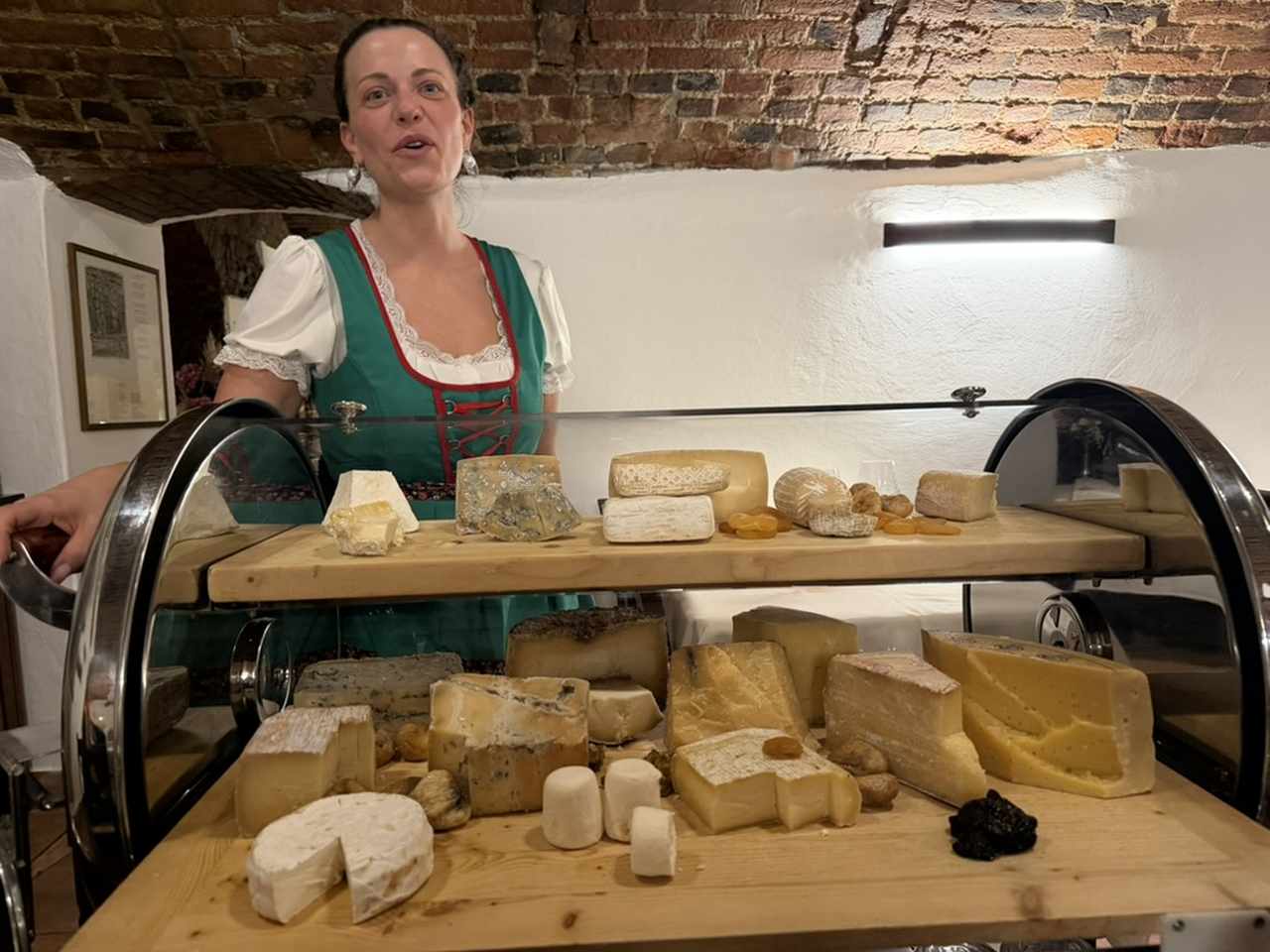
A great place for dinner is Ristorante Ol Giopi’ e la Margi, a charming restaurant with a curved brick ceiling where staff wear traditional Margi costumes. The menu includes cured meats, stone-ground polenta, casoncelli alla bergamasca, and risotto with Taleggio Dop cheese and black truffles, a fabulous cheese and dessert selection brought to you on trollies.
My ultimate favourite tipple is the Stracciatella ice cream, which was developed right here in Bergamo. The word means “little shreds” or “torn” and refers to warm chocolate mixed into sweet milk gelato that has solidified, creating crunchy, “shredded” chocolate pieces within ice cream similar to vanilla.
FACT FILE
FLY: Orio al Serio (Milan Bergamo Airport) is just 5 km from the city.
STAY: Palazzo Santo Spirito Hotel, a stylish 4-star hotel centrally located in the Lower Town (Città Bassa). Highlights are a top-notch on-site spa (sauna, steam room, hot tub), a gym and a beautiful courtyard.
More information: Visit Bergamo
The post Is Bergamo Worth Visiting? We say yes! appeared first on The Travel Magazine.