
Cycling the Scandibérique: Paris to Orléans, France
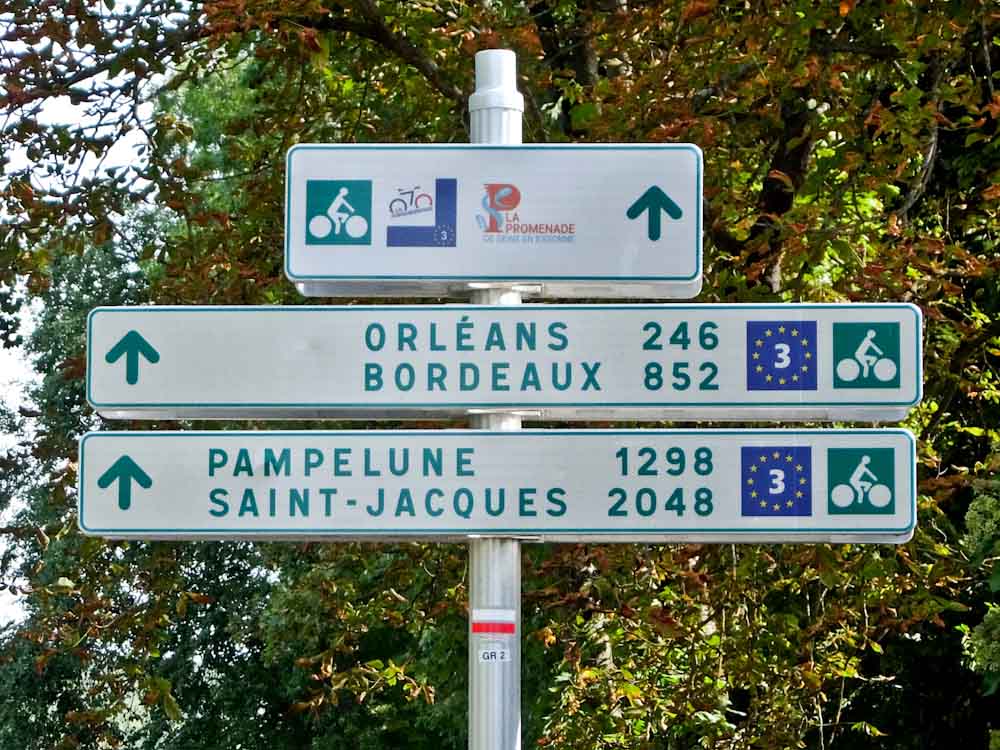
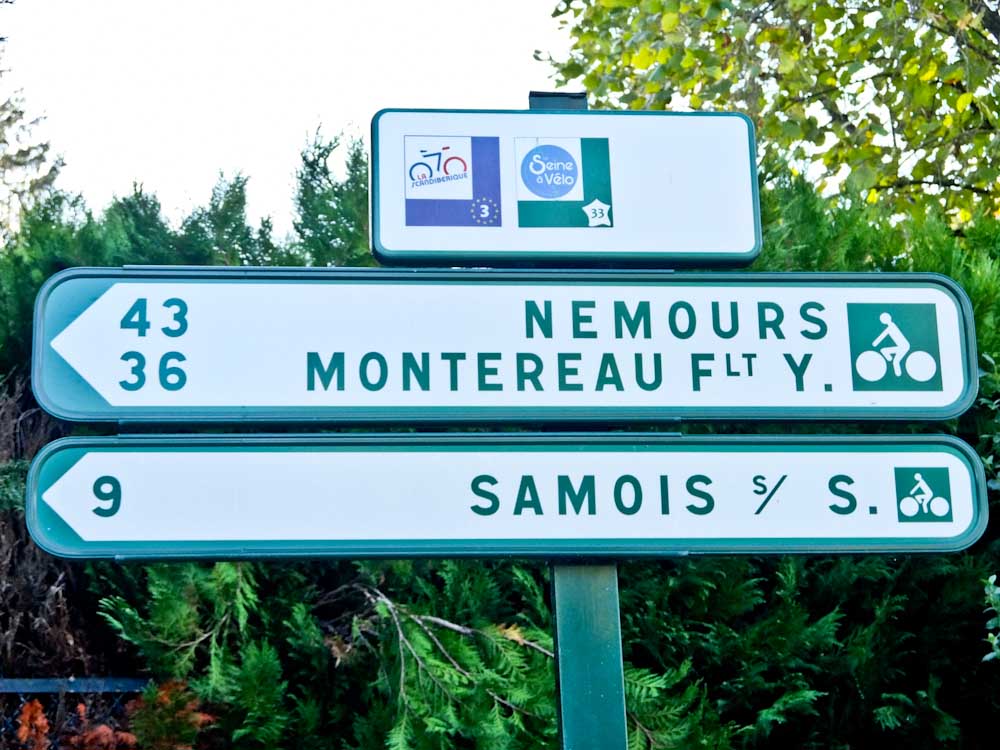
The Scandibérique is part of the enormous EuroVelo 3 cycling route linking Scandinavia with Santiago de Compostela. In France it stretches for around 1,700 kilometres, from the Belgian border to the Spanish frontier, passing through Paris, the Loire Valley and Bordeaux. Last year I went from just outside Paris to Belgium so I’ve decided to go the opposite way – Paris to Orléans.
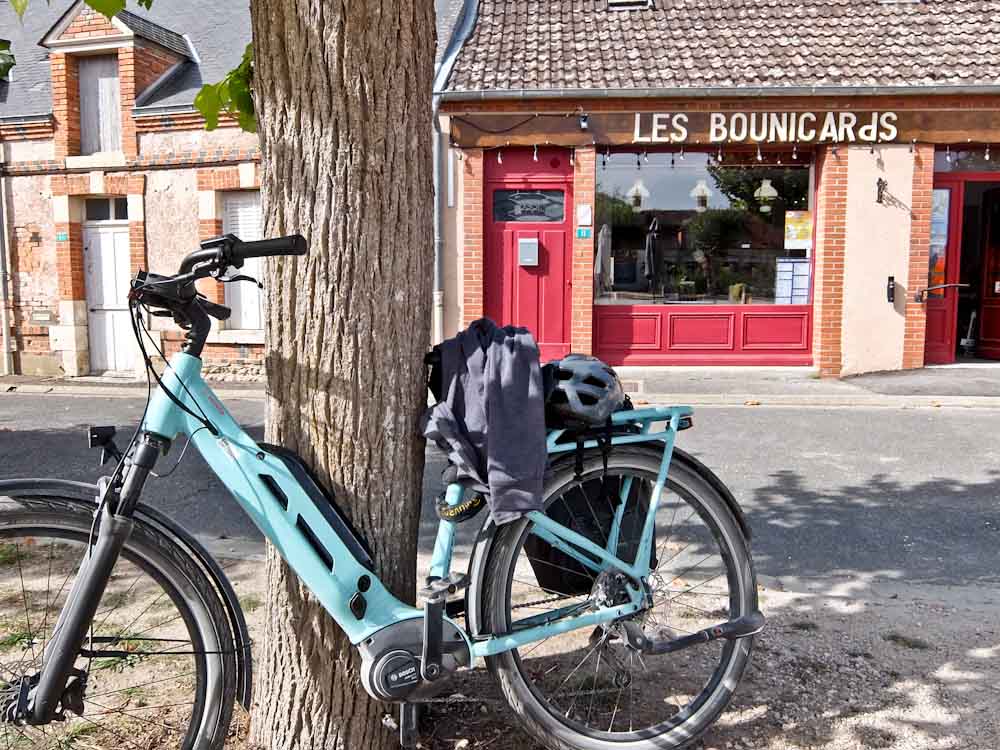
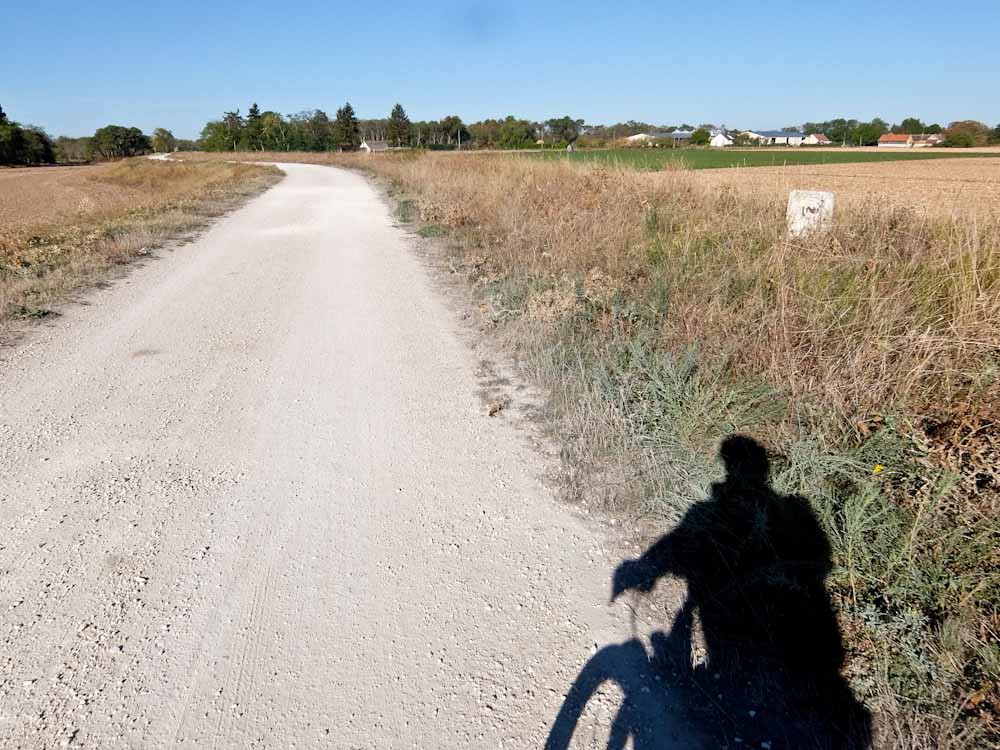
Across five days, I’m going to ride through forest, farmland, but mainly follow the Rivers Seine and the Loire. On the way I’ll explore châteaux, museums, and delightful villages, moving at the pace Europe was built for. Or actually slightly faster because I’ll be riding an E-Bike and get all the help I need from electricity.
Everything will be carried in my panniers, so I’ve whittled down the load to basic essentials. As it’s late September I make sure that I don’t neglect serious waterproofs and padded Lycra shorts are an absolute must. In fact the weather is sunny and warm with not a spot of rain – perfect for long distance cycling.
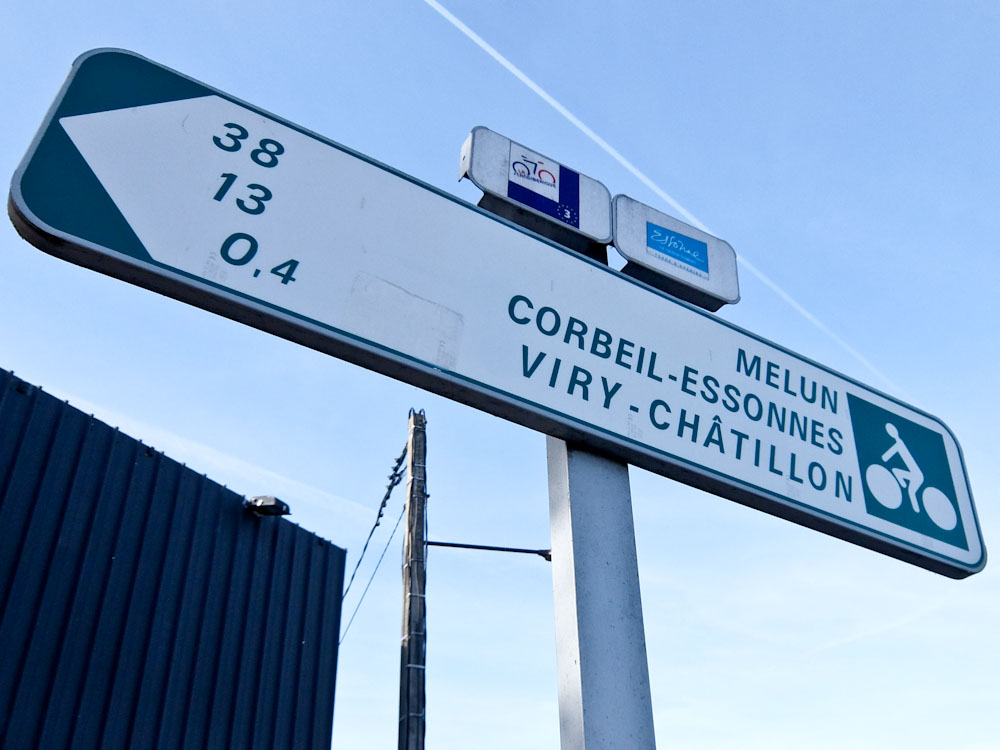
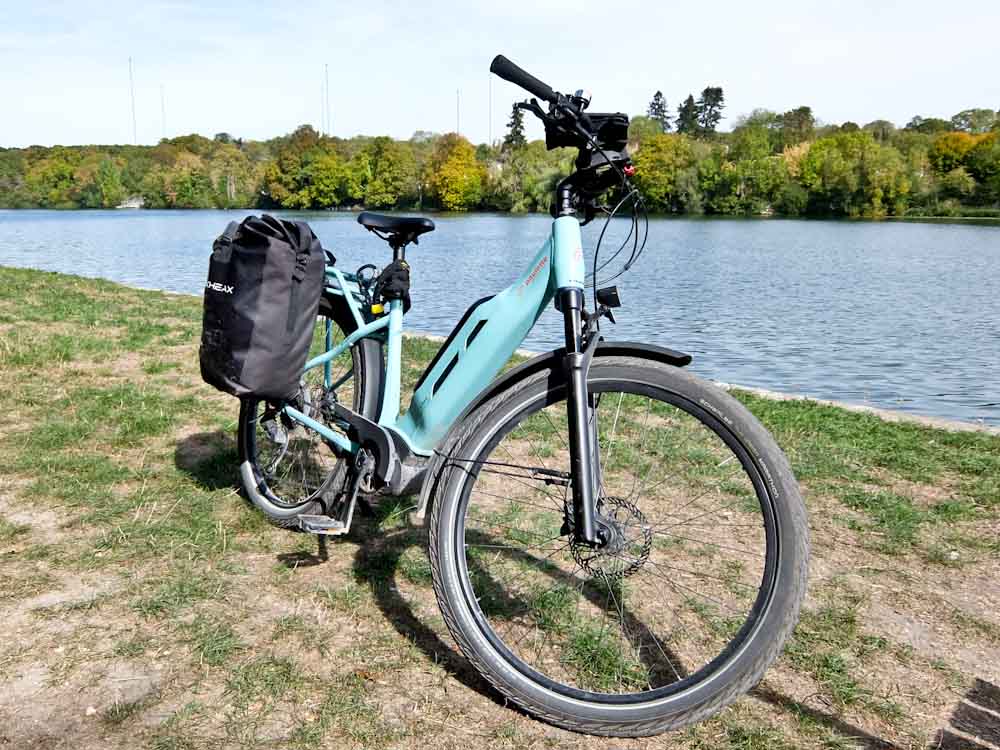
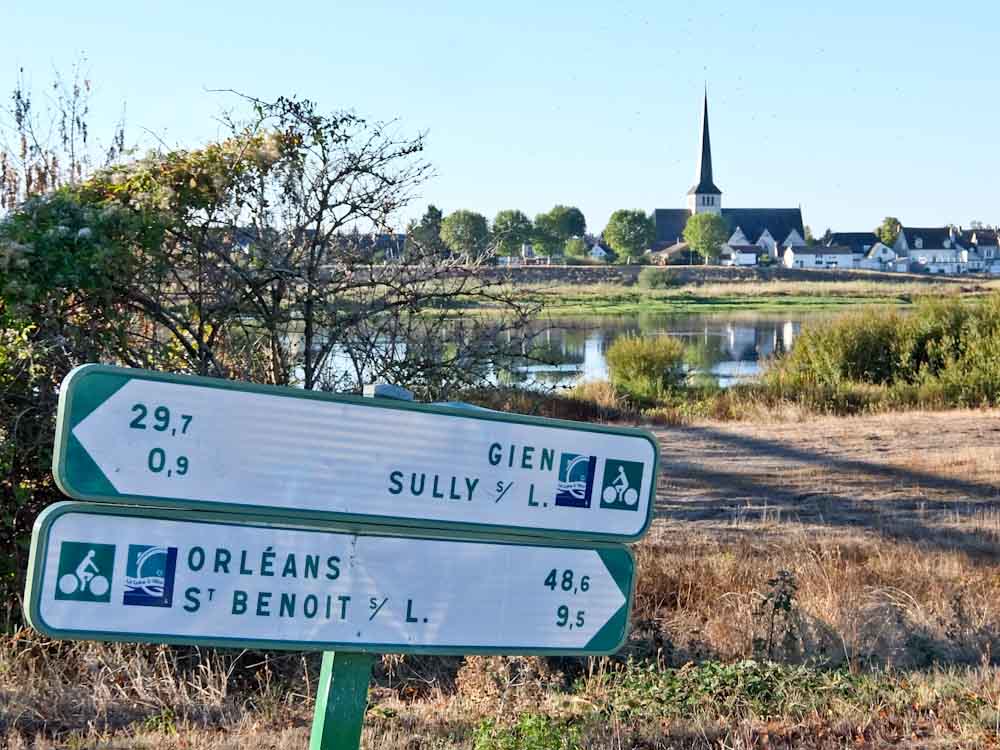
After taking the Eurostar from London to Paris, I collect my e-bike and cycle to my hotel. I’m slightly wary of negotiating the city’s streets but it turns out that Paris has become very bike friendly. Dedicated cycle lanes, priority at traffic lights and drivers who respect those in the saddle are some of the many surprises.
My Hotel Porte Dorée, in the 12th arrondissement, is also bike friendly, part of a country-wide scheme called Accueil Vélo. I get a dedicated space where I can safely leave my e-bike overnight and also plug it in to charge. The hotel also rents bikes and provides cycling maps of the city.
Day 1 Paris to Melun 68 km
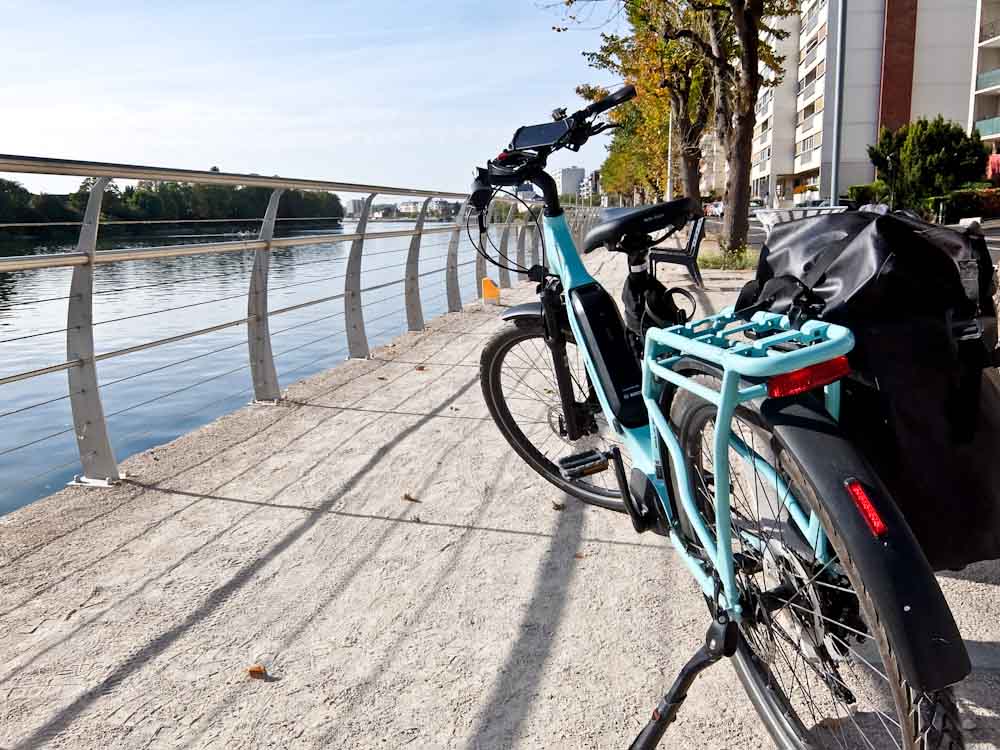
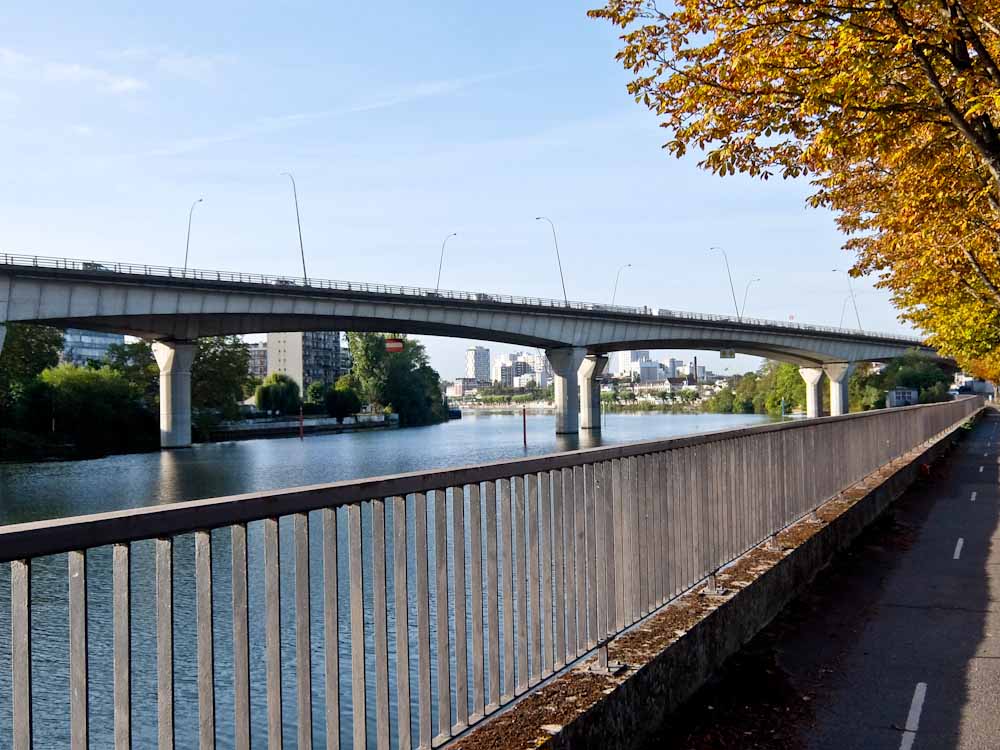
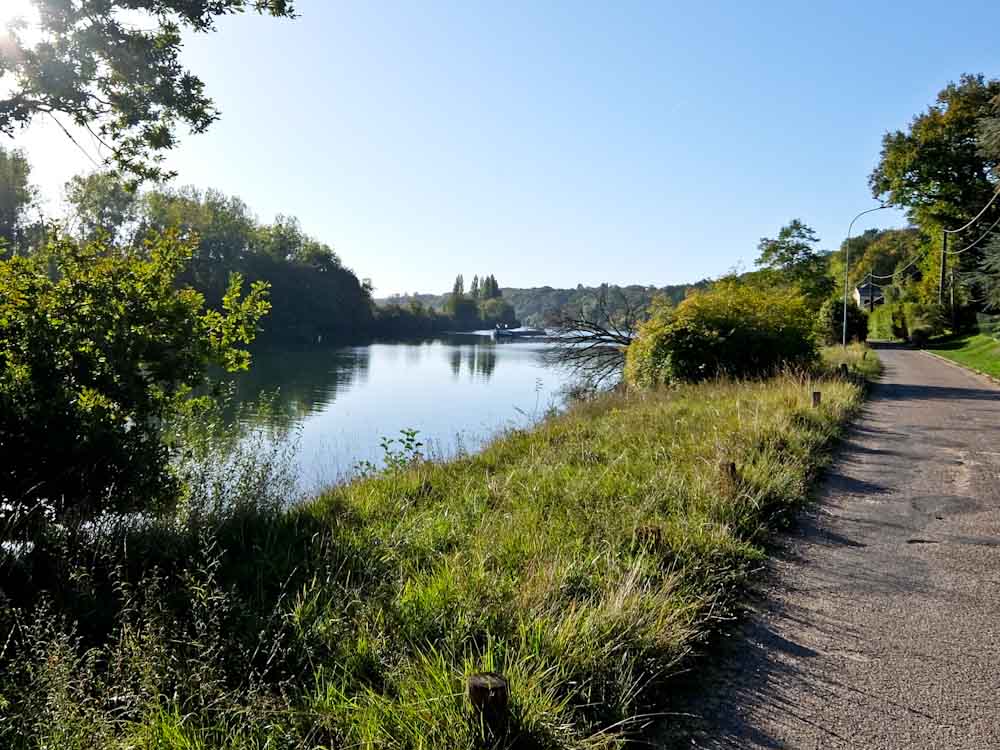
The Scandibérique leads me boldly southwards along the Seine, through a mix of natural and industrial landscapes. After passing the abandoned mills in the town of Corbeil-Essonnes, the calm riverside turns rural, the Seine’s broad meanders lined with woods, the way well shaded.
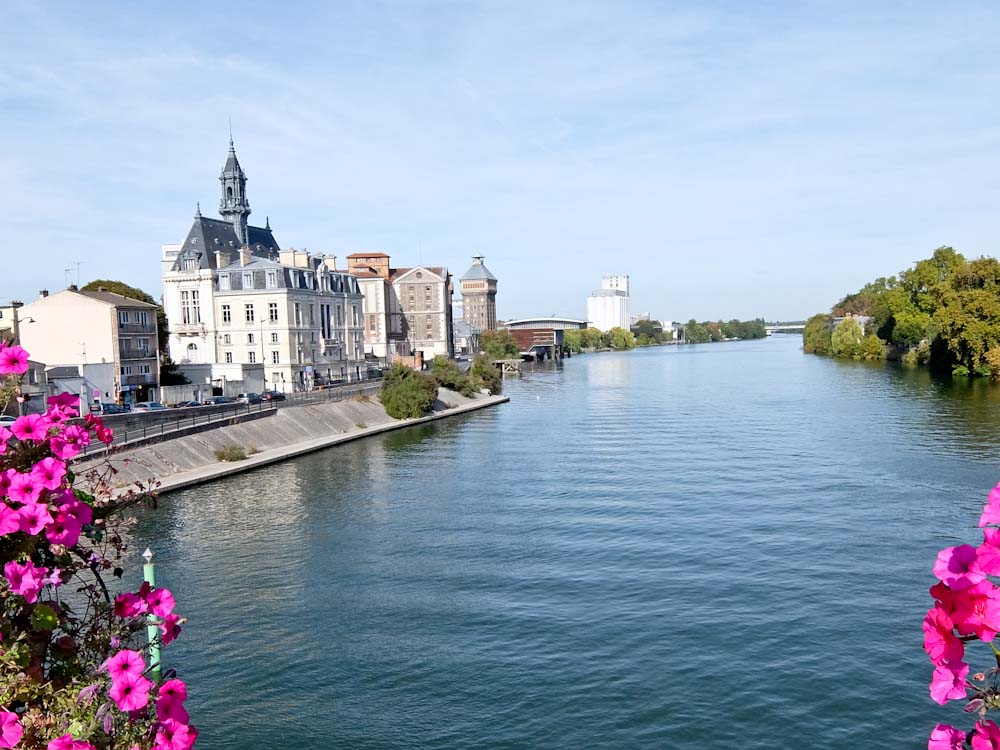
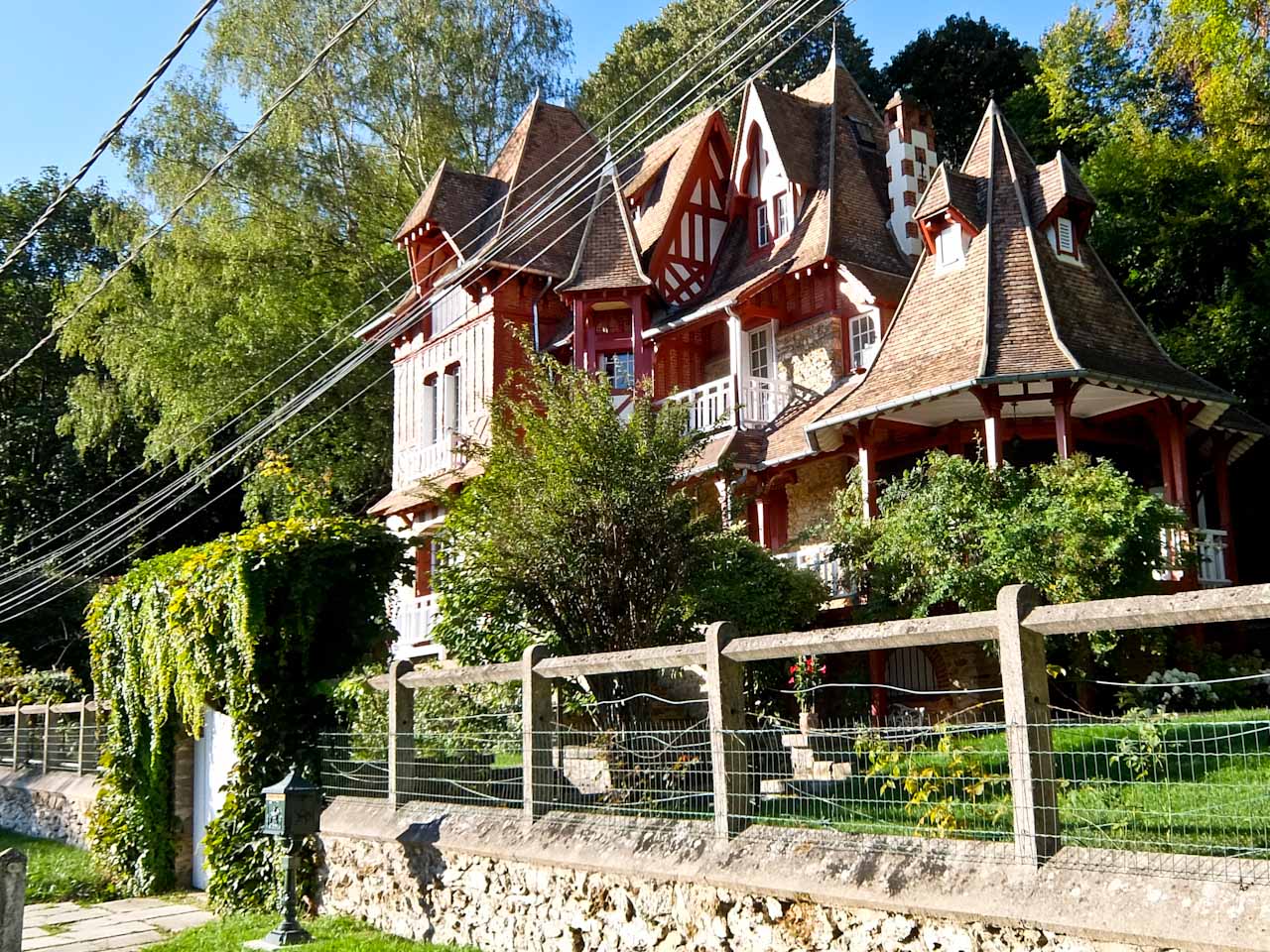
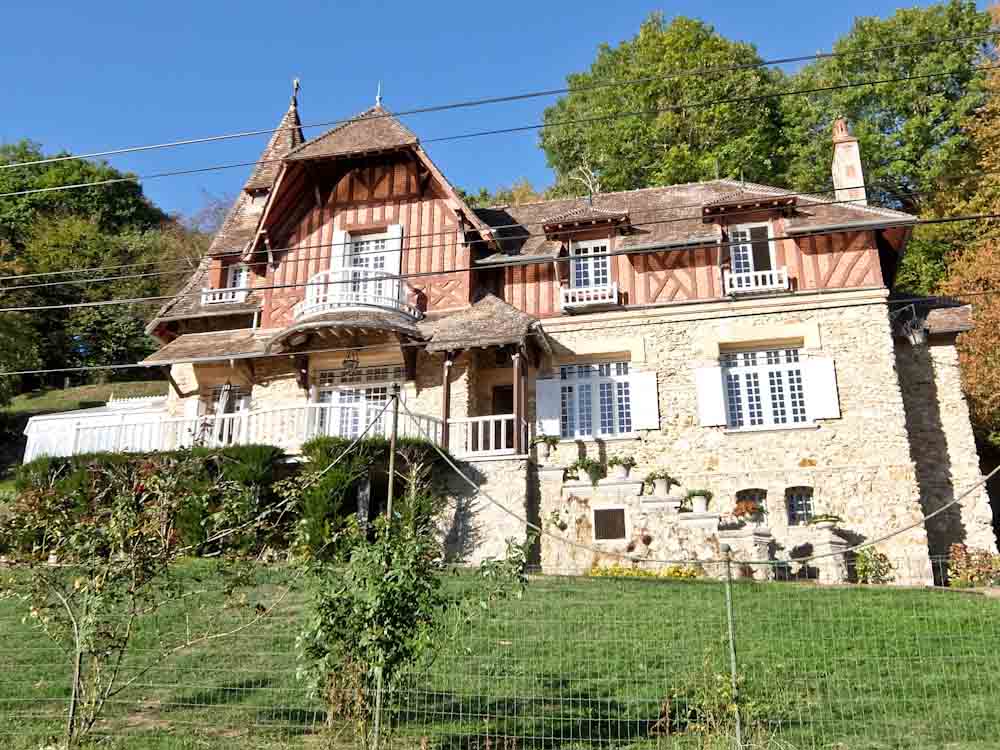
On the Seine’s west bank, I pass by some remarkable homes built at the turn of the 19th to the 20th centuries. Painters, writers, actors and successful movie stars were tempted by the riverside location to leave Paris and enjoy the peace and quiet.
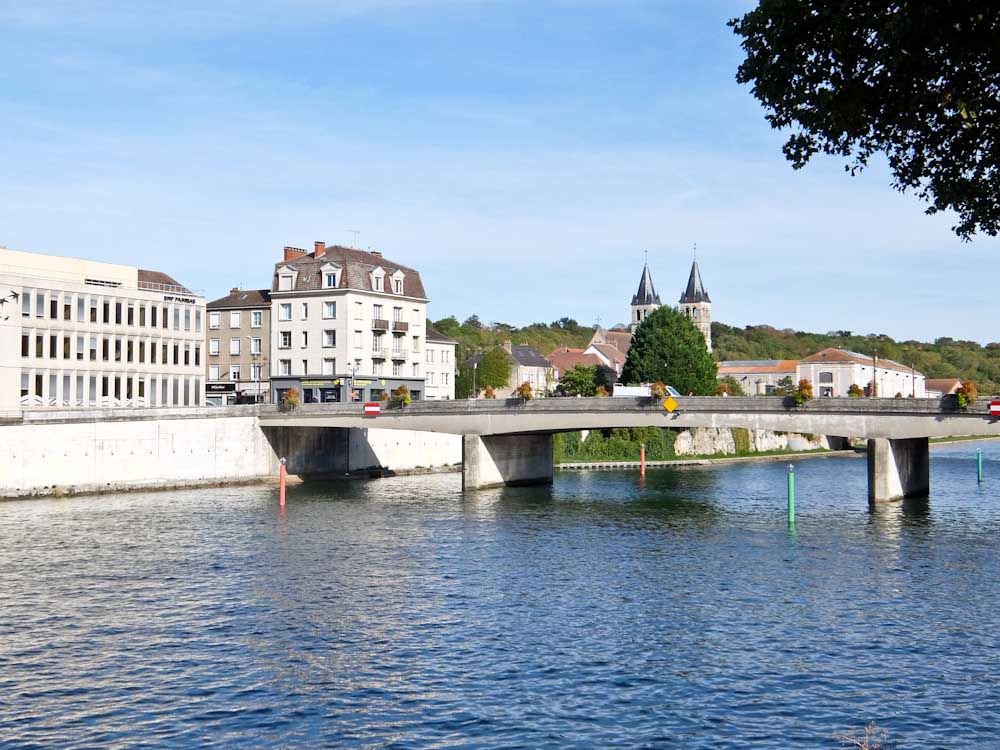
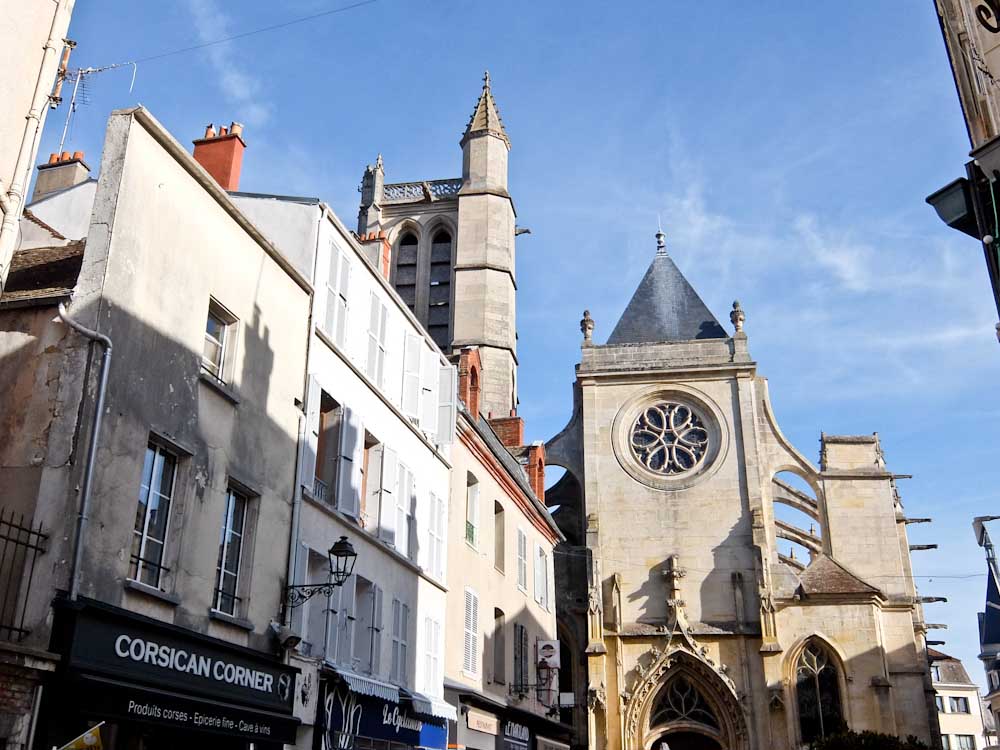
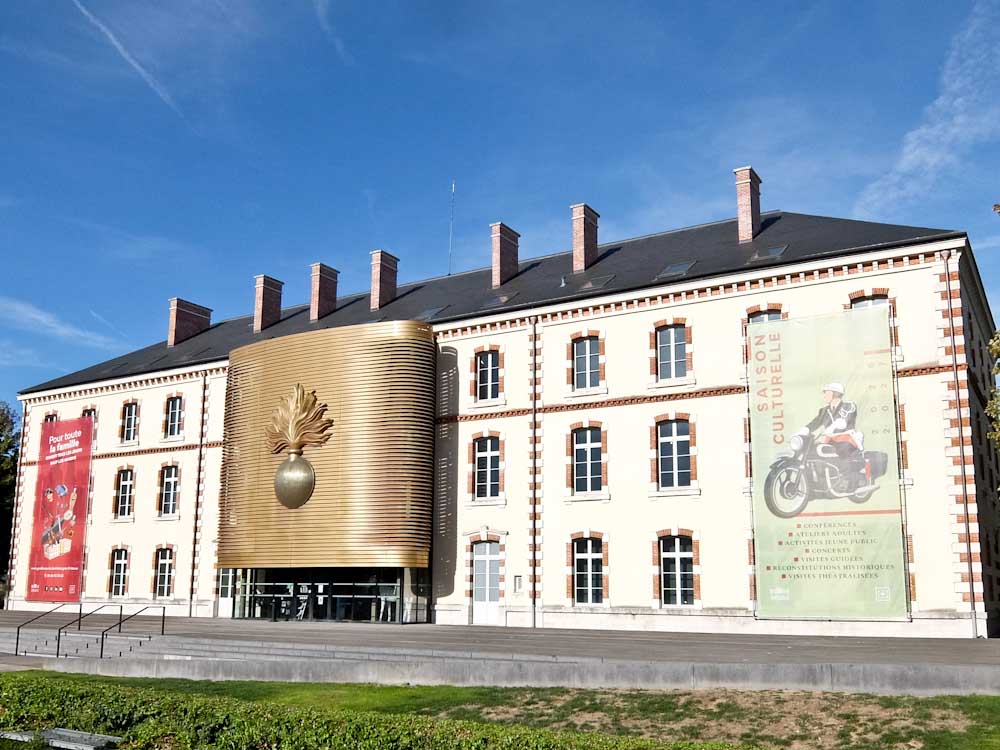
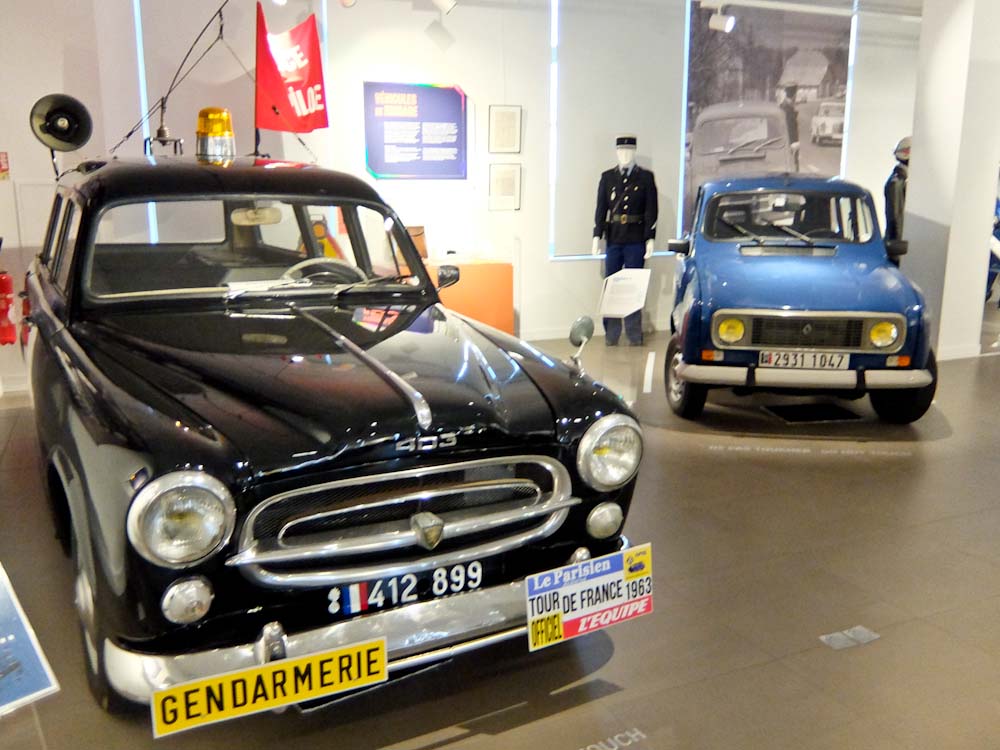
Melun is a charming town with a historic centre and river cruises on the Seine from June to September. It also houses the unique Musée de la Gendarmerie Nationale, the sprawling collection spanning three floors. Particularly attractive are the immaculately restored vehicles.
Day 2 Melun to Nemours 50km
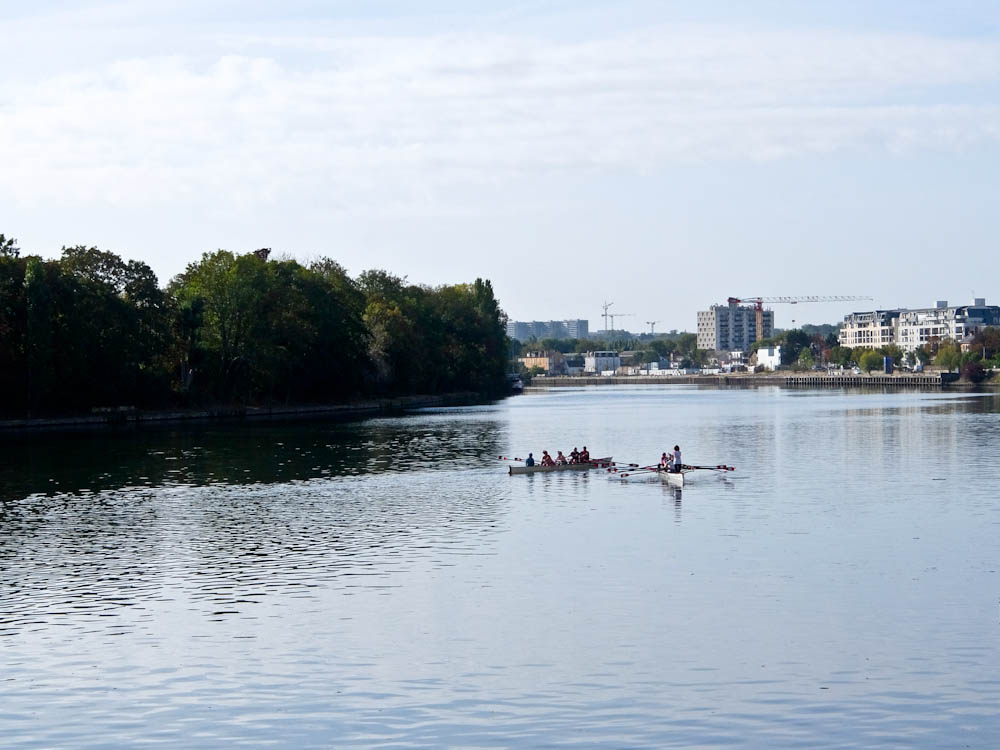
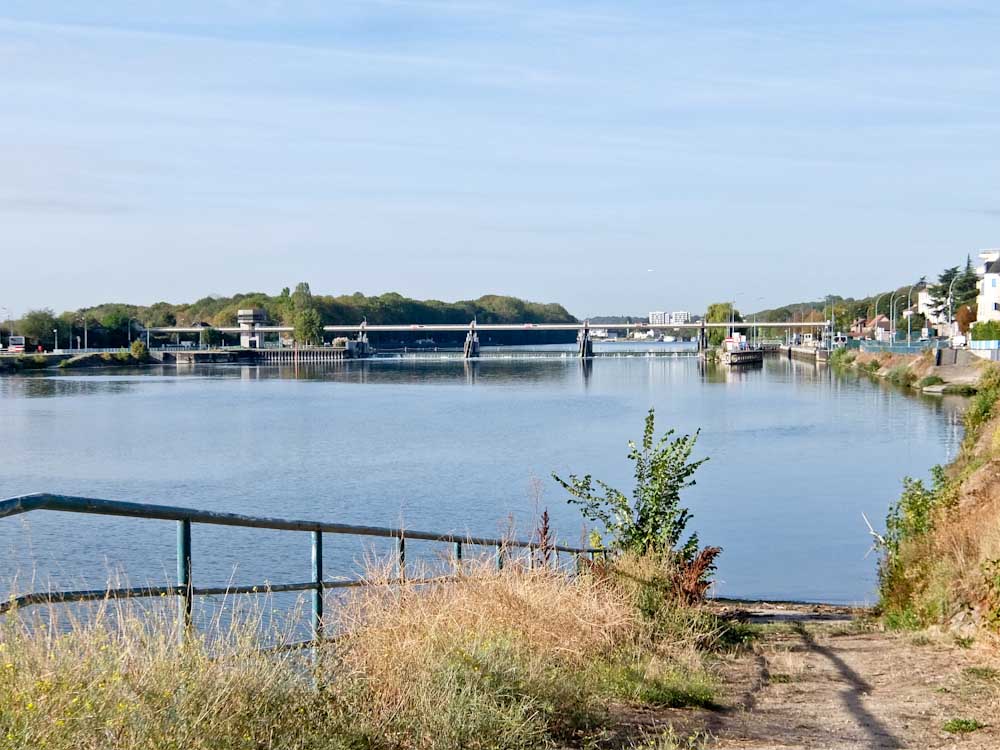
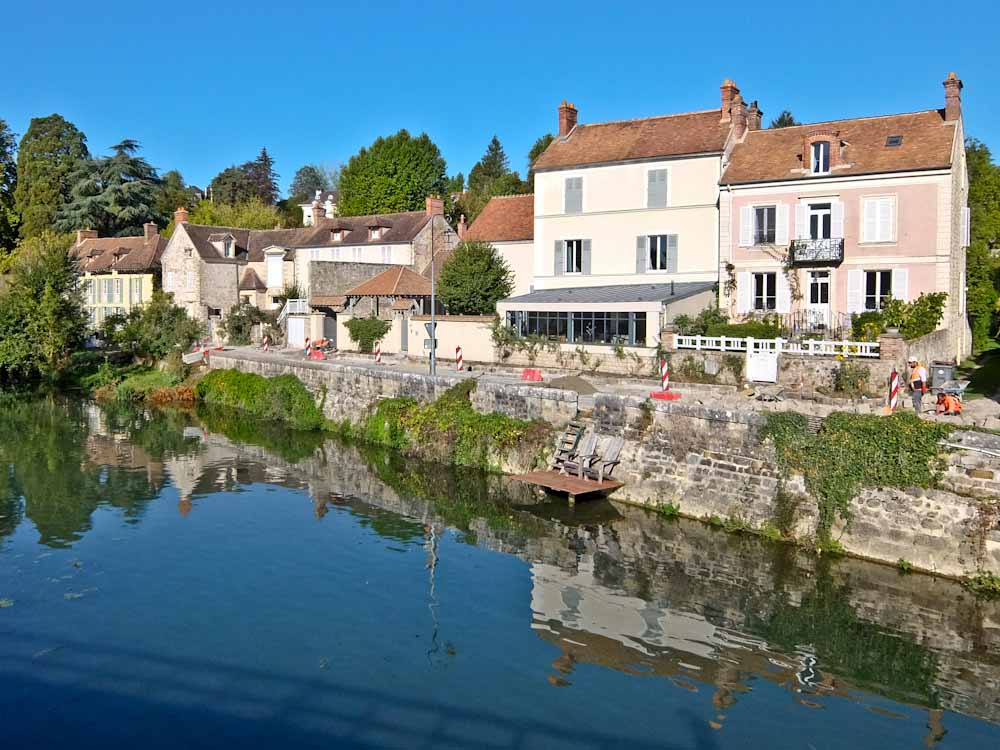
This stage offers a symphony of blues and greens with the Seine on one side and the vast Fontainebleau Forest on the other. I pass more of those picture book homes around Samois-sur-Seine, itself one of the most beautiful villages in the Ile-de-France Region. It was also the last home of Django Reinhardt who is buried in the churchyard.
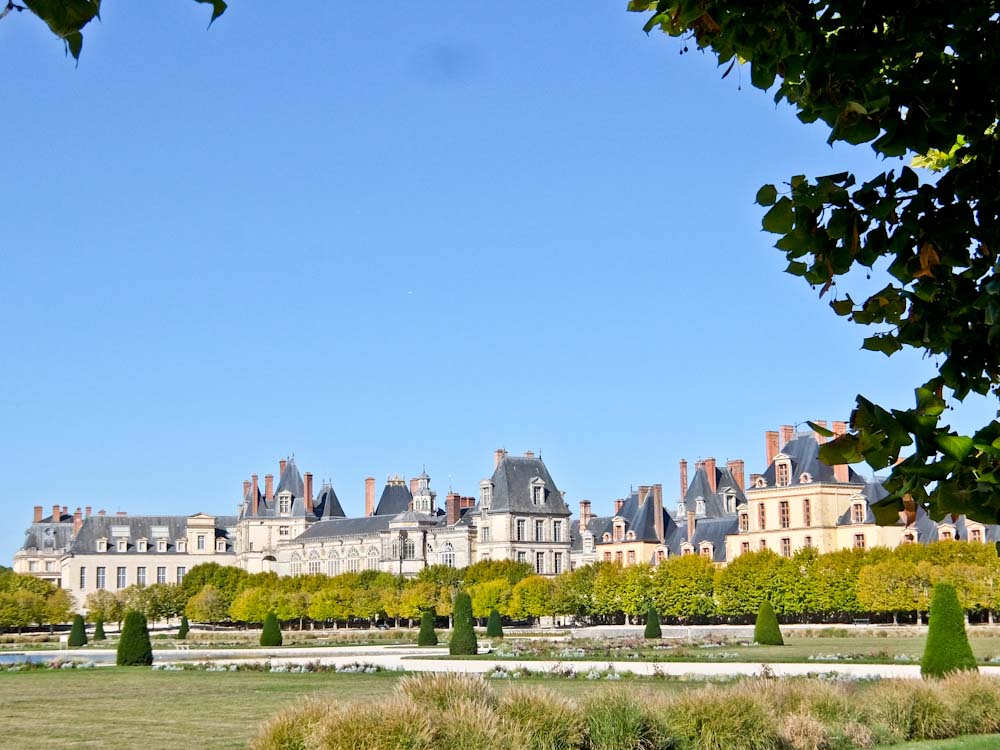
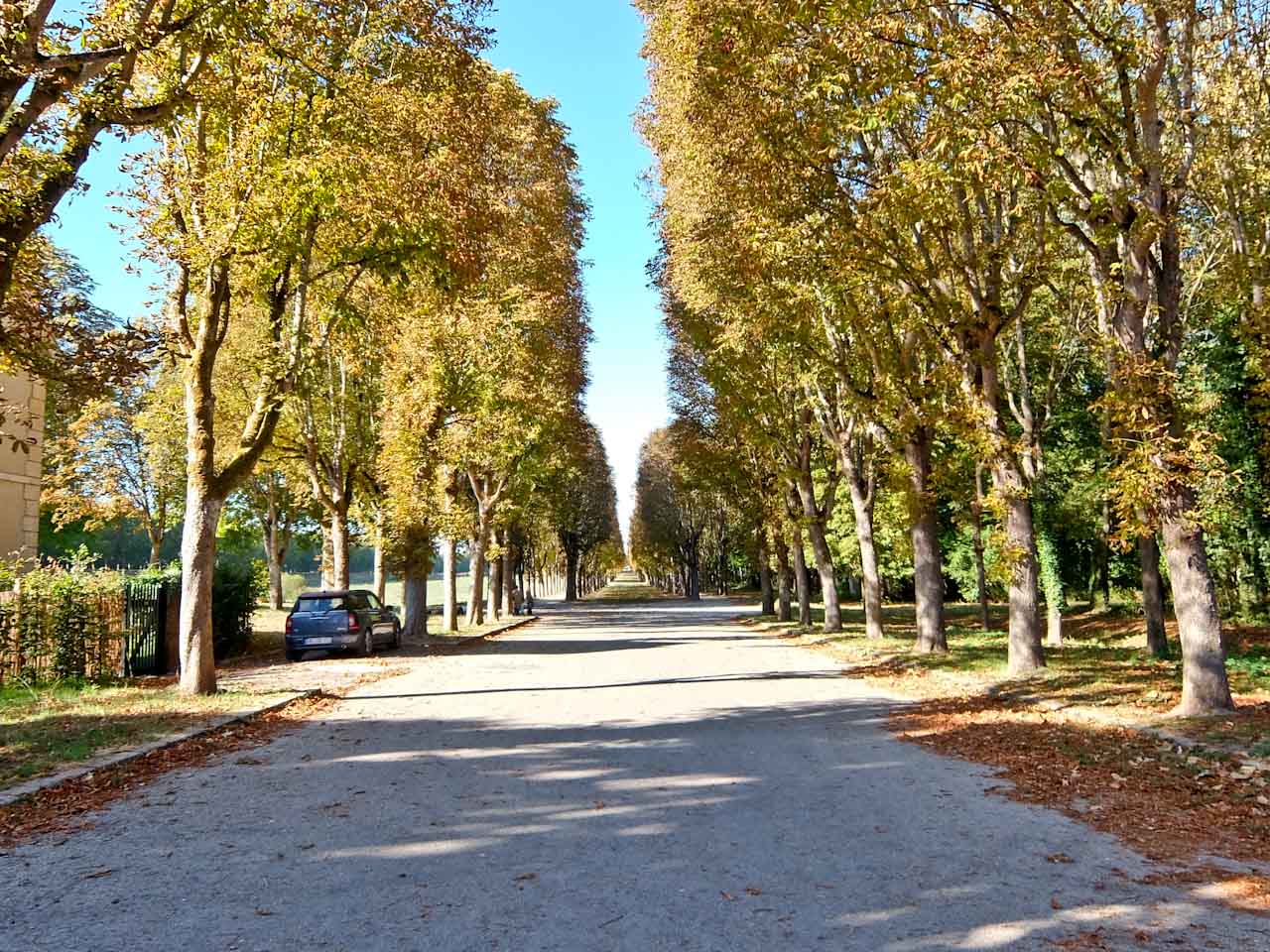
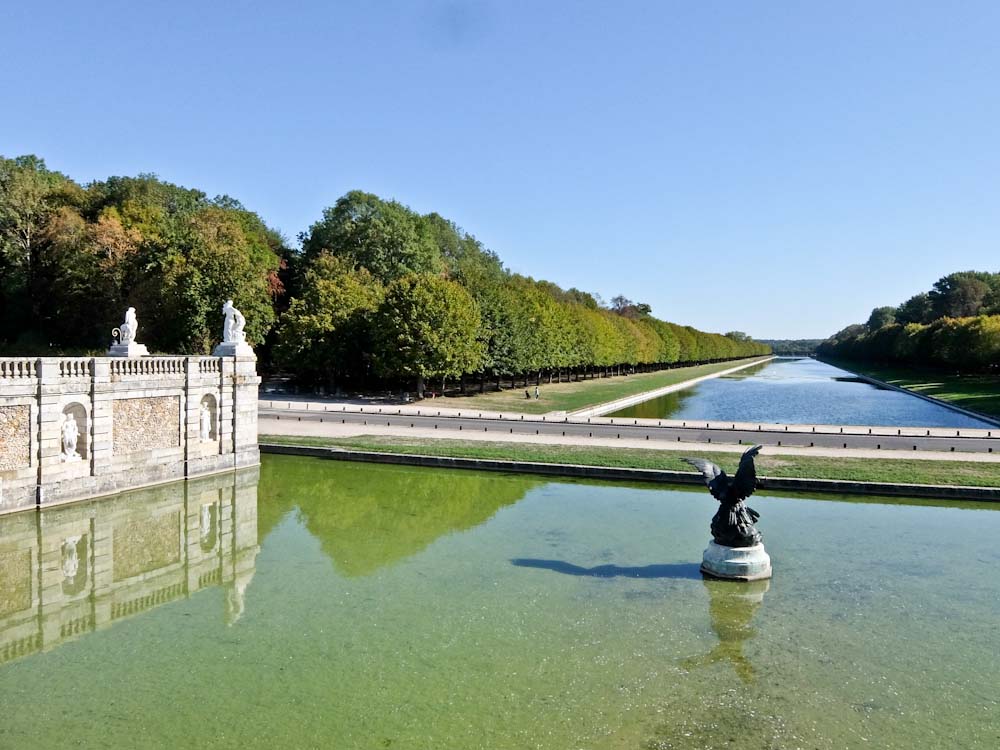
I divert from the river to the royal town of Fontainebleau and spend a few hours exploring the extensive gardens of the famous Chateau. Back at the Seine, at St-Mammès, I soon leave the river for the Canal du Loing. It leads me to the charming mediaeval town of Moret-sur-Loing, associated with the impressionist Alfred Sisley. He spent the last 20 years of his life capturing its landscapes in more than 400 canvases
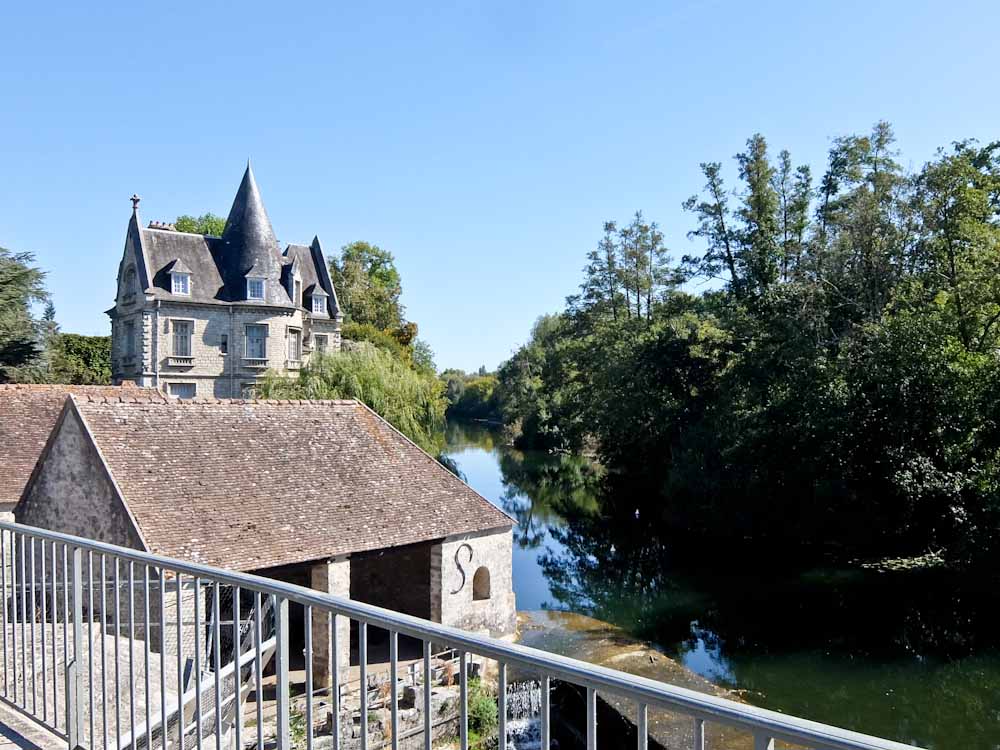
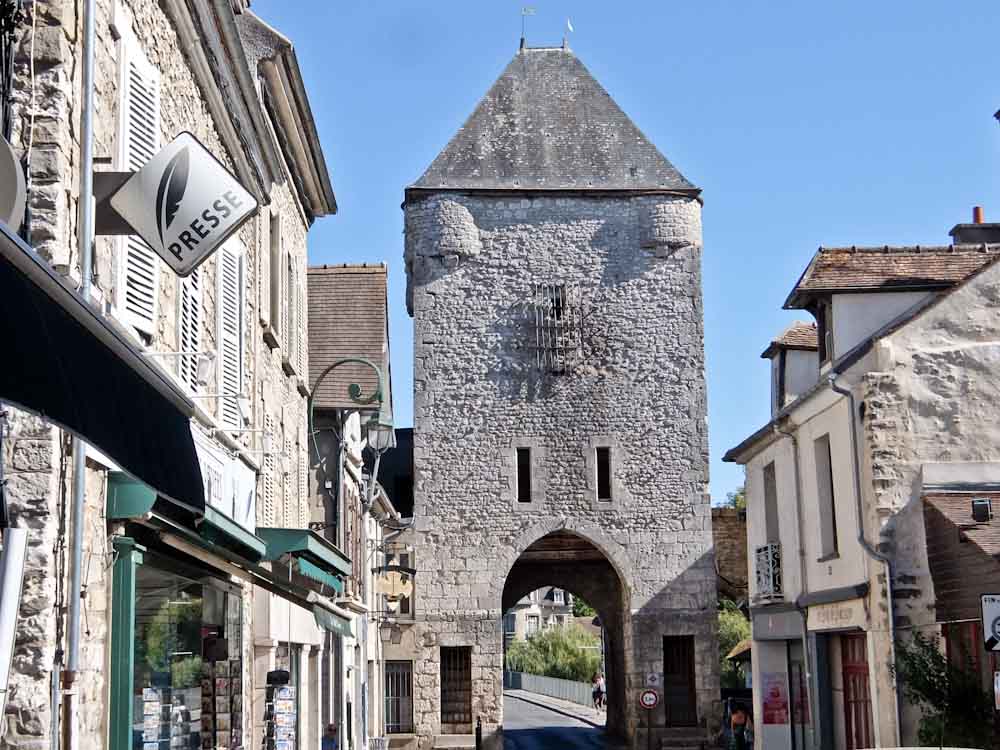
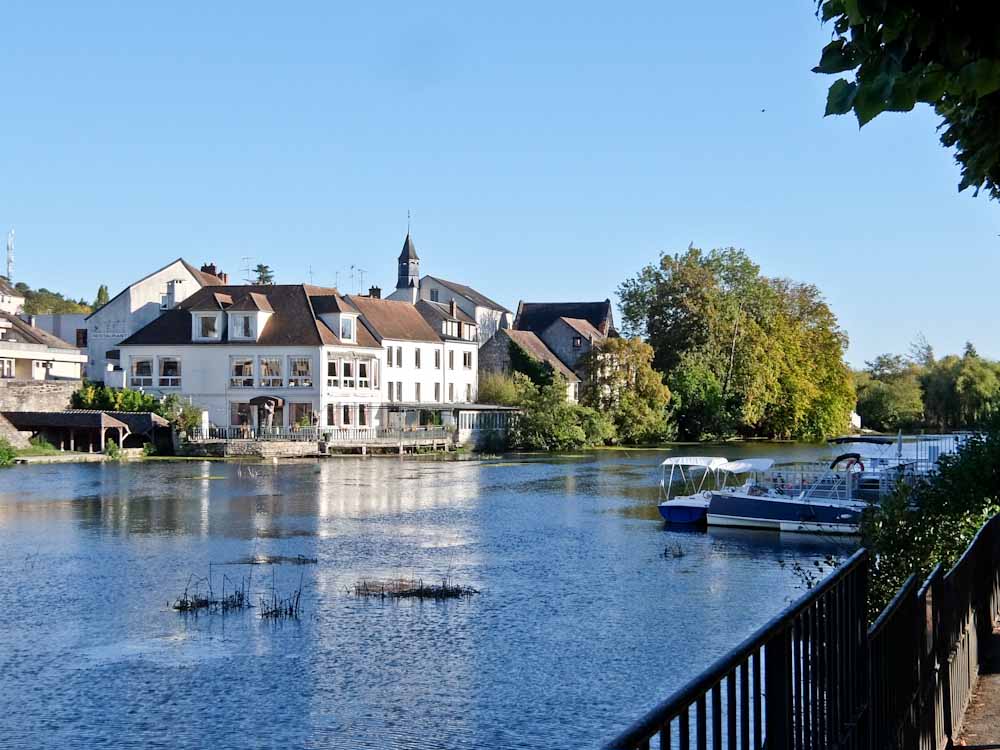
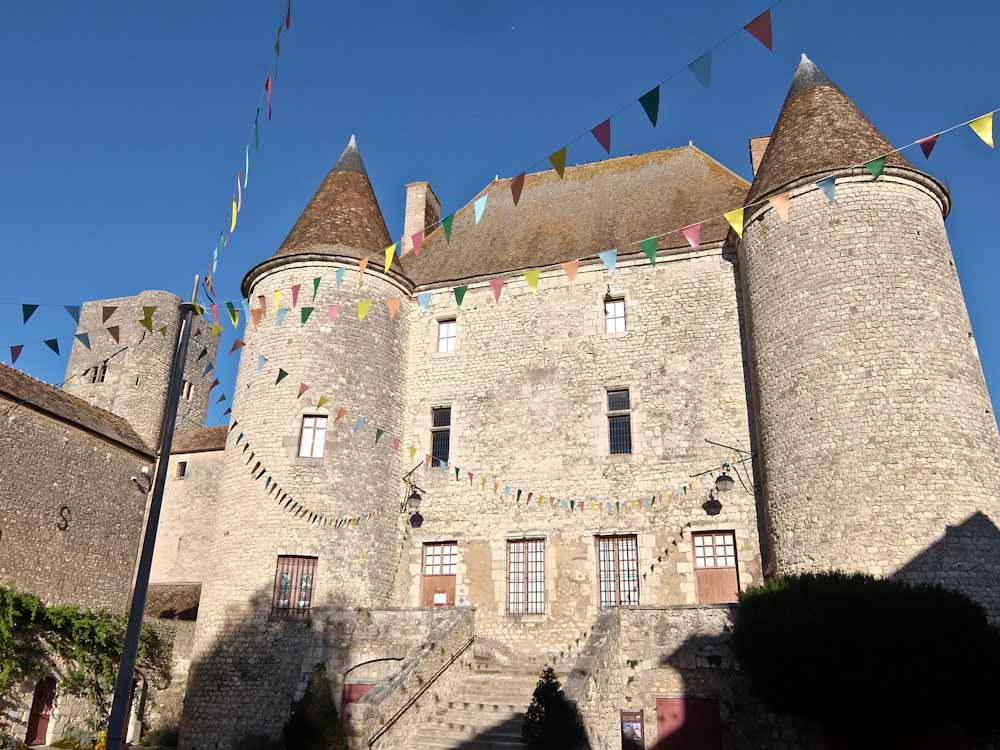
It’s another 18km along the canal to Nemours, another attractive medieval town with a small chateau. It was built in the 12th century and houses a museum with a collection of archaeological finds, earthenware, paintings and sculptures. It’s best viewed from the water and it’s easy to hire a boat for an hour.
Day 3 Montargis to Briare 56km
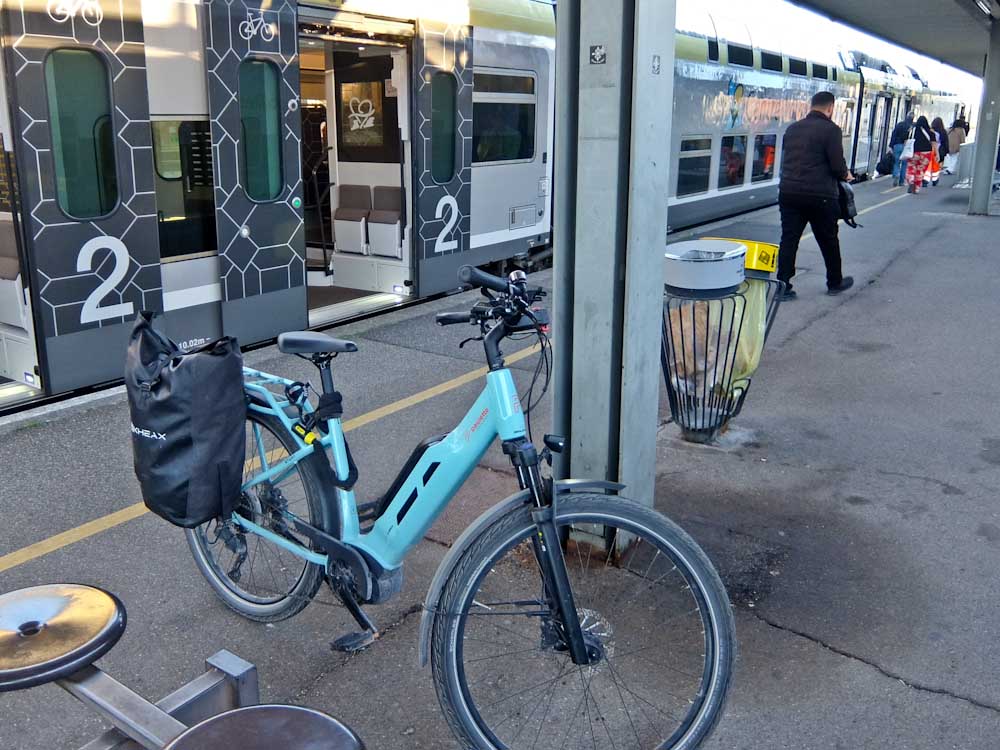
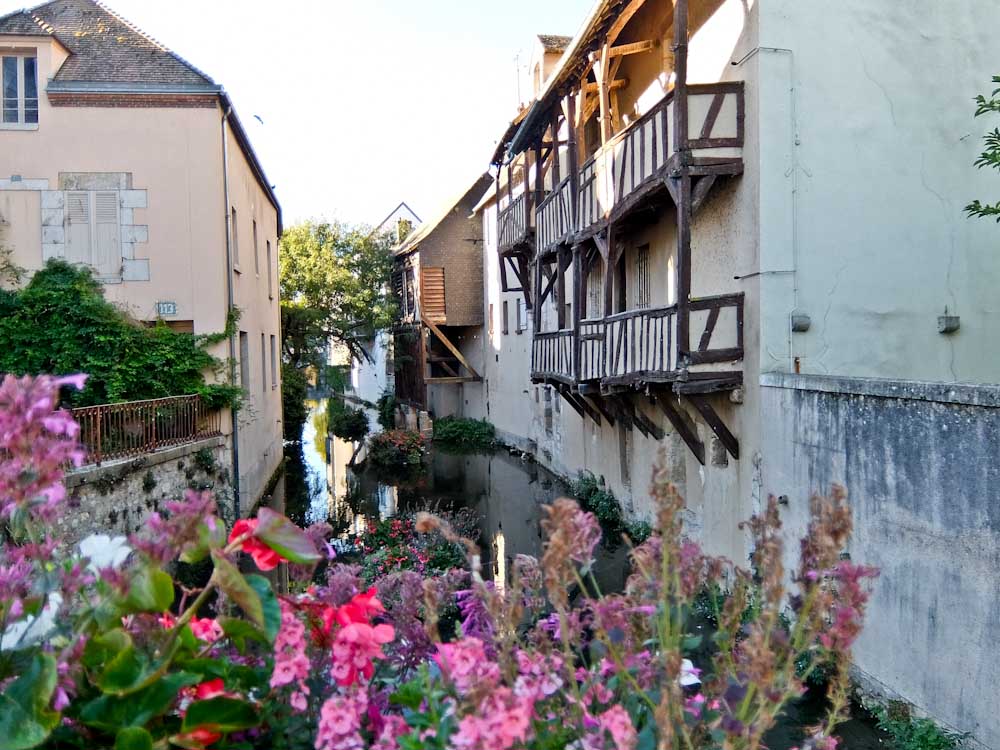
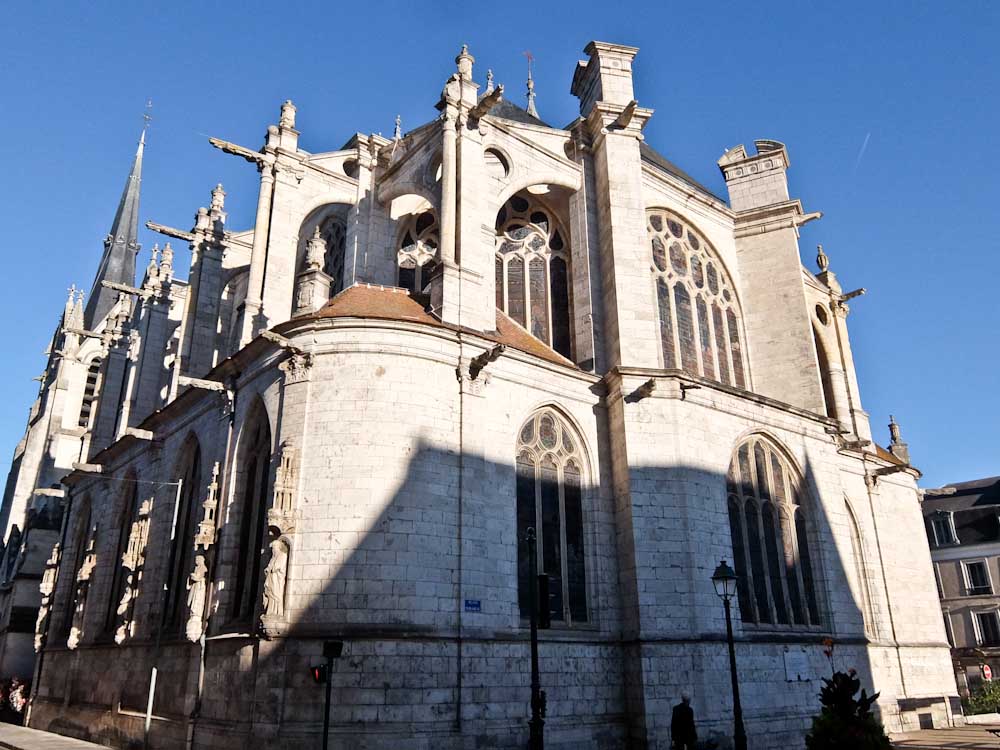
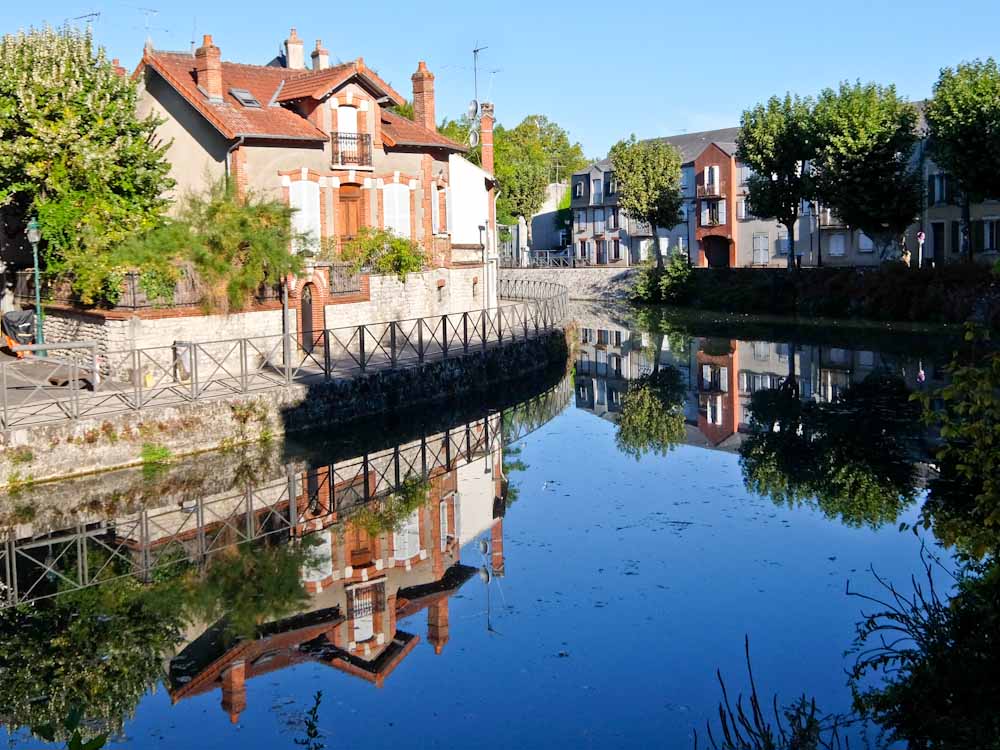
I’m tight on time so I load my bike on the train and take the short journey to Montargis. It’s known as the Little Venice of the Gâtinais, because of its many water channels, once home to tanneries and fishermen. More recently, in the 1920’s the Chinese leaders Deng Xiaoping and Chou En-lai lived and worked here.
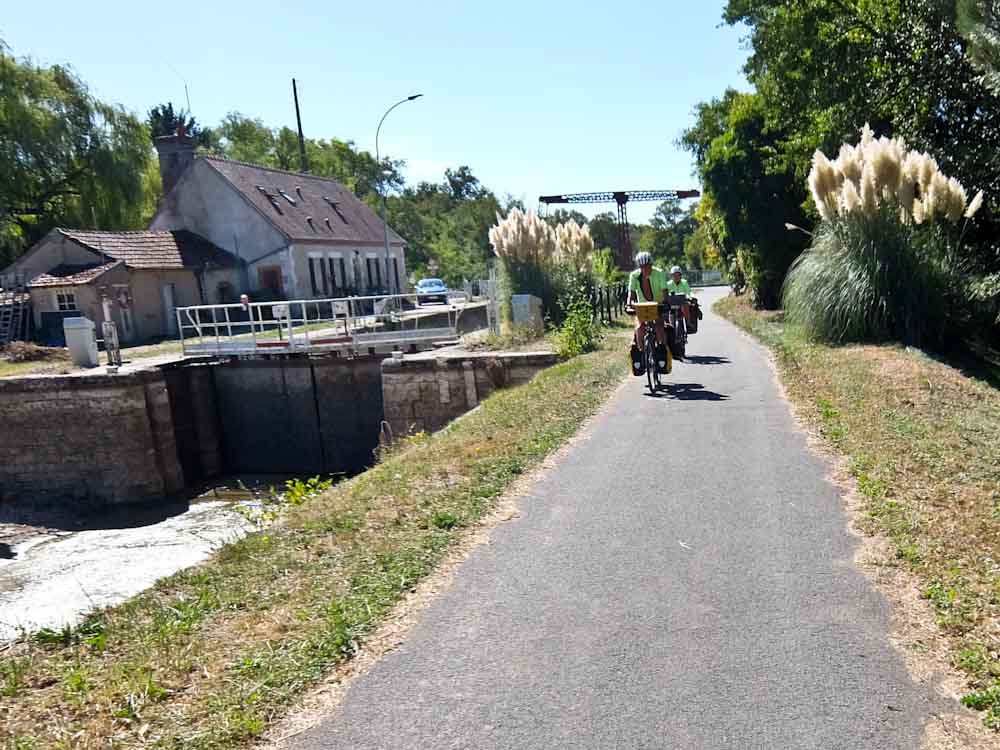
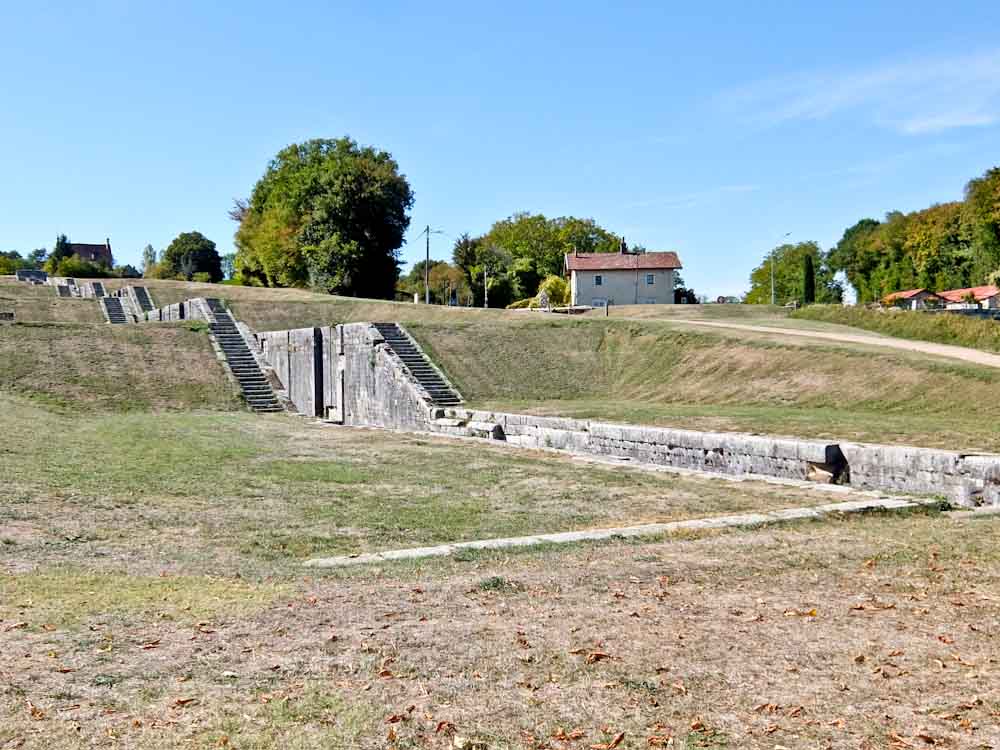
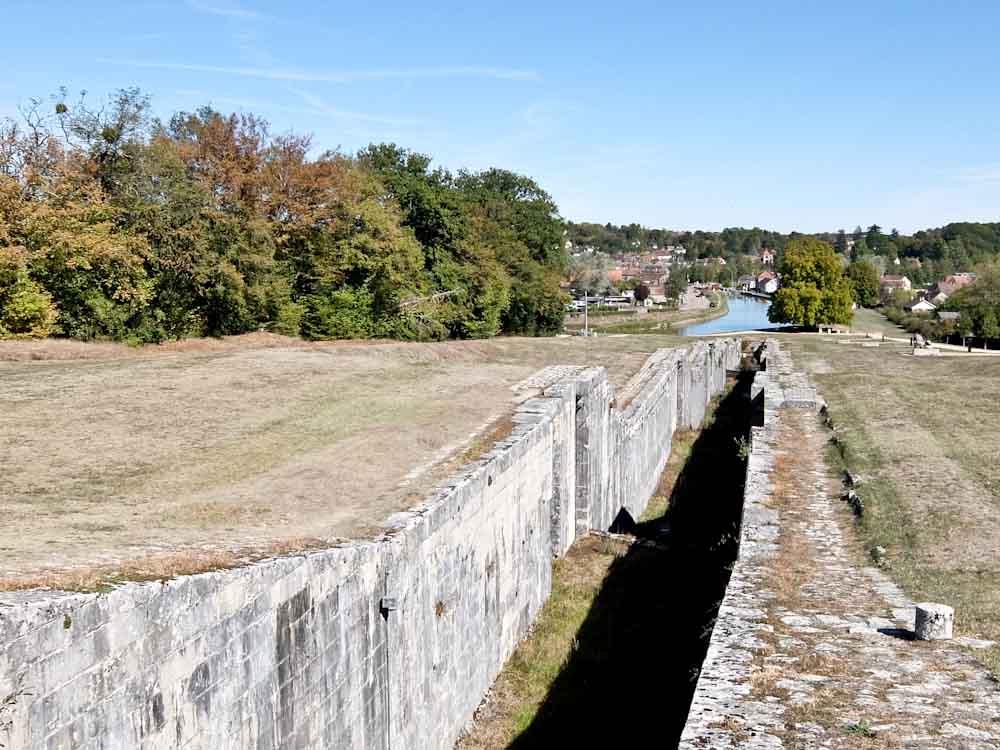
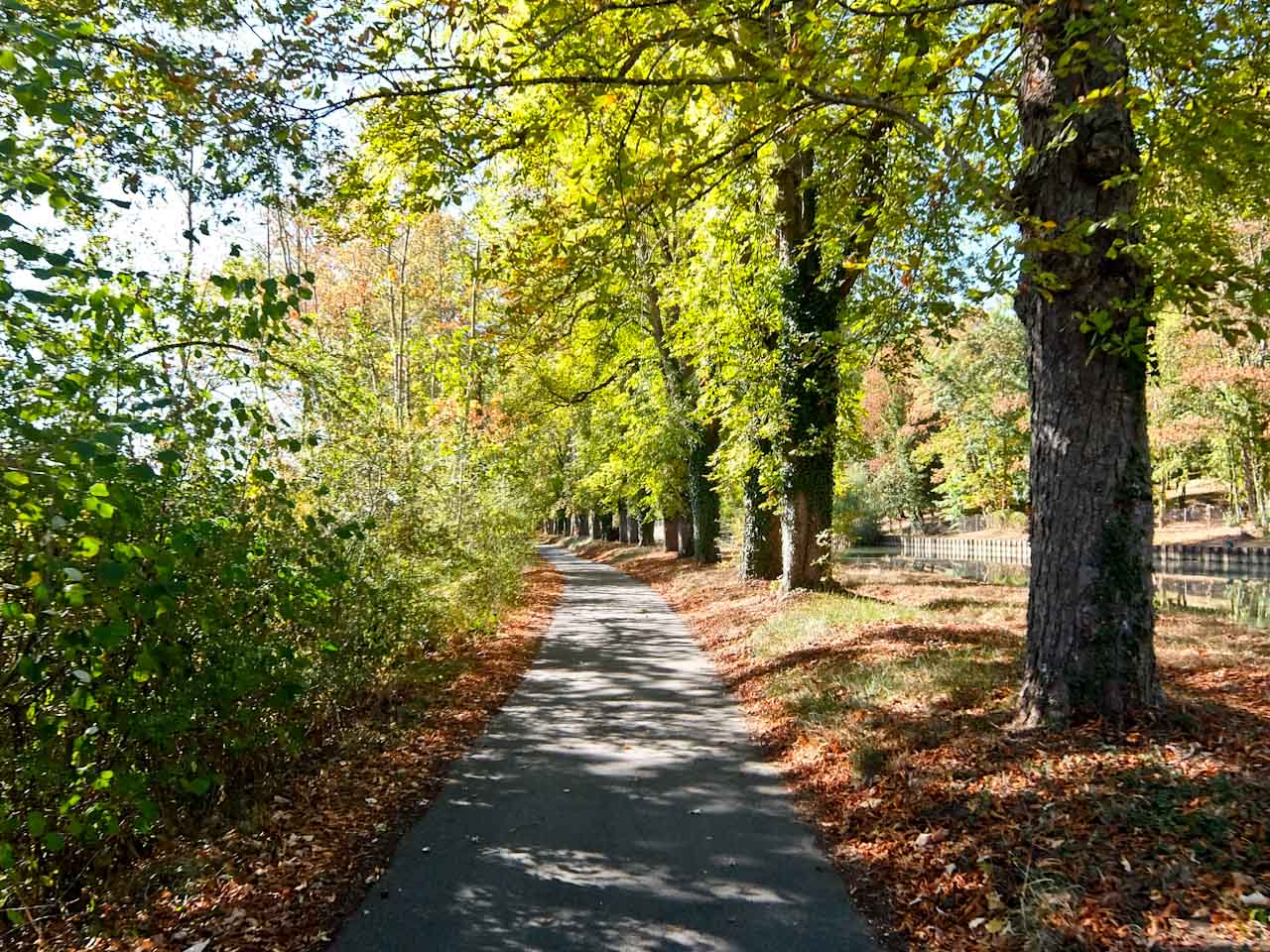
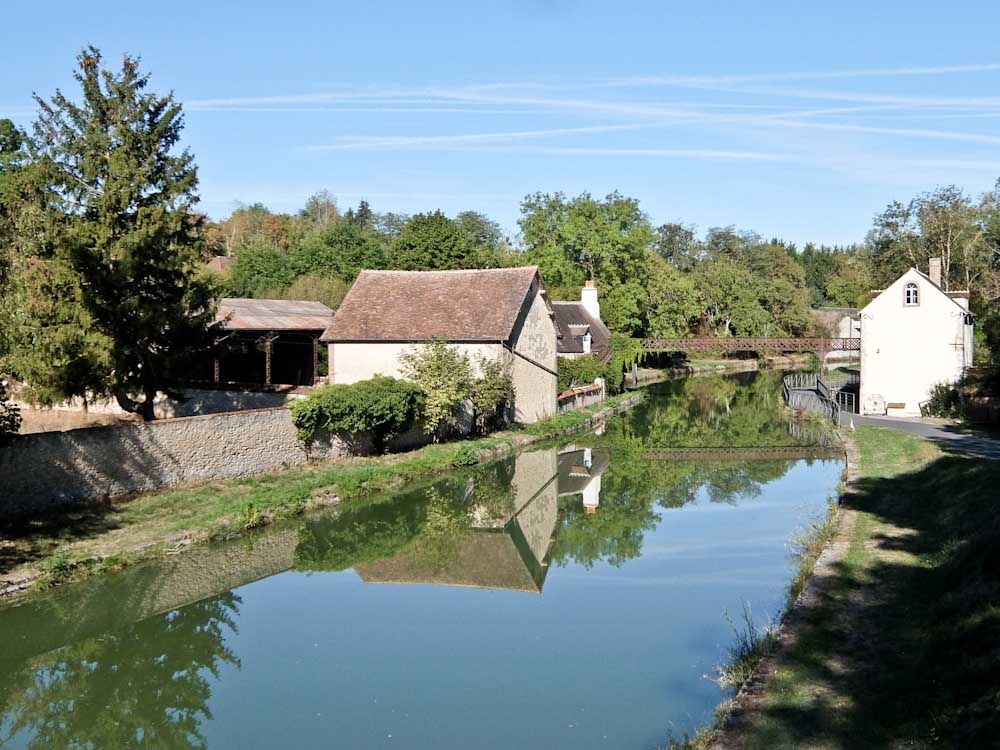
I now change canal and set out on the towpath beside the Canal de Briare, one of the oldest in France dating from 1604. The route is dotted with charming Gâtinais villages and a succession of locks. At Rogny les 7 Écluses, there’s an impressive flight of seven rising skywards in a succession of stone structures.
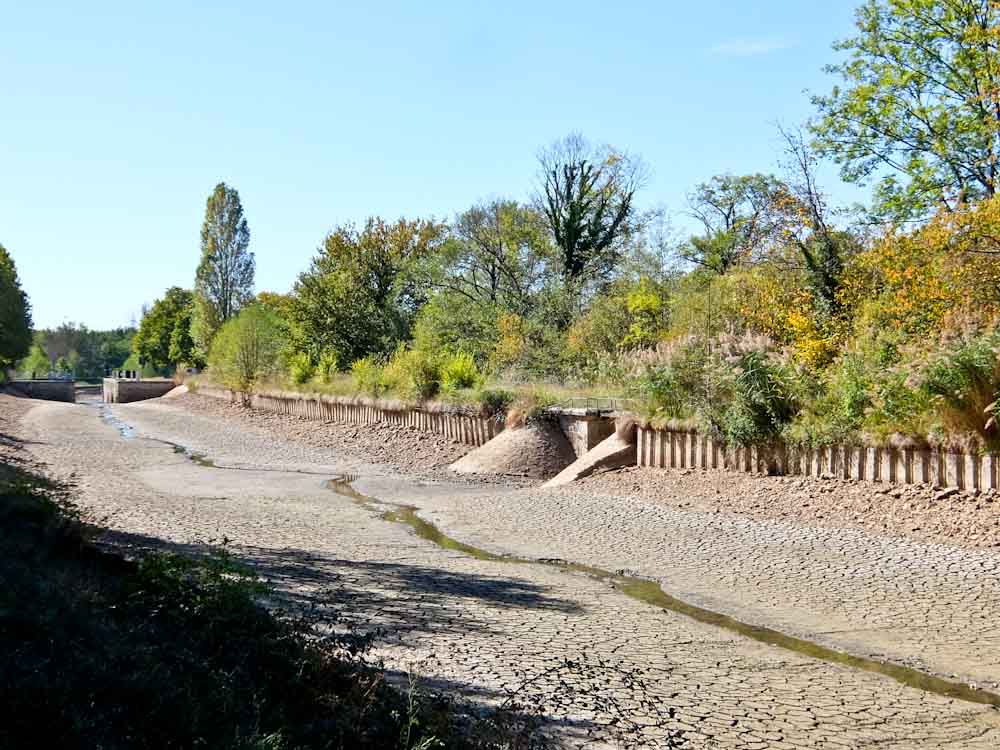
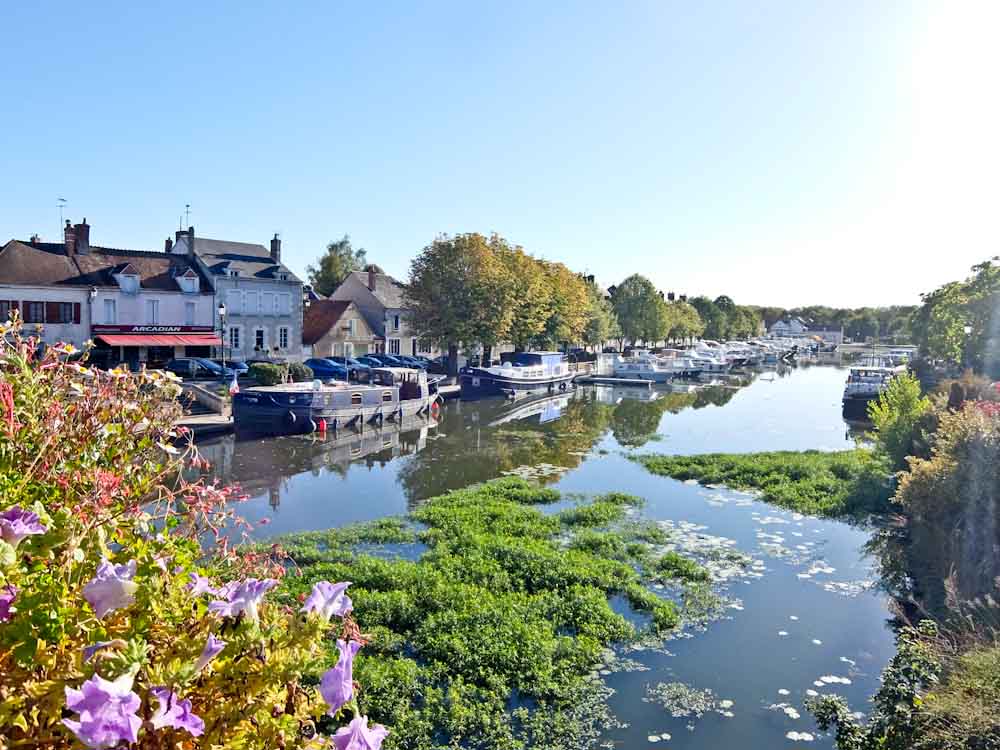
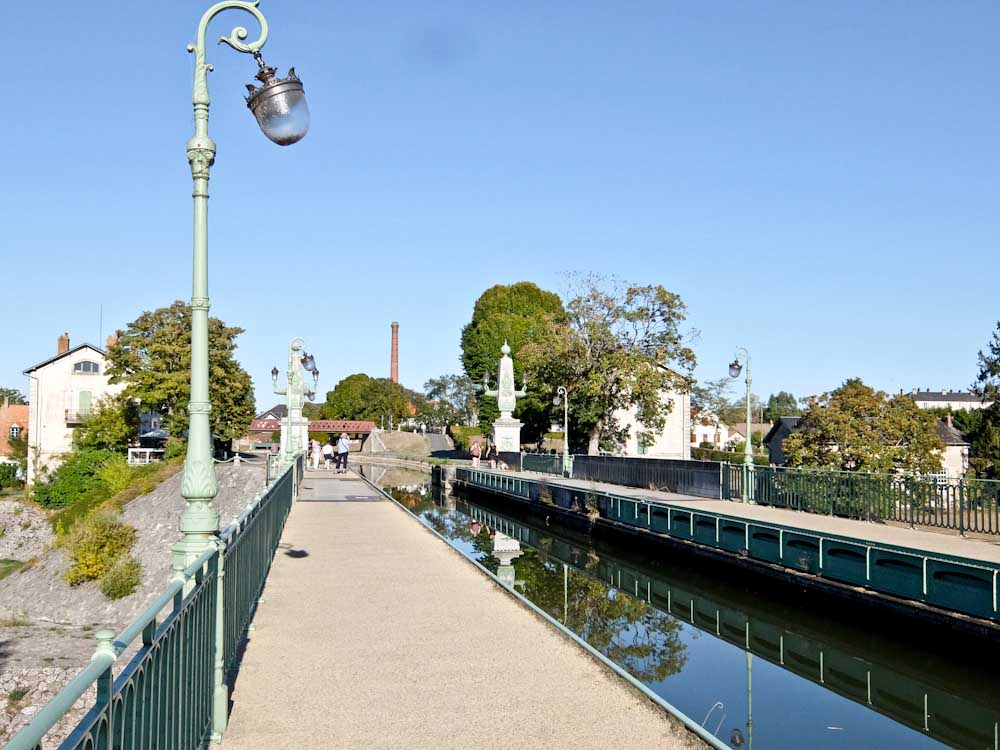
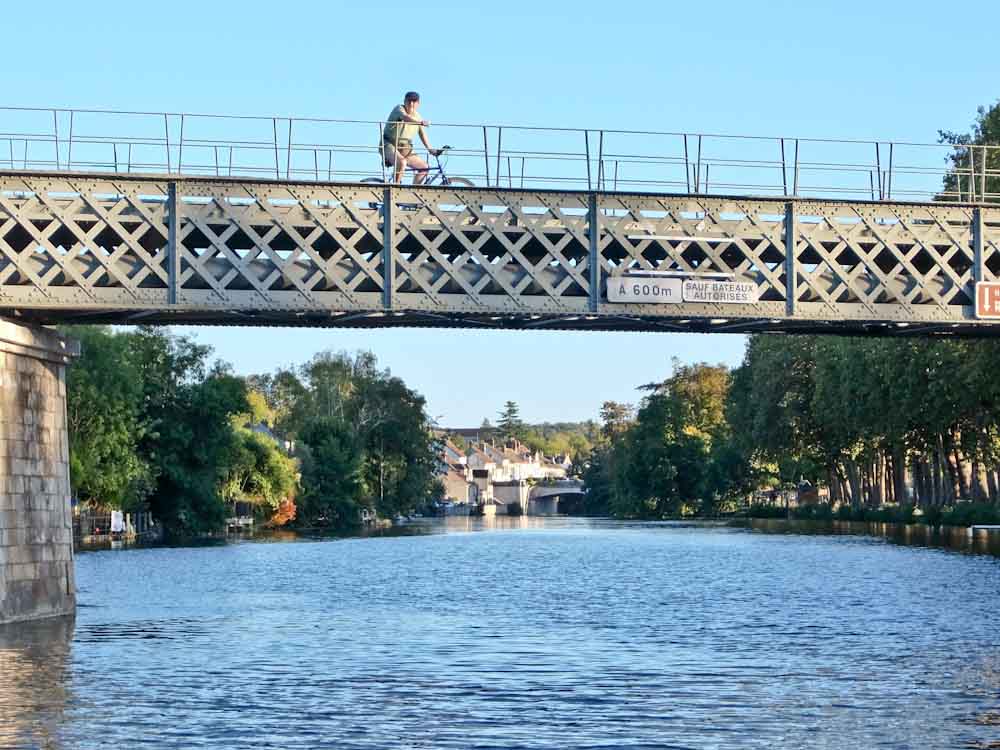
Extensive repair works to the canal means a short diversion and even when I rejoin there’s just an empty channel. Suddenly the canal is full again and it leads me to Briare. The big attraction here is the Pont-Canal de Briare, an extraordinary aqueduct designed by Eiffel. His elegant metal structure carries the canal across the Loire, supported on stone piers.
Day 4 Briare to Sully-sur-Loire 41km
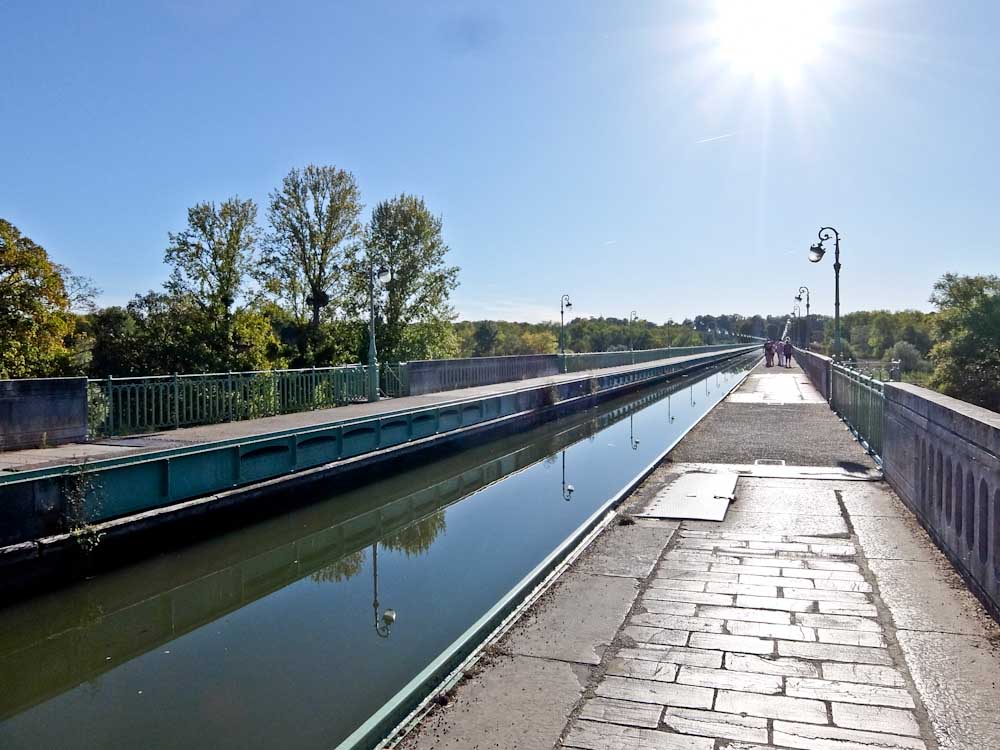
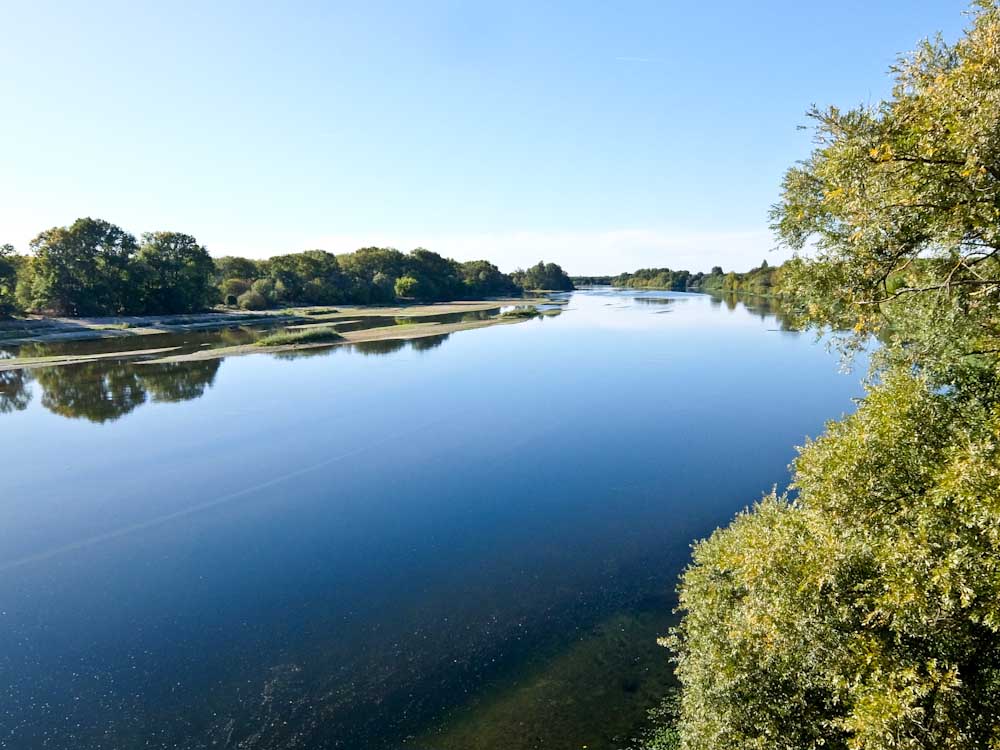
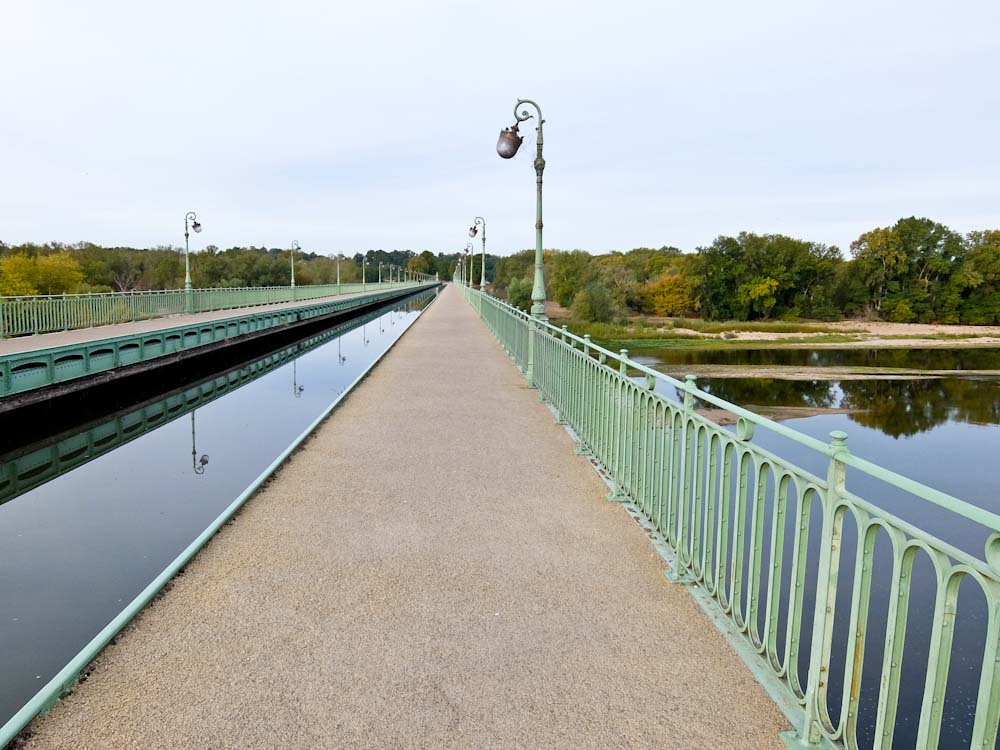
My day starts by cycling across the aqueduct with water on both sides and the river beneath. This is where the Scandibérique joins the Loire à Vélo route and I follow the river to Gien. This is a thriving pottery town with the interesting Musée de la Faïencerie, situated in a functioning factory.
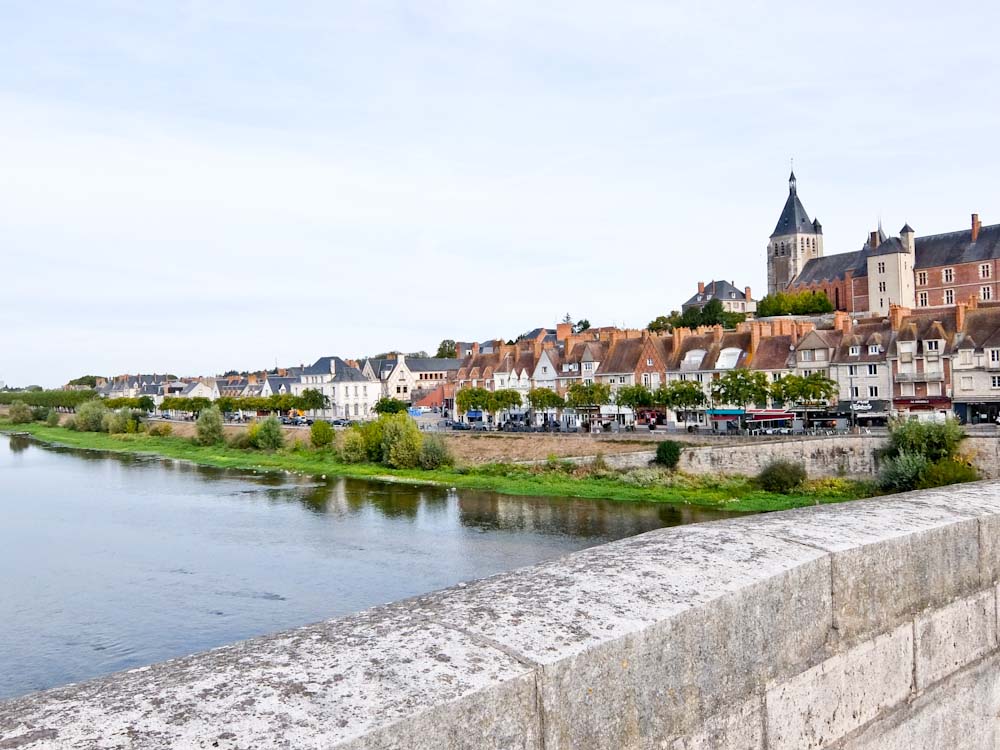
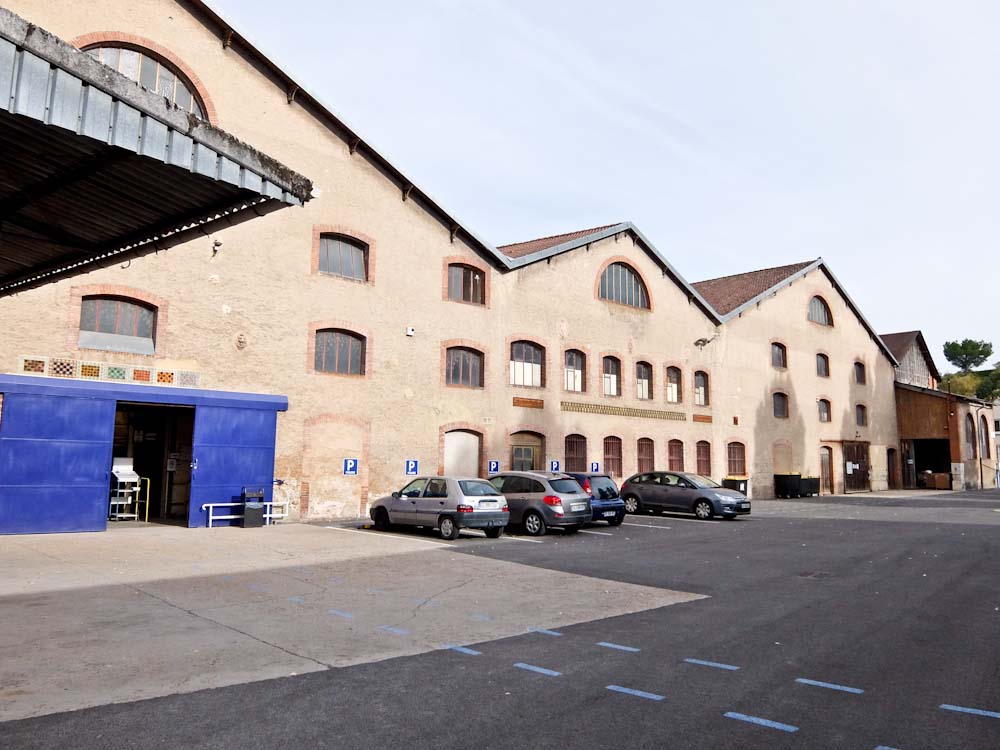
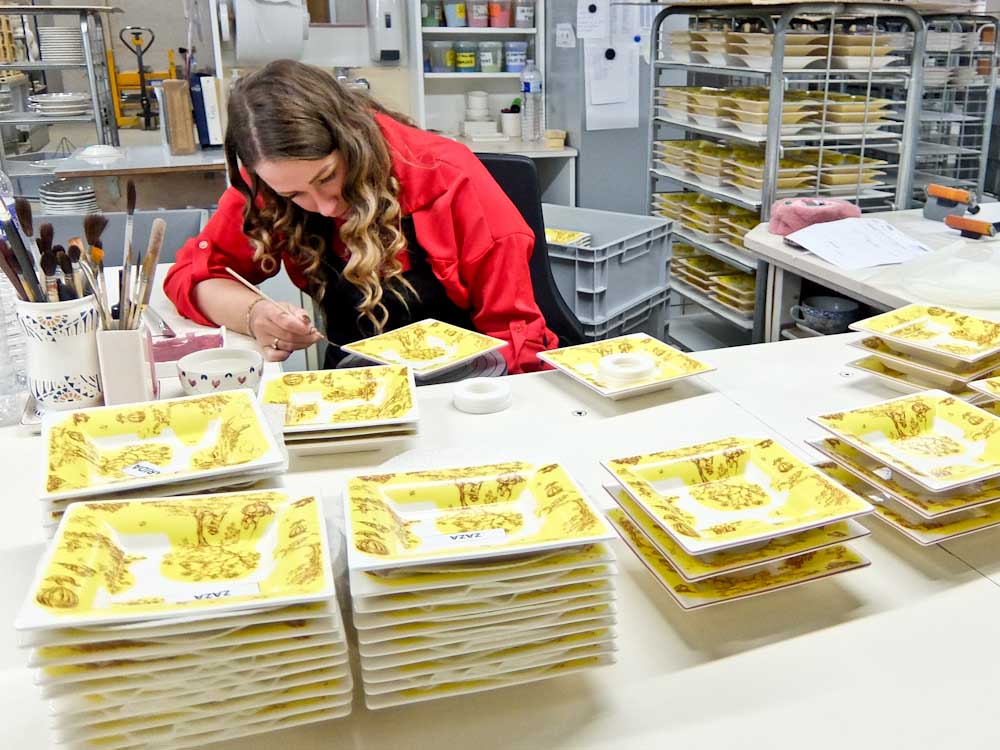
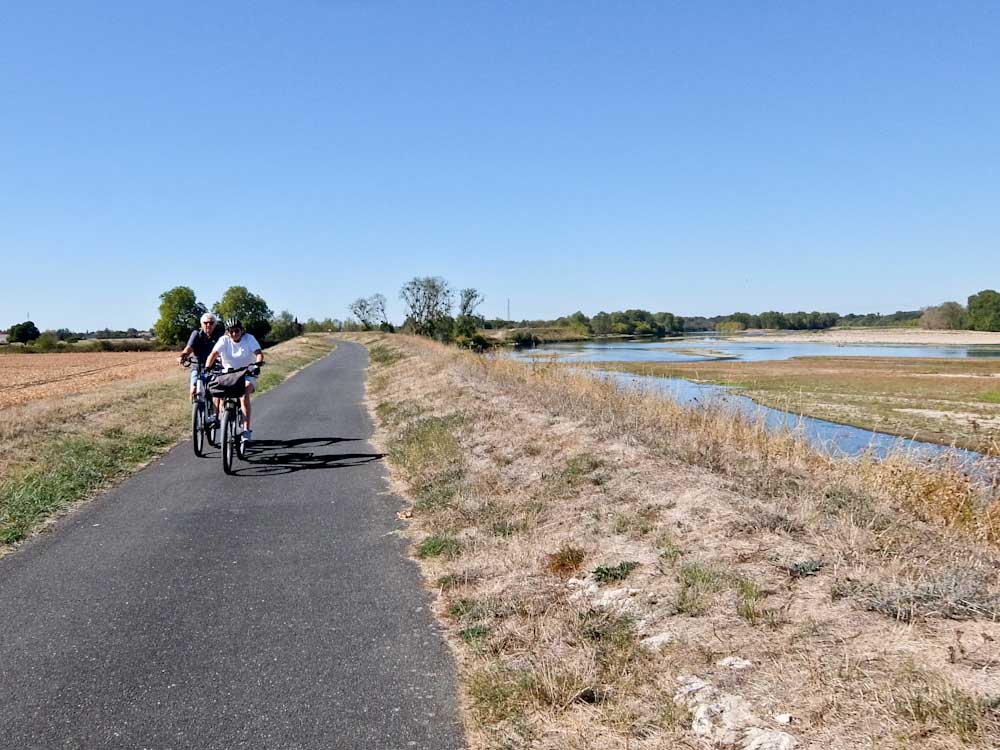
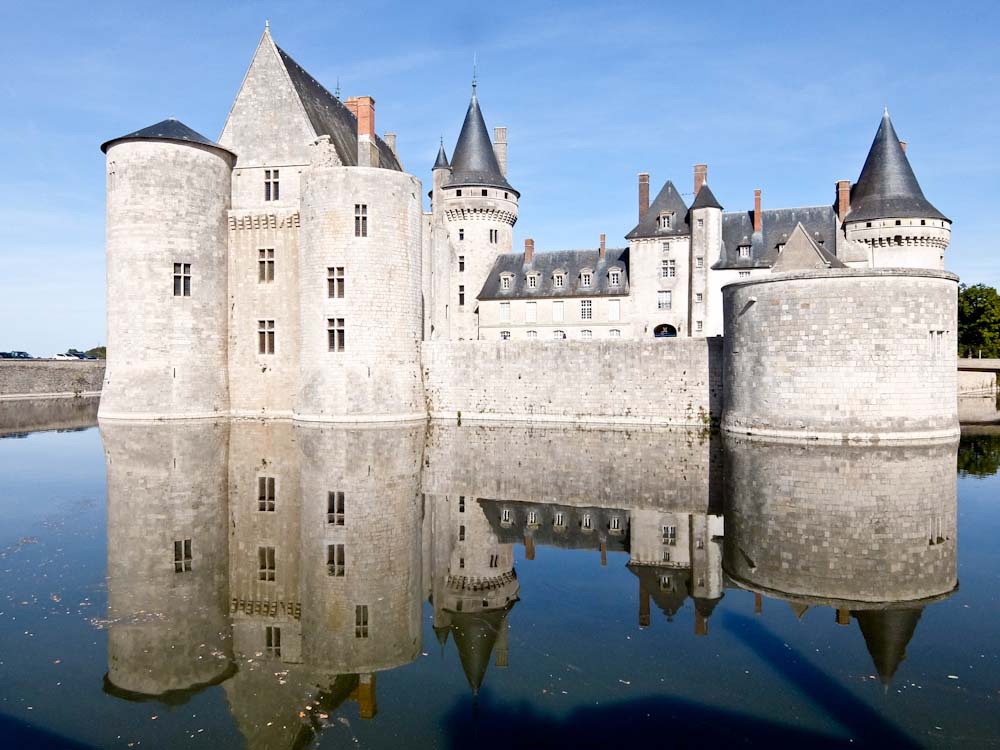
I carry on along by the river, with constantly changing views of the sandbanks, islands and wide floodplain. My destination is the fabulous Château de Sully-sur-Loire, an imposing sentinel guarding the Loire. It’s well worth a visit and the interior has been furnished in suitable historical style.
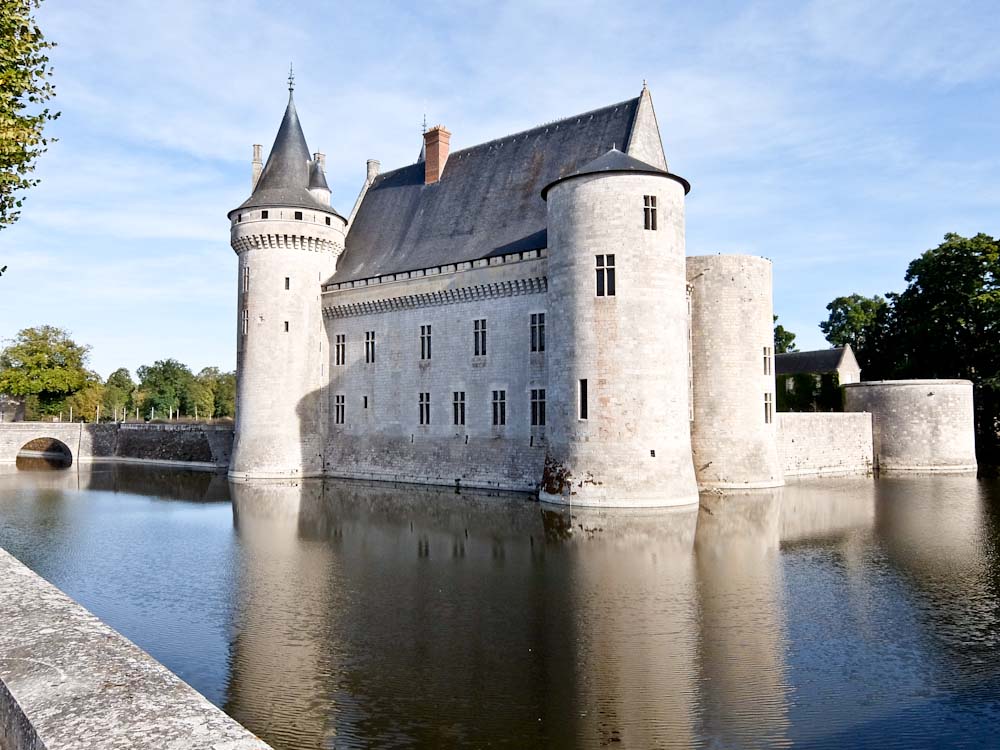
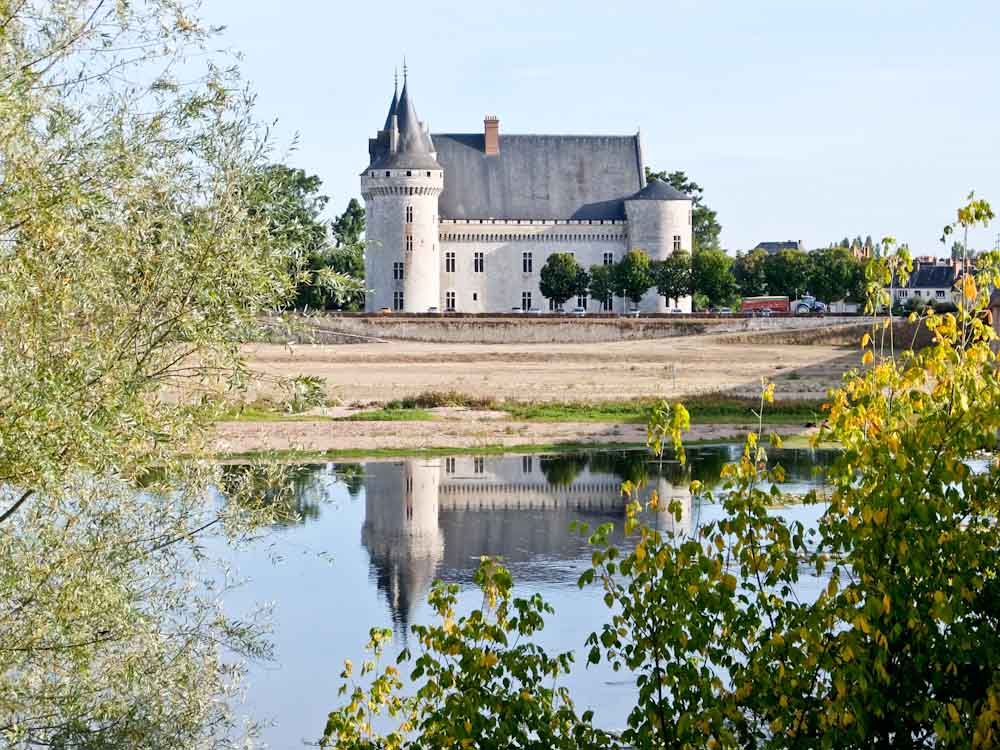
Day 5 Sully-sur-Loire to Orléans 51km
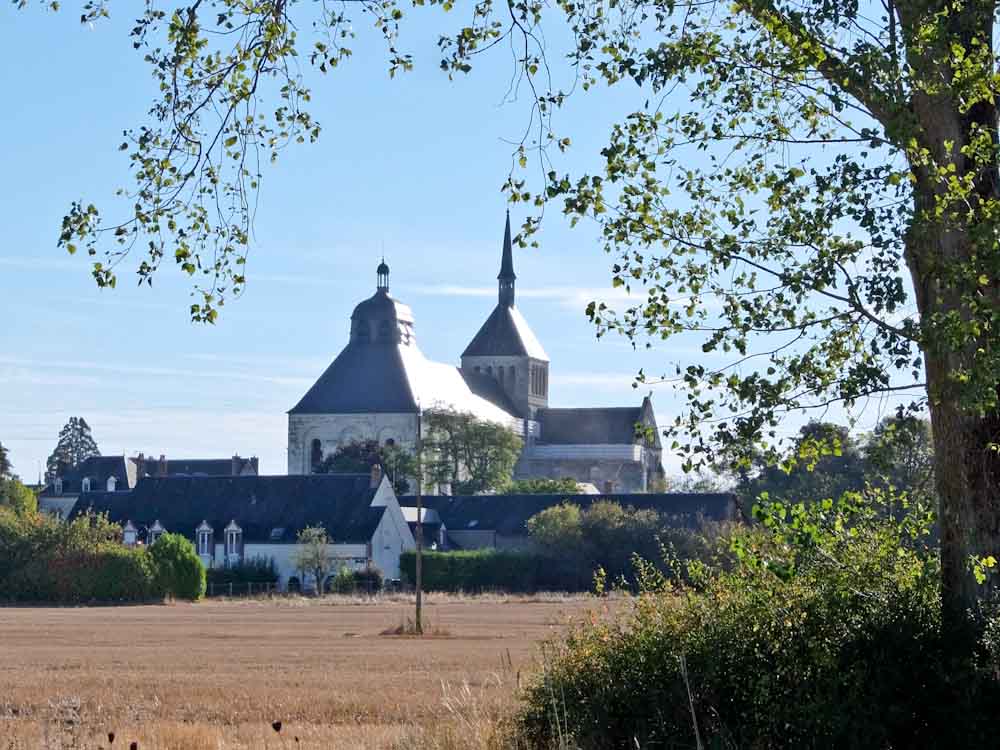
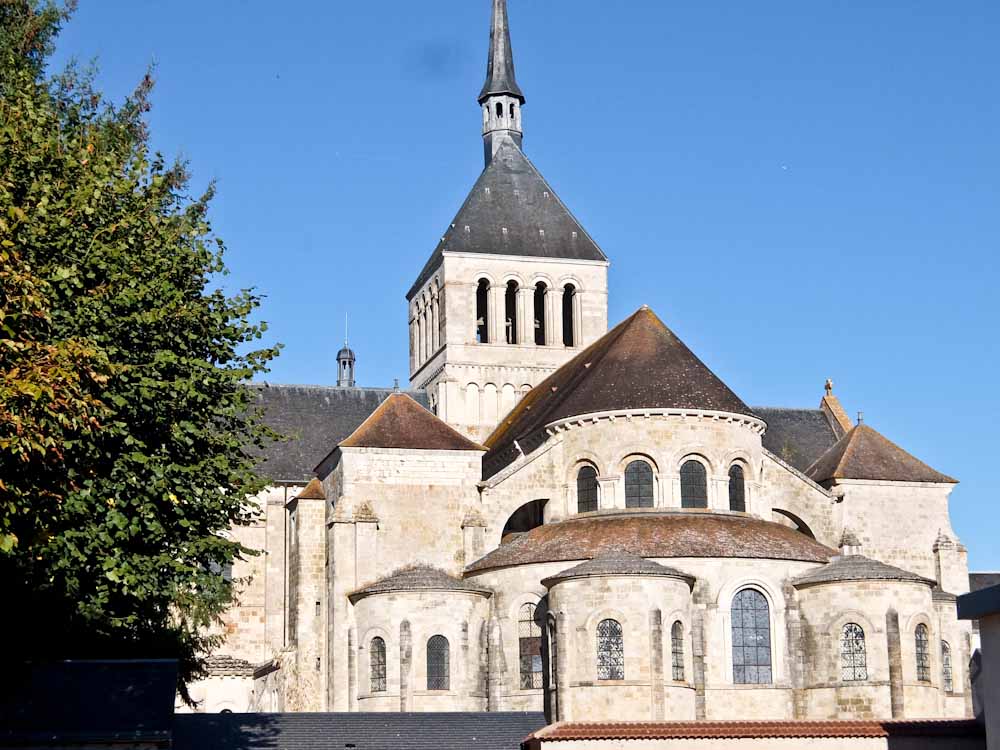
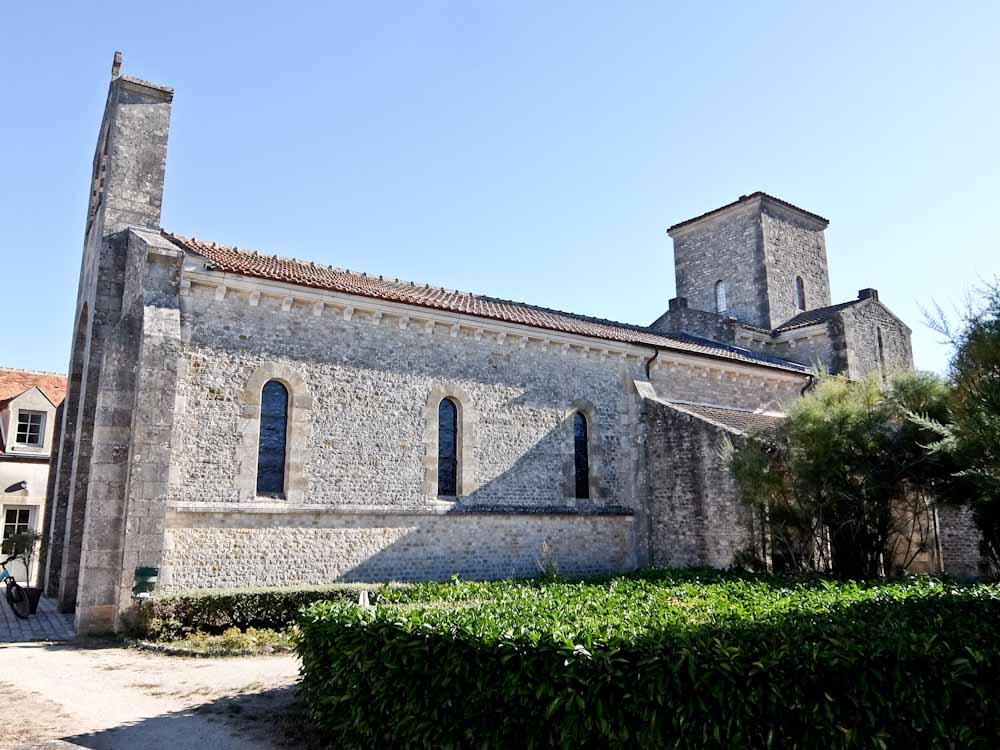
From Sully to Chalonnes, the river has been designated by UNESCO as an outstanding cultural landscape of great beauty. I stop at Saint-Benoît-sur-Loire, to visit the Abbey of Fleury, one of the great Romanesque buildings of the region. Nearby Germigny-des-Prés has an extraordinary Carolingian oratory.
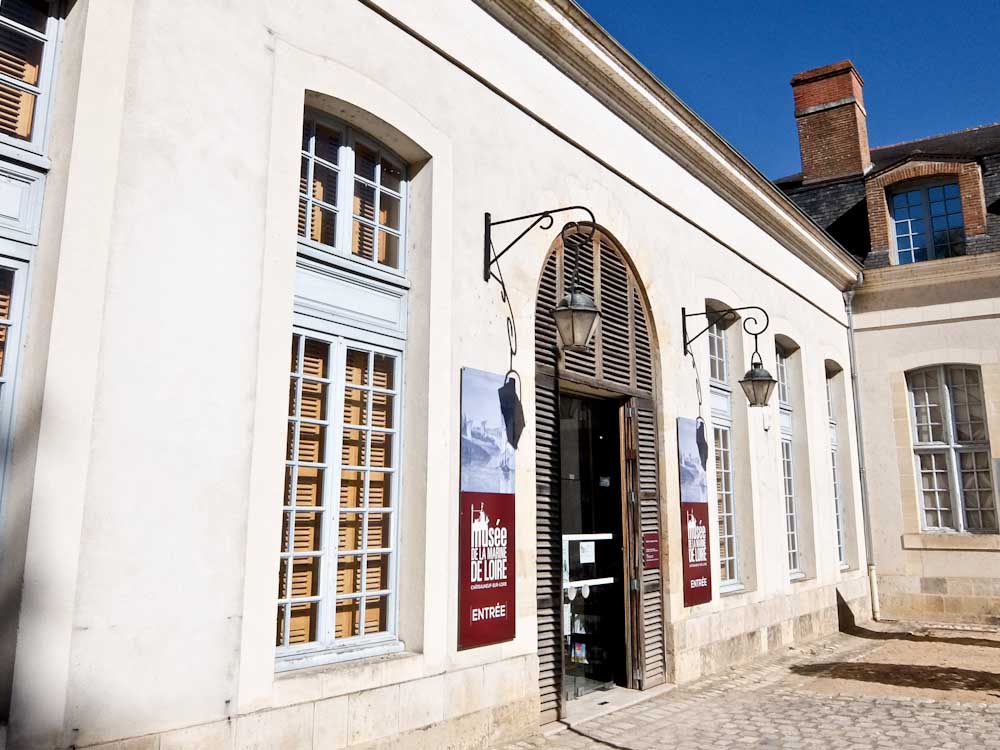
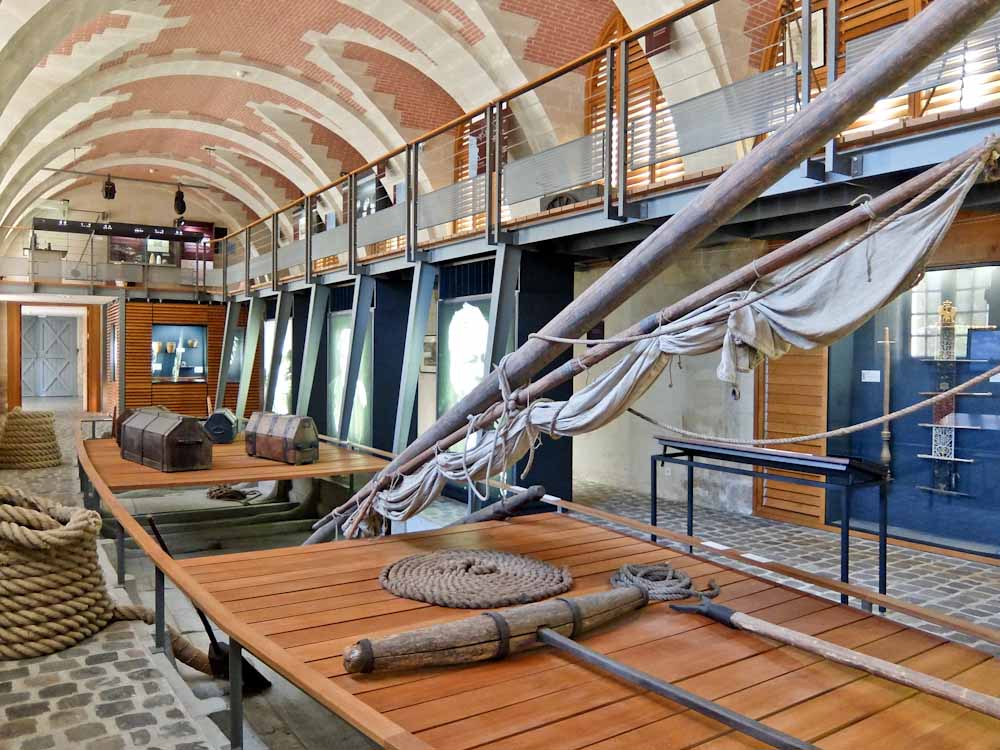
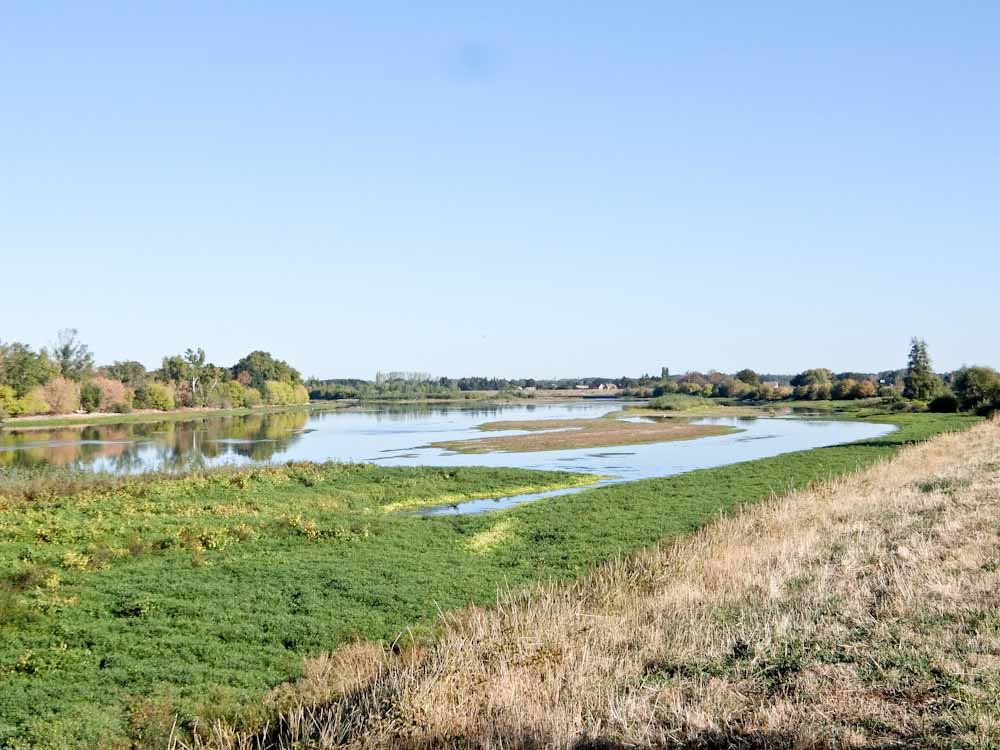
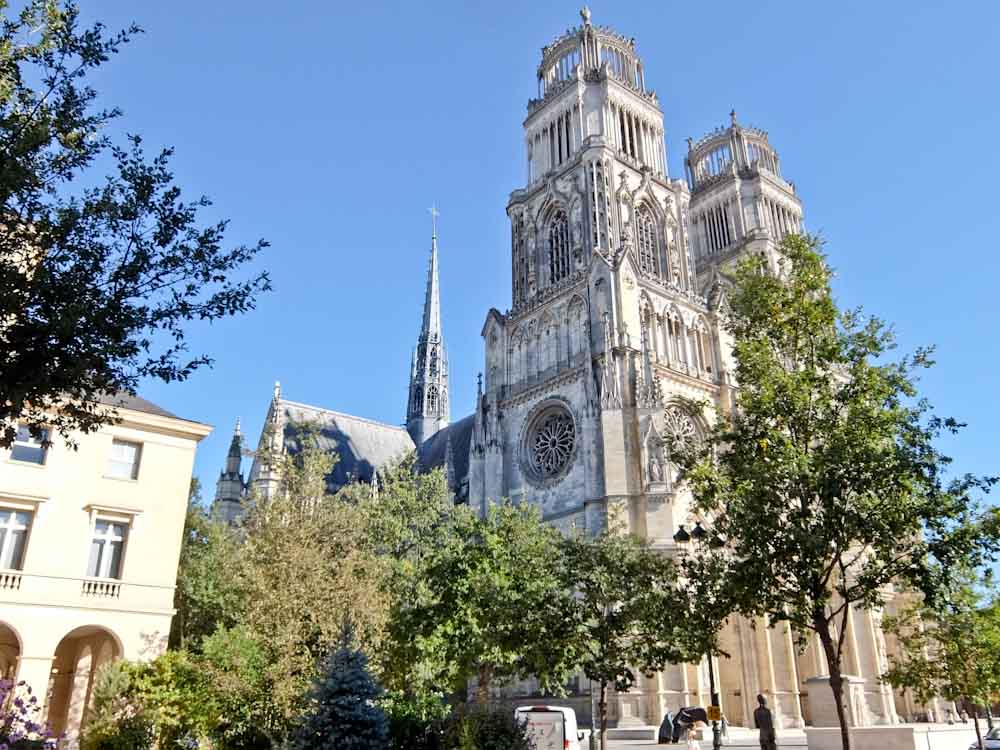
At Châteauneuf-sur-Loire, the Musée de la Marine de Loire supplies a detailed history of river navigation. The final approach to Orléans is almost cinematic. The city gradually appears on the horizon, with the cathedral providing the unmistakable landmark. The route passes through greener surroundings around the Île Charlemagne before reaching the city steeped in French history, most famously associated with Joan of Arc.
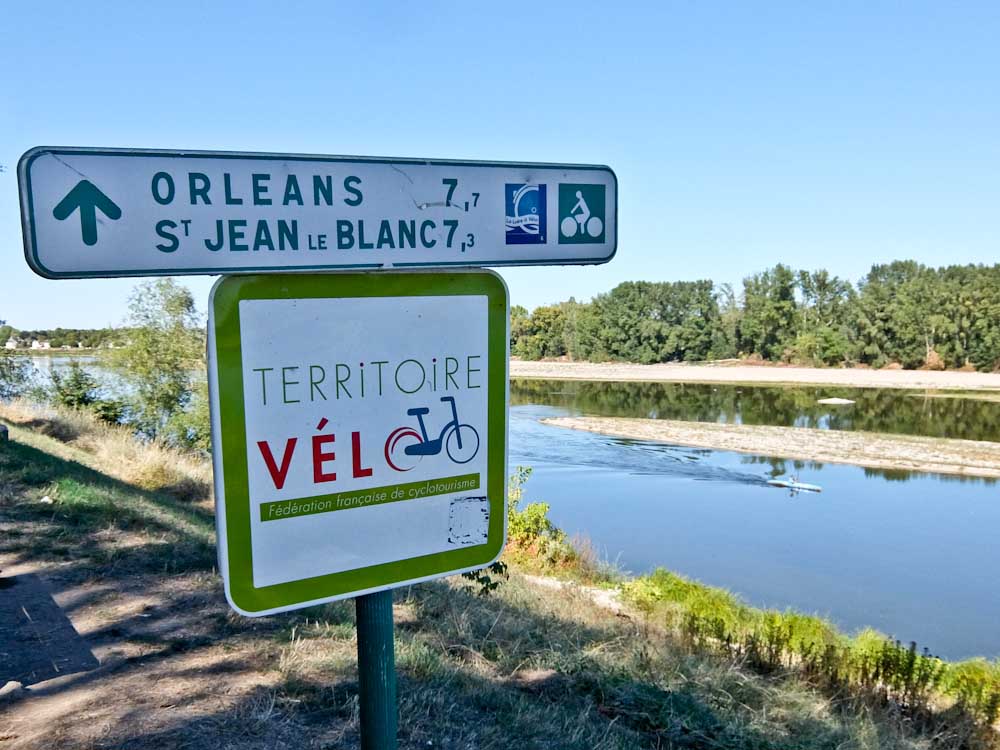
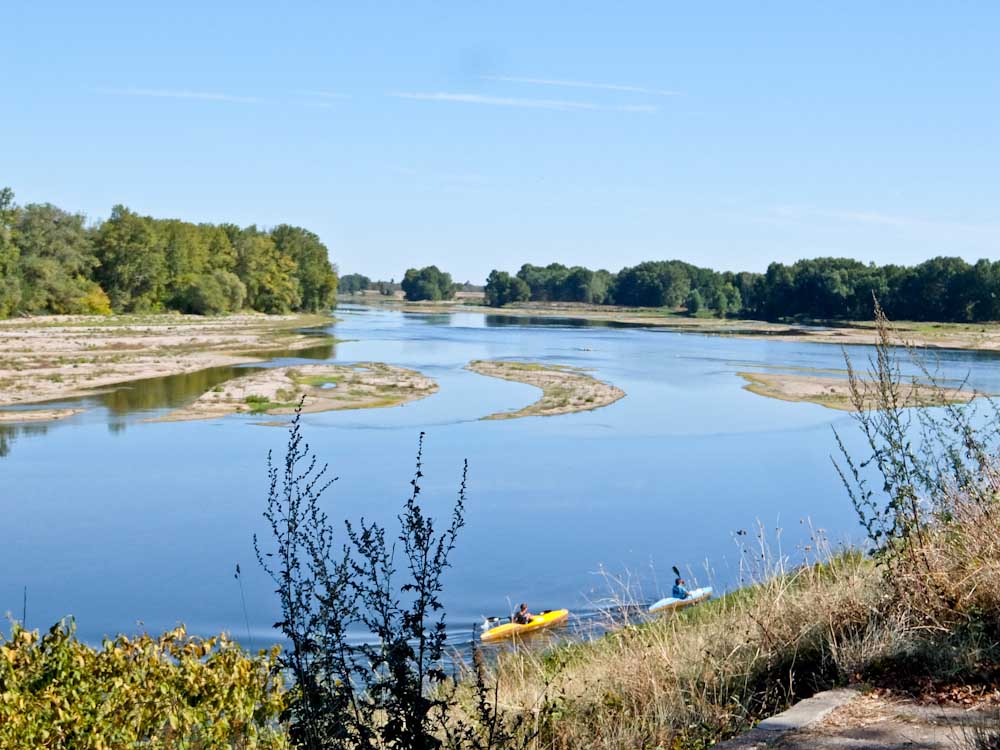
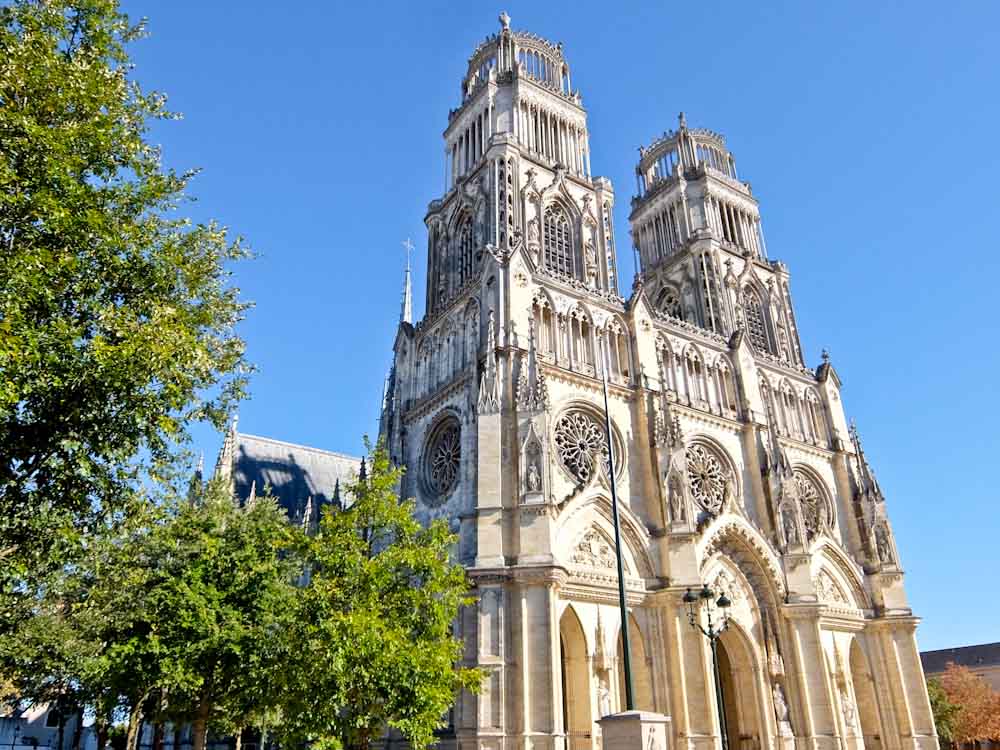
And this is where the Paris-to-Orléans ride feels complete. The journey has moved from metropolitan Paris through canals and suburbs, into agricultural country, along historic waterways and finally beside the great Loire. It is a journey measured not simply in kilometres but in changing landscapes.
Factfile
GO: Eurostar to Paris and then connecting trains.
INFO: La Scandibérique has detailed maps and information.
Paulette Bikes rents reliable e-bikes.
STAY: Hôtel de la Porte Dorée makes a comfortable base in Paris
Villa Eugenie in Melun is a chambre d’hôtes accueil vélo.
La Carpe in Nemour is a chambre d’hôtes accueil vélo.
L’Hôtel du Cerf in Briare is bike friendly with charging points in their garage.
Logis Hôtel Sully le Château is bike friendly and has great views of the Chateau,.
EAT: Restaurant Le Francilien in Nemours has good bistro fare.
La Petite Ardoise in Fontainebleau has sophisticated cooking.
La Maison prodigieuse – Auberge littéraire is right by lock 26 in Montbouy and has good salads.
Restaurant l’Hydropathe in Briare has regional specialities.
Les Bounicards in Lion-en-Sullias serves enormous pizzas.
Le Cerf Thym in Sully-sur-Loire is popular with the locals, rightly so.
Restaurant La Gabare in the centre of Châteauneuf-sur-Loire has excellent home cooking.
SEE: Musée de la Gendarmerie Nationale
Nemoov rents boats in Nemours.
The post Cycling the Scandibérique: Paris to Orléans, France appeared first on The Travel Magazine.