
Interior Design Choices That Quietly Define Luxury Travel
Luxury travel isn’t just about first-class flights or Michelin-star dining. It’s about the spaces you inhabit and the sensations they evoke. The best luxury hotels, resorts, and retreats understand that design isn’t simply decoration—it’s a subtle language that speaks to comfort, exclusivity, and unforgettable experience.
In this article, we explore the interior design choices that quietly define luxury travel, elevating every moment from the ordinary to the exceptional.
The Power of Materiality
One of the most telling signs of a luxury interior is the thoughtful selection of materials. High-end design is tactile and sensory, inviting guests to touch, feel and connect with their surroundings.
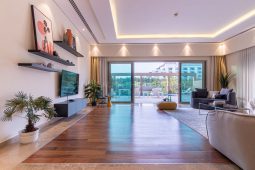
Natural stone, rich woods, and artisanal textiles signal quality and permanence. For example, choosing floors from Quorn Stone throughout a grand lobby or suite not only delivers elegant aesthetics but also a sense of grounded sophistication that guests subconsciously appreciate.
Materials that age gracefully—like leather on a reading chair, brass fittings on a tap, or velvet on a statement sofa—also suggest longevity and care. Rather than chasing trends, luxury interiors lean into classic materials that resonate with history and craftsmanship.
Curated Lighting Schemes
Lighting is one of the most important yet understated elements in interior design. In luxury travel settings, lighting is curated rather than incidental. Dimmable fixtures, layered lighting schemes, and thoughtfully placed lamps transform spaces throughout the day and evening.
Ambient light creates warmth, task lighting enables comfort and functionality, and accent lighting highlights architectural features or objets d’art.
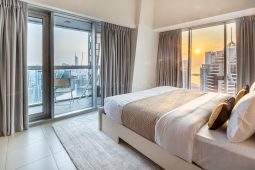
Natural light is equally valued. Floor-to-ceiling windows and strategically placed mirrors make even the grandest suite feel alive and connected to the outside world. When the sun sets, bespoke chandeliers or handcrafted sconces can offer a soft glow that feels both indulgent and intimate—never harsh, never flat.
Bespoke Furniture and Art
Nothing says bespoke quite like custom-designed furniture and curated art collections. Luxury interiors avoid mass-produced furnishings in favour of pieces that have a story.
Whether it’s a handcrafted chaise lounge, a reclaimed wood dining table, or an original painting by a local artist, bespoke elements reflect a curator’s eye and a host’s thoughtfulness.
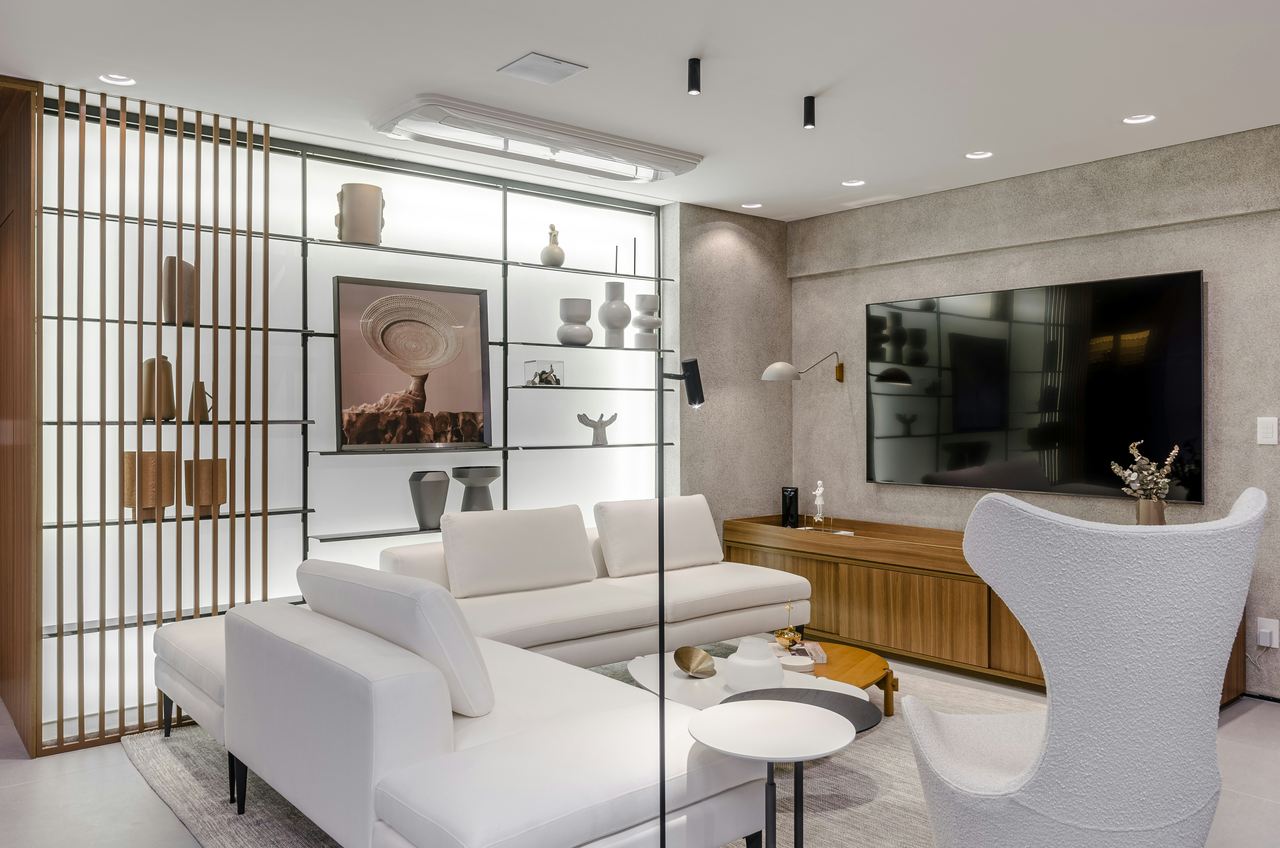 These pieces are more than decoration—they are conversation starters. They reflect regional culture, tell a narrative, and invite guests to engage with the place they’re visiting on a deeper level.
When a hotel commissions local artists or furniture makers, it roots the luxury experience in authenticity rather than generic opulence.
Seamless Integration of Technology
Luxury travel doesn’t shy away from technology; rather, it embraces it in ways that feel intuitive and invisible. Smart room controls for temperature, lighting, and entertainment should feel natural, responsive, and unobtrusive.
High-end sound systems that fill a room with choice music at the touch of a button, motorized blinds that adjust with daylight, and discreet charging stations all contribute to a seamless, comfortable stay.
The key here is discretion. Guests should feel in control without being overwhelmed by gadgets. Luxury design integrates technology into the environment so smoothly that it enhances rather than distracts from the overall aesthetic.
Textures That Speak Comfort
Texture plays a pivotal role in shaping how a space feels. In luxury interiors, texture is layered thoughtfully to create depth and invite touch. Think cashmere throws draped over armchairs, plush rugs underfoot, silk cushions on a deep-seated sofa. These tactile elements add warmth and personality.
Luxury travel interiors often juxtapose smooth, sleek surfaces with soft, inviting fabrics. A marble bathroom might be paired with thick, oversized towels; a polished wooden desk might sit beside a bouclé armchair. These contrasts create richness and a sense of indulgent comfort that guests don’t just see—they feel.
Thoughtful Spatial Planning
Space itself is a luxury. In many hotel designs, generous proportions and considered spatial planning ensure that rooms don’t just look beautiful—but feel liberating. A well-designed suite anticipates needs: a quiet reading nook by the window, a separate seating area for guests to entertain, or an en-suite that allows for both function and repose.
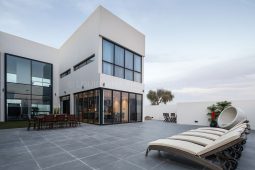
Even public spaces benefit from thoughtful planning. A hotel lobby might be divided into zones that encourage both social interaction and private relaxation. Outdoor terraces might extend living spaces, blurring the boundary between interior and exterior. The result is a design that feels intuitive, expansive, and respectful of the guest’s personal space.
Conclusion
Luxury travel interiors are defined by understated elegance, thoughtful details, and a deep understanding of human comfort. From the materials that greet your feet to the lighting that welcomes you at dusk, every choice contributes to an experience that feels both personal and remarkable. In luxury spaces, design isn’t loud—it’s intelligent, intentional, and deeply attuned to the way we live, rest, and explore.
The post Interior Design Choices That Quietly Define Luxury Travel appeared first on The Travel Magazine.