Cayman Airways Limited (CAL) has been named Caribbean’s Leading Airline 2026 at the prestigious World Travel Awards, marking a historic achievement for the National Airline of the Cayman Islands. The award was presented at the World Travel Awards Caribbean & The Americas Gala Ceremony in Jamaica on Sunday, 11 October 2026.
The achievement is particularly notable as 2026 marked Cayman Airways’ first-ever nomination in the Caribbean’s Leading Airline category, making its debut a winning one.
After 20+ years shooting travel photography professionally, here are the travel cameras I’d actually buy — ranked by category, tested in the real world, for every budget.
Every year I get emails from readers asking the same question: what camera should I buy for travel?
My answer is that it depends entirely on you. What matters most to you — size? Image quality? Video? Budget? The camera that’s right for a backpacker who wants something pocketable is completely different from what’s right for someone who wants to print large-format photos of their trips.
When readers and members of our Instagram community ask what camera I personally use, I always say the same thing: what works for me won’t necessarily work for you. But what I can do is tell you exactly which cameras are worth your money right now, and why — based on real-world use, not spec sheets.
Here’s a quick look at my top picks for 2026 — keep reading for full reviews of each one.
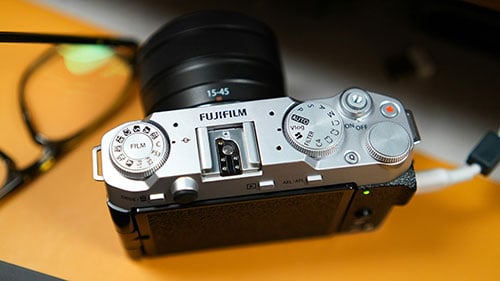
Best Overall Travel Camera:Fujifilm X-E5 — incredible image quality in a compact, discreet body that doesn’t scream “expensive camera”
Best Compact Travel Camera:Fujifilm X100VI — fixed-lens perfection for travelers who want one camera that does everything
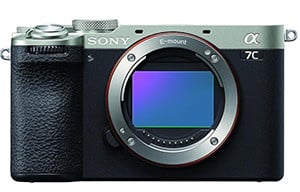
Best Full-Frame Mirrorless for Travel:Sony A7C II — full-frame quality in a remarkably small body
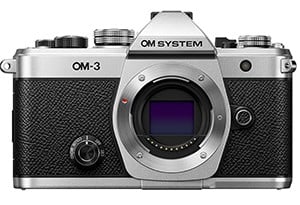
Best Weather-Sealed Travel Camera:OM System OM-3 — rugged, weather-sealed, and shockingly compact thanks to the Micro Four Thirds system
Best Budget Mirrorless:Canon EOS R50 — under $800 with a kit lens, beginner-friendly, and genuinely good
Best Underwater/Action Camera:GoPro Hero 13 Black — still the gold standard for adventure and water photography
Best Smartphone for Travel Photography:iPhone 16 Pro — for when you don’t want to carry a camera at all
Best Cameras For Travel
There are several types of travel cameras on the market — fixed-lens compacts, mirrorless, action cameras, and smartphones — and each one has its own set of tradeoffs.
First and most importantly, think about what matters most to you: size, weight, image quality, budget, or ease of use. Below I’ve broken down the best options in each category, along with their pros and cons, so you can find the right fit for how you actually travel.
Which Type of Camera is Best for Travel Photography?
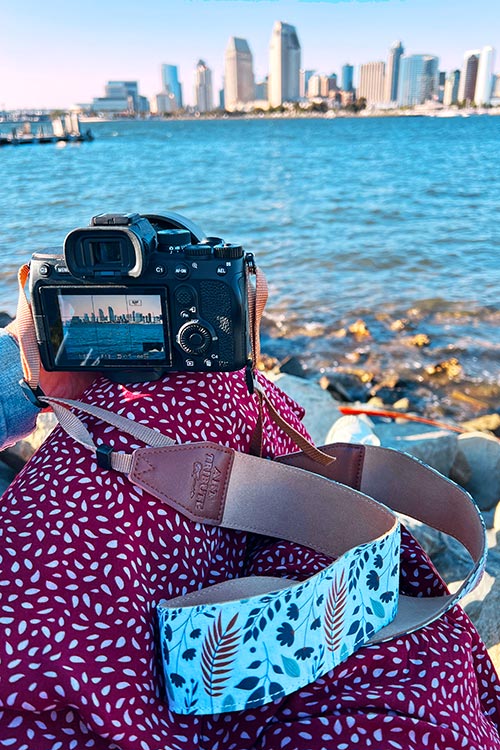
Are mirrorless cameras better for travel? This really depends on your preference, but working as a professional travel photographer for the past 20 years, I’ve personally found mirrorless cameras give me the most versatility — specifically, the Sony A7 IV.
If you want to get a more compact version of the Sony camera I have, get the Sony A7C II. I personally use my camera for portrait photography as well and wanted the dual card slots, better viewfinder, and better handling with big lenses that the A7 IV provides.
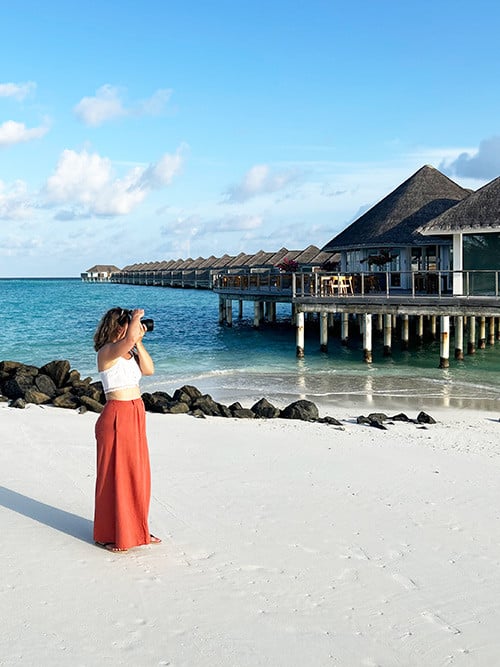
One thing I want to stress is when it comes to travel photography, get something you know you won’t regret carrying around. Otherwise, you may find yourself leaving the camera in your hotel room and just shooting with your phone.
My Sony A7 IV
Here’s how I think about it now:
If you want the best image quality in the smallest possible body: A fixed-lens compact like the Fujifilm X100VI is genuinely impressive — and means one less decision every time you leave the hotel room.
If you want flexibility to grow your gear over time: A mirrorless system like Fujifilm’s X-series, Sony E-mount, or OM System is the way to go. The APS-C options are especially good value for travel because the lenses stay small and light.
If you want the absolute best image quality: Full-frame mirrorless like the Sony A7C II delivers extraordinary results, and the body is much smaller than people expect.
If you’re just starting out and aren’t sure: Start with something like the Canon EOS R50. It’s affordable, small, takes genuinely great photos, and if you end up loving photography, you can grow into a more advanced system without regretting your first purchase.
I no longer carry a DSLR at all. I spent years shooting with Canon 5D Mark II and III bodies, but mirrorless has simply gotten too good.
If your main concern is size and weight, a compact or fixed-lens camera is the way to go. These cameras won’t weigh down your bag, they’re discreet enough that you won’t attract attention in crowded markets or temples, and the best ones in 2026 produce image quality that would have seemed impossible from a pocketable camera just a few years ago.
The tradeoff is that most of these cameras have a fixed lens — meaning you can’t swap it out for a different focal length. For a lot of travelers that turns out to be a feature rather than a limitation. You stop fussing with gear decisions and start paying attention to what’s in front of you.
If you want one camera to take everywhere and you’re comfortable with a fixed focal length, the X100VI is the most complete camera on this list. The 40MP sensor is genuinely stunning — sharp enough for large prints, with Fujifilm’s gorgeous film simulations built in. It also has in-body image stabilization now, which the previous version didn’t, making it much more useful in low light.
The 35mm equivalent focal length is incredibly versatile — landscapes, portraits, street photography, interiors — all work well with it.
Fair warning: these cameras have been selling out consistently since they launched. If you’re considering one, buy when you see them in stock.
Pros: 40MP APS-C sensor, beautiful Fujifilm color science and film simulations, IBIS, excellent build quality. Cons: Fixed focal length; pricier than it used to be; supply can be limited.
Details: 20.1MP 1-inch stacked CMOS sensor, Zeiss Vario-Sonnar 24-200mm lens, continuous shooting up to 20fps, 4K video.
The RX100 VII remains a genuine option if you want a 1-inch sensor camera with a zoom range — it covers 24-200mm in a pocketable body, which is hard to beat for versatility. That said, the APS-C options above now offer meaningfully better image quality at similar price points, so if you don’t need the zoom range I’d lean toward one of those. Where the RX100 VII still wins is the combination of zoom + pocketability.
Pros: Excellent zoom range in a compact body, fast autofocus, great for action and wildlife subjects. Cons: Smaller 1-inch sensor vs APS-C alternatives; expensive for what it is in 2026.
Best Mirrorless Cameras For Travel
If image quality, flexibility, and the ability to grow your kit over time are what matter most to you, mirrorless is where you want to be. Unlike fixed-lens compacts, mirrorless cameras accept interchangeable lenses — so you can start with a versatile zoom and add a portrait lens or a long telephoto later as your photography evolves.
The mirrorless market has matured enormously in the last few years, which means there are now genuinely great options at every price point. Here are the ones I’d recommend in 2026.
This is the camera I’d buy if I were starting fresh today. The X-E5 has the same stunning 40MP sensor as the X100VI but in a rangefinder-style body that accepts Fujifilm’s excellent range of interchangeable lenses. Paired with one of their compact f/2 primes — the 23mm or 35mm are my favorites — the whole kit is remarkably small and light for the image quality you’re getting.
What I love about shooting Fujifilm for travel is the film simulations. You can dial in a look you love and share gorgeous JPEGs straight from the camera without sitting at a laptop editing every frame. When you’re moving fast between destinations, that matters.
Pros: Outstanding 40MP image quality, lightweight system, beautiful color and film simulations, excellent build quality. Cons: Not weather-sealed on the body itself; APS-C rather than full-frame.
If you want full-frame image quality — the kind that holds up at large print sizes and performs beautifully in low light — but don’t want to carry a full-frame-sized camera, the A7C II is genuinely remarkable. It’s one of the smallest full-frame mirrorless bodies available, and Sony’s E-mount ecosystem gives you access to an enormous range of lenses.
The autofocus system is exceptional. Subject tracking for people, animals, and moving objects is class-leading, which makes a real difference when you’re photographing street scenes or wildlife.
Pros: Full-frame image quality, compact for a full-frame camera, outstanding autofocus, excellent low-light performance. Cons: Full-frame lenses are larger and more expensive than APS-C equivalents; pricier than the other options here.
OM System OM-3 — Best for Adventure & Outdoor Travel
If you travel somewhere weather is unpredictable — or you’re hiking, doing safari, or anywhere near water — the OM-3 deserves a serious look. The IP53 rating means it’s genuinely weather and splash-proof, not just “weather resistant” in fine print. And because it’s Micro Four Thirds, the lenses stay impressively small and light — a real advantage when you’re already carrying a full pack.
The 50fps burst and subject-tracking autofocus also make it one of the better options for wildlife photography among travel cameras at this price point.
Pros: Robust weather sealing, compact lens system, fast burst shooting, great value for what you get. Cons: Micro Four Thirds sensor shows more noise than APS-C or full-frame at very high ISO settings.
Details: 24.2MP APS-C sensor, Dual Pixel autofocus, 4K video, flip-out touchscreen, under $800 with kit lens
This is what I’d hand to someone who is just getting into photography and wants a capable travel camera without spending a fortune or feeling overwhelmed. Canon’s color science means your photos look great even in auto mode, and the Dual Pixel autofocus is smart enough to keep up with most travel situations without you having to think about it.
The flip-out screen is more useful than it sounds — shooting from low angles, overhead crowds, or for video becomes so much easier. And 4K video means it doubles nicely as a travel vlog camera.
Pros: Affordable, excellent image quality for the price, beginner-friendly, reliable autofocus, good video quality. Cons: No in-body stabilization; single card slot; smaller lens ecosystem than Sony or Fujifilm.
Best Travel Camera Under $500
The truth about this budget in 2026 is that the new camera market under $500 is pretty thin. Smartphone cameras have pushed most entry-level point-and-shoots out of existence, and the good mirrorless options start above that price point new.
The best move at this budget is the used and refurbished market, which has never been better. Sites like MPB and KEH Camera grade used gear carefully and back it with warranties — I’ve bought from both and had great experiences.
Best under $500 strategy: Look for a used Fujifilm X-T30 II or a refurbished Canon EOS R50. Both regularly appear in the $400–500 range in excellent condition, and either one will massively outperform anything you’d find new at that price.
If you need something new and under $500, the Panasonic LUMIX FZ80 is the one I’d point you toward — particularly if zoom range matters to you.
The 60x optical zoom is genuinely extraordinary for the price — nothing else comes close at this budget for reach. For daytime outdoor photography, wildlife at a distance, or travel situations where you want one camera that covers wide to super-telephoto, it does the job. Just know that the smaller sensor shows its limitations in low light or when you’re printing large.
Pros: Incredible zoom range, lightweight, affordable, 4K video. Cons: Smaller sensor limits low-light and print quality compared to APS-C options.
Best Underwater & Action Camera For Travel
No travel camera guide is complete without talking about water. Whether you’re snorkeling in Thailand, kayaking in Croatia, or just want something you can hand to a kid at a waterpark without anxiety, this category has a clear winner.
Details: 5.3K video, HyperSmooth 6.0 stabilization, waterproof to 33ft without a housing, 10-bit color, 154g
The Hero 13 Black is the best GoPro they’ve ever made and it’s become a permanent part of my travel kit. The HyperSmooth stabilization is the thing that changed everything for me — handheld and activity footage actually looks smooth and watchable instead of shaky and nauseating. Earlier GoPro versions I could take or leave; this one I genuinely reach for.
The fact that it’s waterproof to 33 feet without any additional housing means one less thing to remember to pack and assemble before you jump in. I’ve also started using it on land more than I expected — mounted to a bag for walking footage, or as a wide-angle option when I don’t want to pull out a bigger camera.
Pros: Best-in-class video stabilization, waterproof without a case, lightweight, versatile mounting system. Cons: Not a substitute for a dedicated camera for still photography.
Best Smartphones For Travel Photography
I want to be upfront: the gap between a flagship smartphone and a dedicated compact camera has narrowed significantly. If you travel light and shoot primarily for social media, today’s best phones are genuinely impressive. Where a dedicated camera still wins is in tricky light, when you want real control over your settings, or when you’re printing larger than phone screens.
With that said, here are the best options right now.
Details: 48MP main + 48MP ultrawide + 5x optical zoom, 4K ProRes video, ProRAW support
The 5x optical zoom is what makes this genuinely useful for travel photography — you can photograph a detail on a building across a square, or pull in a market scene without pushing through the crowd. ProRAW support means you can capture and edit files like a proper camera if you want to. And the 4K ProRes video is remarkable quality from something that fits in your pocket.
Pros: Best-in-class smartphone camera, 5x optical zoom, ProRAW, excellent video. Cons: Expensive; still can’t match a dedicated camera in very low light.
Google Pixel 9 Pro — Best computational photography
Details: 50MP main + 48MP ultrawide + 5x optical zoom, Night Sight, Magic Eraser
Google’s computational photography has always been in a class of its own and the Pixel 9 Pro continues that. Night Sight in very low light is genuinely impressive, and features like Magic Eraser — which removes unwanted people or objects from your shots — are the kind of thing you start relying on heavily once you have them. Images tend to look more natural straight out of the camera compared to iPhone’s more polished, saturated look.
Pros: Outstanding low-light performance, excellent computational features, natural color rendering. Cons: Video not quite as strong as iPhone in our experience.
Details: 200MP main camera, 10x optical zoom, 8K video
If zoom range is your priority in a smartphone, nothing else comes close. The 10x optical zoom — 200mm equivalent — means you can genuinely reach subjects at a distance in a way no other phone can match. The 200MP sensor also gives you real flexibility to crop into a shot without losing detail. Just know that Samsung’s processing tends to be heavy-handed — images can look over-sharpened if you’re not careful with the settings.
Pros: Best optical zoom in any smartphone, enormous resolution, highly versatile. Cons: Very expensive; aggressive default processing can make images look artificial.
How To Choose a Travel Camera: Travel Camera Buying Guide
Sensor Size When it comes to sensor, the larger the size the more light it can capture. Sensor size is especially important when considering whether you’ll be taking a lot of low light shots, as if it has a small sensor size you’ll generally get a grainy photo.
For example, smart phones usually have a very small sensor size, and thus tend to not take awesome low-light pictures. Sensor sizes tend to increase as the size of the camera does, and in the DSLR realm, the sensitivity is measured as ISO.
Aperture The aperture controls the brightness of an image, and the number that correlates to it refers to the size of the hole that lets light into the sensor. Apertures are shows as f-numbers (for example, f/2.8, f/4, etc.), and the larger the number, the smaller the hole.
Generally speaking, if you’ll be shooting in low-light, look for smaller numbers, as these will let more light into the sensor.
Megapixels The megapixel number on your camera refers to the size of image the camera can produce. One megapixel means one million pixels, and as the number goes higher you’ll get clearer resolution in your photos. This is especially important if you plan on making prints.
While megapixels are important, if you truly want excellent-quality photos then be sure to take into account sensor size and aperture as well.
Optical & Digital Zoom With point and shoot cameras, zooming in on faraway objects with your optical zoom essentially allows you to magnify the image and make the objects in the frame appear closer without reducing quality. So, if you have 8x optical zoom option, that means you can make object appear 8x larger in the frame.
Digital zoom, on the other hand, is when your camera zooms in on a frame and crops what isn’t shown on your screen. This only reduces the quality of the image, so steer clear.
Focal Length When picking out a lens for your DSLR, focal length refers to optical zoom, and is the distance between the sensor and the lens when the subject is in focus. Measured in millimeters, a lower focal length means the lens can be used for wider shots.
EIS/OIS EIS (Electronic Image Stabilization) and OIS (Optical Image Stabilization) are image stabilizers that correct small movements when taking a photo and eliminate blur. OIS is great for improving low light photography, while EIS is primarily a video stabilizer.
Ergonomics & Navigability Before you purchase, think about your travel habits and what features will suit your needs. Do you need a small, light camera for easy shots, or are you looking for a more professional DSLR? Comfort, size, and weight of the camera will all factor into this. Also consider if the camera is easily navigable, and if it has easy accessibility to common functions.
WiFi What about your WiFi needs? If you’re someone who likes to import straight to your smartphone or computer after you’ve taken a shot, then purchasing a camera with WiFi capabilities will be handy.
Lens Selection Also consider the lens selection that your camera can support, as you won’t be able to swap out different brands lenses due to the unique mounts. Most of the main lines will have many of the same lens options, but it’s something to look into if you have specific requirements.
Video Almost all cameras on the market today shoot video, but there are certain aspects to pay attention to depending on what quality you’d like to achieve. Frame rate is the most important, with 24 – 30 frames per second being in a normal range, while up to 60fps will give you smoother playback.
FAQ: Buying a Travel Camera
Are mirrorless cameras better for travel?
In 2026, mirrorless has genuinely replaced DSLRs as the default recommendation for most travel photographers. They’re smaller, lighter, have excellent autofocus systems, and the lens ecosystems have matured to the point where there’s no meaningful gap. If you’re buying new, go mirrorless. If you already own a DSLR you love and it works for you, there’s no urgent need to switch.
What is the best camera to start travel photography?
My recommendation for beginners in 2026 is the Canon EOS R50 or a used Fujifilm X-T30 II. Both give you a real APS-C sensor, room to grow as you learn, and won’t break the bank. If you want something even simpler with no lens decisions, the Fujifilm X100VI (if budget allows) or Ricoh GR IV are wonderful fixed-lens options.
Do I need a full-frame camera for travel photography?
No. For travel specifically, I’d argue a full-frame camera is often overkill. APS-C mirrorless cameras like the Fujifilm X-E5 produce extraordinary image quality, and the smaller sensor size means smaller, lighter lenses. Unless you’re printing very large or shooting professionally in very low light, APS-C will serve you beautifully. That said, if image quality is your top priority and weight isn’t a concern, something like the Sony A7C II is a joy to shoot with.
What’s the best travel camera if I don’t want to carry a lot of gear?
The Fujifilm X100VI or Ricoh GR IV — both are fixed-lens cameras you can slip into a bag pocket, and both produce images that will genuinely impress you. No lens swapping, no decisions, just pick it up and shoot. The X100VI is the more versatile of the two; the GR IV is smaller and more pocketable.
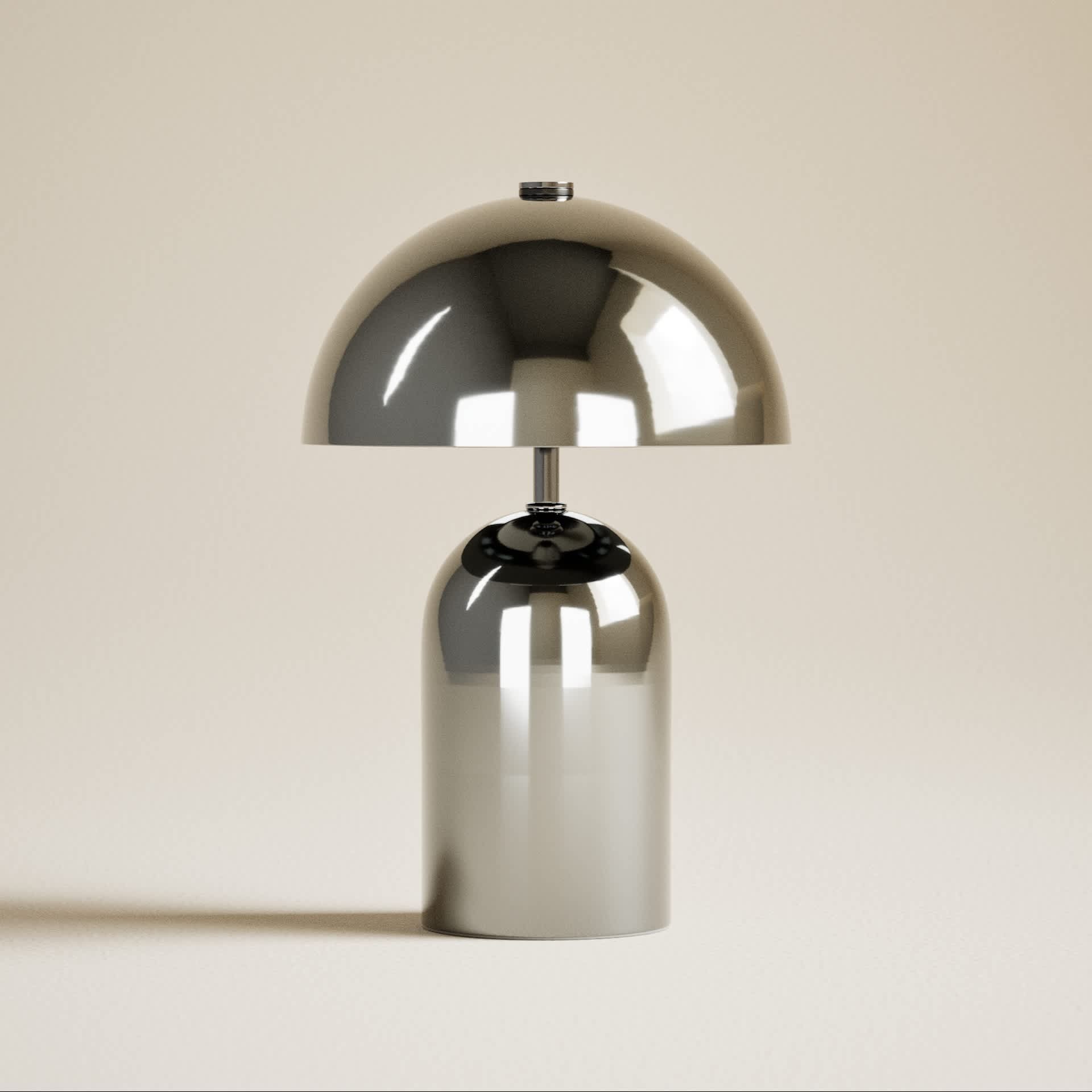
I’m a sucker for a cosy lamp, especially during autumn, and at a recent preview of Morrisons and Nutmeg’s Christmas collections, I spotted the most gorgeous silver rechargeable lamp – and it’s finally on sale.
Rechargeable lighting is a modern lighting trend that will now never go out of style. With the power to illuminate the darkest corners of your home, all without leads and a plug, they’re a must-have in any home.
Chrome has had a revival in 2026, as the biggest home decor trends have sought more retro styles. This doesn’t mean you have to take your home back to the ‘90s; however, when paired with natural materials and warm colourways, it can be wonderfully cosy.
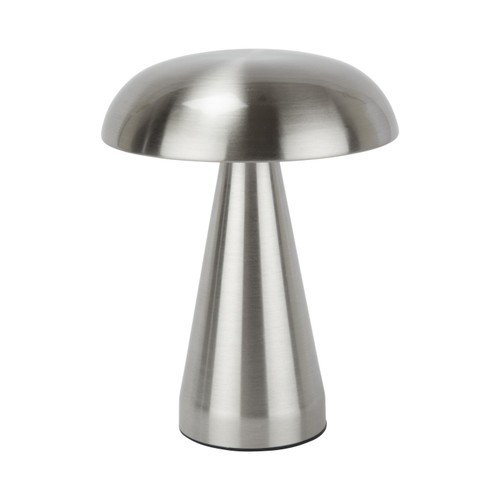
What I liked about Nutmeg’s new silver lamp was that it offered three different types of light. By simply tapping the lamp, you had access to cool white, bright white and warm white. The warmth was my favourite, as when reflected off the metallic surface, it drenched the area around it in a lovely warm glow.
The lamp is also available in a gold colourway, which, having seen it in person, I can vouch for as a beautiful muted shade of gold, rather than something more gaudy. The lamp recharges via a USB cable, and it is lightweight to hold, too.
It’s available on Morrison’s website, where you can click and collect the lamp from your closest store, or add it to your trolley as part of your weekly food shop. Alternatively, I tracked down a few more rechargeable styles I’m loving right now that you can buy online.
M&S
Joshua Ceramic Striped Rechargeable Table Lamp
I’m loving ceramic lighting right now, and these stripes are so charming.
Next
Pink Amelie Rechargeable Wireless Table Lamp
A soft pink can also look wonderfully cosy, as this pretty lamp proves.
H&M
Rechargeable Table Lamp
It doesn’t get much better than a rich burgandy shade to make your home more cosy during autumn.
The Nutmeg Home Style Mushroom Lamp in silver genuinely looks wonderful in person, and at just £8, is one of the best prices lamps I’ve seen. It’s definitely going in my trolley.
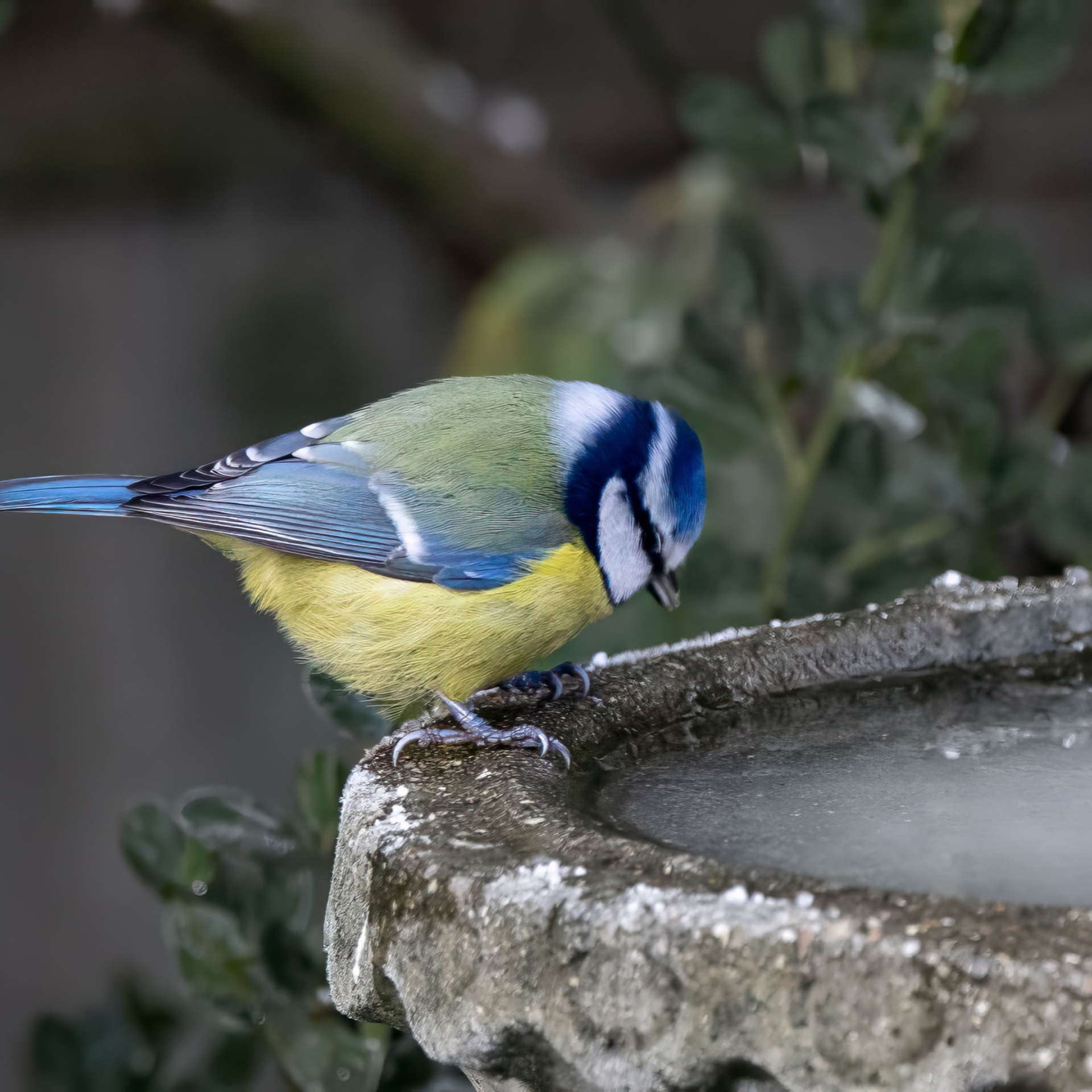
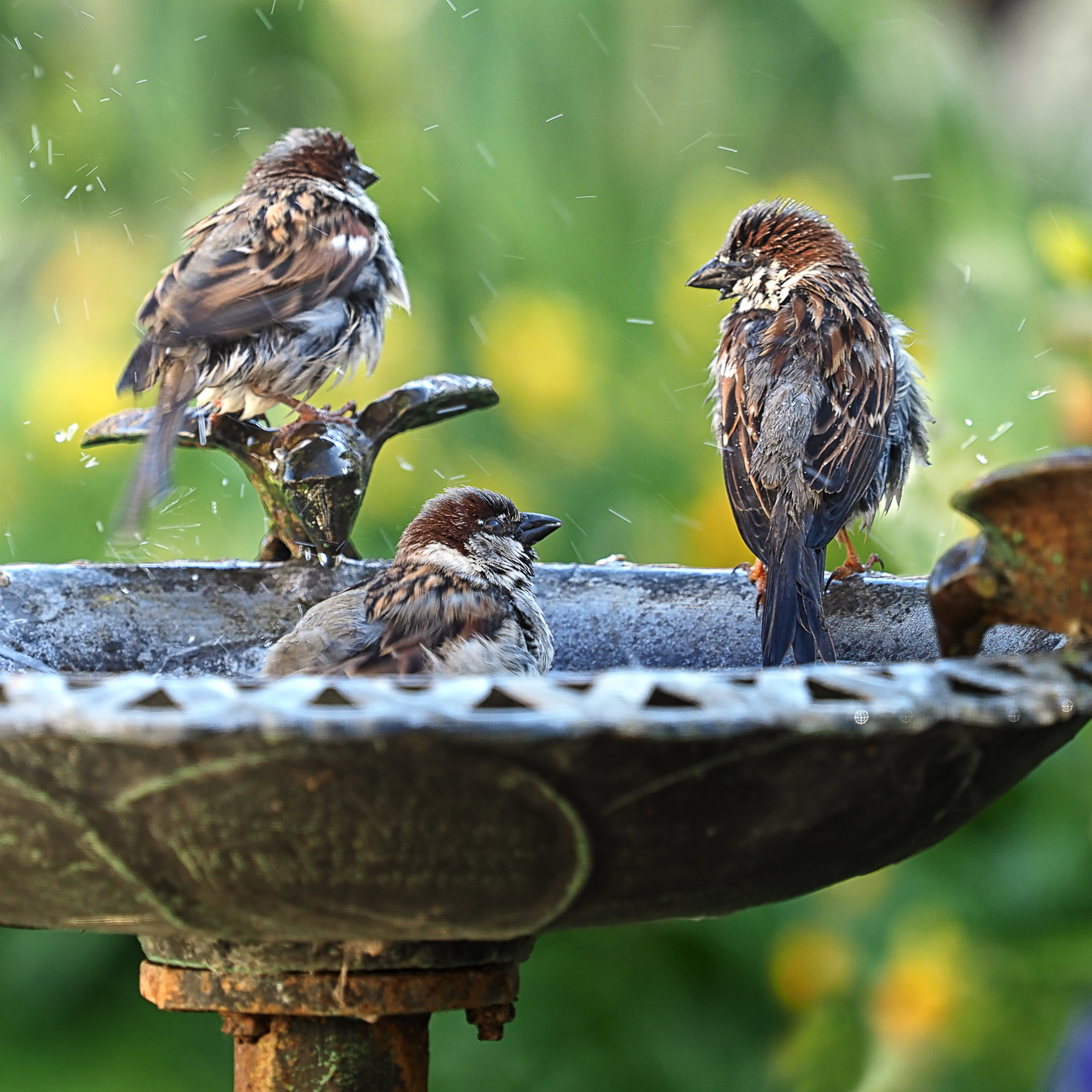
One of the most important things you can do for birds in winter is to ensure they have access to clean, fresh water for bathing, drinking and playing. And if your bird bath keeps freezing over? Well, wildlife experts say you could invest in a heated bird bath.
While it may sound a little excessive, if you’re practising good bird bath winter care, then you will be looking for ways to prevent it from freezing. While there are hacks such as placing a ping-pong ball in the water, a heated bird bath will do all the hard work for you.
If you attract birds to your garden, you might be wondering if this is a worthy investment or not. I spoke to wildlife experts to find out.
What is a heated bird bath?
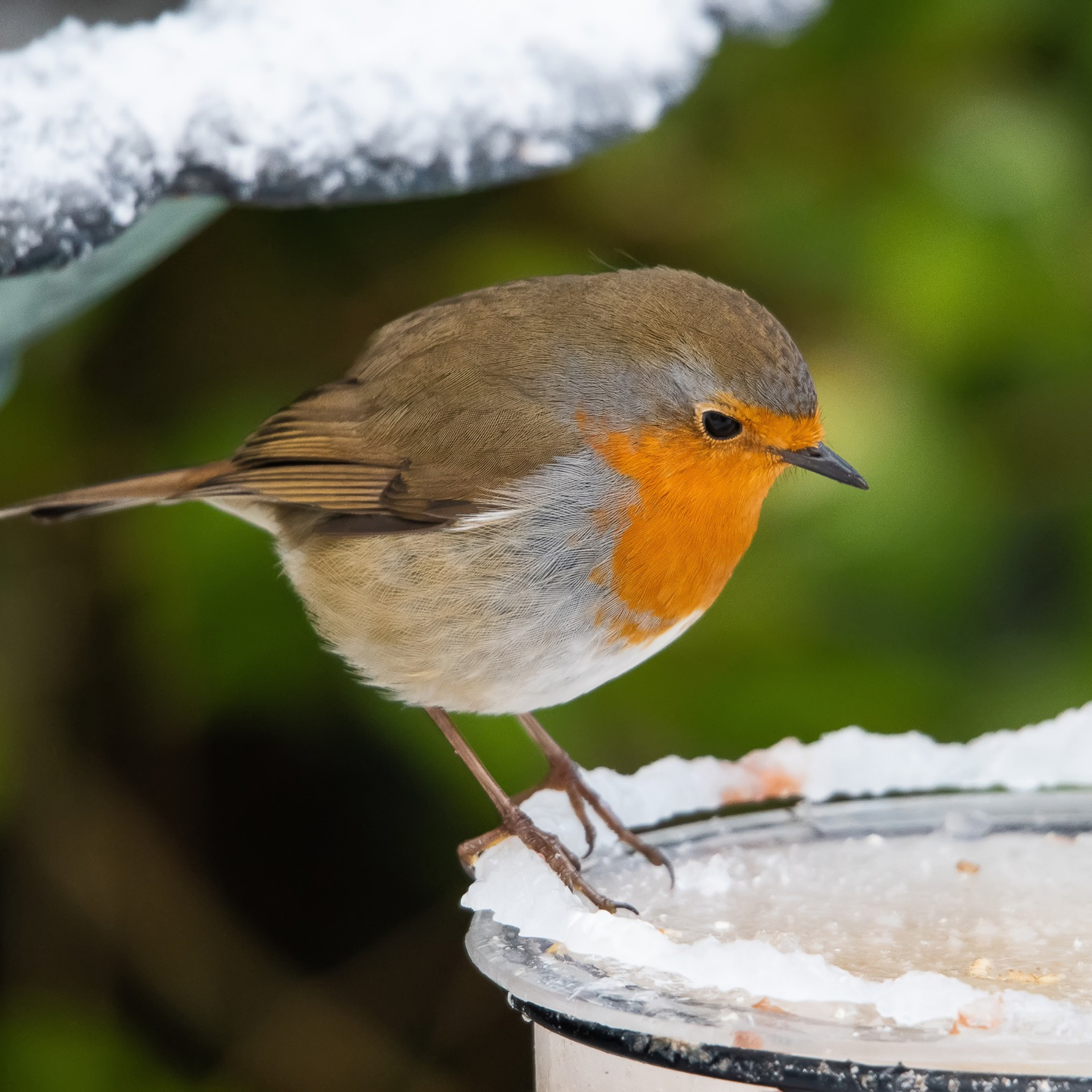
It’s easy to assume that birds only seek fresh water when it’s really hot. But when the mercury plummets and our gardens become icy, causing any water source to freeze over, birds suddenly don’t have access. This is why it is a huge bird bath mistake to allow your bath to freeze over in winter.
‘A heated birdbath has a low-wattage heating element built into the base, usually controlled by a thermostat where the heating only comes on when the temperature drops close to freezing to save energy,’ explains James Ewens, bird specialist at Green Feathers.
‘They’re super, really – designed to simply keep the water ice-free rather than warm. You can also buy a separate birdbath de-icer, a small heater that sits in or under an existing bath with the same idea, but I prefer the ease of a built-in one.
‘Solar is also an option, but as we know the light supply in UK autumn/winter is hardly something to shout about, so I prefer a mains supply with a weatherproof outdoor, protected socket.’
You should also bear in mind that many heated bird baths available to shop online, particularly on Amazon, are designed for American wall outlets, rather than British. So it’s important to check that it is compatible with the UK’s 240V standard.
Should you invest in a heated bird bath?
If you want to support birds during winter, particularly if you live in an area that gets a lot of ice and frost, a heated bird bath is a worthy investment. In really icy conditions, it is harder for birds to find fresh water than it is to find food, making keeping your bird bath ice-free all the more important.
‘They’re also low-effort, as once set up, a thermostatically controlled model does the work for you, and you just need to keep it clean and topped up. Many reviewers report their heated baths lasting a decade or more, so it’s a one-off purchase that delivers years of value,’ says Victoria Parkinson, Garden Expert at Arctic Cabins.
‘And they bring birds to your garden – a reliable winter water source is a powerful draw. You’ll often find birds queuing up for access during cold snaps, and watching them come and go is one of the simple pleasures of a winter garden.
‘The main downsides are the need for an outdoor power source and the upfront cost, typically around £40-£70. And safety is paramount, so always use an outdoor-rated extension cord, keep plugs dry, and ensure your outlet is RCD-protected.’
How else can you stop a bird bath from freezing over?
If you already have a bird bath (and feel it doesn’t need replacing), or don’t have the facilities for outdoor electricals, there are a few tricks you can try to stop your bird bath from freezing over. This requires a little more effort than a heated bird bath, but are reliable and affordable methods.
‘The floating ball method, let’s call it. Simple, free if you already have a ping-pong or tennis ball, and easy to set up. Frosts tend to be short-lived in some UK counties, so it’s not always essential. Some cheaper alternatives are just as effective, like the ping-pong ball method where there’s a gentle surface agitation that slows or prevents complete freezing,’ says James.
‘You can also crack any ice and top it up with warm water from the kettle (not boiling water) to melt the ice and warm the temperature above freezing level. This is a little arduous, though, and time-consuming.
‘Also consider the placement of the bird bath. Some of us are lucky enough to have a little sunny nook in our garden as we head into autumn/winter, so keep your bird bath in sunny, sheltered spots if you have that luxury.’
Zerodis
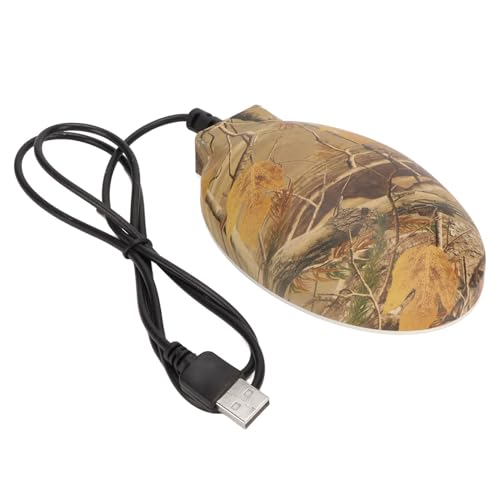
Zerodis Thermostatic Bird Bath Heater
You can add this heater to your existing bird bath to prevent it from freezing over.
Primrose
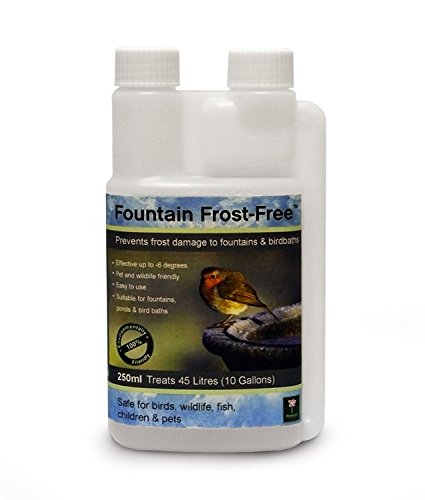
Primrose Ambienté Fountain Frost Free Additive for Birdbaths
Special anti-freeze is also availble to help stop bird baths freezing over. This is safe to use around wildlife.
Karrma Ltd.
Ping Pong Balls White
Lastly, a ping pong ball is one of the cheapest ways to prevent freezing. All you need to do is add one to the water, and it’s movement will help stop freezing.
However you choose to do it, preventing your bird bath from freezing over is really important for the welfare of the birds that visit your garden this winter.