ATM 2022: Saudi Arabia preparing for return of religious tourism
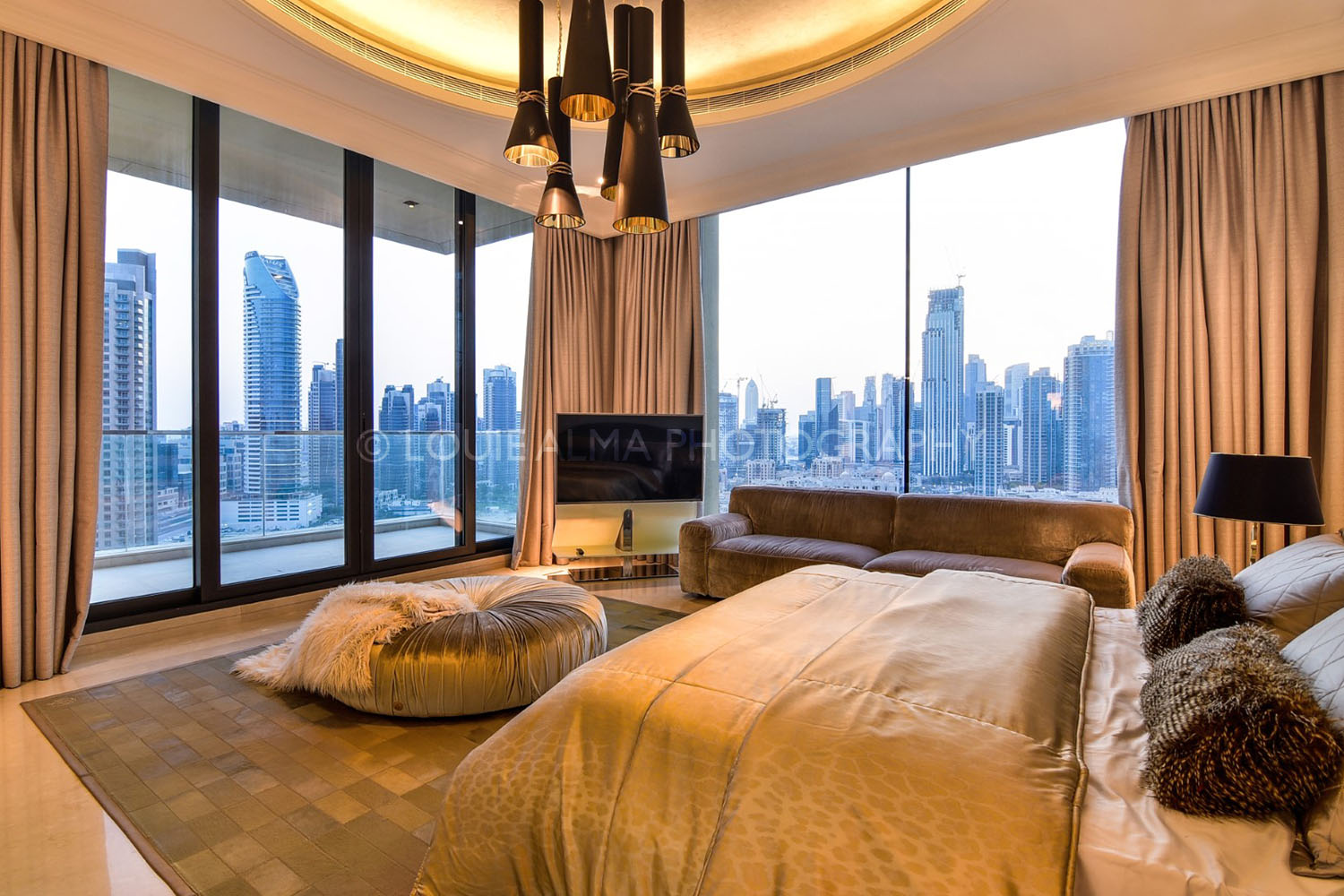
A total of 32,621 hotel rooms are currently under construction in Saudi Arabia, as the kingdom prepares to meet pent-up demand from pilgrims returning to its holy cities.
REAL ESTATE
REAL ESTATE
REAL ESTATE
REAL ESTATE
REAL ESTATE
EVENT
LANDSCAPE
LANDSCAPE
CONCERT
LANDSCAPE
TRAVEL
REAL ESTATE
Residential, Commercial, Interiors

LANDSCAPE
Landmarks, Cityscape, Urban, Architectural

FOOD
Hotels, Restaurants, Advertising, Editorial
PORTRAIT
Traditional, Glamour, Lifestyle, Candid
PRODUCT
Studio, Lifestyle, Grouping

EVENT
Conference, Exhibition, Corporate

FASHION
Portrait, Catalog, Editorial, Street

TRAVEL
Landscape, Cityscape, Documentary

SPORT
Basketball, Football, Golf

CONCERT

STILL

STREET
“It takes a lifetime for someone to discover Greece, but it only takes an instant to fall in love with her.” ~ Henry Miller. Whilst sitting in the dentist’s chair, I’m not focussing on the work that’s about to be done to my teeth. It doesn’t bother me at all – my mind is already…
The post 14 Inspiring Reasons to Visit Greece in Your Lifetime appeared first on The Invisible Tourist.
It’s no secret that quality coffee is all about freshly ground beans. Well, the best bean-to-cup coffee machines will ensure that your beans are as freshly ground as possible when you brew a fresh espresso or a tasty cappuccino. Often working at the touch of a button, a bean-to-cup will grind the perfect amount of coffee for a well-extracted shot and then create the ideal level of pressure to prevent too much acidity or bitterness in your final drink. Some even come with automatic milk dispensers to make fine and frothy foam without any hands-on steaming. And if you enjoy steaming your own milk, there are also options with milk wands that will allow you to customise your temperature and texture depending on your drink.
Although they may be the most expensive options, bean-to-cups are also some of the best coffee machines for those who take their coffee really seriously. Their sleek and modern designs look at home in a variety of kitchens, and there are also some more barista-style machines that give you custom control of your brew or the ability to work on your art. If you want to recreate your coffee-shop favourite then there’s no competition. A lot of the best bean-to-cup coffee machines come with scrollable menus of all the coffee drinks they can make. All you need to do is pick your drink and let the machine do the rest.
Below you’ll find the best bean-to-cup coffee machines we’ve tested from the likes of Sage, Beko, De’Longhi, Krups, and Miele. Everything below has been tried by a member of the Ideal Home team, so you’ll be able to run through our pros and cons as well as our user experiences to give you an idea of how the machine would work in your kitchen.
While it wouldn’t be quite right to describe any bean-to-cup coffee machine as cheap, we have made an effort to review some of the more affordable options on the market alongside premium models that make great gifting. Our top 10 features machines that come in at £250, right through to models that cost well over £1,000!
Best bean-to-cup coffee machine overall

Milk wand: No, adjustable dispenser
Water capacity: 1.8 litres
Pressure: 19 bar
Reasons to buy:
• Can be controlled remotely
• Quality milk frother
• Sensitive bean grinder
• Adjust to your own preferences
Reasons to avoid:
• The milk container needs to be cleaned regularly
With modes for cappuccino, flat white, and even latte macchiato, the De’Longhi Dinamica Plus ECAM370 is a premium coffee machine that delivers on automatic systems with hands-free brewing. The menu allows you to adjust the drinks to different sizes and aromas, and you can completely customize the coffee-to-milk ratio by making a preset just for you.
The water tank sits at the front of the machine, and so does the grounds container. Both are very easy to access, and the bean dispenser sits at the top back which makes pouring easy. You’ll need to clean the milk dispenser after every use, but all this requires is switching the dial to the self-clean mode.
If quality espresso is your top priority, you’ll love the automatic grinding, which is sensitive for different types of beans. You can also pour grounds into a different dispenser for making decaff without emptying out the bean container. It’s an expensive machine, but you’ll often find it on sale, and it ticked every box in our testing.
Ideal Home rating 5 out of 5 stars
Read our full De’Longhi Dinamica Plus ECAM370 review
Best bean-to-cup coffee machine on a budget

Milk wand: Yes
Water capacity: 1.6 litre
Pressure: 19 bar
Reasons to buy:
• It’s a great alternative to much more expensive models
• Slimline
• Light-up dispenser
Reasons to avoid:
• We found the milk wand quite fiddly
• The coffee came out quite hot for our liking
Sometimes you’re testing a group of products and realise that two are very similar to each other. What’s even more interesting: sometimes they’re priced very differently. So it was with the Beko and the Dualit machine you’ll see below. Both machines have a narrow footprint (the Beko is 24cm) and use a 19-bar pressure pump to make deep, full-bodied coffee. They both have touch controls on the top, with simple icons to select your drink.
Out of the box, the coffee was a bit mild, but there’s a dial to adjust the grinder. Once the grind was finer, coffee was tastier with a better crema. Meanwhile the froth from the steam wand was very powerful (maybe too powerful) and quick to get going. Features are very similar to the Dualit: touch controls on the top select from a limited drinks menu, the coffee dispenser slides upwards to accommodate mugs, and it self-cleans when turned on or off.
Like the Dualit, you can adjust the grind and also the length of coffee shots: instead, if you want a longer drink you can top it up with hot water from the wand or hold one of the brewing buttons down to make the shot longer or shorter. And again its pre-brewing system wets the dose of coffee for a richer extraction, releasing oils to maximise aroma and depth.
We found the light-up touch controls on the top hard to see in bright sunlight from the skylight above. The steam wand also works at quite an awkward angle if you’re really serious about your lattes. However, this coffee maker is hard to fault in terms of bangs (beans?) for the buck. If you don’t want to spend a fortune, or take up too much worktop space, buy the Beko.
Ideal Home rating: 4 out of 5 stars
Read our full Beko CEG5311X Bean to Cup Coffee Machine review
Best bean-to-cup coffee machine for automatic brewing

Milk wand: No, milk is automatic
Water capacity: 1.25 litres
Pressure: 15 bar
Reasons to buy:
• A smart machine that offers a full menu of drink options
• Very good value
• Easy to top up water
Reasons to avoid:
• You need to clean the milk wand after every latte or cappuccino
The Cuisinart Veloce makes some of the more high-end bean-to-cup features relatively accessible. It’s by no means cheap, but you do get all the perks of a digital display and complete coffee menu. We enjoyed saving our custom drink preferences onto the menu, which made for easy coffee rounds.
It’s got a small water tank, but on the plus side it’s front-facing and incredibly easy to remove and refill. The same can be said for emptying the coffee grounds, and the display comes up with instructions and prompts to stay on top of maintenance.
We found that the machine needed adjusting before we got that perfect espresso. It required grind adjustments, which can be done at the top of the machine where you keep your coffee beans. The milk wand can be inserted into the side container via a rubber tube, and this makes fully adjustable lattes or cappuccinos completely hands-free. You can even choose your froth level and the temperature of your drink.
The milk wand needs to be placed in a cup of water after each use, after which it will run a quick self-clean. If you plan on making long coffees and americanos though, the self-clean is fully automatic.
Ideal Home rating 4.5 out of 5 stars
Read our full Cuisinart Veloce coffee machine review
Best bean-to-cup machine coffee shop style

Milk wand: Yes, manual
Water capacity: 2.8 litre
Pressure: 15 bar
Reasons to buy:
• Easy to use and clean
• Fully adjustable settings
• Barista-style design
Reasons to avoid:
• No water level indicator
The Gastroback Design Espresso Barista Pro has a more classic coffee machine style, allowing you to grind and tamp your own beans before adding to the espresso machine insert. Then, froth up some milk using the attached milk wand. It’s got 30 grind settings on the bean grinder, which is more than some actual coffee grinders, and because it’s see-through you’ll always know if it needs topping up.
The display is appealing, with black panels and a stainless steel frame. The Gastroback Design Espresso Barista Pro also has a very generous water tank, meaning even caffeine addicts won’t need to top up regularly. That said, it has no reminder to top up the tank, and because it’s at the back you may find that you run out unexpectedly.
We found that the coffee grinds can get a little messy after tamping, so regular wiping will be necessary. It does make you feel like a proper barista to do this all yourself though, as opposed to some of the bean-to-cup coffee machines in our guide which simply require you to press a button.
Ideal Home rating 4.5 out of 5 stars
Best premium bean-to-cup coffee machine

Milk wand: Yes, automatic
Water capacity: 2.2 litre
Pressure: 19 bar
Reasons to buy:
• App-controlled
• 21 coffee settings to choose from
• Excellent milk frothing
Reasons to avoid:
• That price tag
If you’re going to buy a coffee machine that costs over £1,000, it had better be perfect. Well, we scored this one a smooth 100% for its smart design and flawless operation. We were able to make drinks from the next room using the app (tip: don’t forget to leave a mug on the tray if you plan on doing this) and it offers a whopping 21 presets for just about any coffee drink you could wish to make. This includes cortado, flat white, espresso and even just babyccino for little ones.
The machine guides you through setup using the touch-screen controls. It allows you to flick through the settings and choose coffee-shop quality drinks that are made in an instant. The 19-bar pressure creates some dreamy coffee, with frothy crema that stays long after your first sip. You can choose your coffee strength, and as for the LatteCrema dispenser, cleaning is straightforward because it runs an automatic steam cleaning setting after each use.
The De’Longhi PrimaDonna Soul is very large, so be prepared to dedicate a decent portion of your kitchen to it. Once it’s there though, you’ll wonder how you ever lived without it.
Ideal Home rating 5 out of 5 stars
Best mid-priced bean-to-cup coffee machine

Milk wand: Yes, dispenser
Water capacity: 1.8 litre
Pressure: 15 bar
Reasons to buy:
• Sleek controls
• Compact dimensions
Reasons to avoid:
• Feels cramped when you add the milk frother
The Gaggia’s setup was comical as we followed the instructions, switched it on and it self-cleaned… before having attached the milk frother (this came on a later page). A jet of hot water spluttered out and we dived for the power button.
But after this hiccup, setup went fine and we were left with an impressive compact machine. It’s a similar size to the Dualit or Beko, taking up most of the depth of a worktop but only 22cm wide, but features are more automated. Instead of using a steam wand to heat or froth milk manually, you attach a reservoir of milk.
The machine feels roomy if you only want an espresso or espresso lungo. Add the milk frother, for cappuccino or latte, and it’s suddenly cramped. But it works well. When you press the button for a milky coffee, you’re prompted to slide out a spout from the milk pot. Milk is automatically frothed and dispensed, then the coffee shot is added afterwards. The milk jug works well and you can stow it in the fridge when not in use.
The machine cleans itself when you turn it on and off, and after each cuppa. A small amount of water comes out and lands in the drip tray, assuming there’s no cup in the way. The drip tray is well designed. Firstly, it extends under the whole machine, for a bigger capacity (empty it less often). Secondly, the bin for coffee grinds slides out at the same time, encouraging you to empty both.
There are just four choices of drink, with no manual controls: espresso, espresso lungo, cappuccino and caffe latte. They tasted great, the espressos flavoursome with a good crema and just the right level of bitterness, the milky coffees delicious and moreish.
But with a machine at this price, more options would have been good.
If a steam wand is too much hassle but you don’t want the expense, or worktop space, of a premium machine, this mid-priced model is well worth considering.
Ideal Home rating: 4 out of 5 stars
Best bean-to-cup machine for a small office

Milk wand: Yes, automatic
Water capacity: 1.3 litre
Pressure: 15 bar
Reasons to buy:
• Smart design
• Supreme control
• Can do pots as well as mugs
Reasons to avoid:
• It needs regular emptying and water refills
At 24cm, the Miele isn’t wide but it feels more imposing. It has a neat, contemporary design. It achieves the clean lines thanks to a rubber tube that you attach to the side of the nozzle whenever you want to froth milk. The double nozzle dispenses either single or double coffees, so you can make two drinks at once (or just make a giant coffee). There’s a central dispenser for hot water to make long coffees.
The display is easy to read and gives you supreme levels of control, to adjust grinder, coffee quantity, brewing temperature, pre-brewing, portion sizes. You can even tell it your water hardness. And there’s the option to use a dose of pre-ground coffee instead of beans. You can make everything from ristretto to caffe latte to a coffee pot. The entire front head slides up a long way, to accommodate not just mugs but coffee pots of up to 750ml. You can also create two user profiles, with menus of your favourite drinks.
The coffee was superb. It made an outstanding lungo from a single shot: tasty with a sturdy crema, you get a lot from a single dose.
Your cleaning burden is low because it thoroughly cleans itself every time it turns on or off. Thanks to its long menu of drinks and ease of use, we could see this being a firm favourite in a small office or co-working space, or the kitchen of someone who has everything. Your architect would definitely approve of the machine’s good looks.
Ideal Home rating 4.5 out of 5 stars
Best high end bean-to-cup coffee machine

Milk wand: Yes
Water capacity: 1.7 litre
Pressure: 15 bar
Reasons to buy:
• 17 drink options
• Advanced self-cleaning
Reasons to avoid:
• An expensive choice
The Krups isn’t cheap but you feel like you get lots for your money because it’s gadget-packed. That means you can make better, and fancier, coffees with even less effort than budget machines. And it looks so cool, guests will marvel as it does its thing.
There are nice premium touches, for example it comes with an attractive pair of glass coffee cups. Its party trick is being the first bean-to-cup machine with a self-cleaning steam wand. This motorised marvel descends into your cup of milk to froth it. Then the machine adds coffee shots on top. It’s amazing and actually reduces effort and cuts the cleaning burden.
You pop your cup, containing the right amount of milk, in one place and the machine does it all. You won’t need to clean a milk jug, you won’t even need to wipe the wand.
There are 17 automated programmes, all of them conveyed simply on the colour touch screen. You can tailor them and the machine remembers your preference for next time. There are also eight user profiles for personalised recipes, so you can design your own perfect coffee. You can adjust the grind level and temperature. You can also use single doses of ground coffee.
The milky coffees, including cappuccino and latte, are effortless and delicious. In fact, they’re moreish: this machine is so good that you could find yourself drinking too many. Our only criticism is that the grinder is noisy, the back of the machine even shakes as it grinds.
The cleaning burden is minimal. Everything is automatic but you’re in control. The steam nozzle cleaning happens internally and doesn’t make a mess. The drip tray is large enough that it doesn’t need emptying too often, despite the self-cleaning. The Krups isn’t cheap, but you feel you’ve got something very special.
Ideal Home rating: 5 out of 5 stars
Best bean-to-cup coffee machine for wannabe baristas

Milk wand: Yes
Water capacity: 2 litres
Pressure: 15 bar
Reasons to buy:
• Allows you to take control of the Barista process
• Smart control panel
• Steam wand is very powerful
Reasons to avoid:
• It’s a bit of work
Some coffee lovers want a machine to do all the work and dispense the perfect drink. Others enjoy and take pride in the process of making coffee. The Sage is more for the latter audience. This isn’t an effortless bean-to-cup machine, it’s more like a grinder and coffee machine combined. Everything you need in one unit, but you are the barista.
First up: the grinder. Weirdly it senses when you put the portafilter under it, then it automatically dispenses a dose of freshly ground coffee. You tamp the grounds and then use the supplied razor to ensure the perfect quantity. The instructions teach you a lot about how to judge what needs adjusting, in which direction. For example, we made the grinds coarser (it goes from 0-30, we dialled it up from 15 to 20). And the portafilter seemed too full, but after tamping we realised that the dose of ground coffee was perfect.
Then you attach the portafilter to make your coffee, telling the machine whether it’s one or two shots. And finally there’s the steam wand for frothing milk plus a separate hot water tap.
The controls are easy to use and the coffees tasted delicious but it’s a large machine (35cm wide) and doesn’t save you much effort. Cleaning is a chore too: you need to empty the portafilter each time, wipe the steam wand and probably wipe up spilled coffee grounds.
We felt the Sage missed the point of a bean-to-cup machine, but it does make good coffees. Plus, some people enjoy being more part of the process: one of our testers fell in love with this machine.
Ideal Home rating 4 out of 5 stars
Best luxe bean-to-cup coffee machine

Milk wand: Yes, automatic
Water capacity: 2.1 litres
Pressure: 19 bar
Reasons to buy:
• Smart connectivity
• Multiple bean options
Reasons to avoid:
• That immense price tag
It was always going to be hard to justify such an expensive coffee maker. You could buy a decent second-hand car for less. But the De’Longhi at least does much more than rival bean-to-cup machines.
First, unusually, it has dual bean hoppers so you can have two preferred types of coffee bean (caffeinated and decaf? everyday and specialty? breakfast and after dinner? yours and theirs?) plus you can dose it with a measure of ground coffee for a third way. The machine also makes tea and has dual water heaters at two different temperatures, so there’s no compromise.
The De’Longhi has a five-inch colour touch screen and Bluetooth, connecting it to a smartphone app where you can tailor personal recipes. The screen works brilliantly: tap on a drink and hit the plus sign to tailor its length, aroma (dose), temperature, froth. The dispenser slides up and down, so you can also make a carafe of between 250 and 750ml.
The milk container is an insulated pot that you plug in when requested. Impressively a milk nozzle pivots from the front and ends up just in front of the coffee spouts, so once it’s in place you can just press a button to make a latte, cappuccino or similar. After making a cuppa it asks whether you want it to self-clean the milk nozzle.
Alternatively, attach the Mix Carafe for cold coffees, cocktails and more. You can add small ice cubes and sugar to make blended cold coffees. Or add the choco stirrer attachment for an impressive hot chocolate: on-screen instructions talk you through everything.
We found it easy to use and never needed the manual, despite the complexity, but it is pricey and multiple accessories means stuff to store. It’s a boxy design that takes up lots of worktop depth and 29cm width. The results are impressive but ultimately we felt that the pricey De’Longhi was over the top. That said, if you love the idea of blended cold coffees and money’s no object then you won’t be disappointed by this luxe machine.
Ideal Home rating 3.5 out of 5 stars

While we’ve been in the grips of pod coffee machines when it comes to convenience and easy cleaning, people are increasingly turning to bean-to-cup machines to work on their latte art or simply find a more sustainable way of making a morning brew. You can empty out your coffee grounds into your food waste without any worries about single-use plastic, and there are even ways to use them in the garden to make your plants happy!
Another great advantage of bean-to-cups is the freedom they bring to your brew. You can experiment with all different types of beans, and even try out a coffee bean subscription, to make the most of the freshly ground goodness you’ll be drinking every morning.
And it’s not just the controls that make the difference – the cleaning is easier, too. Instead of wiping and rinsing after every drink, you just need to empty it from time to time and refill the beans and water containers as required.
After thoroughly testing these models, we had just one concern: some are just too good. That sounds like a nice problem to have, but the ease with which you can make latte after latte means there is a risk of descending deeper into caffeine addiction. Proceed with caution. Or sometimes detox with decaffeinated beans.
The bean-to-cup coffee machines tested here start from a compelling £250 and you can certainly get great machines for under £600. Above that, sense-check whether the machine actually does more or makes things easier. Sometimes you’re paying for the design or the brand.
It’s a lot of money, but to look at it another way, it’s £1-2 a day for a year. Not bad if you’re weighing it up against buying a fancy coffee on the way to work every morning.
Too much for your budget? Check out Best pod coffee machines
image credit: Sage
There’s no such thing as a free lunch and there’s no such thing as a coffee machine that doesn’t need cleaning. But there are machines that need cleaning less. All machines here except the Sage automatically dose themselves with ground coffee and then deposit the used grounds in a bin, so you’ll need to empty the bin regularly. You’ll also need to empty the drip tray – the water from self-cleaning ends up in it. Beyond that, you’ll want to give the machine a proper clean once a week to ensure it’s hygienic and tastes great.
Aside from having to clean the things, other caveats are worktop space (they tend to use much of the depth of a worktop, but the width varies) and cost. And finally, note the above concern about some being too good: so easy to use that you can drink frothy but highly caffeinated drinks all day long. Of course, one of the best milk frothers will do a (very) similar job. Note that the milk frothers are great for making soothing hot chocolates, too…
The post Best bean-to-cup coffee machines 2022: for one-touch, fresh coffee appeared first on Ideal Home.

Our outdoor spaces have become even more valuable to us over the last couple of years and with the sunshine finally here, we look to outdoor living room ideas to ensure we make the most of it.
No matter size of garden, patio or outdoor space you have, you want it to feel like an extension of your home and still have that comfortable, relaxing vibe to it. Start with seating and thinking about how you’re going to be using your space. If you’re big on entertaining, a dining set could be a good choice, or perhaps a large built-in banquette. If you’re more of a solo sun worshipper, then maybe a day bed or sun lounger will suit your space better. Whatever you choose, be sure to adopt similar planning and researching time as you would to your living spaces inside. Hopefully, this will be the area of your home you will use the most this summer.
From outdoor kitchen ideas to garden seating ideas, all it takes is a little planning, design know-how and expert advice to transform your garden with an outdoor living room idea.
Whether you’re looking to extend your living space, divide what you have into zones or update the furniture, our relationship with our gardens has never been more important. Any change, big or small, can be transformative, so we asked the experts to share their insider tips and advice on where to start…
Image credit: Future Plc/Joanna Henderson
Just like you would in your living room, layer up your benches and armchairs will plenty of cushions for the ultimate spot for sundowners. A natural palette of neutrals and terracotta touches will work in almost any outdoor space, and will have a soothing, calming affect. Floor cushions are great for impromptu visiting friends and will add to the relaxed vibe.
Image credit: Future Plc/Colin Poole
Mirrors are a great addition to any size garden, with the power to totally transform the space. Not only does it open up the space to make it seem bigger, it will reflect areas of garden that you might not be able to see from your seating spot, so allows you to enjoy more of it. Just like you would in your indoor living room, hang a mirror at a central point above your seating, or in the middle of a slim space.
Image credit: Future Plc/Colin Poole
If our outdoor space is lacking slighting on colourful plants and flowers, a great way to introduce more, is with an outdoor rug. While a heavier blanket will work better on a lawn or grassed area, a rug is the perfect addition to a patio or decked space. Outdoor rugs are made with different fibres to their indoor counterparts, so they should with stand most weathers through-out the summer, but will need to be rolled up and stored over winter.
Image credit: Matalan
Buy now: Ibiza shell texture planter, £15, Matalan
Let’s face it, as soon as the sun makes an appearance, we want to spend as much time outside as possible, whether its at meal times, working in the shade or chilling with a good book. So create a space to combine all these things with an open-plan living and dining space. Bench seating is great for squeezing on several small bums, so ideal for family meal times. Armchairs and coffee tables will bring a reading nook vibe and layered rugs will keep toes cosy come sunset.
Image credit: Future Plc/Claire Lloyd Davies
While a parasol will be great for blocking out direct sunlight during the day, it will also help to keep things cosy and intimate come the evening. It acts as a little ‘roof’ to your outdoor living space, keeping in the warmth of candles or patio heaters and will also act as protection should an evening shower hit. It’s one of the most simple but effective outdoor living room ideas.
Image credit: QVC UK
Buy now: Faux bamboo indoor/outdoor armchair, £240, QVC UK
Just because outdoor furniture has the word ‘outdoor’ in it, doesn’t mean you can’t use it inside too! Mary Bunting, buyer at QVC says, ‘Go for furniture that wouldn’t look out of place in a living room or a conservatory. Outdoor suitable materials are key as they are more durable and suitable to be left outdoors, but can also be used inside too.’
Rattan, cane and woven furniture are all popular choices for both inside and out and will work in both spaces through out the year.
Image credit: Future Plc/Colin Poole
‘If you have existing level changes, it’s best to work with these rather than fight them,’ says landscape and garden designer Tom Massey, director of Tom Massey Studio.. ‘Retaining walls can be very expensive. If your garden is flat, adding levels will add costs, but also interest and excitement to the space. If you were going to excavate a pond, then you could use the spoil to create a mound. Thinking creatively and limiting material taken off site is a good way to save money and lower the environmental impact of the build.’
Image credit: Future Plc/Colin Poole
‘Connecting different links between spaces enhances the sense of rhythm and flow. Try using a limited palette of hard materials, or drifting key plants between different areas of planting,’ says Tom.
Stylist Selina Lake adds: ‘I’m not sure they always need to connect visually – you could decide on a different planting scheme for each zone – think scented herbs for somewhere to sit and relax, wild grasses and wildflowers for a charming dining space, or a Scandi-style seating area with all-white flowers.’
Image credit: John Lewis & Partners
Extend your indoor space by dressing your outdoor living area with thoughtful furniture choices and accessories – such as armchairs and cushions. Woven rugs, like the jute rugs pictured above, are a great decor option for grassless garden ideas.
Image credit: Future Plc/Annaick Guitteny
‘A mixed boundary with some planting, some screening and perhaps some features like integrated sculptural elements can add interest,’ says Tom. ‘Boundaries can end up costing a lot of money, especially in larger gardens where the linear meter rates stack up.’
Image credit: Future Plc/Joanna Henderson
‘Festoon lights can be left out all-year-round and provide an easy and inexpensive way of adding magic to any outdoor space, while solar stake lights or path markers are a great solution of lighting your garden without plugs or wires,’ Tom adds.
‘The most simple and effective thing to do is to uplight trees – this looks dramatic and gives an ambient level of light. Too much lighting though and your garden can feel tacky and overblown.’
Image credit: Dobbies
‘Start with location,’ says Tom. ‘Ask yourself if you want morning or evening sun? Do you need shade/prefer to dine in the shade? What about proximity to the house? You could put the dining terrace at the end of the garden, rather than right outside the house, meaning you go on a journey to get there, making it more of an event and experience.
Selina adds: ‘The very nature of dining al fresco evokes a relaxed, informal mood – I’d always choose a lovely spot in the garden over a practical decision. I have a mini meadow area near the bottom of my garden, and I happily carry all the tableware there as it’s such a charming spot.’
Image credit: Dobbies
Get more from your outdoor living room by incorporating an element of garden shade, such as awnings and pergolas. Being able to shade the space during the hottest parts of the day will mean the area is available to use throughout all hours of the day.
‘Always ask “do I need it”,’ advises Tom. ‘In a shady garden, one will just add more shade, but on a sunny terrace, a pergola can make it useable in hot weather. It’s not always nice to sit in direct hot sun’.
Image credit: Future Plc/Colin Poole
‘Hard landscaping is a good idea for connecting areas,’ says Tom, ‘but this can be loose and informal, such as a planted gravel pathway, stepping-stones or floating timber boardwalk. Think beyond paving – it’s not always the best solution and it is high cost too.’
Image credit: Future Plc/Colin Poole
‘If you have an existing fence, painting it black makes it recede and can make the space feel bigger,’ says Tom. ‘Planting is also offset by the dark backdrop. Painting is cheap and can make a big difference, but remember if you paint it once, you will need to paint it again and will result in ongoing maintenance.’
‘Exterior paints and wood stains are great for revamping tired furniture – try painting black for a Scandi feel’ advises Selina. ‘For walls, a newly-built wall painted white is a great way of reflecting light, but I’d never paint an old, weathered wall – that would be a shame.’
Image credit: Future Plc/Colin Poole
‘The sound of running water is so relaxing. Look for one that is just “plug and play” without any complicated set-up needed, or even an outdoor tap,’ says Dani Taylor, creative director at Cox & Cox
Image credit: Future PLC/Joanna Henderson
‘Tables are great for adding interest,’ says Selina, ‘but I’m not talking about a dining one, rather a side table that can be used to create displays with planters or collections of gardenalia. I love a vintage metal folding table, which can be moved to the perfect spot each season, ready for a new display.’
Tom suggests a tree; ‘One can be a fantastic sculptural element and cost a fraction of the price of an actual garden sculpture. Look for trees with multi-stem form and seasonality, such as hawthorn, crab apple or Amelanchier species.’ Dani adds; ‘A fire pit also makes a great focal point.’
Image credit: Future Plc/Colin Poole
Whether you choose to build a permanent solution or buy a moveable design a fire pit makes an outdoor living room more versatile. No matter how chilly the evenings get, sitting around a warming fire makes the space more useable throughout the entire year. ‘A fire pit is great to sit around with the family, toasting marshmallows or cooking sausages, and is the perfect excuse to get everyone outside,’ says Dani.
Image credit: Rei Moon
‘I’m not a huge fan of the term “outdoor room”,’ says Tom. ‘A garden is an outside space, and in my view, the main focus should be on plants and planting. Gardens obviously need to perform a range of functions for the human users, but I believe should also cater for local wildlife, and help support biodiversity.’
‘When thinking about a garden I always consider balance between hard and soft landscaping, too much hard and it can feel cold and sterile,’ Tom explains. ‘A garden should be full of life.’
Start big, says Selina, ‘Think about the bigger items of furniture, like you would with your indoor spaces. Invest in something comfy that can be easily stored away at winter. Then add your accessories, and a few pots with flowering plants that grow quite tall, like delphiniums, foxgloves or verbena bonariensis, which can be positioned around the furniture, helping it to feel more embedded into the garden.’
For Dani, it’s about shelter and heat. ‘If you’re going to spend money on an outdoor room, then it’s about using it as much as possible. You don’t need to add a permanent structure – pergolas or a sail shade look fantastic – but a large parasol can work just as well for a smaller space. And for evenings, consider a fire pit.’
Image credit: Colin Poole
‘Zoning is a design trick used inside and out,’ says Selina. ‘It basically divides up a space into different areas, eg in a garden you’d have somewhere to dine, relax, entertain or sunbathe. Zones work particularly well for families as you can create a hang-out area for teenagers, a stylish sofa space for coffee mornings and a family table that’s perfect for al fresco dining and bringing everyone together.’
Tom adds; ‘All too often I see gardens that have a large-paved terrace outside the house, a huge lawn and tiny borders with a few drab shrubs. This doesn’t offer any mystery or excitement – there’s no reason to explore as the whole space is revealed immediately. Zoning and screening can provide intrigue and destinations to draw you out into the space.’
‘You can use festoon poles and lights or even solar path lighters in planters to create pathways’ advises Dani for defining the space.

‘If you are looking for wood, then acacia is a good-wearing option,’ says Dani, ‘it’s used in ship building. For a metal option, choose aluminium as it’s light, lasts a long time and doesn’t rust. Most cushions are waterproof – or showerproof – but you should try to bring them in over the wetter months and cover the frames of your furniture with a breathable outdoor furniture cover.’
‘If you want low maintenance, thinking about how materials weather well is important. Choose timber that will fade naturally to a nice silver or corten steel that rusts to a deep dark brown,’ says Tom.
‘It’s about layering and coordinating,’ says Dani. ‘Keep furniture neutral and add colour and personality with things that are easily changeable, such as paint, textiles and lighting. Think about where you’ll store everything when the weather turns though, with sheepskins and cushions that work inside as well as out.’
Mary says, ‘Choose a centre piece and build your space around it, this could be a low coffee table, an indoor/outdoor rug or a fire pit that can keep you cosy when the sun goes down. Think about covering up your gas cylinders that are used to fuel your firepit, and go for a cover that can double up as a side table.’
‘Complete the look with mature architectural plants that bring instant impact and drama to your space, compliment with indoor/outdoor basket effect planters as these give that indoor vibe and can be used outdoors all year round. It’s important to add ambiance too. Lanterns and festoon lights can transform any outdoor space and create a welcoming glow so that you can continue to entertain and enjoy your space well into the evening.’
‘I love to see jugs, vases and buckets filled with freshly-cut flowers,’ says Selina. ‘They will instantly jolly up a space.’ Dani suggests a statement piece of furniture, ‘like a hanging chair positioned at the bottom of your garden to give you something to draw the eye. Or an outdoor mirror on a wall to give the illusion of more space. And if you need occasional extra seating, then use a daybed just as you would a bench inside.’
‘Your garden should be an extension of your home and style. Don’t compromise on garden furniture or accessories that you would never have inside,’ says Dani. ‘All-in-one solutions are really exciting, like a corner set with a built-in fire pit. They provide a real luxe feel to your garden and are super practical as you can lounge and dine.’
Additional words: Holly Walsh
The post Outdoor living room ideas – 18 ways to make the most of your garden appeared first on Ideal Home.