Photography Lessons from Australian Birds: Part Two
When we talk about wildlife photography, most of us probably picture the scent of the forest, the hum of a mountain stream, or the cries of seagulls on the seashore.


When was the last time you dusted the back of your picture frames? If it wasn’t recently, I have some bad news to break – the backs of your frames are, in fact, the perfect hiding spot for spiders.
Most people will agree that they want to get rid of spiders from their homes, whether that’s via spider scent deterrents or removing the things that attract spiders in the first place. While these creepy crawlies won’t cause any harm in the UK, they’re not exactly the most welcome house guest.
Spiders like dark, narrow places where they can hide, making the backs of your photo frames a prime place to lurk. So I asked experts what we can do to stop this from happening.
‘Spiders are thigmotactic, meaning they are instinctively drawn to tight, enclosed spaces where they have physical contact on multiple sides. The narrow gap between a photo frame and a wall is ideal,’ explains Mosh Latifi, co-owner of EcoCare Pest Management.
‘It is dark, undisturbed, protected from vibration and positioned at a height where spiders feel safer from ground-level disturbance. Add in the fact that picture frames on warm walls attract small insects and dust mites, which are part of a spider’s food chain, and you have a very appealing habitat from a spider’s perspective.’

If you don’t dust behind your frames regularly, they become the perfect hiding spot, where a spider can remain undisturbed. Sounds creepy, right? But the good news is that dusting disturbs spiders, making it less attractive for them.
‘Disturbing the environment behind frames removes the undisturbed conditions spiders need to feel secure enough to settle. Regular cleaning also removes the dusty, undisturbed cobweb remnants that signal to other spiders that an area is safe and established. A quick dust behind frames once a week during spider season in September and October makes a meaningful difference to how many choose to take up residence,’ confirms Mosh.
Regular cleaning will also keep your frames in top shape, too, making this weekly chore a win-win situation.
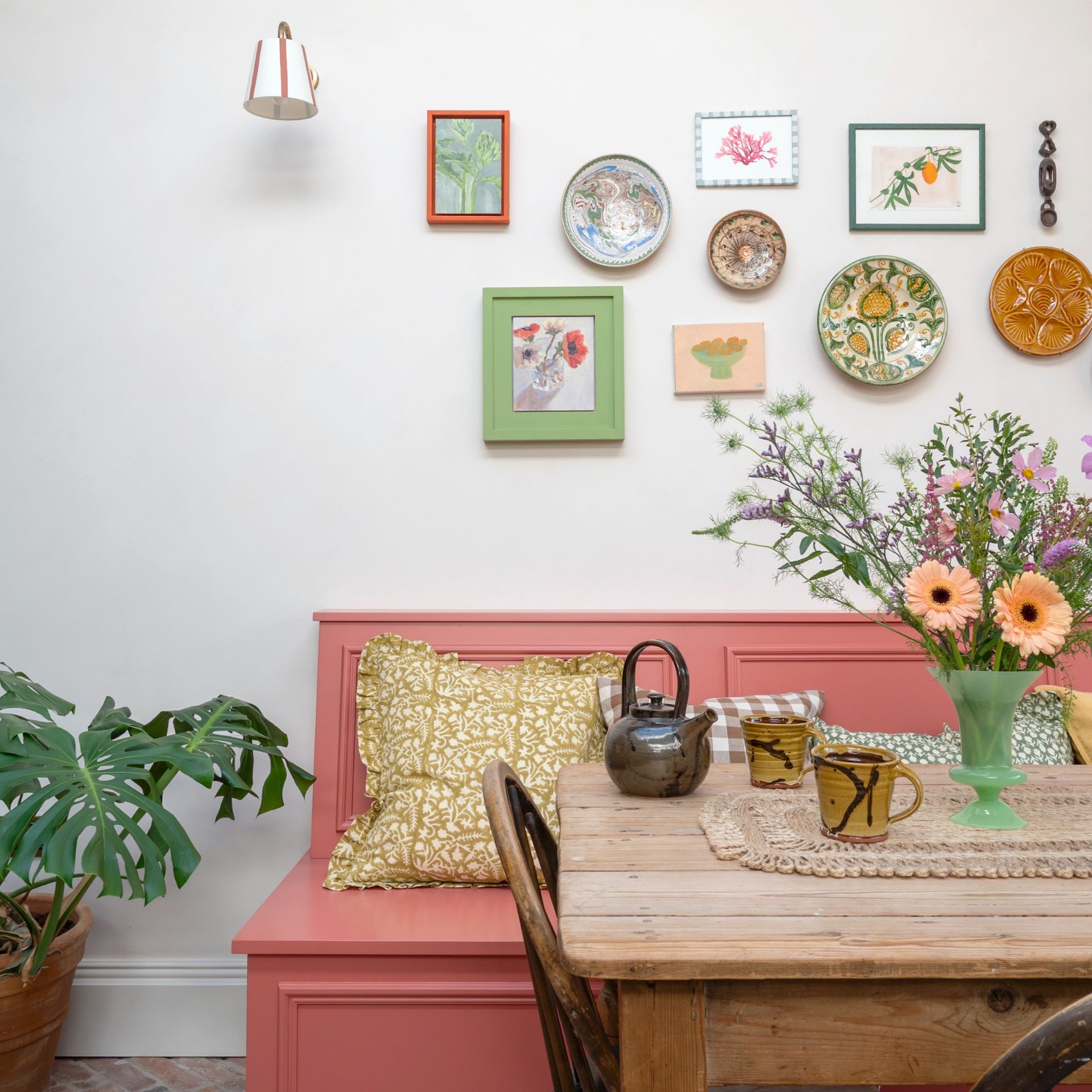
‘Clean the surface with a soft, slightly damp cloth in gentle circular motions. Clean water is usually all it needs – a scouring pad or anything too harsh can damage the canvas and strip the ink,’ says Julia Kindermann, manager at Custtom.
‘If a piece hangs somewhere naturally damp, near a bathroom or an exterior wall, it’s worth checking now and then that the wooden frame hasn’t started to warp. A warped frame can pull away from the wall slightly, and that’s exactly the kind of gap that gives a spider more room to move in.
‘Taking a print down completely is rarely needed. A quick check and a light dusting every so often is usually all it takes to keep spiders from making themselves at home.’
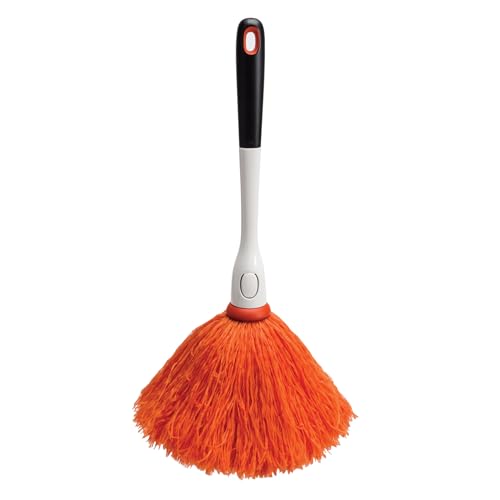
If you don’t like spiders in your home, ensure you’re dusting the backs of your photos for prevention.
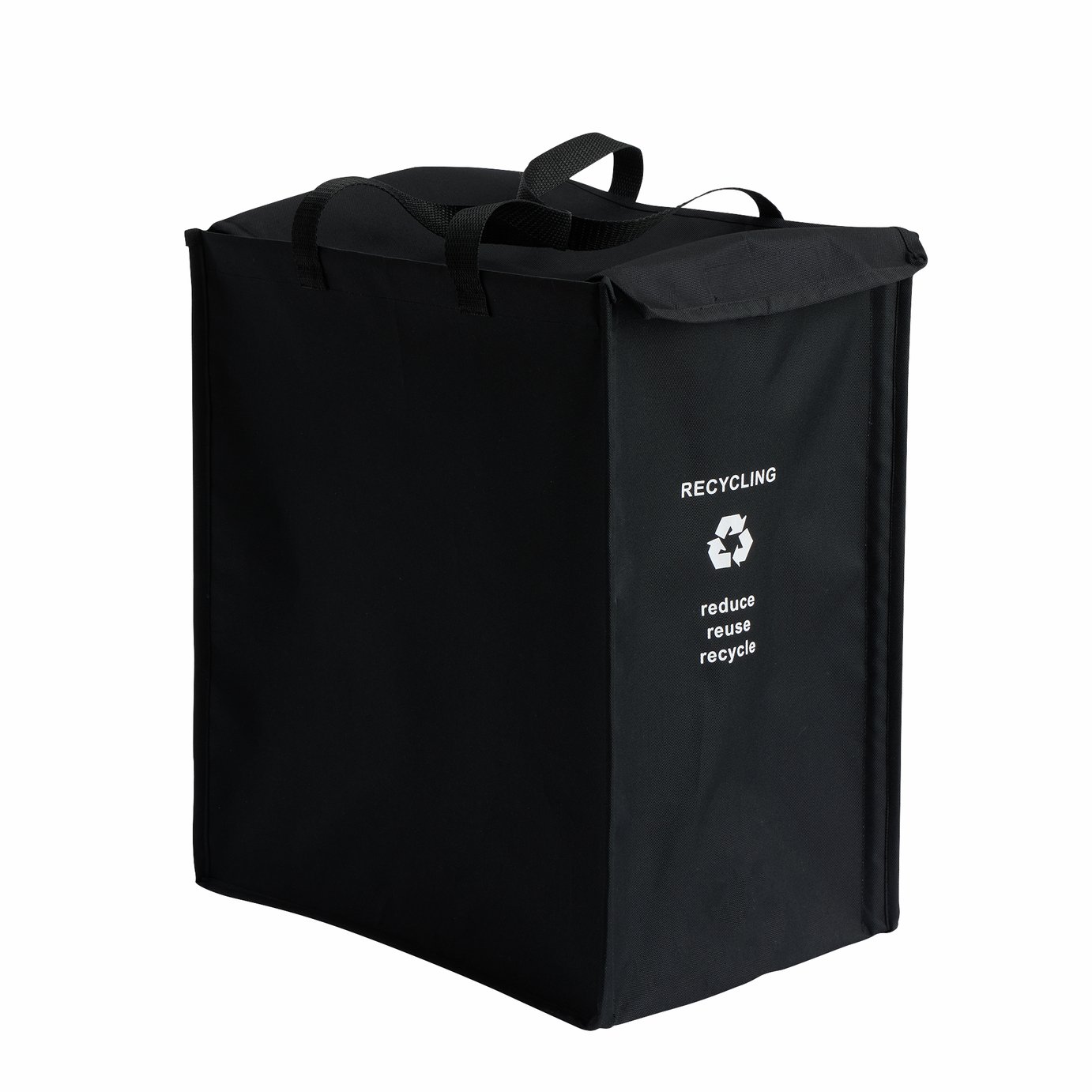
Argos Home have just dropped a discreet new recycling bag (£8), and I’ve decided it’s one of the best waste disposal options for small kitchens.
Since the introduction of the Simpler Recycling Rules, I’ve personally been investigating for Ideal Home how we can make the recycling process more streamlined at home, especially if you have a small kitchen to contend with.
What I’ve found is that opting for space-saving recycling designs really does make a difference to the process and this is why the recycling bag caught my eye. If you’re someone who doesn’t want recycling receptacles on show 24/7, I think the Argos bag is a perfect fit for you. Here’s why.
Get an extra 20% off with the code COSY20.
I can appreciate that discussing something as mundane as recycling is a little dull. But stay with me, as it is part of everyday life, and what Argos is offering is a recycling vessel that can be stashed out of sight when not in use. It’s perfect for people who don’t want their bins on show – or even, in the case of Lauren Goodger, someone who doesn’t like bins full stop.
The Argos Home Recycling Bag pops up in minutes and folds completely flat when not in use. Under the new rules, waste is separated into four categories; this bag has four handy four compartments meaning you can separate waste as you go, making trips to your outdoor recycling bins all the more easier.
I have a built-in recycling section in my bin (Habitat’s 60 Litre Twin Compartment Kitchen Pedal Bin, £70). It’s proved to be one of the best kitchen bins for my small flat, taking up little space and doing away with the need for a separate recycling bin. However, it only has one compartment for recycling, so when I take the bins out, I have to sort through it – which can feel a little gross.
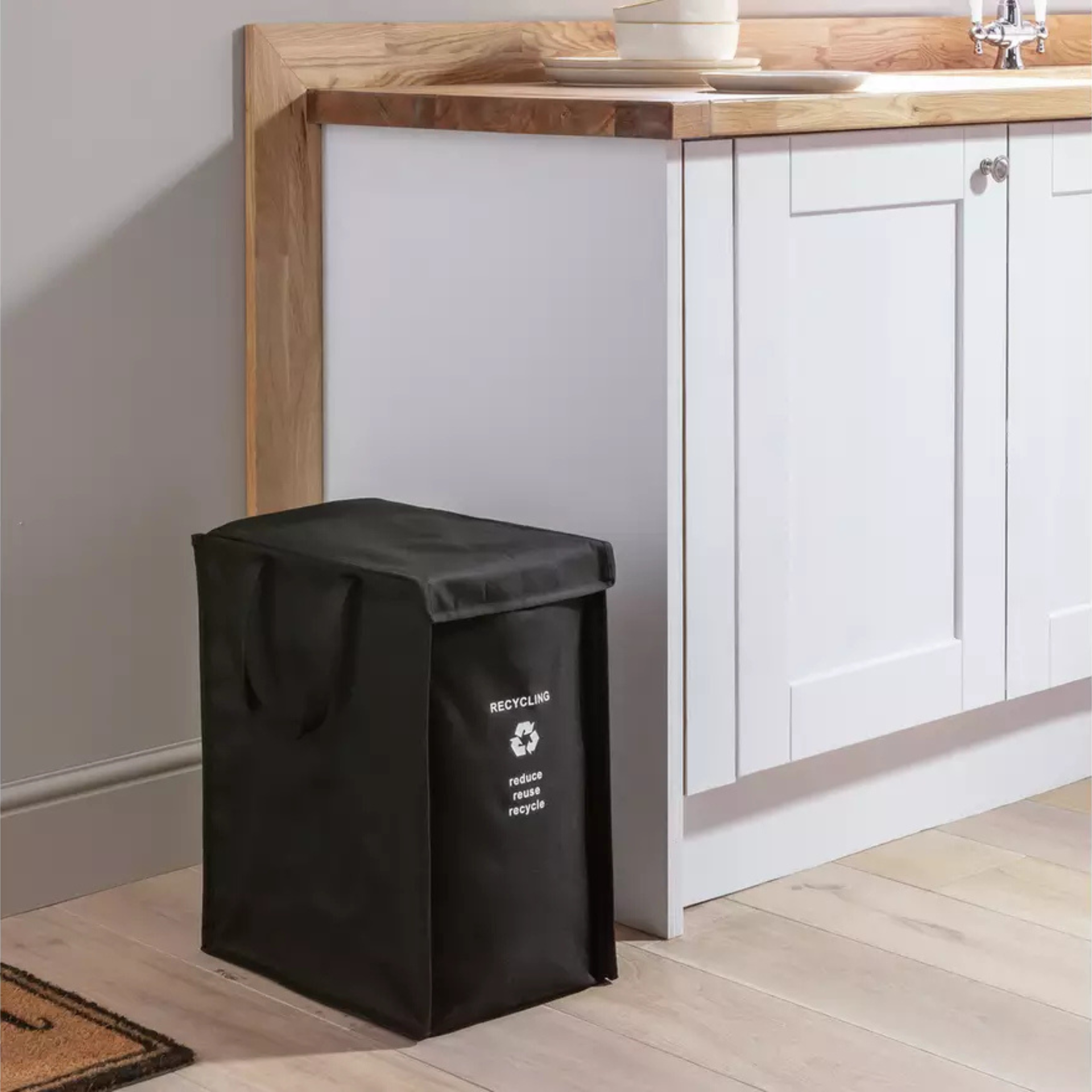
The biggest strength of the Argos recycling bag is that you can separate your waste as you go, placing plastics in one section, cardboard in another and so on. If you hate sorting recycling, this bag is such a handy and affordable solution.
Plus, right now Argos is offering an extra 20% off the bin with the code COSY20, making it even more affordable. I also think the plain black colourway makes the bag look more discreet. It won’t stand out in your kitchen, making it a more attractive option compared to standard recycling bins.
Alternatively, Argos has a few more attractive options to shop online. Here are a few more recycling solutions we recommend.
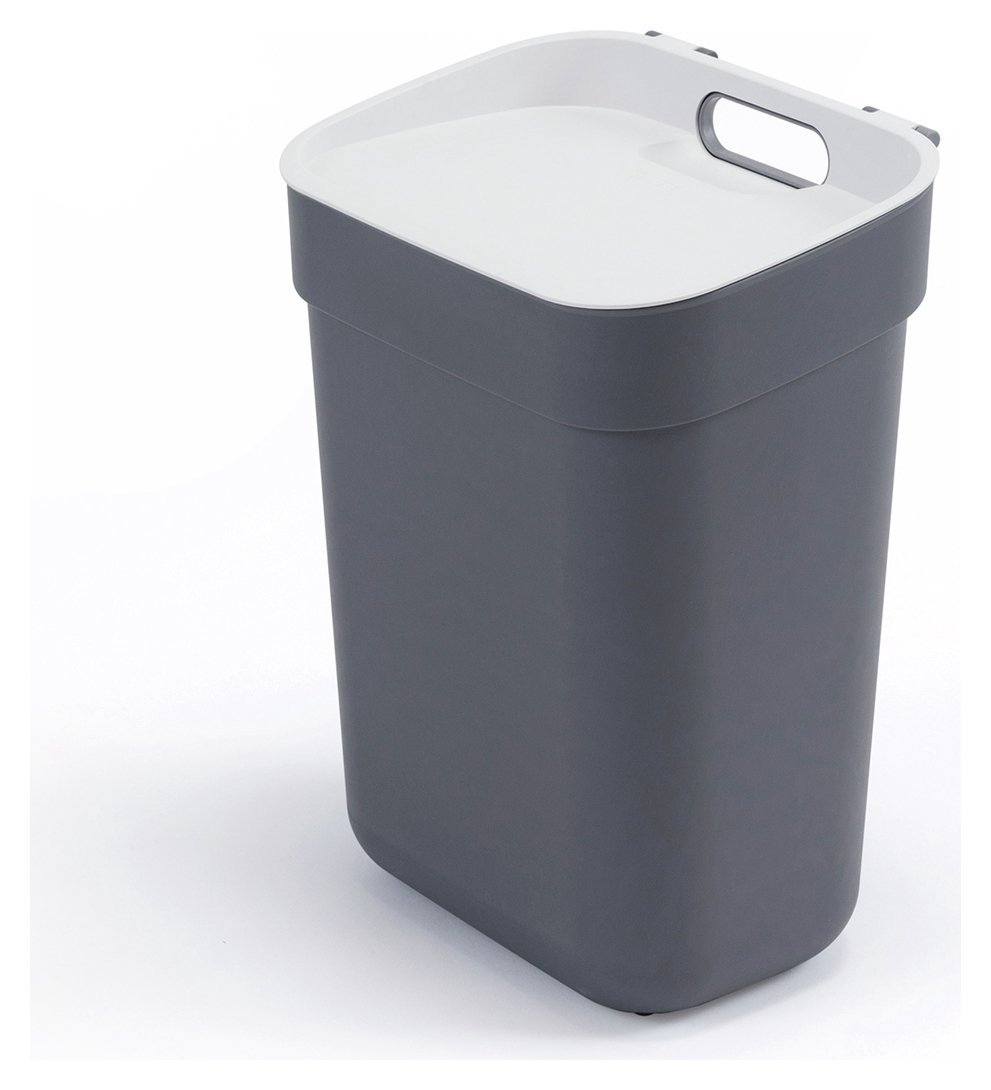
These Curver bins are designed to stack on top of each other, saving you space. It holds 10L of waste too, so you don’t have to make frequent trips to your outdoor bins.
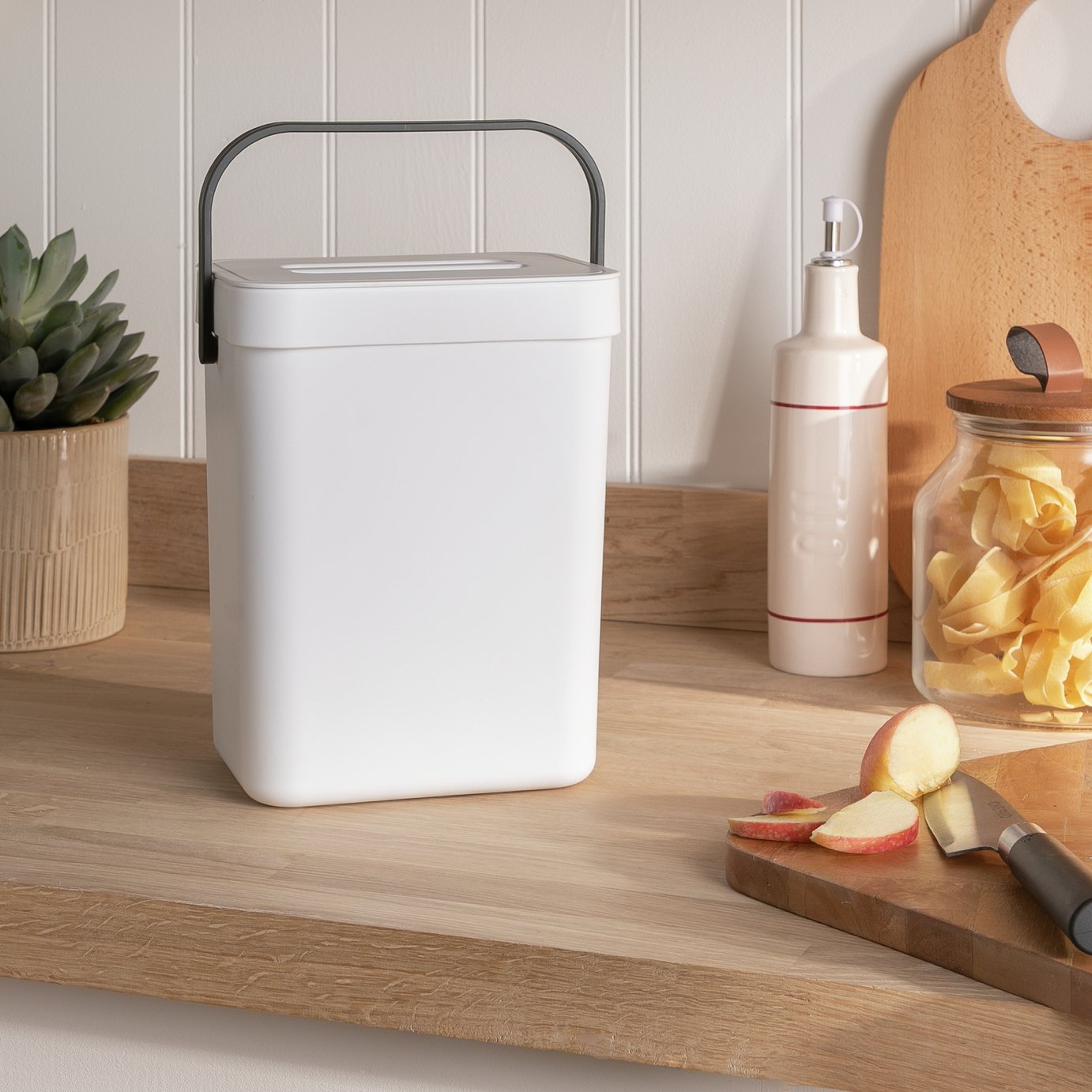
You should also consider upgrading your council brown food waste caddy to one that actually seals bad odours, like this one.
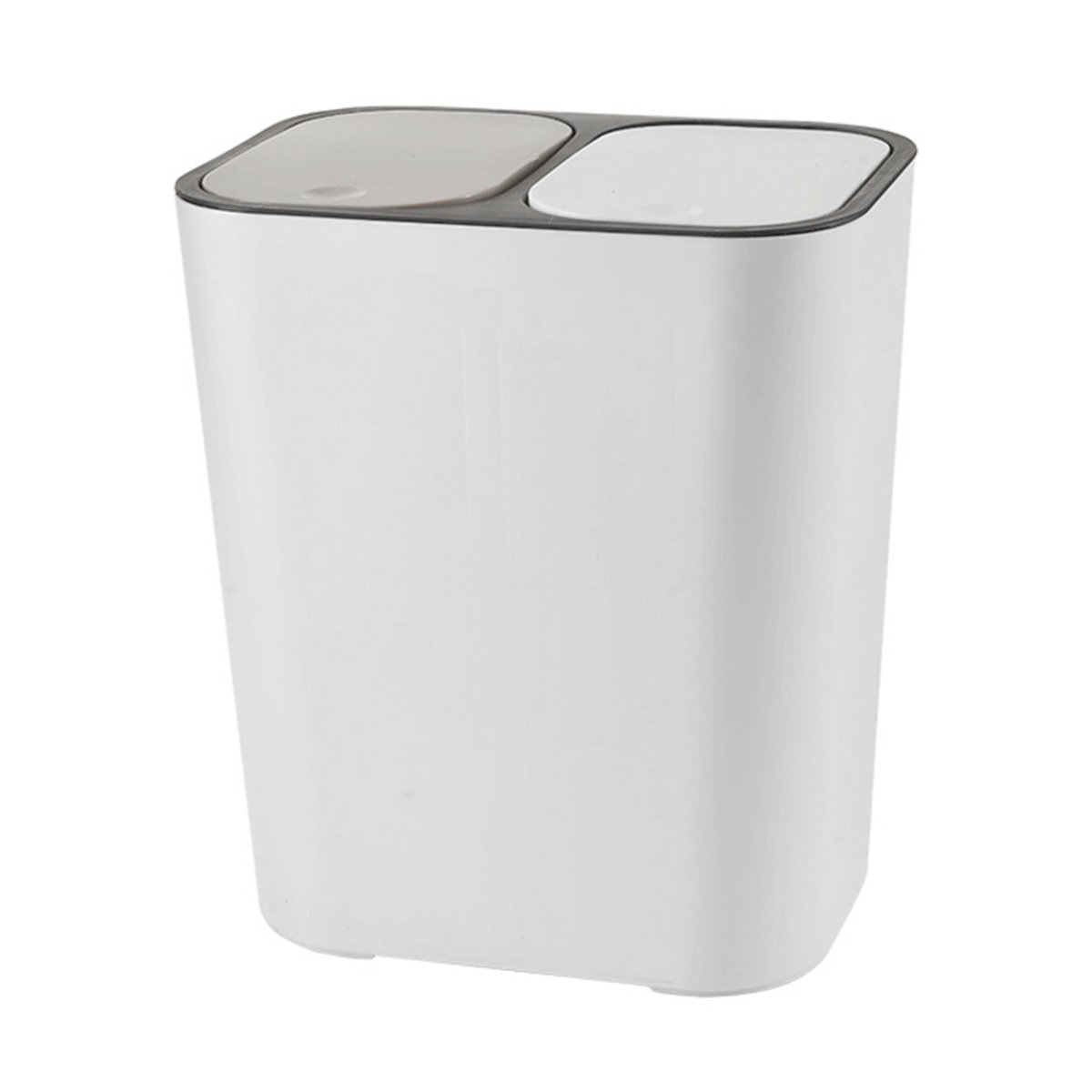
This compact waste seperator also locks in bad smells, as well as slotting neatly alongside a kitchen counter – another great choice if you’re short on space.
While recycling isn’t exactly the most glamourous of jobs, it is an essential task. So why not make your life easier?