If you are planning to head to the Ultra Europe Festival next summer, why not combine it with a small ship cruise or flotilla holiday with Sail Croatia?
The famous electric music festival takes place in Split from 9-11 July 2027 and is a popular choice for young travellers.
Booking one of the many holiday villas in cyprus is one of the best ways to experience the island — you get privacy, space, a pool of your own, and the freedom to holiday on your own terms. But how much does a Cyprus villa holiday really cost? Beyond the nightly villa rate, there are flights, transfers, food, and activities to factor in. This honest budgeting guide breaks down the real numbers so you can plan with confidence and avoid surprises.
Villa Rental — Your Biggest Cost
The villa itself is usually the largest line in your budget, and prices swing dramatically by season and property. In peak summer (July–August), a three-bedroom villa with a private pool typically ranges from €150–€350 per night, while luxury seafront villas can climb well beyond that. In shoulder season (spring and autumn) the same properties often drop by 30–40%, and winter offers the best value of all. Split between a family or group, the per-person cost frequently undercuts a comparable hotel — with far more space.
Flights and Getting There
Flights are the next major expense and vary hugely with timing. Budget airlines serve Paphos and Larnaca from across Europe, with return fares from around €80–€150 in off-peak months, rising to €200–€400 in peak summer. Booking early and travelling midweek makes a real difference. Factor in an airport transfer too — a private transfer to your villa typically costs €40–€80 each way, depending on distance.
Car Hire — Often Worth It
Cyprus is best explored by car, and many villas sit outside walking distance of shops and beaches. Expect around €25–€50 per day for a small hire car in season, less off-peak. Fuel is relatively affordable, and having a car opens up beaches, mountain villages, and restaurants you’d otherwise miss — usually money well spent.
Food and Drink
Self-catering is one of the biggest savings a villa offers. A weekly supermarket shop for a family might run €100–€200, and local markets are cheaper still. Eating out is good value too: a hearty meze in a taverna costs around €20–€30 per person, a casual lunch far less. Mixing home-cooked meals with a few restaurant nights keeps costs sensible without sacrificing the experience.
Activities and Extras
Many of Cyprus’s best experiences are cheap or free — beaches, hiking trails, and ancient sites with modest entry fees. Budget extra for boat trips (around €30–€50 per person), water sports, and day excursions. Setting aside €150–€300 per person for activities across a week is realistic for most families.
A Sample Weekly Budget
For a family of four in shoulder season, a realistic total might look like: villa €1,400, flights €800, car hire €250, food €400, activities €600 — roughly €3,450 for the week, or around €860 per person. Travel off-peak and that figure drops considerably.
Final Thoughts
A Cyprus villa holiday can suit almost any budget — from a value-packed off-season escape to a full-on luxury summer. The key is planning: book early, travel in shoulder season, and use self-catering to your advantage. Done right, a private villa delivers more comfort, space, and freedom than a hotel, often for less per person.
Frequently Asked Questions
How much does a villa in Cyprus cost per week?
It varies widely by season and size. A three-bedroom villa with a pool can range from around €1,000 per week off-peak to €2,500+ in peak summer, with luxury properties costing more.
Is a villa cheaper than a hotel in Cyprus?
For families and groups, usually yes. When you split the villa rate across several people and self-cater some meals, the per-person cost often beats an equivalent hotel — with much more space.
What is the cheapest time to book a Cyprus villa?
Winter and early spring offer the lowest rates, followed by autumn. Peak summer (July–August) is the most expensive, so travelling in shoulder season saves significantly.
Do I need to hire a car in Cyprus?
It’s highly recommended. Many villas are away from town centres, and a car (around €25–€50 a day) unlocks beaches, villages, and restaurants that are otherwise hard to reach.
How much should I budget for food?
A weekly supermarket shop for a family runs about €100–€200, while dining out costs roughly €20–€30 per person for a meze. Mixing both keeps your food budget flexible.
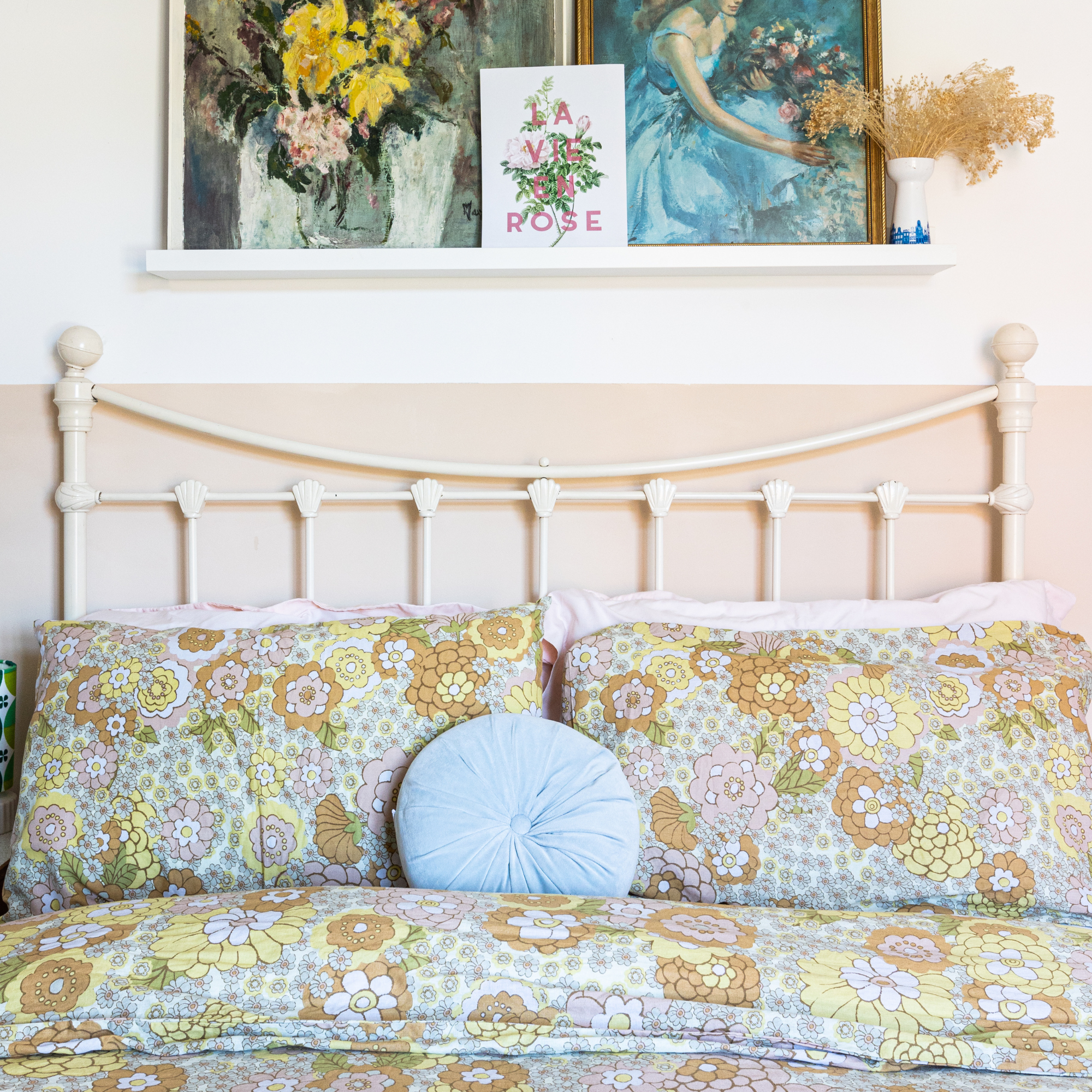
Sorry, neutral bedding, there is a new bedding style we can’t get enough of this autumn, and I predict it will be making an appearance in the most stylish of homes. Experts are calling it ‘Grandma Chic’ and it’s perfect for making your bedroom cosier this autumn.
However, you can set pumpkins aside for now, as what used to be known as more ‘grannyish’ prints such as ditsy florals, ruffles and vintage prints are currently in vogue. Here’s how and why you should be shopping for the grandma chic bedding trend.
The grandma chic bedding trend
‘Grandma-chic bedding is a move away from the clean, minimal, hotel-white aesthetic that has dominated bedroom interiors for the past decade,’ explains Richard Lord, bedding and interiors expert at Lost Loom.
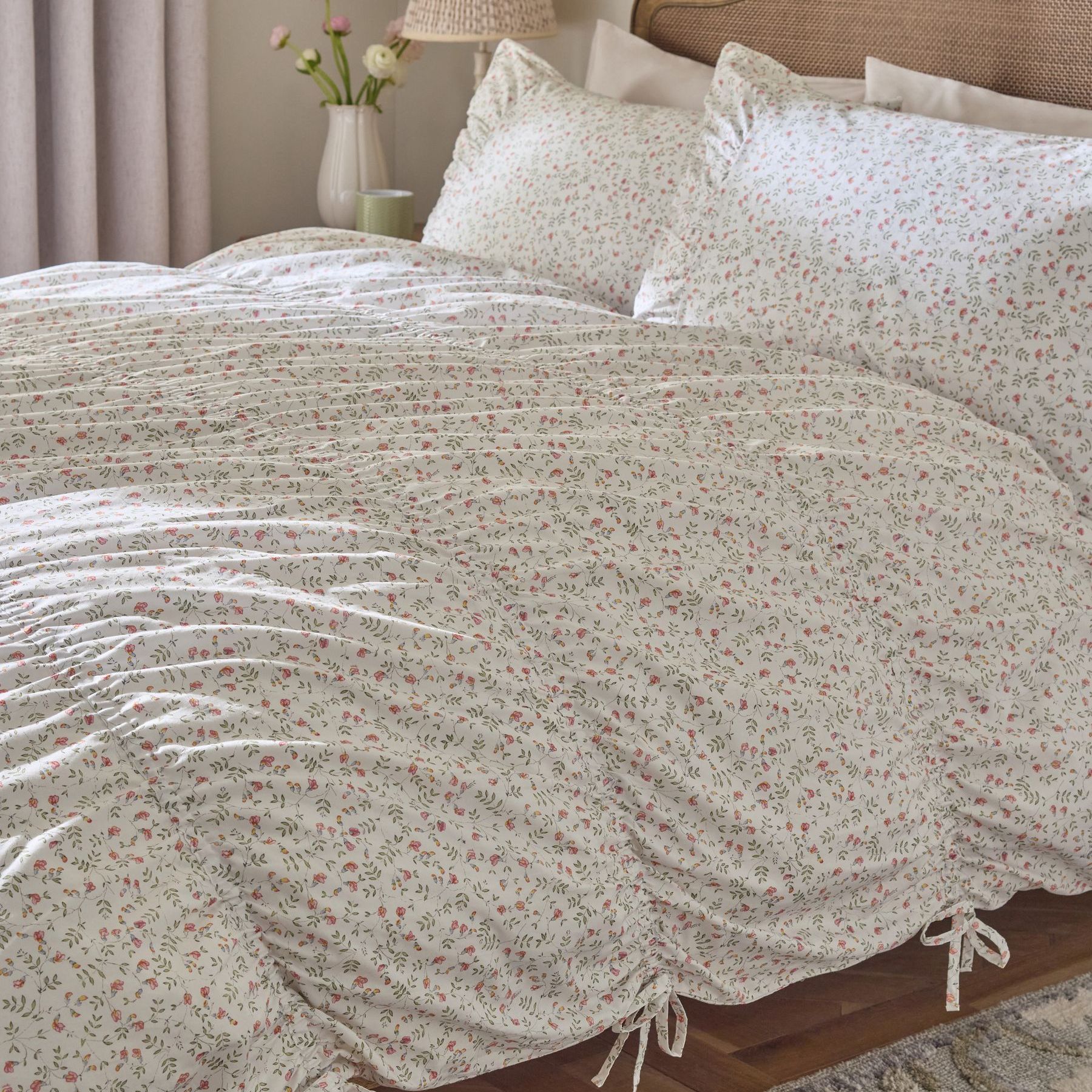
‘Think floral prints, ditsy patterns, broderie anglaise, lace trims, layered pillows, quilted bedspreads and soft, faded colour palettes in dusty roses, sage greens and warm creams. It is a style rooted in nostalgia, craftsmanship and comfort, evoking the kind of bedroom that feels lived-in, personal and genuinely cosy rather than designed for a photoshoot.’
But why are these prints becoming increasingly popular? It’s as simple as shoppers looking to make their bedroom ideas feel more personal, and changing your duvet cover is one of the easiest ways to redecorate without spending a fortune or making any permanent changes.
‘We’re overstimulated by over-consumption and tired of homes that add to this overwhelm in our personal and professional lives, especially with social media,’ explains Laura Rich, interior designer at Furniturebox. We’re focused on making our homes sanctuaries for this exact reason, while also maintaining personality and fun in our homes – making our homes a reflection of us and our character.
‘We’re looking for comfort personified in our homes, especially as we head into the nesting season in autumn/winter, so the priority is soft, cosy spaces where we can be ourselves and feel comfortable and safe.
‘Once upon a time our homes were all about perfection and fitting into an aesthetic. Now, our bed can be an emotional safe space, rejecting any coldness of minimalism, built around soft textures designed for real rest and relaxation.
‘A modern take on vintage styles and heirloom embroidery feels nostalgic and comfortable while also being fresh and functional. It feels lived-in without being dated, and is the perfect place to properly rest and unwind.’
Shop the trend
Next
White Ditsy Floral Ruched 200 Thread Count Duvet Cover and Pillowcase Set
Made with a pure 200 thread count cotton, this vintage set is as comfy as it is beautiful.
M&S
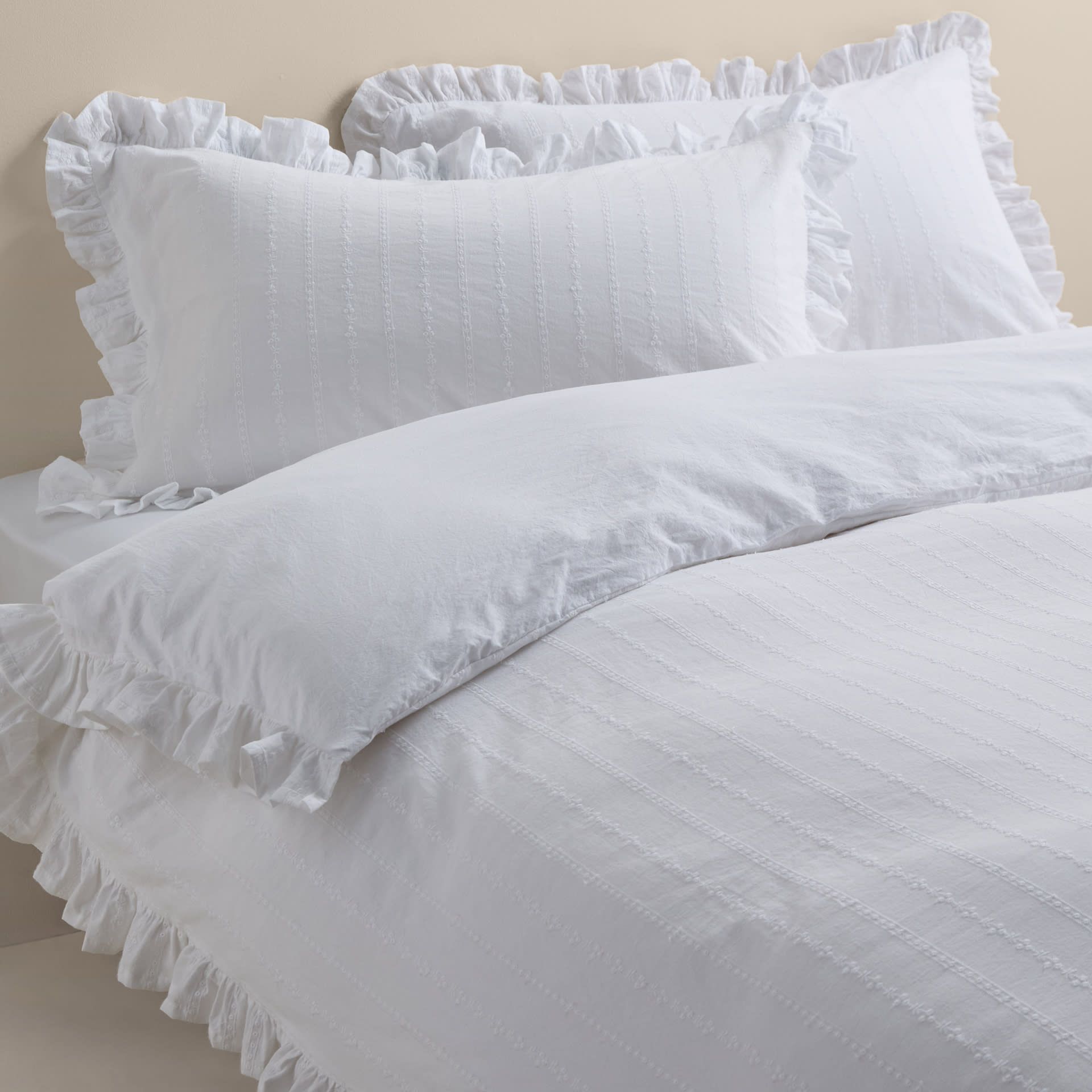
Pure Cotton French Ruffle Embroidery Bedding Set
If you are a fan of white bedding, you can still join in on the trend, as this stunning ruffle set proves.
Dunelm
Vintage Floral Frill 100% Cotton Duvet Cover and Pillowcase Set
Made from 100% cotton, this floral set is covered in pretty pink roses and bows.
La Redoute
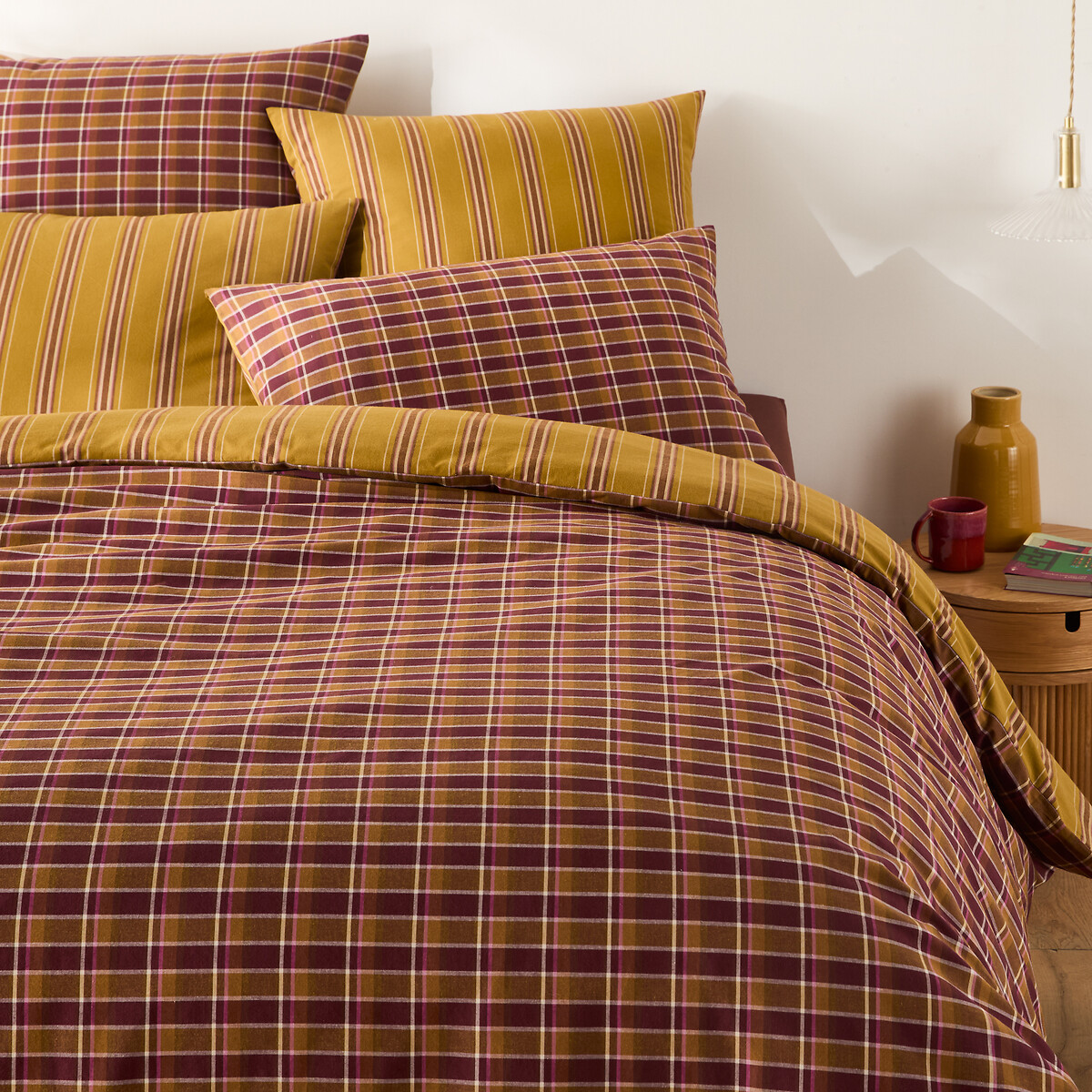
Oswald Duvet Cover in Washed Cotton
How autumnal is this set? I love it’s seasonal colourway and it’s a good choice for those less keen on florals.
John Lewis
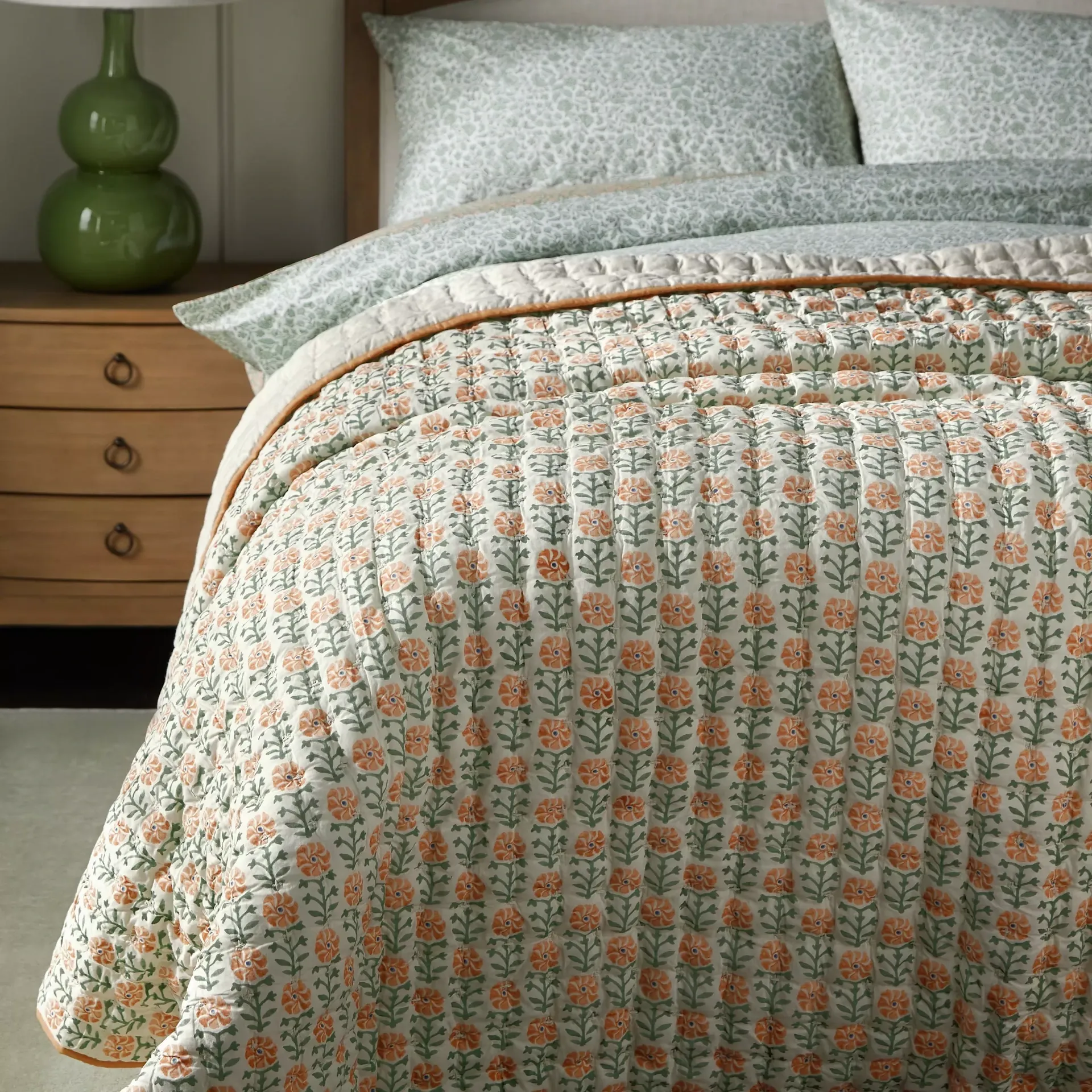
Aria Reversible Quilt, Blue
There’s no denying this is more of a splurge item, but you have to admit this bedspread is gorgeous and nails the trend.
Dunelm
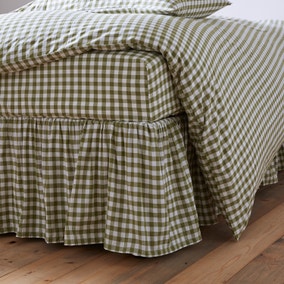
Portloe Woven Gingham 100% Cotton Frilled Valance
If you really want to embrace the trend, choose a frilled valance for a statement vintage look.
Are you on board with the grandma chic bedding trend?
So far 2026 has been a year of colourful and playful interiors, and the latest social media trend is proof that people are doing everything they can to add some whimsy into everyday life.
If your algorithm is anything like mine, then you’ll likely be familiar with gem-maxxing; the viral trend that involves embellishing everyday items with gemstones. For the past month, my feed has been filled with celebrities and content creators bedazzling their belongings.
And now the gem-maxxing has cemented itself as an unusual home decor trend, with homeowners covering their decor, accessories, appliances and everything in between with eye-catching gemstones. But why is bedazzling back? And is there a way to turn this kitsch trend into a chic design upgrade?
The gem-maxxing trend
Chances are you’ve heard of whimsymaxxing, the feel-good philosophy that influenced our home decor choices at the start of the summer. Well, gem-maxxing is an extension of that and a chance for people to put a fun spin on everyday items.
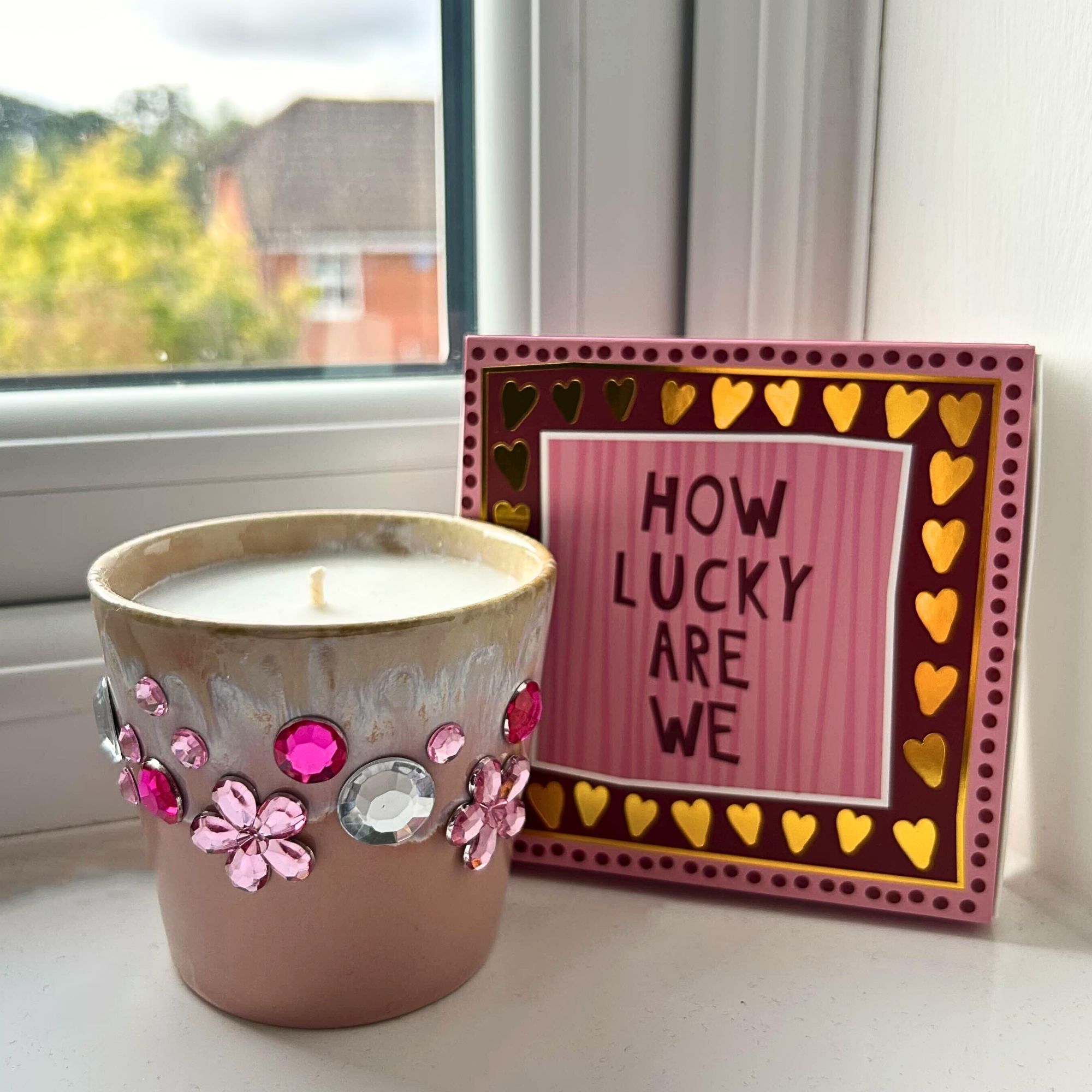
Phone chargers, vases, plant pots – you name it. If it’s a blank canvas in your home, why not bedazzle it? Even plain white lamps can benefit from a glitzy makeover, as demonstrated by content creator @celenabrownie.
‘Gem-maxxing is a maximalist DIY trend where everyday household items are transformed into sparkling showstoppers using rhinestones, flatback gems and adhesive jewels,’ explains Jo Hamilton, head of buying at Hobbycraft. ‘It offers an affordable way to refresh items you already own, aligning with the dopamine decor movement and allowing people to inject colour, texture and personality into their living spaces.’
The bedazzling boom seems to have started when Kylie Jenner added jewels to her coffee cup. Since then it’s been a domino effect, with people bedazzling anything they can get their hands on. In fact, Hobbycraft has reported a 65% increase in searches for rhinestone gems compared to last year.
But the trend is not just an attempt to copy the celebrities, it actually taps into a wider appetite for personality-led design ideas. ‘Quiet luxury and minimalism have dominated social media for so long that many people have been curious about something different, something personal and playful. Gem-maxxing offers exactly that,’ explains Shaun Middleton, founder at Bluestreak Crystals.
(Image credit: Future PLC / Maddie Balcombe)
‘While traditional bedazzling was all about neat, symmetrical rows of rhinestones on one item, gem-maxxing is all about piling on as much sparkle as possible,’ Shaun continues.
‘Iced coffee cups, mirrors, water bottles, photo frames, and even light switches are all fair game, with gems layered up in a way that looks joyfully chaotic. Plus, it costs very little to get started, so there’s no pressure to get it “right” on the first try,’ he adds.
How to embrace gem-maxxing
There’s no denying that gem-maxxing is an irresistibly playful design idea, but if you want to give it a go there’s a few important things to consider to make it feel considered, rather than kitsch.
‘The line between tasteful and tacky with gem–maxxing is thin, so start with one piece you actually want people to notice, like a mirror or a lamp base, rather than covering every surface at once,’ suggests Shaun. This way, you can ease yourself in and create a real statement.
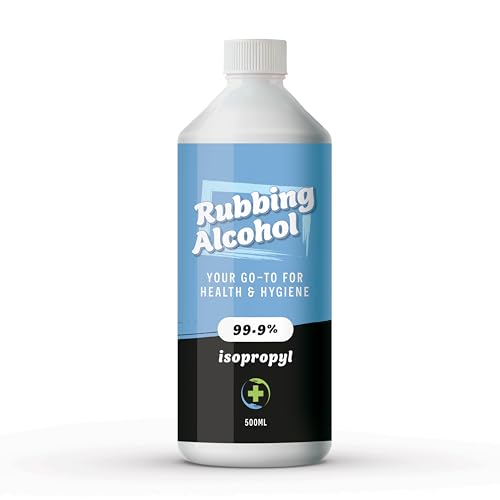
The application of your gems will make a big difference to the appearance of your piece, too. ‘Before starting, always clean the surface thoroughly with rubbing alcohol to ensure proper adhesion,’ advises Jo.
‘Use a dedicated strong gem glue for items you handle daily or opt for self-adhesive gems when working on simple display pieces. And try experimenting with a mix of gem sizes, this allows you to map out your pattern beforehand and fill any awkward gaps seamlessly,’ she adds.
There’s no denying that the gem-maxxing trend isn’t for everyone but, when done well, it can add a fun pop to your decor. Just take it from Ideal Home’s Editor in Chief, Heather Young, who put the trend to the test after intrigue got the best of her. ‘I was a bit cynical about this trend when I first heard about it as I’m not really into bling, but it’s actually a really nice way to personalise or upcycle plain items,’ she says.
‘I’d definitely consider it for small items such as notebooks and memo boards or decorative pieces like vases and photo frames. I’m always behind anything that makes people smile, so if you love it, go for it! It’s not like it’s a permanent transformation, so don’t overthink it – have some fun and get creative,’ adds Heather.
However, it is worth considering the impact your gemstones can leave behind. While small, plastic stickers are an easy fix, they won’t do much good for the environment in the long run. So, if you’re serious about committing to gem-maxxing, consider investing in some proper stones for a real style upgrade.
‘Glass crystals have properly cut facets, so they throw light around a room and still sparkle years late,’ explains Shaun. Just be sure to use the right glue – ‘E6000 will work for glass, ceramic or metal, while a fabric-specific glue is best for textiles,’ he adds.
Shop the trend
Kiperee
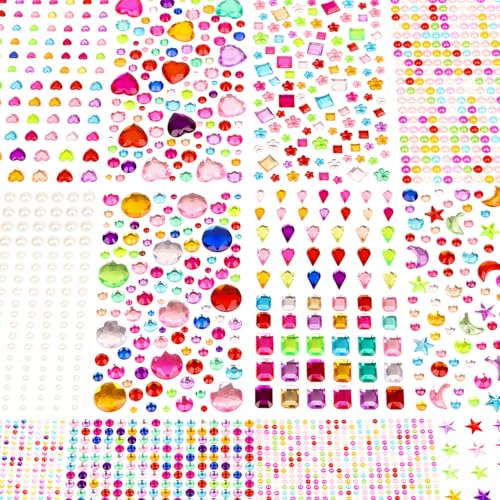
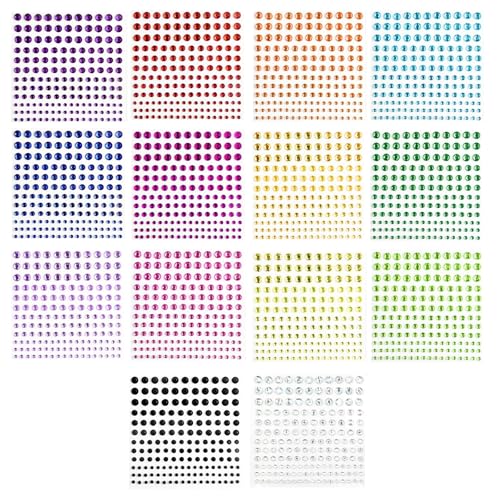
3240 Self Adhesive Rhinestones
Palm Safe
Rubbing Alcohol 500ml
Lyokelc
2310 Self-Adhesive Rhinestones
Don’t fancy getting crafty? These buys will help you embrace the trend.
Tyenaza
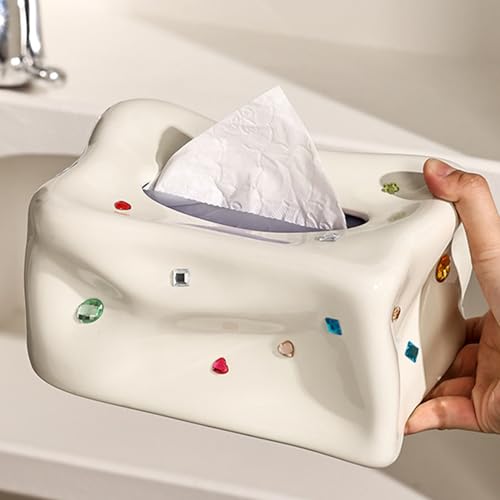
Tyenaza Ceramic Tissue Box
Dunelm
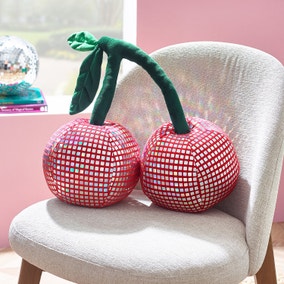
Catherine Lansfield Disco Cherries
Fazeek
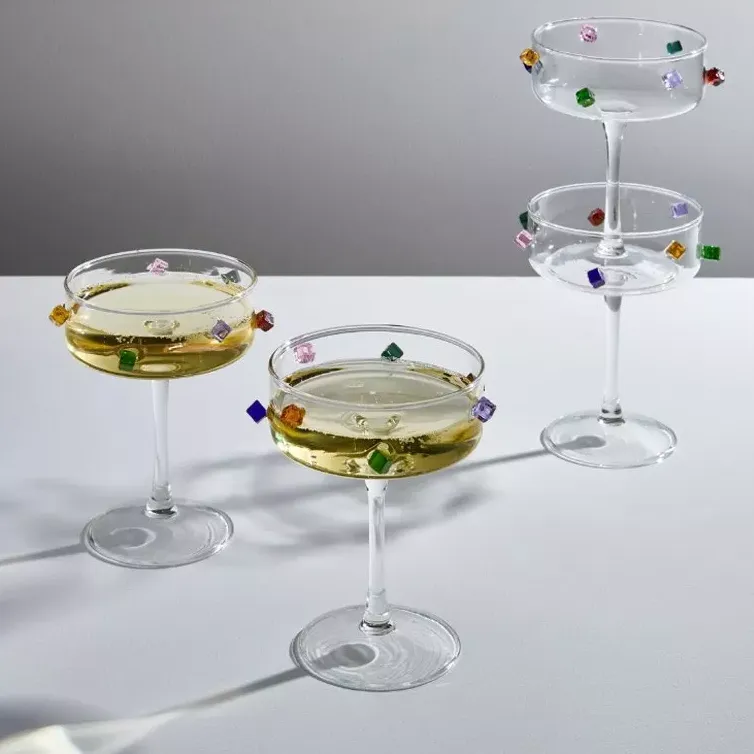
Fazeek Jewel Coupe Cocktail Glasses
If you enjoyed reading this, sign up for the Ideal Home newsletter for all the latest home decor trends and inspiration delivered straight to your inbox