
nhow London hotel review, London EC1
Set on the rather unremarkable Macclesfield Road, at the crossroads of Shoreditch and Islington, London’s first nhow hotel (pronounced “now”) brings four-star comfort and a huge splash of quirk and colour to a part of London that could do with some action.
Not to be too down on the location, as it’s easy to get to: a 10-minute walk from Angel and Old Street stations, and trendy Shoreditch is 15 minutes away on foot. Plus, room rates are really good value and a quiet night’s sleep is pretty much assured.
Opened in 2023, this 190-room lifestyle hotel blends British heritage with in-your-face design that includes royal portraits and Union Jack motifs, all with a punk twist, where street art flourishes and playful nods to London’s underground culture are throughout.

Reception desk at nhow London that looks like it could sail away
Check-in is a simple, easy affair at an oddly shaped pale green reception desk that looks like it could sail away, while lampshades dressed in patchwork jackets hang above and television screens pump out visuals from behind.
There’s a bright central bar, a fireplace lounge with several styles of armchair, including a couple dressed in Chelsea Pensioner garb, and co-working nooks amid a smorgasbord of striking art.
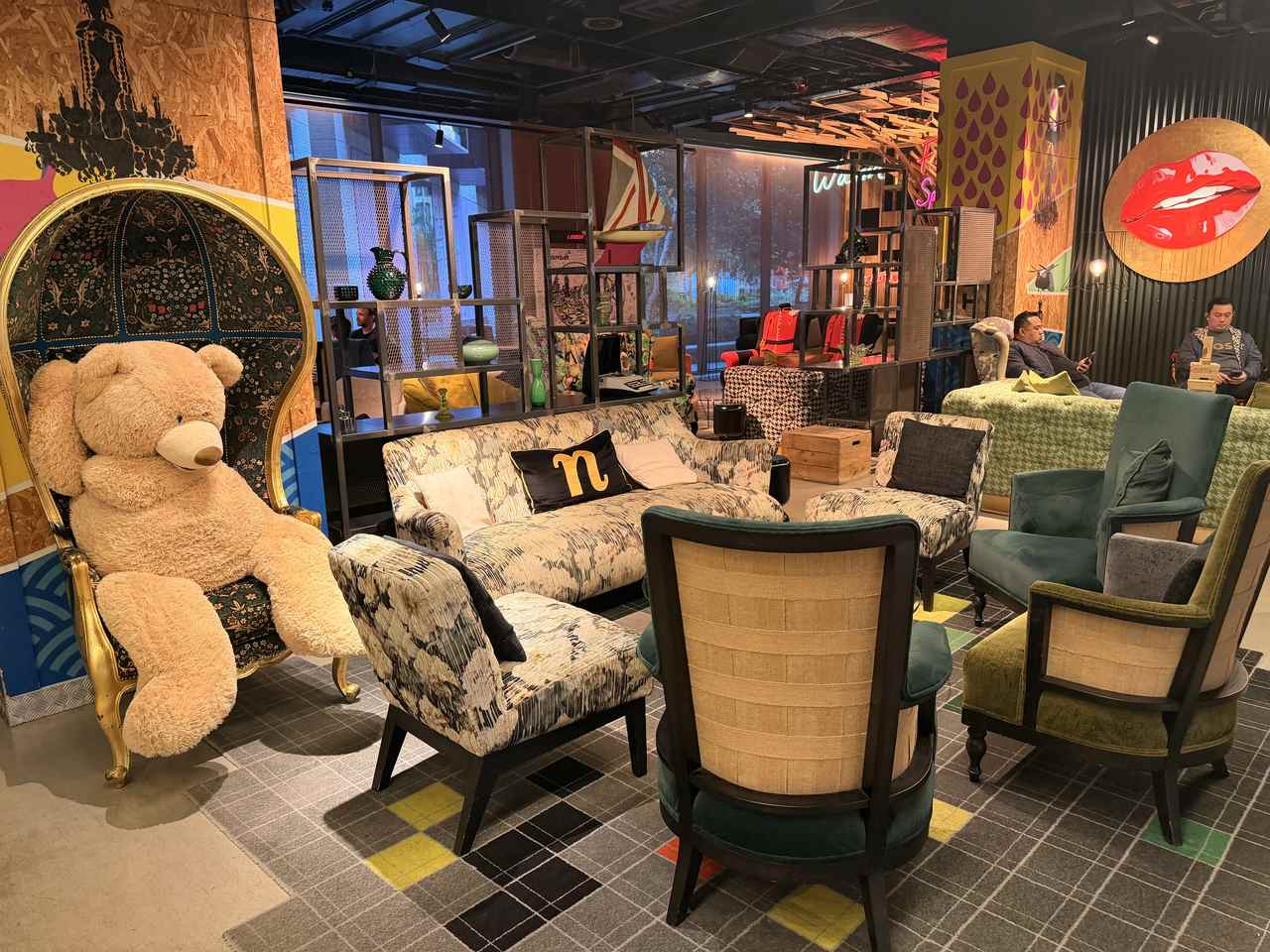
Open plan lobby & social space
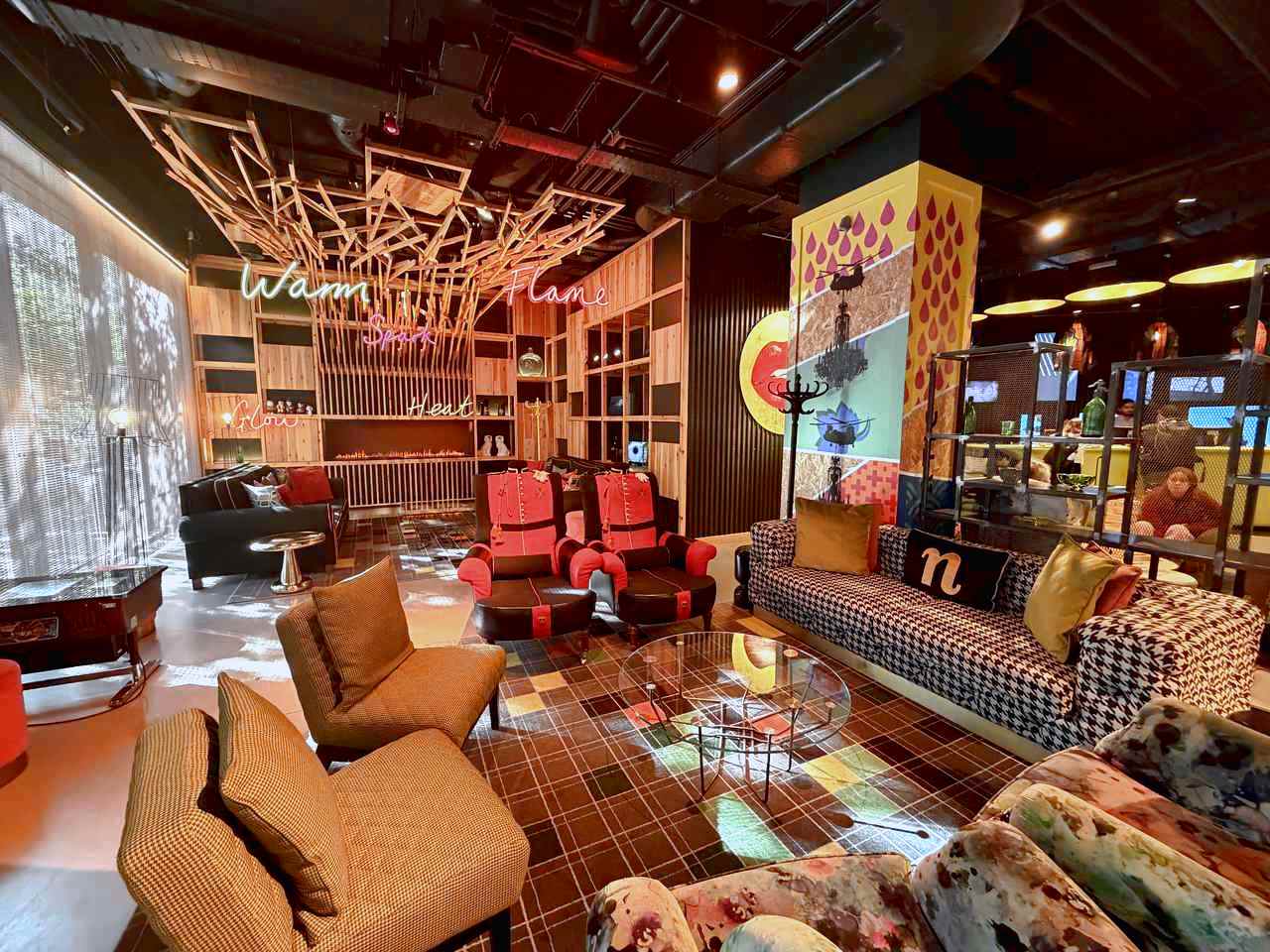
Open plan lobby & social space

Guilty Restaurant
Who for
nhow London is a bold, artistic 4-star lifestyle hotel bringing the German nhow brand’s irreverent style to EC1. it would appeal to anyone with an appreciative eye for funky design. It works as a base for weekend breaks, close to the City yet well connected to the best of Shoreditch and Islington.
Accommodation
nhow London has 190 rooms and suites across six categories, reached via dimly lit corridors with walls draped in black curtains and red doors with traditional knockers and doorbells.
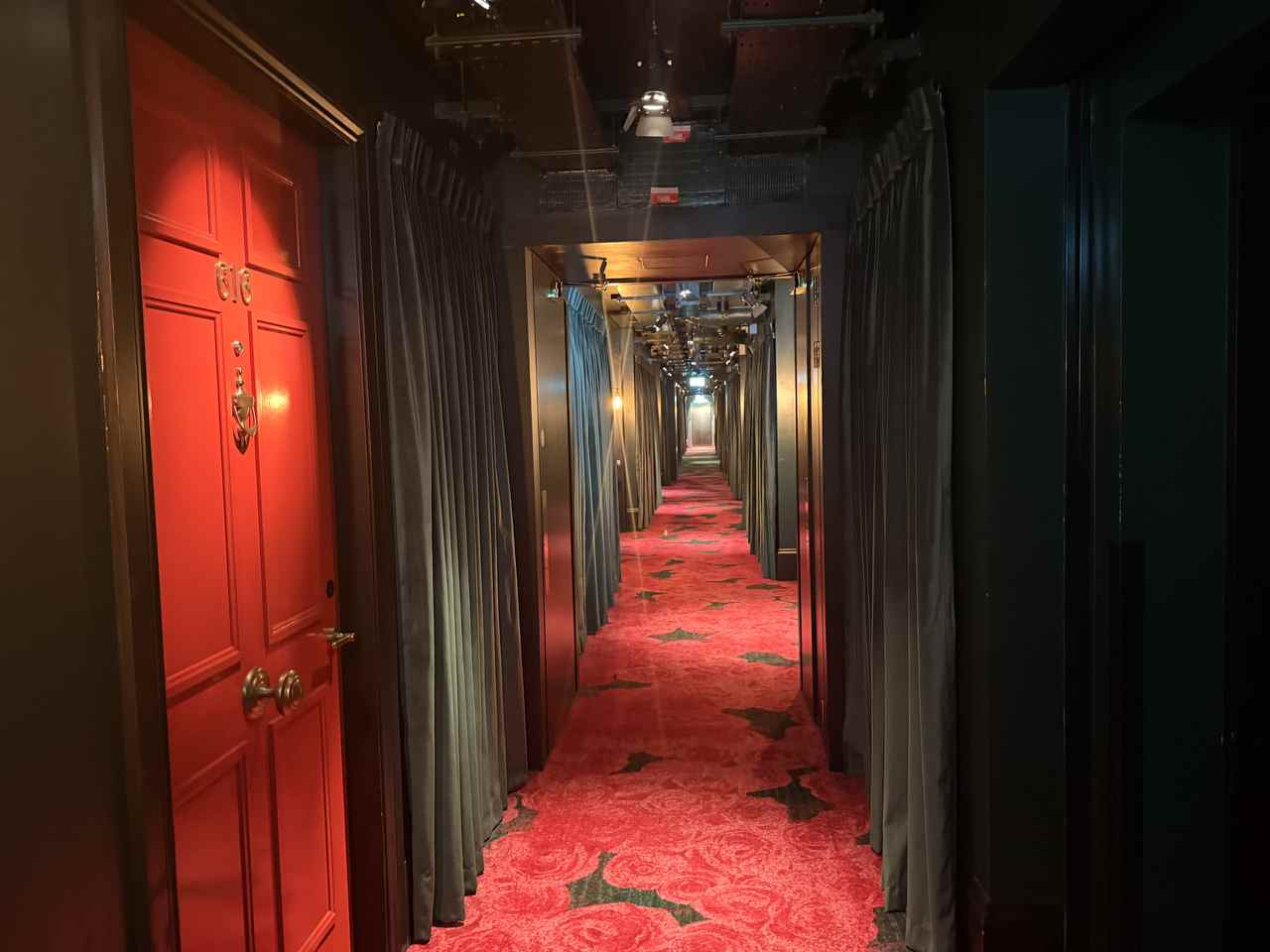
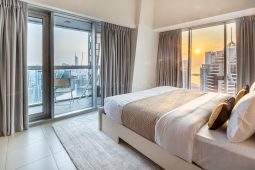
Yet, behind those sultry doors, rooms are bright and spacious, with decor based on British themes that include Union Jack rugs and images of Queen Elizabeth II.
They come soundproofed and equipped with free high‑speed Wi‑Fi, smart TV, coffee facilities, minibar, safe and premium bedding.
Bathrooms feature rain showers and modern fixtures, while many rooms overlook either Macclesfield Road or a surprisingly peaceful courtyard.
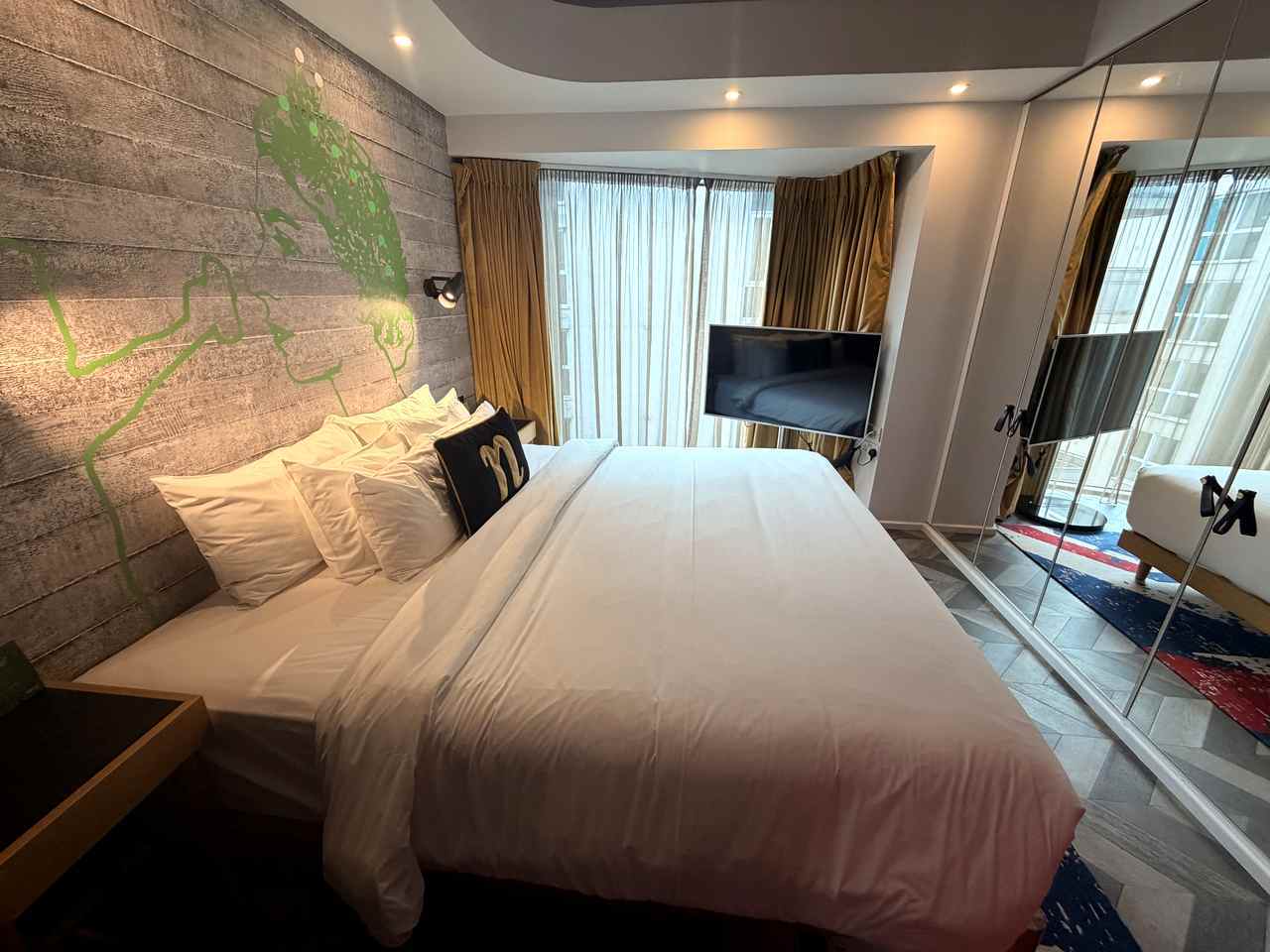
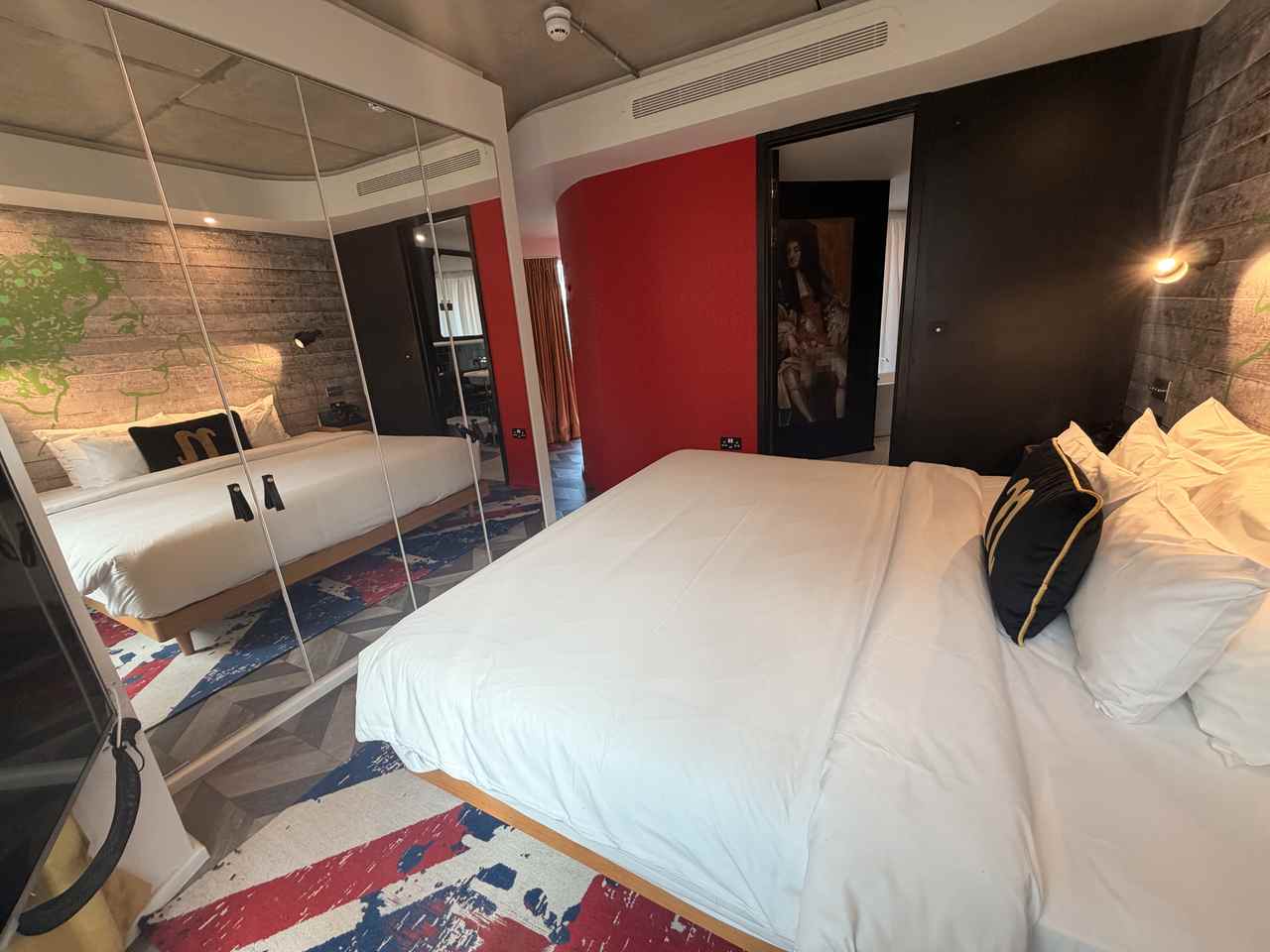
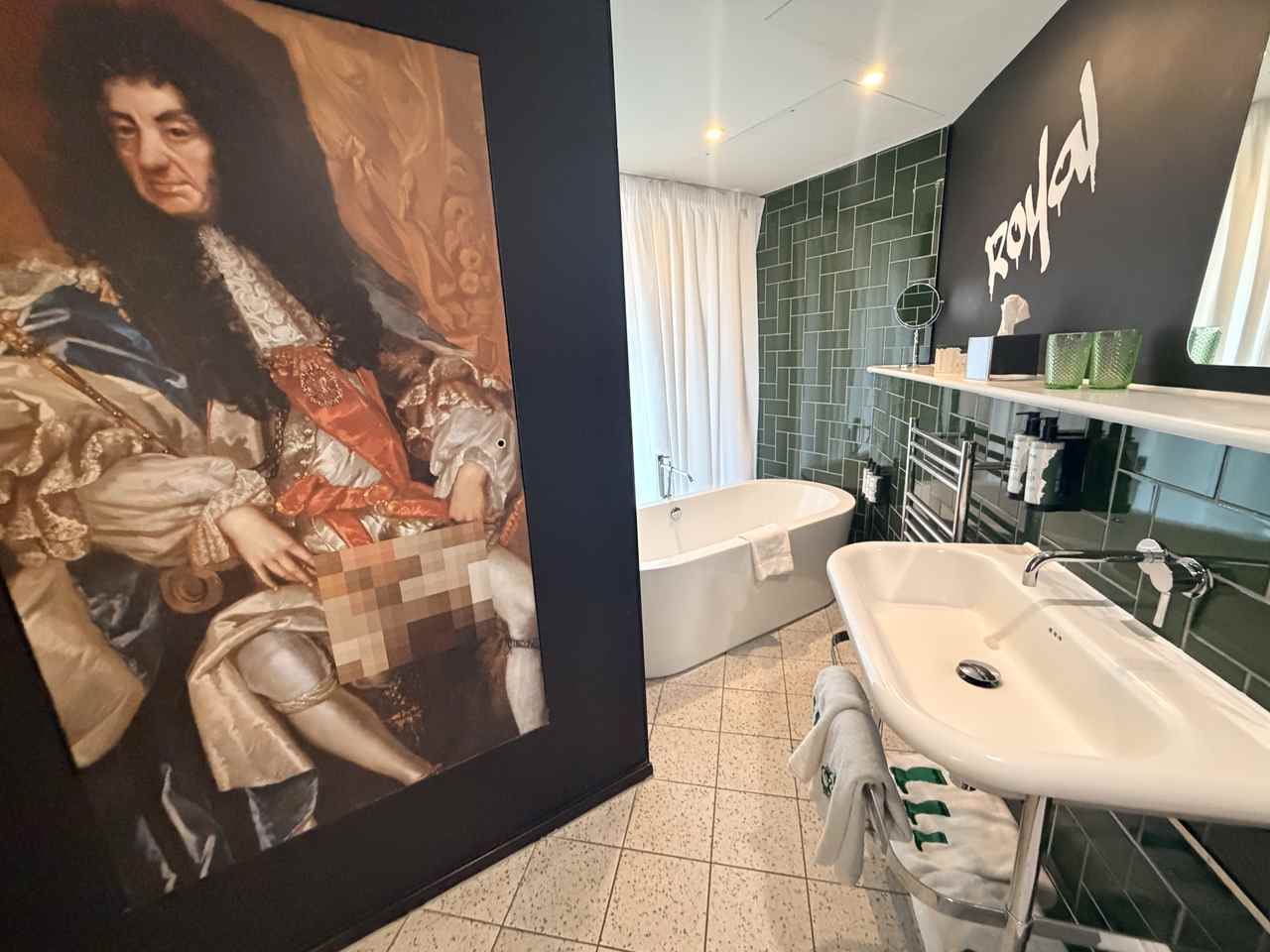
My suite 615, was spacious, with plenty of storage behind mirrored wardrobe doors, a king-size, very comfy bed and a headboard with a green outline of the late Queen.
The bathroom comes with a free-standing bath and a rain shower walk-in shower and generous amenities such as own-brand aromatic toiletries and toothbrushes. There’s also a huge and somewhat startling image of an aristocrat with his private area pixelated looking every bit the peeping Tom.
Incidentally, this is a pet‑friendly stay.
Food & Drink
Guilty London is the hotel’s all‑day dining destination, serving food throughout the day and evening. Breakfast is buffet-style, offering a hearty mix of fruit and pastries, and I tried a gluten-free scone, and wish I hadn’t. There was plenty buffet-cooked food, and I was able to order an omelette from the kitchen.
I took dinner at Guilty as well.

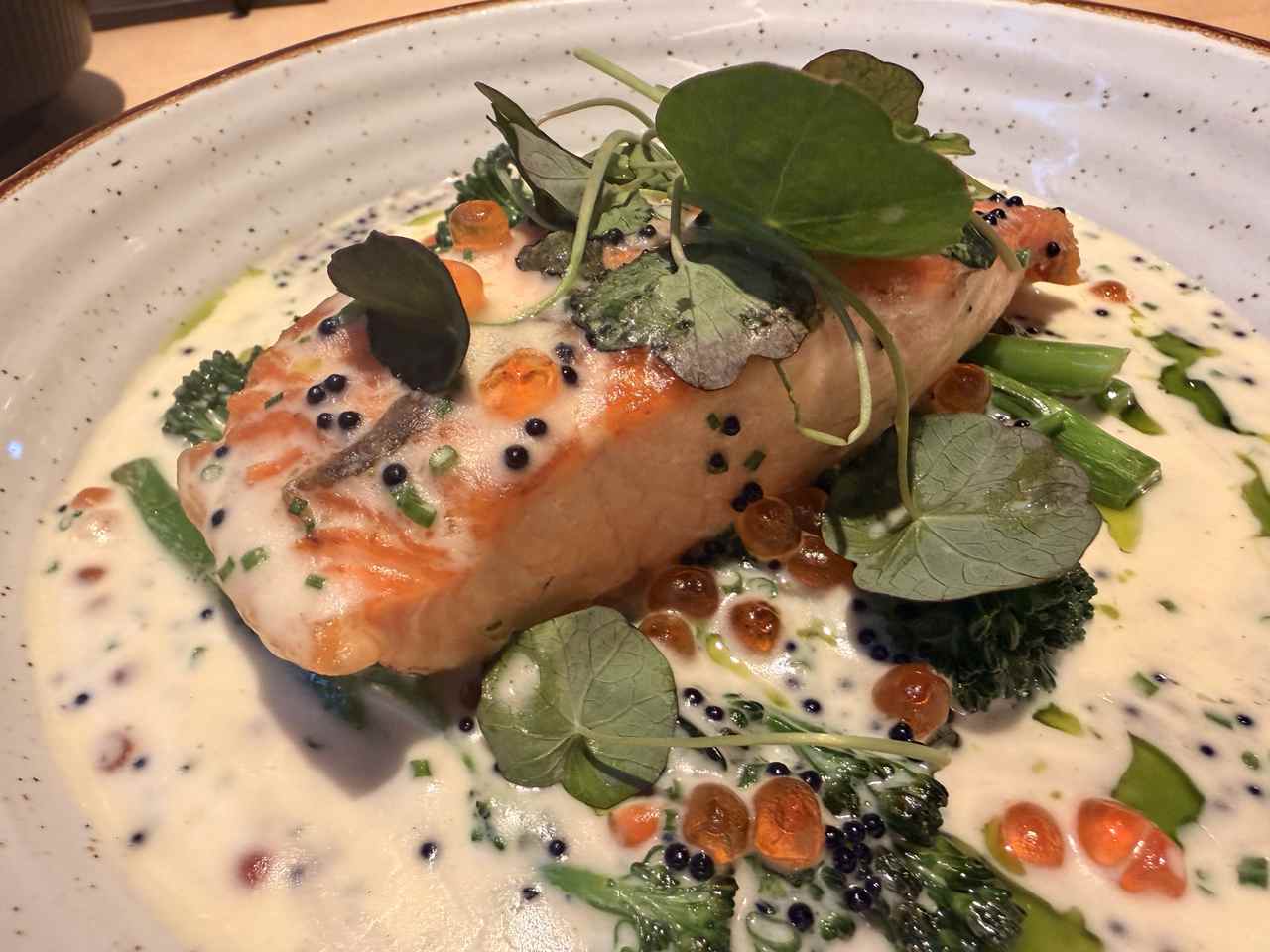
The menu is easy dining with starters such as spiced calamari fritters and cheesy nachos, and mains such as herb-crusted Suffolk lamb cutlets, fish and chips, Old Delhi chicken tikka. My choice for the evening: steamed salmon fillet.
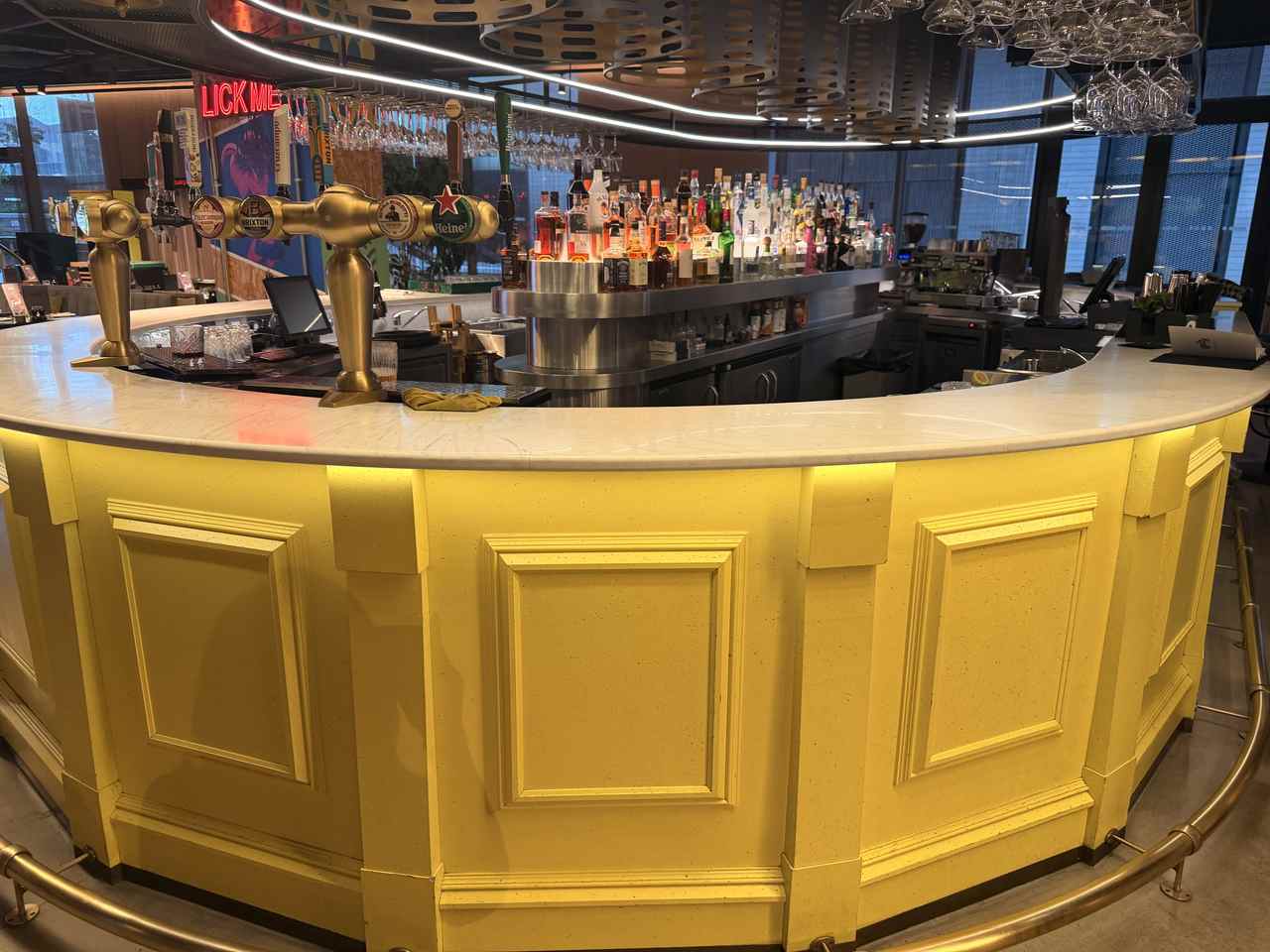
nhow Bar
The nhow Bar serves signature cocktails, plus popular cocktails such as Porn Star and Espresso Martini, plus a selection of gins, vodkas, and indeed whatever your tipple happens to be.
Facilities
As well as 24/7 reception, nhow also has a small 24/7 gym in the basement that guests may use for free.
How much:
A standard room at nhow London typically ranges from £130 to £165 per night.
What’s Nearby
nhow’s location means you are close to the shops, theatres and restaurants of Islington’s Upper Street and the must-see attractions of Shoreditch. Explore on foot or borrow a foldable Brompton bike from reception to discover the capital on two wheels. Here are some suggestions:

Shoreditch street Art Image by Kerstin Herrmann from Pixabay
Distance: Just over 20 minutes’ walk from nhow London
Redchurch Street is lined with independent fashion, interiors, beauty and lifestyle brands. Highlights include Studio Nicholson, Labour and Wait, A.P.C., Aesop, Blue Mountain School and Modern Society. French fashion label American Vintage opened a new two-storey flagship in August 2026.
VERDICT: For sure, nhow is a little bizarre, shooting off a shock of colour and eccentric visuals from every corner. nhow London offers good value, in a fun place that’s as far away from traditional as can be but without losing sight of comfort.
Nhow London
2 Macclesfield Road, Islington/Shoreditch border, London EC1V 8DG
The post nhow London hotel review, London EC1 appeared first on The Travel Magazine.