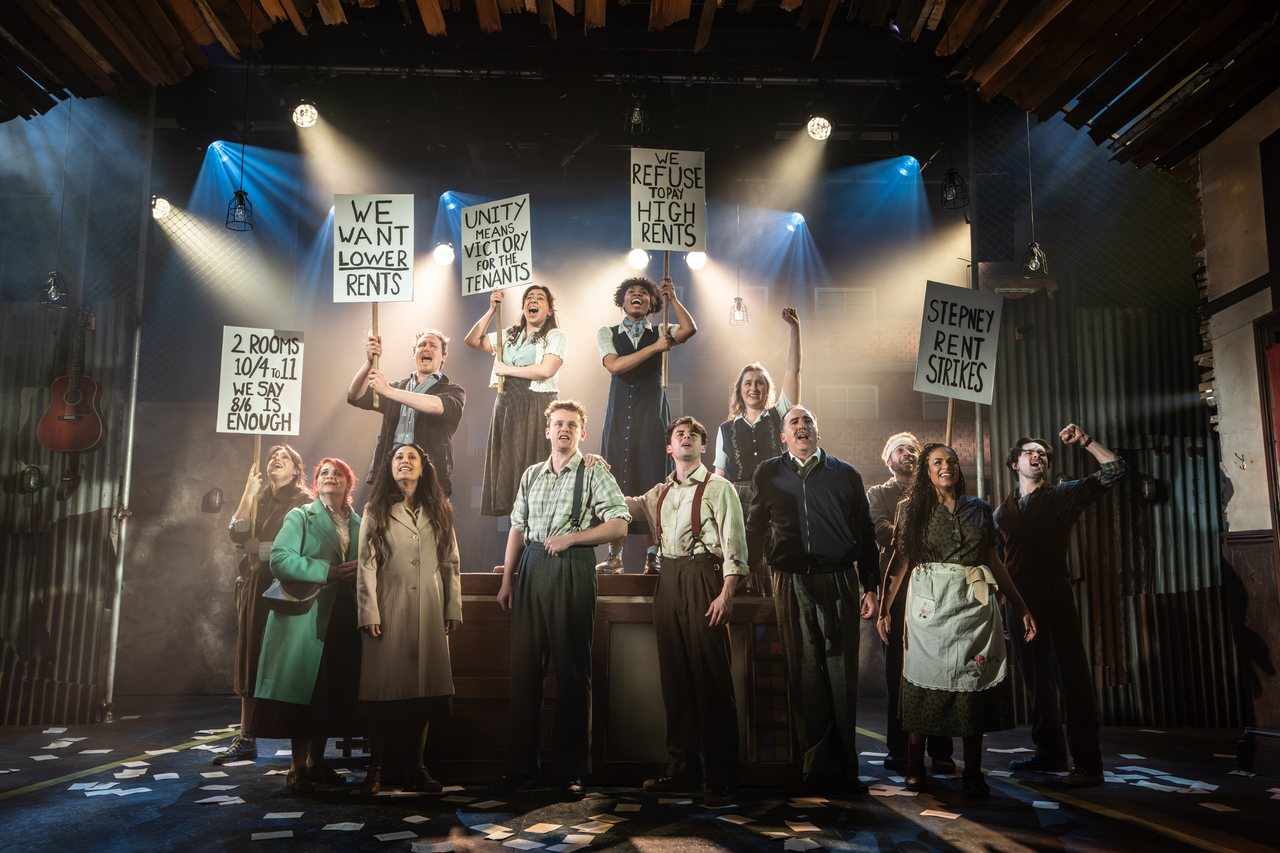
Cable Street at the Marylebone Theatre is a powerful and thought-provoking musical. Based on the real-life events of 4 October 1936, when the multi-cultural communities of the East End united to block a march by Oswald Mosley’s British Union of Fascists.
The story is told during a historical walking tour of the East End of London where American tourist Kathleen Kenny is discovering her roots, saddened to discover that the building where her mother lived, had since been destroyed.
Guide Mick paints a picture of the history of the people from different communities who lived side by side in the area. The story and songs portray three very different cultures, Jewish, Irish and British, bringing to life the tensions, fears and friendships of ordinary people facing the rise of fascism in Britain.
Cable Street c. Johan Persson
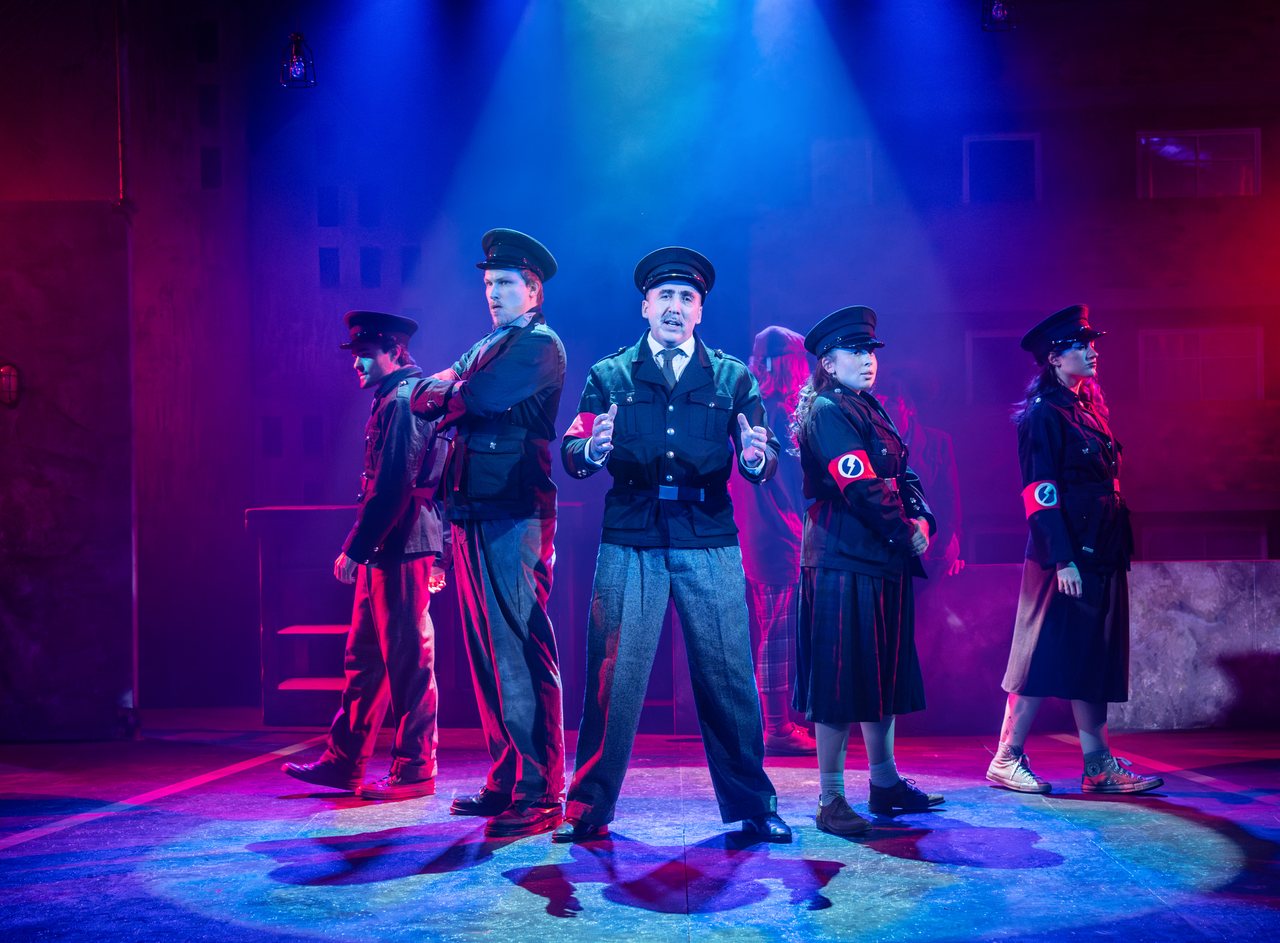
Sammy, the son of a Jewish family, frustrated by lack of work and the prejudices he faces becomes involved in opposing fascism; Ron, a young man from the North of England who is looking for work, with frustrations that make him susceptible to the ideology of the fascists; and Mairead Kenny, an Irish Catholic woman who opposes fascists, and who rallies neighbours to protect their street.
Local people from Jewish families to Irish workers, trade unionists and communists came together to block the fascist march with makeshift barricades, chanting “They shall not pass!” defending their homes and neighbours. Although the march was ultimately stopped, Ron who had embraced the East London tradition of boxing, punches and hurts the more vulnerable Sammy!
Cable Street c.Johan Persson
Sadly, the production draws so many similarities as to what is happening in the world today.
Cable Street is written by Alex Kanefsky with a cast made up of actors who play multiple parts. The songs and music were written by award-winning composer and lyricist, Tim Gilvin who blended folk, Jewish music, and pop with songs that capture the story’s cultural diversity.
The Marylebone Theatre, an intimate space, provides its audiences with high quality productions that ultimately may not be suitable for mainstream theatre.
Cable Street, an Olivier Award nominee, was originally performed at the Southwark Playhouse. Commissioned soon after the 40th anniversary of the battle a large mural which still exists, was painted on the side of St George’s Town Hall in Cable Street. A red plaque in Dock Street also commemorates the confrontation.
Cable Street, the musical runs until Saturday, 28 February 2026. Tickets available from £20.00 www.marylebonetheatre.com
Marylebone Theatre
Rudolf Steiner House
35 Park Road
London NW1 6XT.
Some might think that a trip around the southern states of America means that the seaside is not part of the plan. Not so. The Gulf Coast has often so much to offer, from great seafood, sandy beaches, history, sports, and entertainment.
I travelled to the Mississippi Gulf Coast and enjoyed the high-octane energy of the storied port city of Biloxi and the sun-dappled, bohemian charm of the artsy village of Ocean Springs.
This heady combo meant I got a taste of the Southern coast, moving from the recent history and maritime tradition to a modern, thriving culinary and nightlife scene.
Biloxi: Sails, Struggle, and Seafood
Biloxi is a city built on the water, defined by a skyline that contrasts the glittering towers of casino resorts with the silhouettes of historic lighthouses. To get a greater understanding of Biloxi, start at the Maritime & Seafood Industry Museum.
Located right on the beach, this facility serves as a glass-walled monument to the era when Biloxi was known as the “Seafood Capital of the World.”
Maritime Seafood Museum, Biloxi
The museum illustrates the history of the unique Biloxi Schooner, the “White Winged Queens”, that once dominated the Mississippi Sound. These shallow-draft vessels were engineering marvels, designed to navigate the oyster reefs and back bays with grace and speed. You can also find out about famous Biloxi citizens, such as Jefferson Davis, President of the Confederacy, who lived at Beauvoir in Biloxi after the Civil War and Fred Haise, astronaut on the ill-fated Apollo 13 mission, who was born and raised in the city.
However, the beauty of Biloxi’s beaches carries a pivotal chapter of the American Civil Rights movement. Between 1959 and 1963, Dr Gilbert Mason led a series of “Wade-Ins” to protest the segregation of the public beaches. What began as a peaceful act of resistance was met with violent opposition, eventually leading to federal intervention that desegregated the shoreline. That this happened not that long ago, the ocean breeze feels different when you realise that the simple right to touch the water was a hard-won victory.
For a taste of the city’s more indulgent history, I visited Mary Mahoney’s Old French House. Set in one of the oldest homes in America (built circa 1737), the restaurant is a labyrinth of exposed brick, pine floors, and white linen. Under the shade of the “Patriarch,” a 2,000-year-old live oak tree, I dined in the same courtyard and chose from the same menu of gumbo and crab claws that presidents and celebrities have enjoyed since 1964.
Gambling is popular in Biloxi
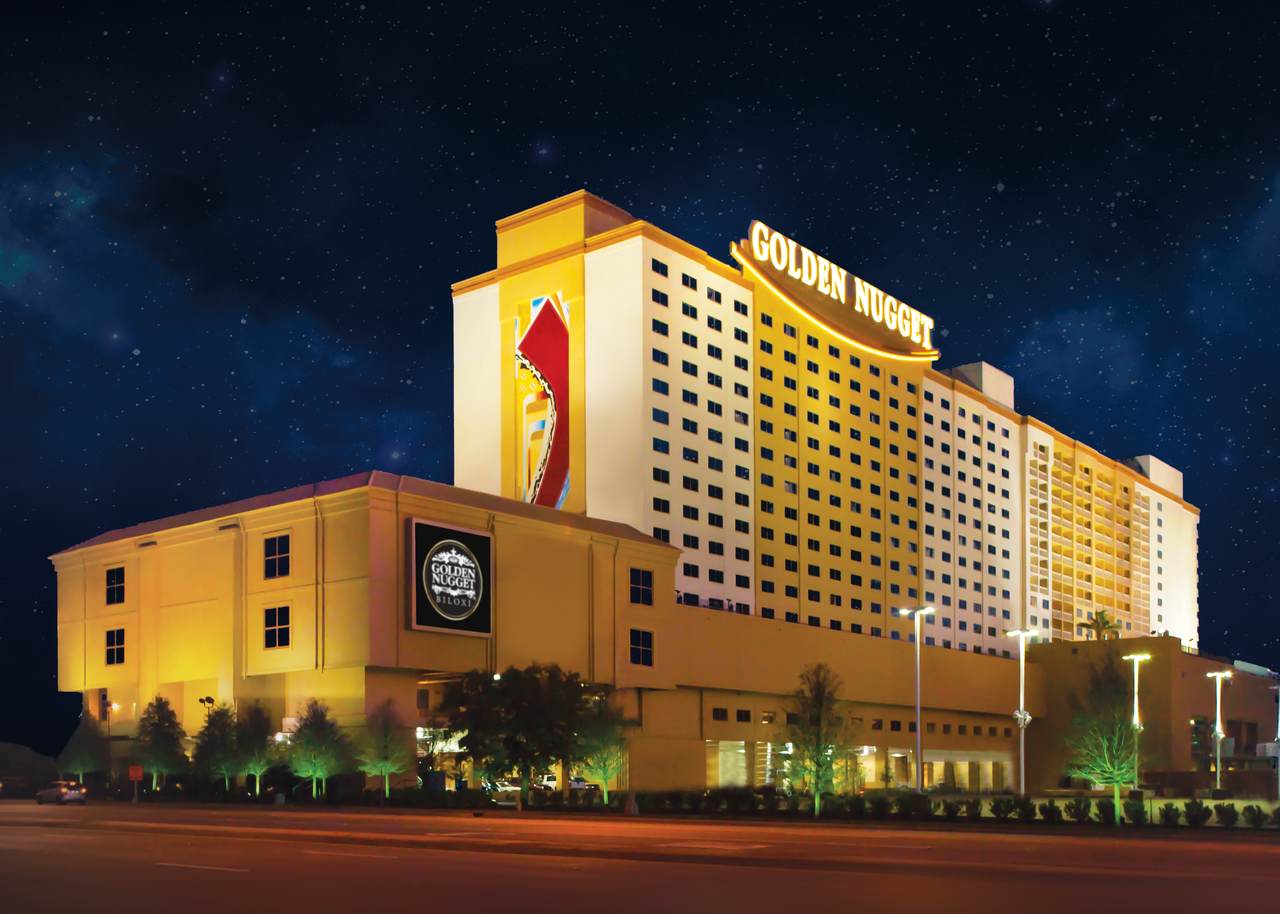
Gambling is popular, and there is a plethora of hotel casinos hugging the shoreline offering a diverse mix of 24-hour Las Vegas-style action—including thousands of modern slot machines and high-stakes table games. There are also luxury amenities like championship golf courses, award-winning seafood buffets, and world-class spa resorts.
If it’s not your schtick, and it’s not mine, then don’t worry, more prosaic activities are a short ride away.
Ocean Springs: The Bohemian Heartbeat
Just across Biloxi Bay Bridge lies Ocean Springs, a town that feels more like an artist’s colony than a typical beach destination. I arrived on a Sunday lunchtime at the far end of the main street and at first thought this was a nice, sleepy alternative to Biloxi’s 24-hour-a-day casino life.
In some respects, I was bang on, but as I ventured further towards the village centre, I soon realised that this place was hootching. Numerous bars and restaurants were overflowing with good-natured, happy people enjoying fine food and live music.
All this without losing the intimate, walkable, and charming vibe. The downtown area is a lush canopy of oaks draped in Spanish moss, sheltering a dense concentration of galleries, boutiques, and entertainment. On Sunday afternoon, it was busy, but as the sun set, Ocean Springs transformed into the Gulf Coast’s premier entertainment hub.
The “cottage-style” architecture of the downtown area houses a sophisticated bar scene that ranges from speakeasies to blues joints. At The Wilbur, a hidden gem inside The Roost hotel, craft cocktails are served in a space that feels like a Prohibition-era sanctuary. For a more raucous evening, Mosaic Tapas Bar and The Beer House offer global flavours and live music almost every night of the week.
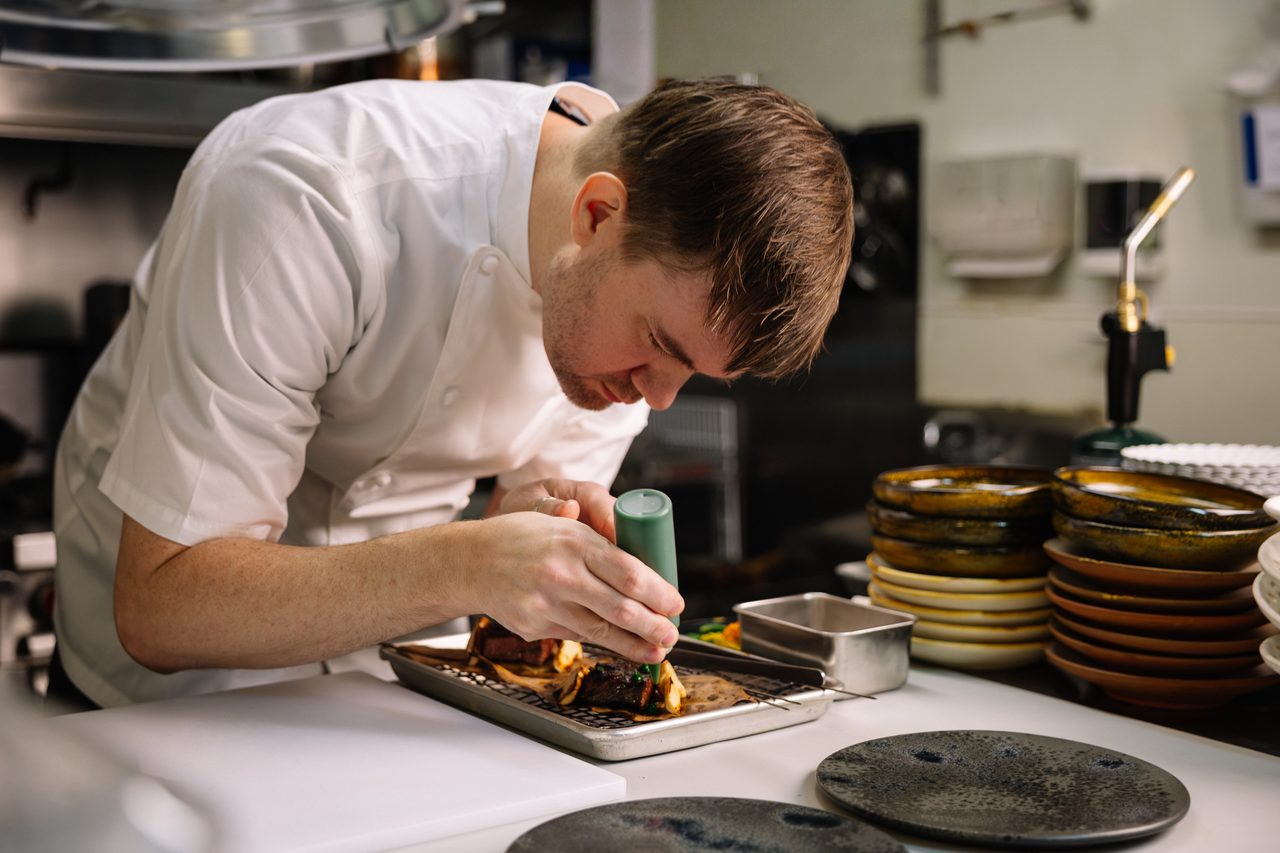
Vestige fine dining in Ocean Springs
The culinary diversity is staggering for a small town. You can find award-nominated innovation at Vestige, where Japanese techniques meet Southern ingredients, or go casual at The Lady May, famous for its outdoor patio and build-your-own Bloody Mary bar.
Whether you are grabbing a burger at Government Street Grocery or enjoying a refined Mediterranean meal at Phoenicia, the town pulses with a “joie de vivre” that encourages you to linger long after your meal is finished. I lingered and on consecutive nights, gave into the lure of a large Kilwins Vanilla Ice Cream cone to distract me on the walk back to the hotel. It’s not a local ice cream, but it is delicious.
A combined stay in these two coastal neighbours provides Biloxi’s maritime and civil rights history, followed by the colourful, spirited, and undeniably lively atmosphere of Ocean Springs. It is a journey from the deep roots of the past to the vibrant, beating heart of the modern South.
FACT FILE
STAY:OS Hotel in Government Street, Ocean Springs, where rooms start at £130 per night for a double.
GET THERE: Fly to Jackson-Medgar Wiley Evers International Airport. Virgin Atlantic offer regular flights to Jackson via Atlanta – Jackson is a two and a half hour drive from Biloxi.
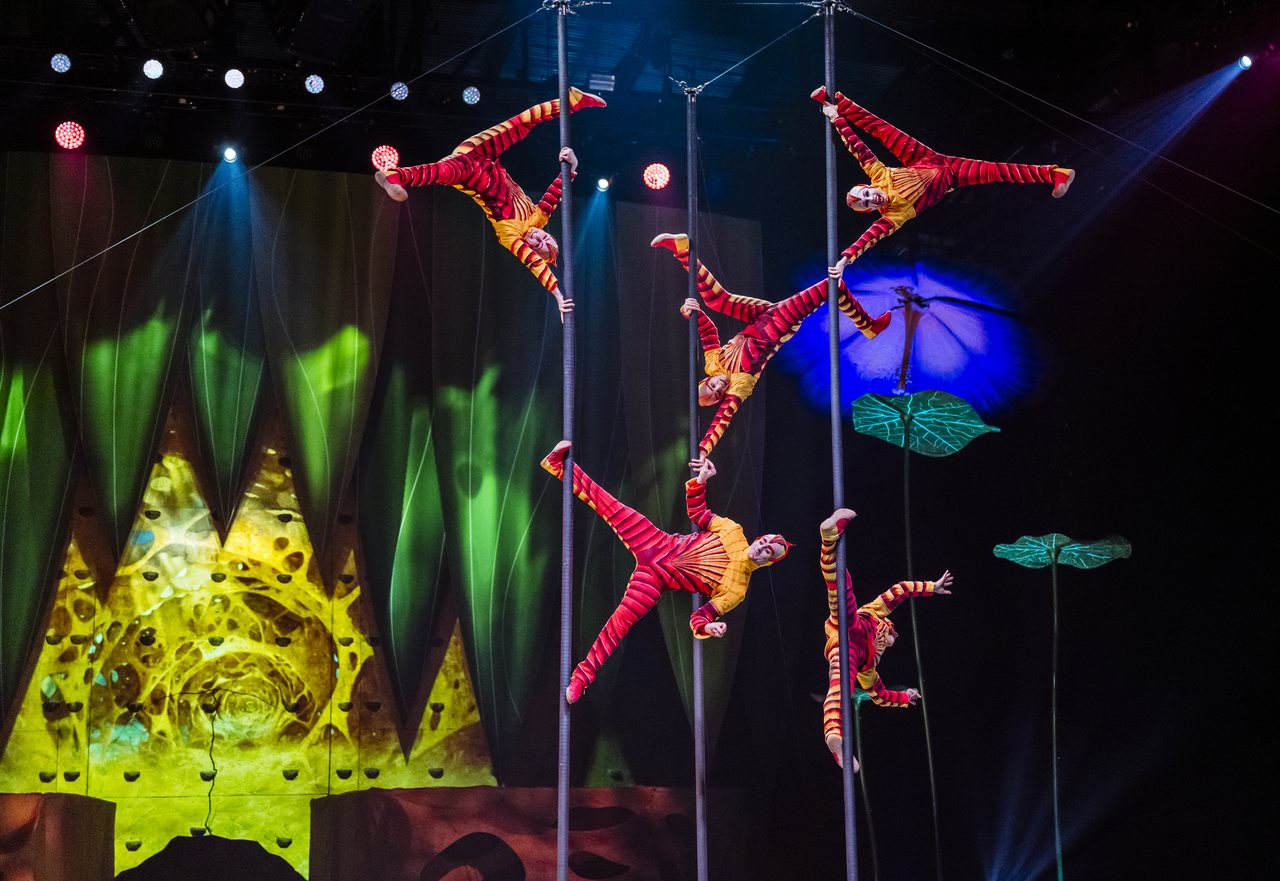
For a really special outing, OVO Cirque du Soleil at London’s Royal Albert Hallis a unique night to remember. With spectacular acrobatics and unbelievable feats of movement, the performance will have you on the seat of your chair – each act more audacious than the last.
This year’s show, set against a striking visual backdrop of giant flowers and a towering 19-meter climbing wall, brings to life the colourful world of insects – crickets, ants, butterflies, spiders, beetles, and more. Identifying them is part of the fun with some, such as the elongated green crickets, and the yellow and black striped bees easier to guess than others.
The set design has been changed from the original in 2009. Some of the original characters remain but there are now new acts, added costumes and reinvented music, including high-energy Brazilian-inspired soundtracks. OVO, egg in Portuguese, Cirque du Soleil brings to the stage high-level acrobatic acts redefining the limits of the human body, undeniably executed by double-jointed artists.
The cast of fifty-three acrobats and musicians perform breathtaking acts like aerial silks, Chinese poles, trampoline wall, contortion, foot juggling, cradle, and slackwire. It is difficult to say which act is the best as each one is different and spellbinding. For me, the most hair-raising, in the second half, is the trapeze performance executed high up in the auditorium, where numerous performers swing and twirl between three landing stages.
Acrobats
It’s not just the aerobics that are beyond belief; cricket acrobats bounce up the trampoline wall in just one go. Each act brings something different, but whatever it is, the artists manoeuvre themselves into positions that seem impossible.From a spider contorting herself inside her web to another balancing on a tightrope.
Inter-twinned within the performance is a rather absurd love story between a quirky fly and a spirited ladybug which unfolds around a mysterious egg. To my mind, it is unnecessary, and I wonder why they incorporated such nonsense into an otherwise exceptional evening.
Cirque du Soleil exudes extraordinary showmanship – a performance like no other. Comprised in its entirety of 100 people from 25 different countries, it is so unique that once seen, it will be remembered forever.
Ovo Cirque du Soleil is on until1st March 2026.
Running from Tuesday to Sunday, performances are approximately two hours long with an interval. Worth noting that times and days of performances vary.
Tuesdays at 7.30pm
Wednesdays at 7.30pm
Thursdays at 7.30pm
Fridays at 3.30pm (except 9/1) and 7.30pm
Saturdays at 11.30am (except 10/1 & 7/2), 3.30pm and 7.30pm
Sundays at 1.30pm & 5.30pm (01/3 at 11.30am & 3.30pm)
Address: Royal Albert Hall, Kensington Gore, London SW7 2AP. royallberthall.com
Last month, I quietly celebrated 16 years since I became a full-time travel blogger, which feels a little surreal.
When I started back in 2010, blogging wasn’t a “thing.” Social media barely existed, influencer marketing wasn’t a concept, and most of us were still tearing pages out of guidebooks and stumbling our way through new destinations, a beautifully messy era of travel I still feel deeply nostalgic for.
The travel industry has changed in ways I never could have predicted — and I’ve had to change with it, pivoting more times than I can count.
Over the years, there’s one question I get asked more than any other: What is your favorite destination? Not just where I’ve been, but the destinations that stayed with me. The ones that shaped how I see the world, how I photograph it, and how I tell stories about it.
This question always catches me off guard, so I finally sat down to answer it for myself.
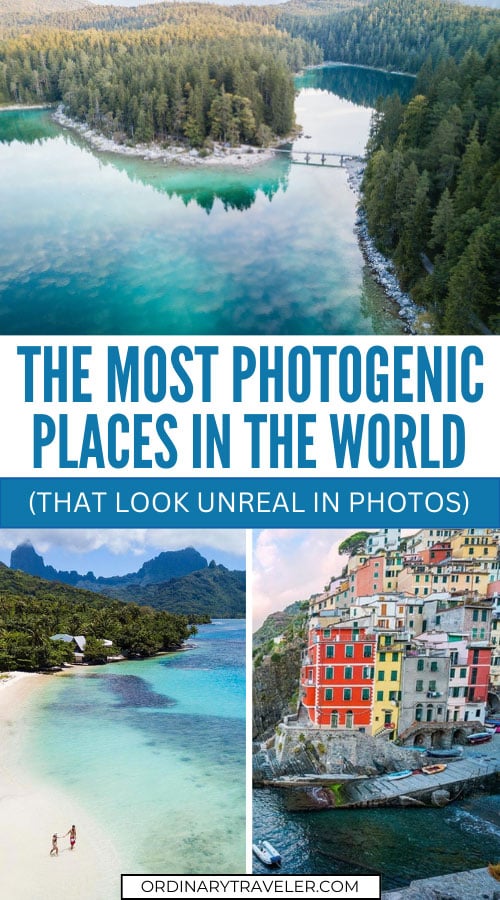
Below is a collection of the most photogenic places I’ve visited in 16 years as a professional travel blogger — destinations that left a lasting imprint on me both creatively and personally.
I want to be clear: this list isn’t about chasing picture-perfect highlights.
I’ve found myself increasingly frustrated with travel content that prioritizes chasing the “next undiscovered place” or going viral over truly experiencing a place. I’ve seen firsthand how that kind of attention has changed the places I once loved. My hope with this list isn’t to chase trends, but to encourage more intentional travel that honors the places we visit rather than consuming them.
If you’re looking for inspiration, dreaming up your next trip, or just curious about the places that shaped this journey, I hope this list gives you a glimpse into the destinations that have meant the most to me.
The Most Photogenic Places I’ve Ever Visited
These places aren’t here because they photographed well once. They’re here because they have consistently delivered. Some surprised me. Some challenged me. Some I’ve returned to more than once because they keep revealing new layers. If you’re planning your own trip, I’ve included links to read my in-depth posts on each destination.
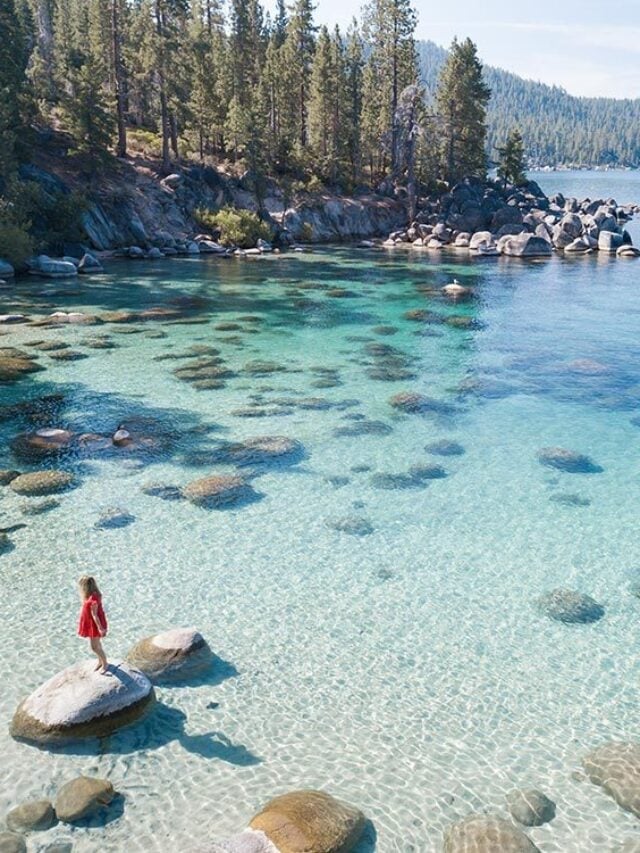
1. South Lake Tahoe
Tahoe is one of those rare places that works year-round. Summer brings crystal-clear alpine water and stunning hikes, while winter turns the landscape into something quieter and more dramatic. Sunrise and sunset light here can be unreal, especially along the eastern shore.
Growing up an hour from South Lake Tahoe — and later calling it home — shaped my connection to this place. It’s a destination I hope to keep returning to throughout my lifetime.
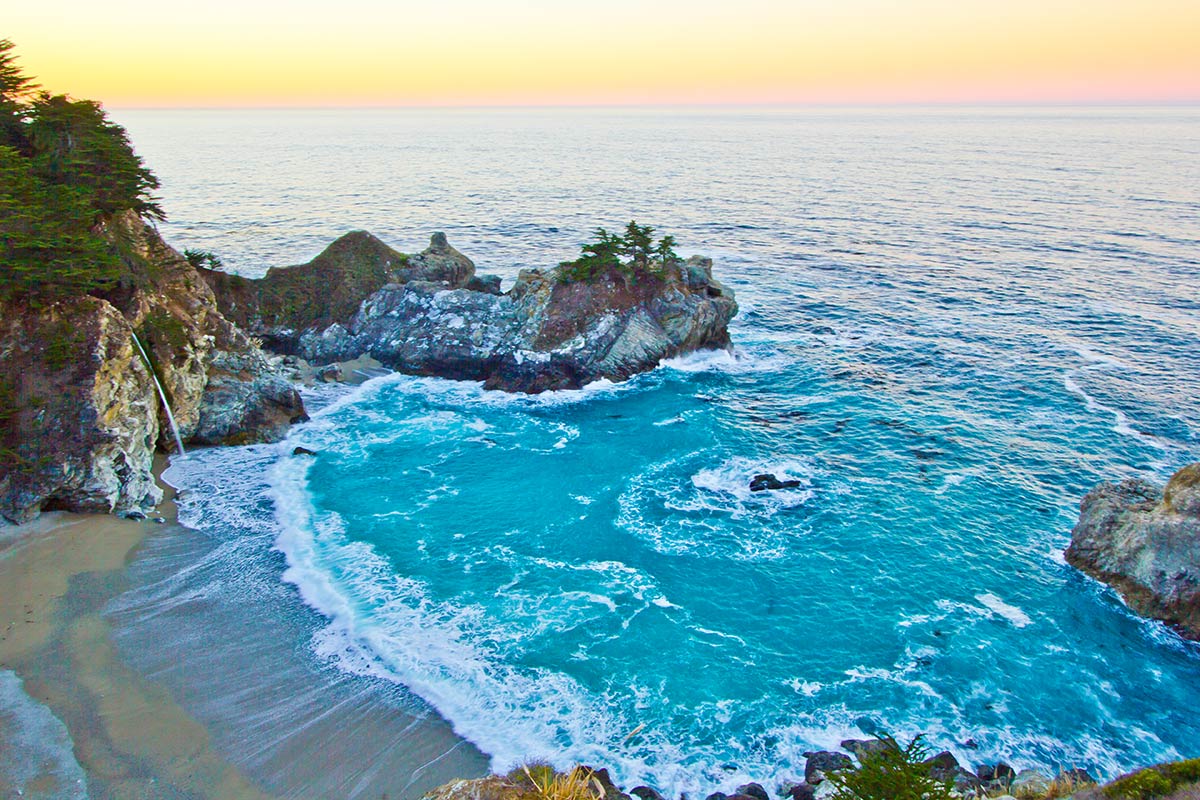
Big Sur rewards patience. Fog, shifting light, and winding roads are part of the experience. Some days you’ll barely see the coastline at all — and those often become the most atmospheric, when the cliffs emerge slowly and the landscape feels moody and cinematic.
While I typically prefer to camp when visiting Big Sur, there are some amazing hotels along this coastline — Ventana Big Sur being one of the best (and the most extravagant).
Tip: Give yourself time here, don’t overpack your itinerary, and be willing to pull over often.
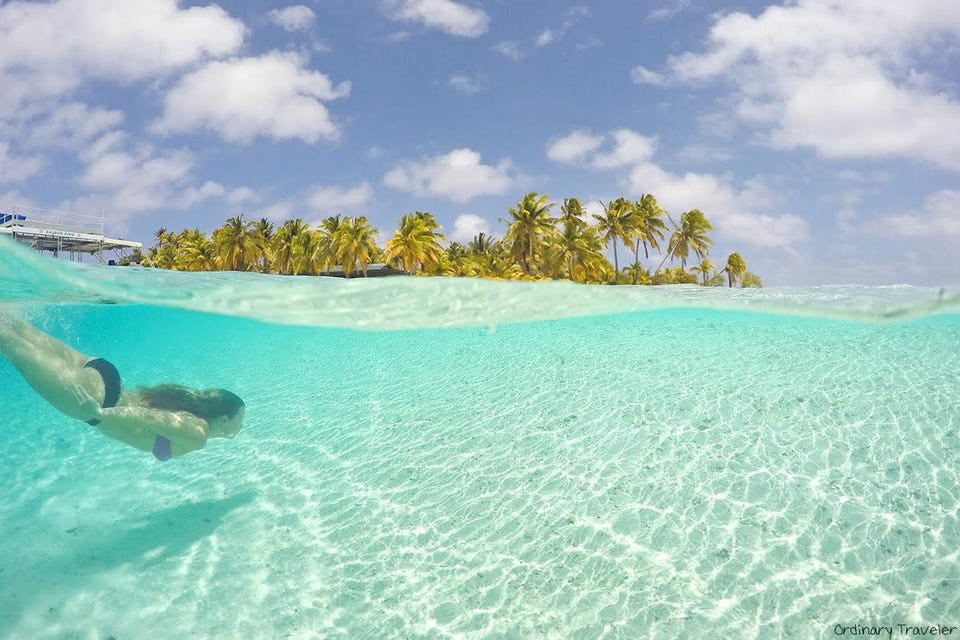
The BVIs are best experienced by boat. Island-hopping by sailboat or catamaran gives you access to quieter beaches, snorkeling spots, and anchorages you’ll never reach otherwise.
Tip: Avoid peak season if you can — shoulder months still offer great weather with fewer boats crowding popular moorings.
4. Lofoten Islands, Norway
Lofoten, Norway feels almost unreal — jagged peaks and tiny villages perched between sea and mountain. Summer brings the midnight sun; winter brings northern lights.
Tip: Renting a car is essential. Distances look short on a map, but weather and winding roads slow everything down.
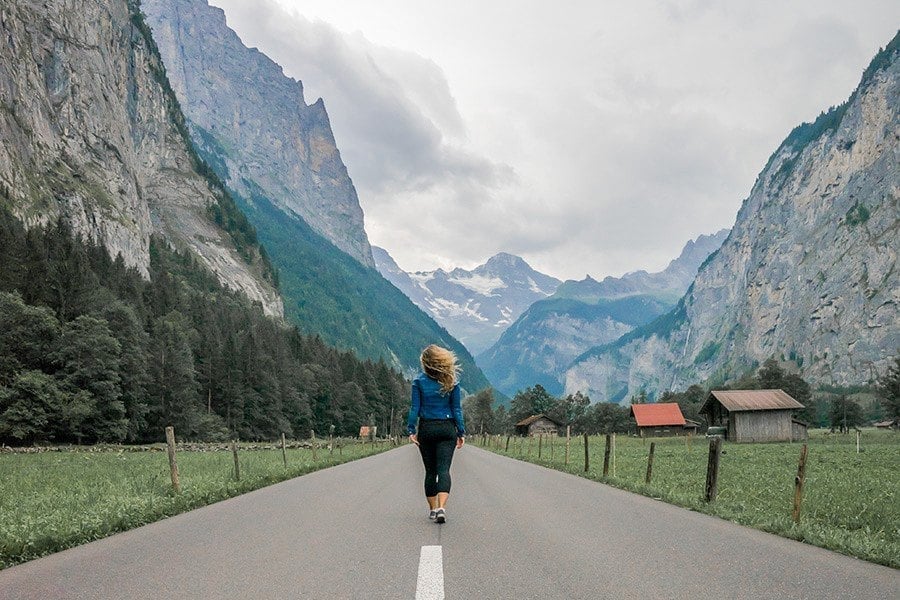
Lauterbrunnen sits in a glacial valley surrounded by sheer cliffs and dozens of waterfalls. It’s stunning in photos, yes — but it’s also an ideal base for exploring nearby alpine villages.
Tip: Stay overnight. Day-trippers miss the calm that settles in early morning and evening.
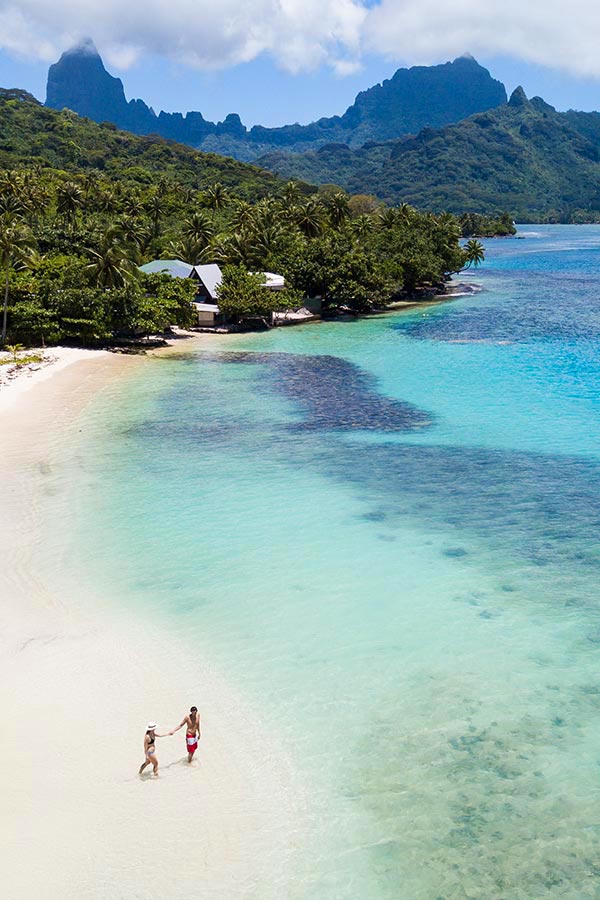
I’ve visited Moorea multiple times, and even after finally making it to Bora Bora, it remains my favorite island in French Polynesia. Dramatic volcanic peaks rise straight from the lagoon, and the snorkeling is excellent even right off shore.
Tip: Rent a car or scooter to explore beyond your resort — this island rewards curiosity.
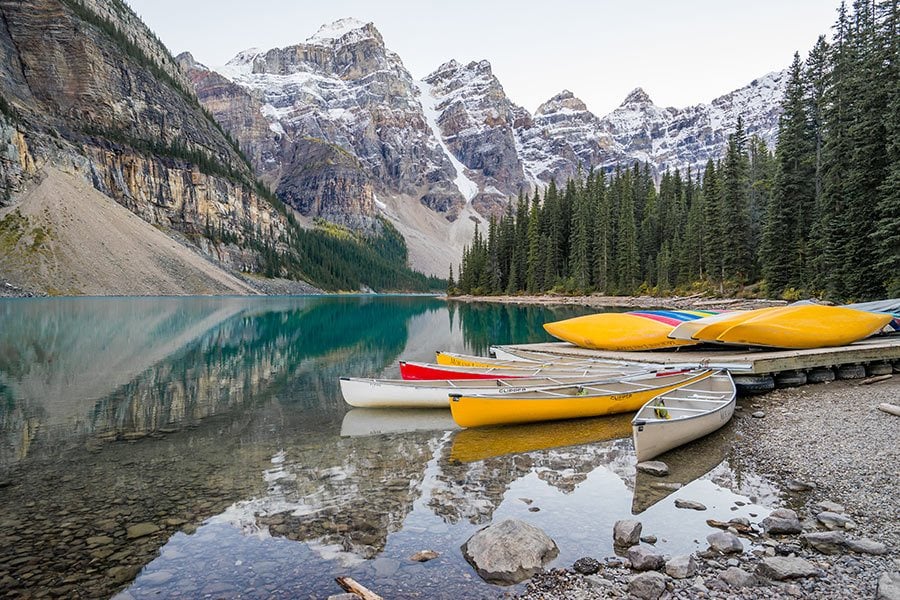
From Banff to Jasper, Alberta delivers scale. Glacial lakes like Moraine and Peyto change color depending on light and season, and wildlife sightings are common.
Tip: Go early in the day for popular stops and consider shoulder season to avoid tour bus congestion.
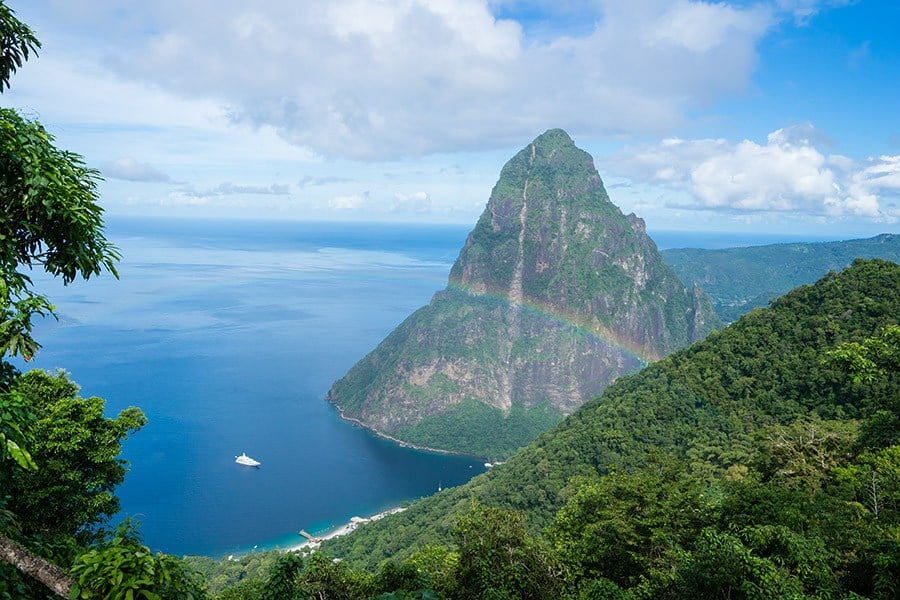
St. Lucia’s landscape is dramatic — steep jungle, volcanic peaks, and deep blue water. It’s ideal for travelers who want a mix of adventure and relaxation.
Tip: Choose accommodations carefully; driving here can be slow due to narrow, winding roads.
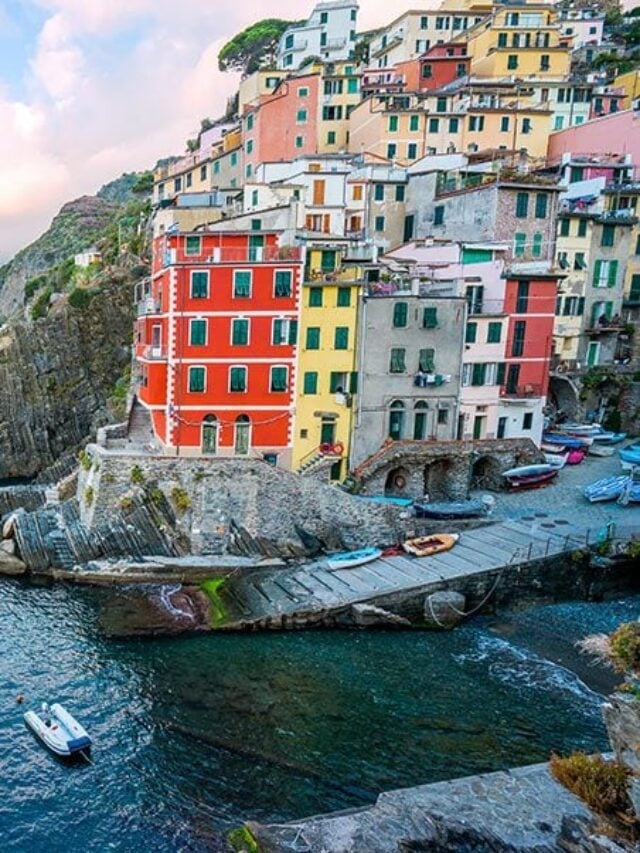
Cinque Terre is undeniably popular, but it earns its reputation. The key is timing. Early mornings and evenings are quieter, and hiking between villages offers a different perspective than trains alone.
Tip: Stay in one village rather than hopping around.
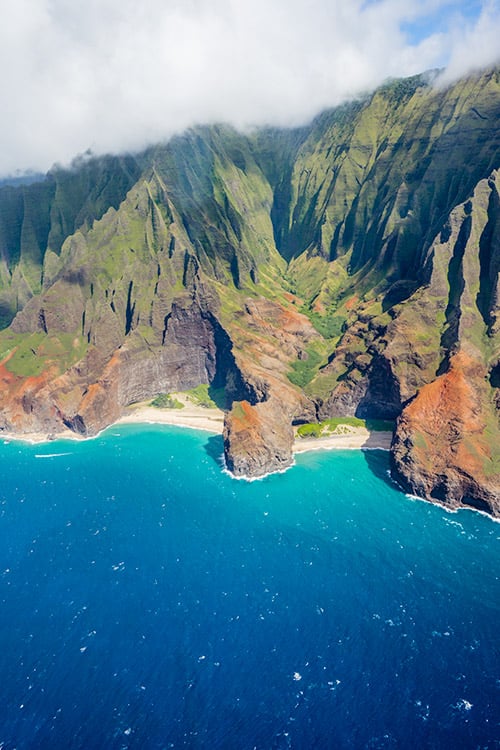
Kauai feels more rugged and less polished than some other Hawaiian islands. From the Na Pali Coast to Waimea Canyon, it’s a place for hikers, swimmers, and early risers.
Tip: Plan activities around weather — rain showers are frequent but often brief.
Sign up for my travel newsletter here and be the first to get my best travel advice and secret finds—so you can discover hidden gems, and travel like an insider (not just a tourist).
After traveling consistently for over 15 years, I’ve come to trust and rely on a few websites to help me find the best deals on flights and accommodation.
Flights:Going is the first place I check when searching for cheap flights. If you sign up for their email alerts, you’ll receive flight deals at up to 90% off. I have traveled all over the world using their flight deals.
Accommodation:Booking.com offers savings on hotels, apartments, and villas in 80,000 destinations worldwide. You can browse hotel reviews and find the guaranteed best price on hotels for all budgets.
Travel Insurance: I never travel without a travel insurance policy because it’s not worth the risk! I use and trust Visitors Coverage, which I have used for the past 10 years.
Let me book your trip! Looking for a Travel Advisor to help you plan your trip? Learn more here!


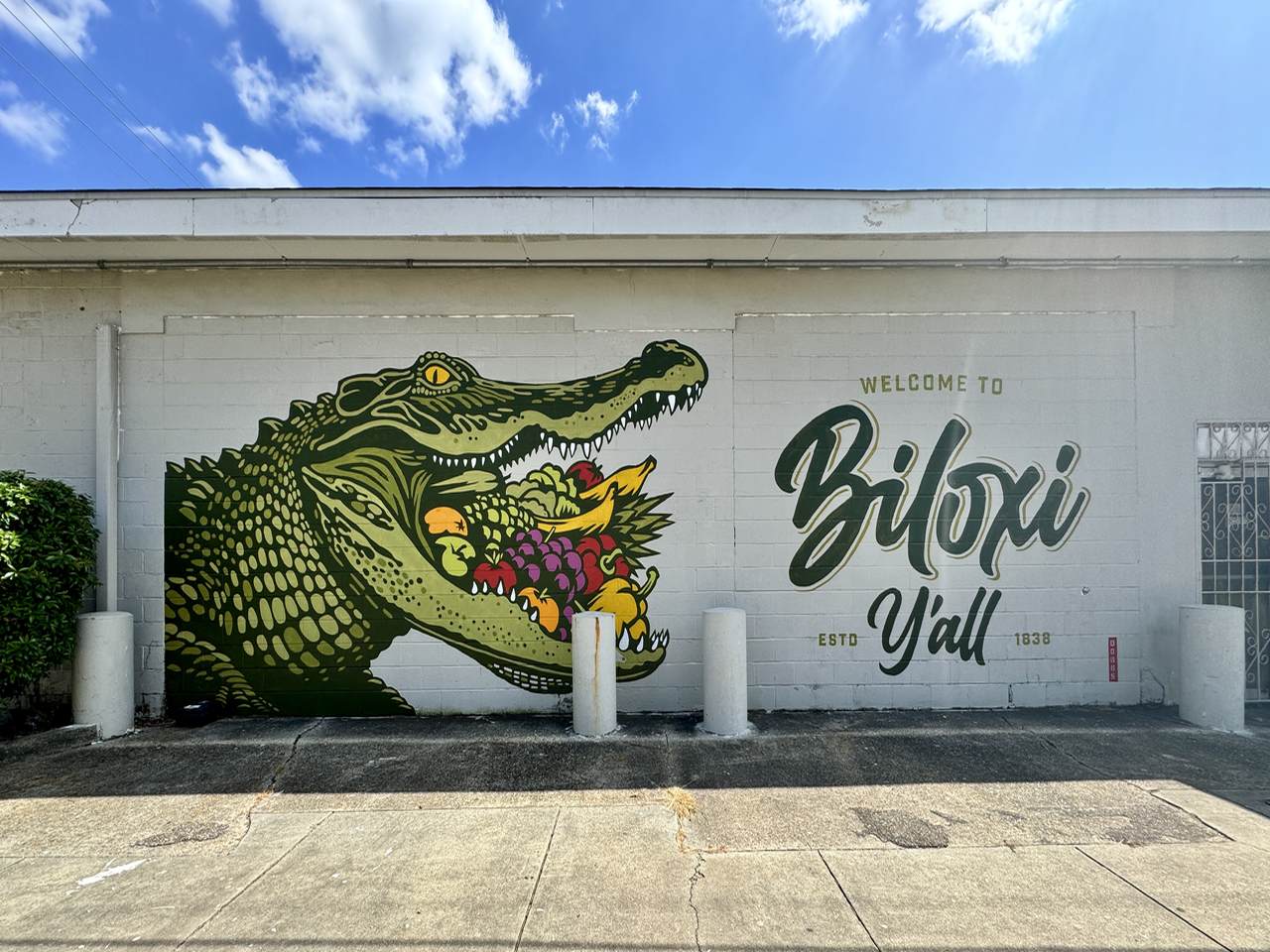 Biloxi is a city built on the water, defined by a skyline that contrasts the glittering towers of casino resorts with the silhouettes of historic lighthouses. To get a greater understanding of Biloxi, start at the Maritime & Seafood Industry Museum.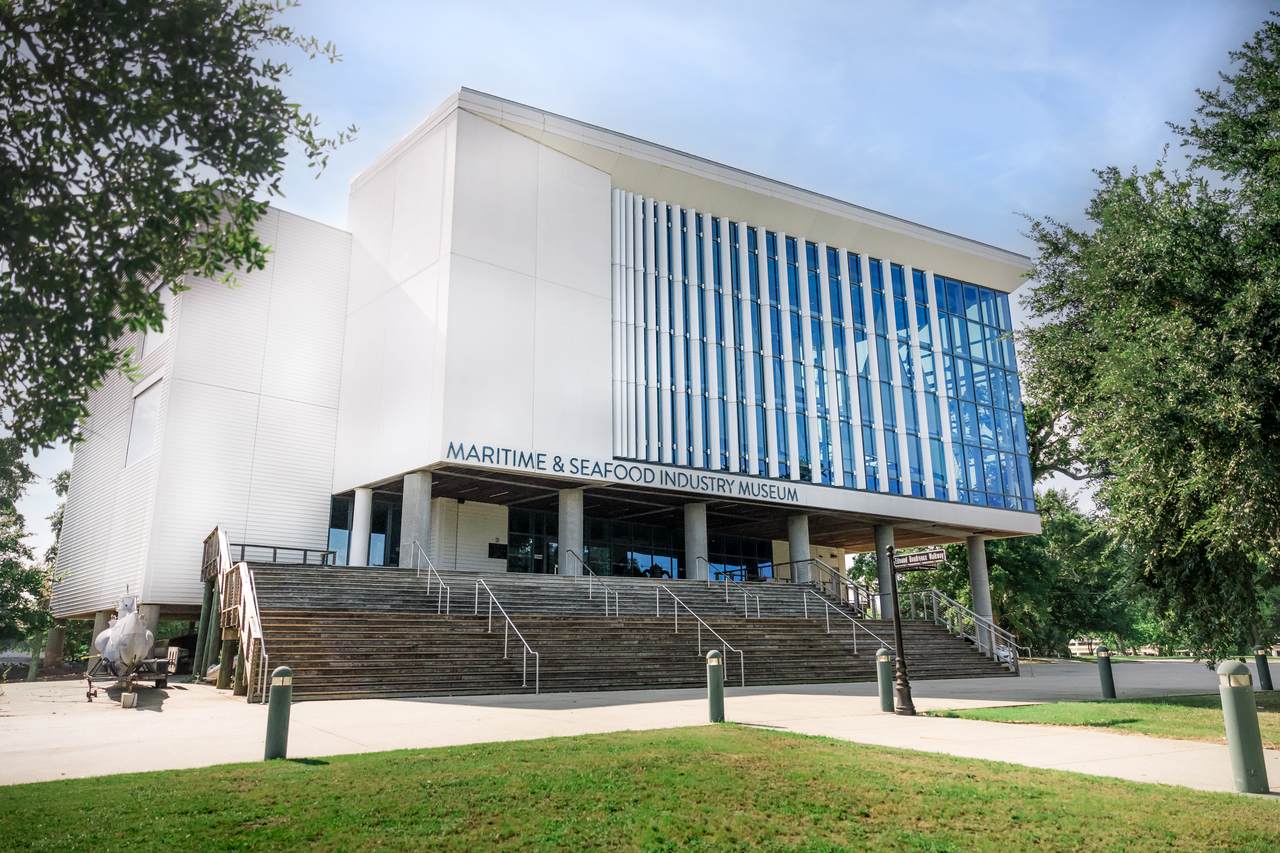
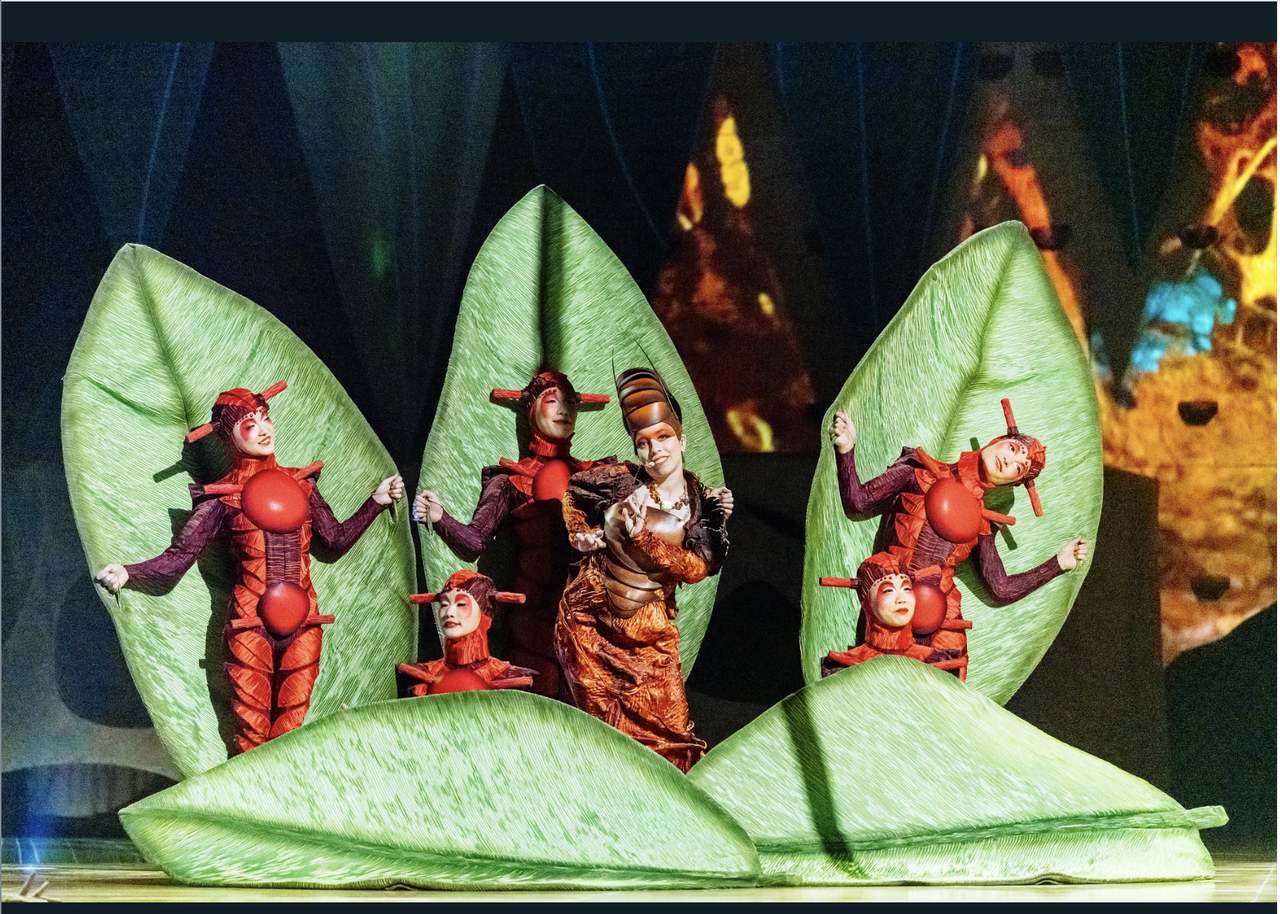 The set design has been changed from the original in 2009. Some of the original characters remain but there are now new acts, added costumes and reinvented music, including high-energy Brazilian-inspired soundtracks.