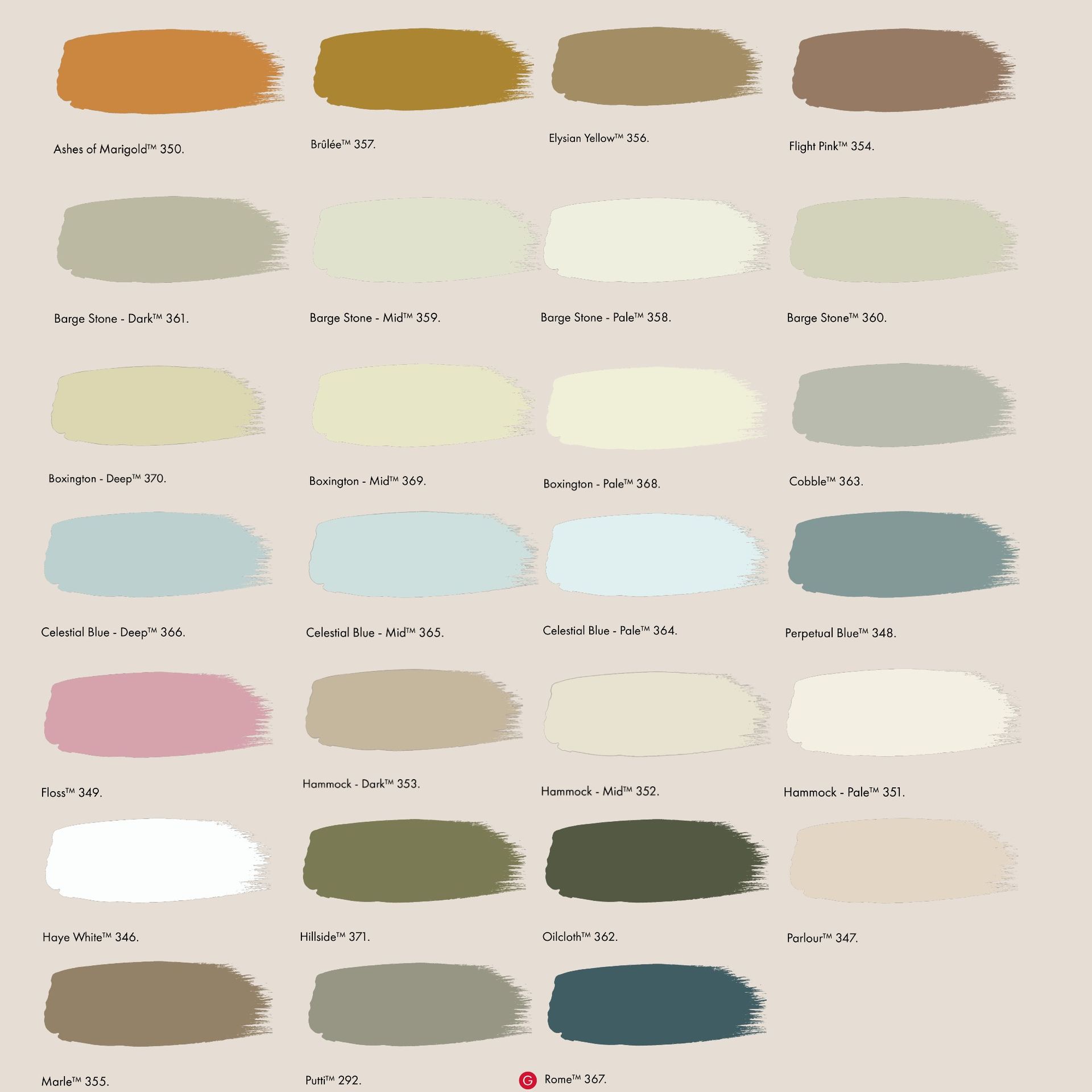
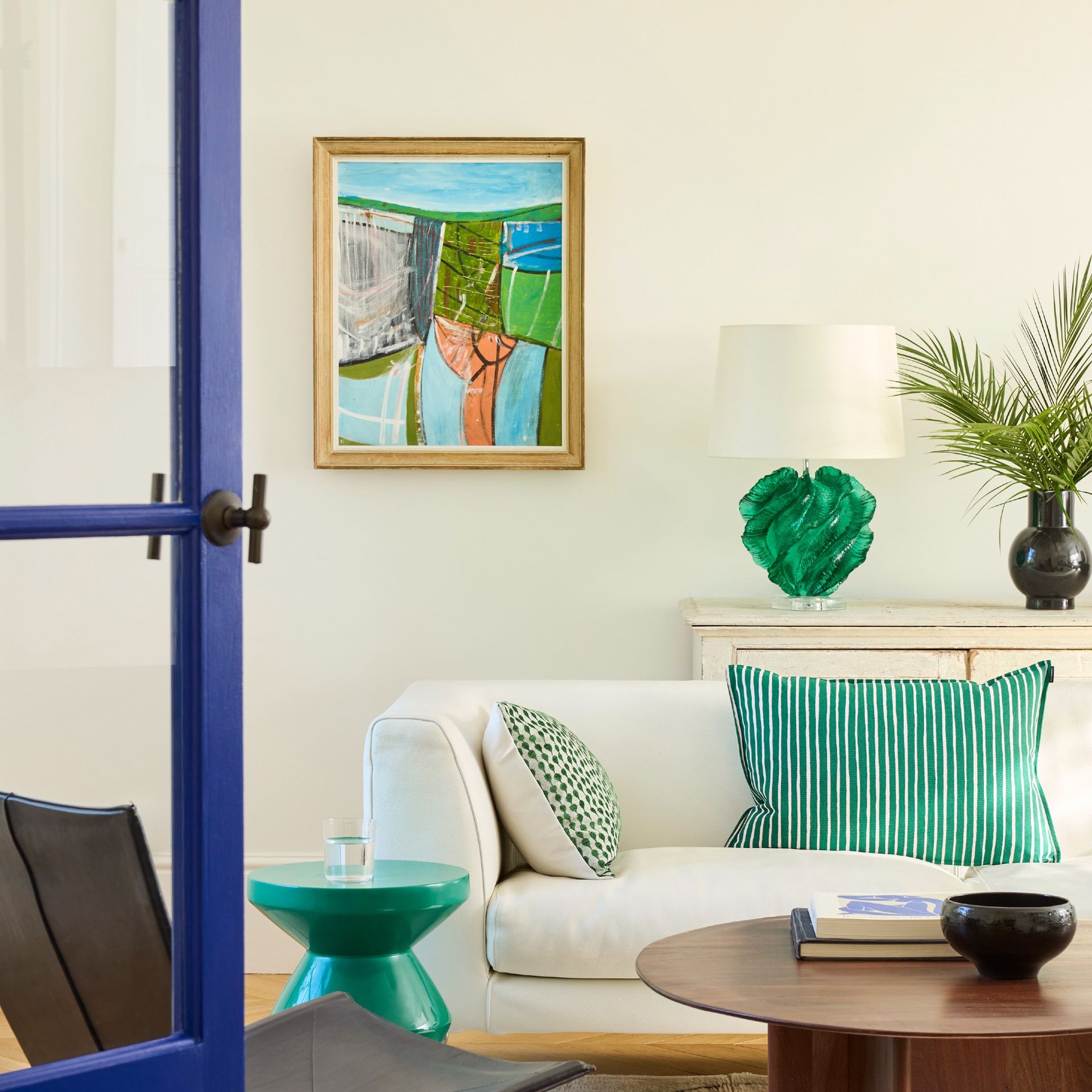
Here at the Ideal Home office, we’re big fans of Little Greene’s paints. So it was big news when they announced they were launching 26 new paint shades. The new additions to the range reflect how people are using colour today, featuring cosy, moody shades that are not overly bright or saturated but still bring some much-needed colour to a home. And this is, of course, the perfect look and feel as the autumn season begins.
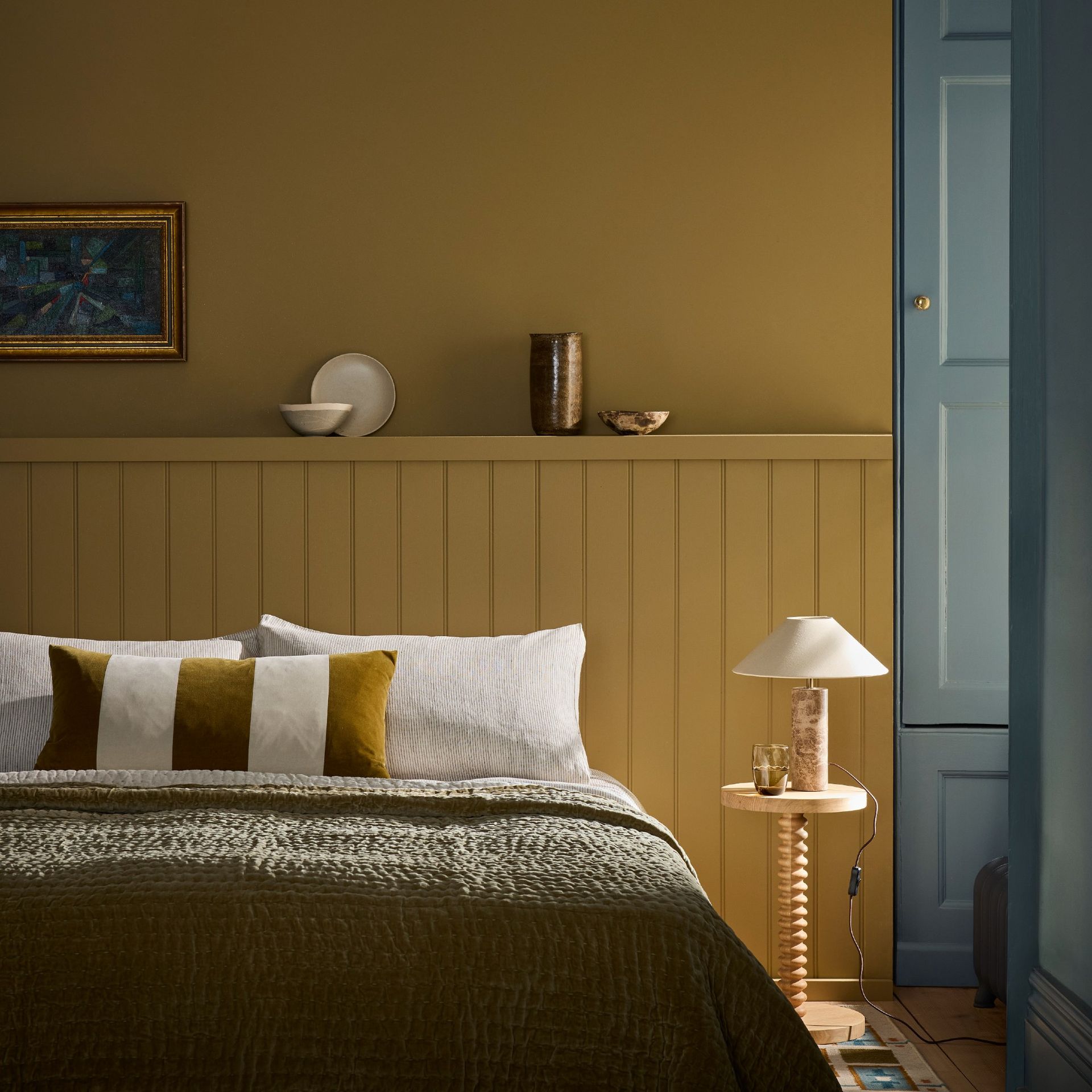
The bedroom walls are painted in Little Greene’s new Elysian Yellow shade and the window shutters are covered in Perpetual Blue (Image credit: Little Greene)
The newly launched shades are inspired by some of the more recent colour trends and how people have been using them in their homes. ‘Colour popularity changes over time; it’s an evolution rather than a revolution,’ says Ruth Mottershead, Little Greene’s creative director.
‘Over the past few years, we’ve seen colour move from rich blues into teals, then softer, nature-inspired greens, before moving towards stone-based neutrals and richer caramel tones. Now we’re seeing a real interest in mid-tones, balanced, gentler colours that still have character, but with the saturation turned down. These are colours that are easy to live with. They create spaces that feel calm and harmonious, while still bringing warmth, depth and personality to a room.’
(Image credit: Little Greene)
But which shades from the new additions are going to be the new Masquerade? Or the new Portland Stone? I asked Ruth for her top pick and her bestseller prediction – so let’s meet them.
Perpetual Blue
(Image credit: Little Greene)
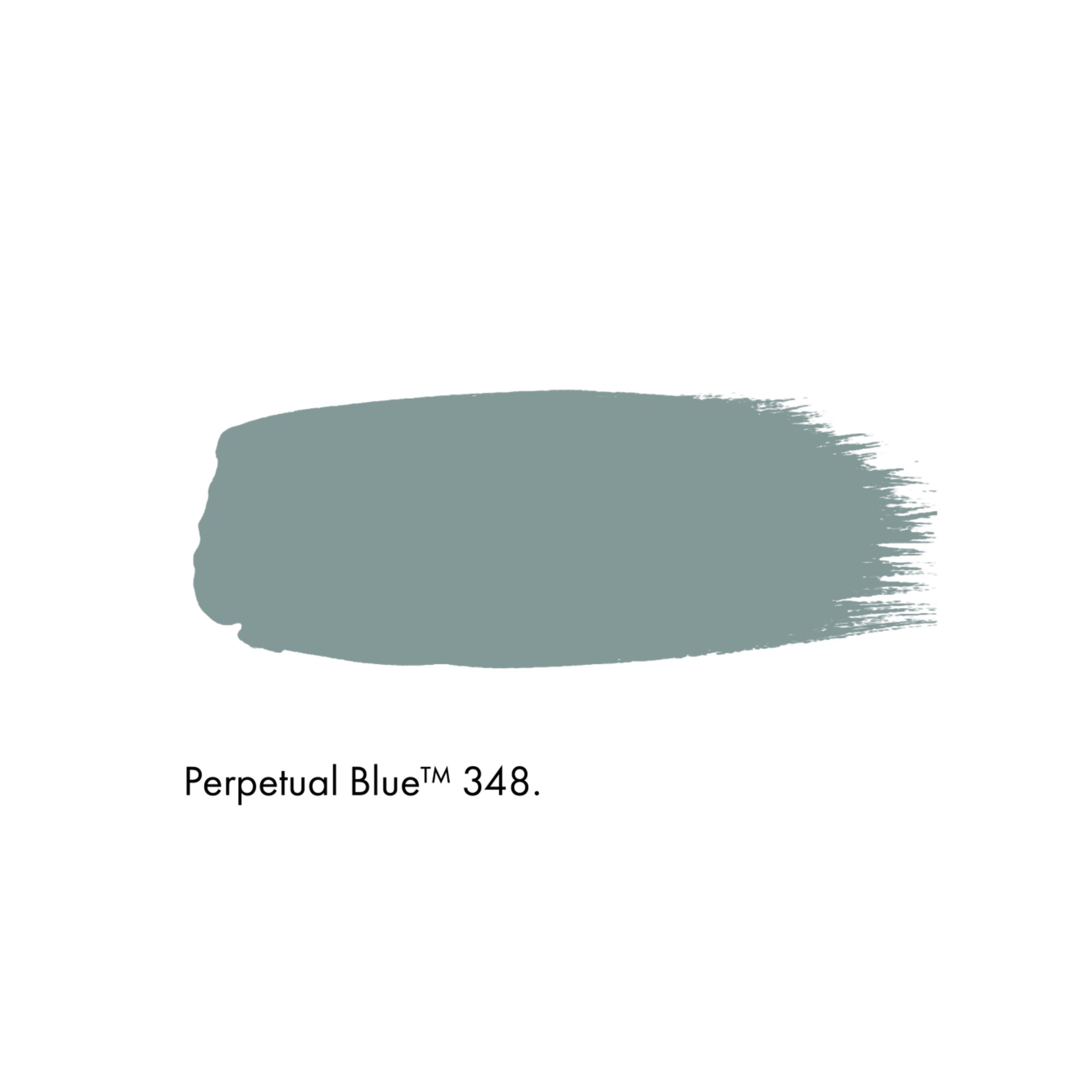
‘It’s very difficult to choose just one favourite shade, as these mid-tonal colours are so easy on the eye. They’re incredibly versatile and adaptable, working beautifully across different spaces, light conditions and styles. If I had to choose, though, it would probably be Perpetual Blue, a mid to deep blue that has a hint of green which responds beautifully to changing light and adds a touch of warmth,’ Ruth reveals.
This almost teal blue is inspired by Sir Winston Churchill’s genuine paint palette from his studio at Chartwell in Kent. It’s a similar colour to Little Greene’s existing Celestial Blue shade, only deeper. In fact, Celestial Blue is getting three different variations in this drop with Celestial Blue – Deep, Mid and Pale to choose from.
Little Greene
Perpetual Blue 348 Intelligent Matt Emulsion Paint 2.5L
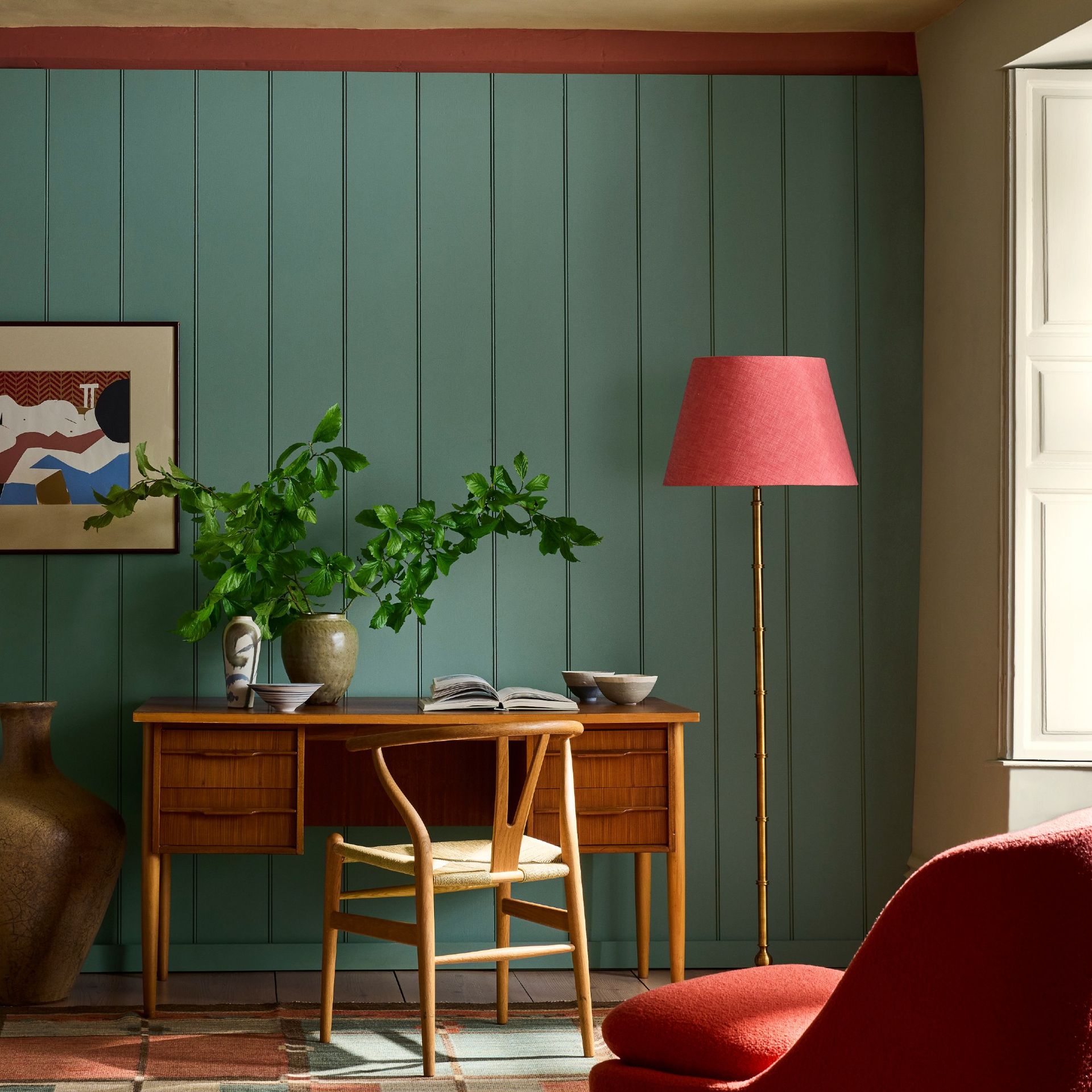
‘Pair with soft whites and stone hues for a traditional feel or add a playful pop of a mid-tone pink such as Floss,’ Ruth adds.
Haye White
(Image credit: Little Greene)
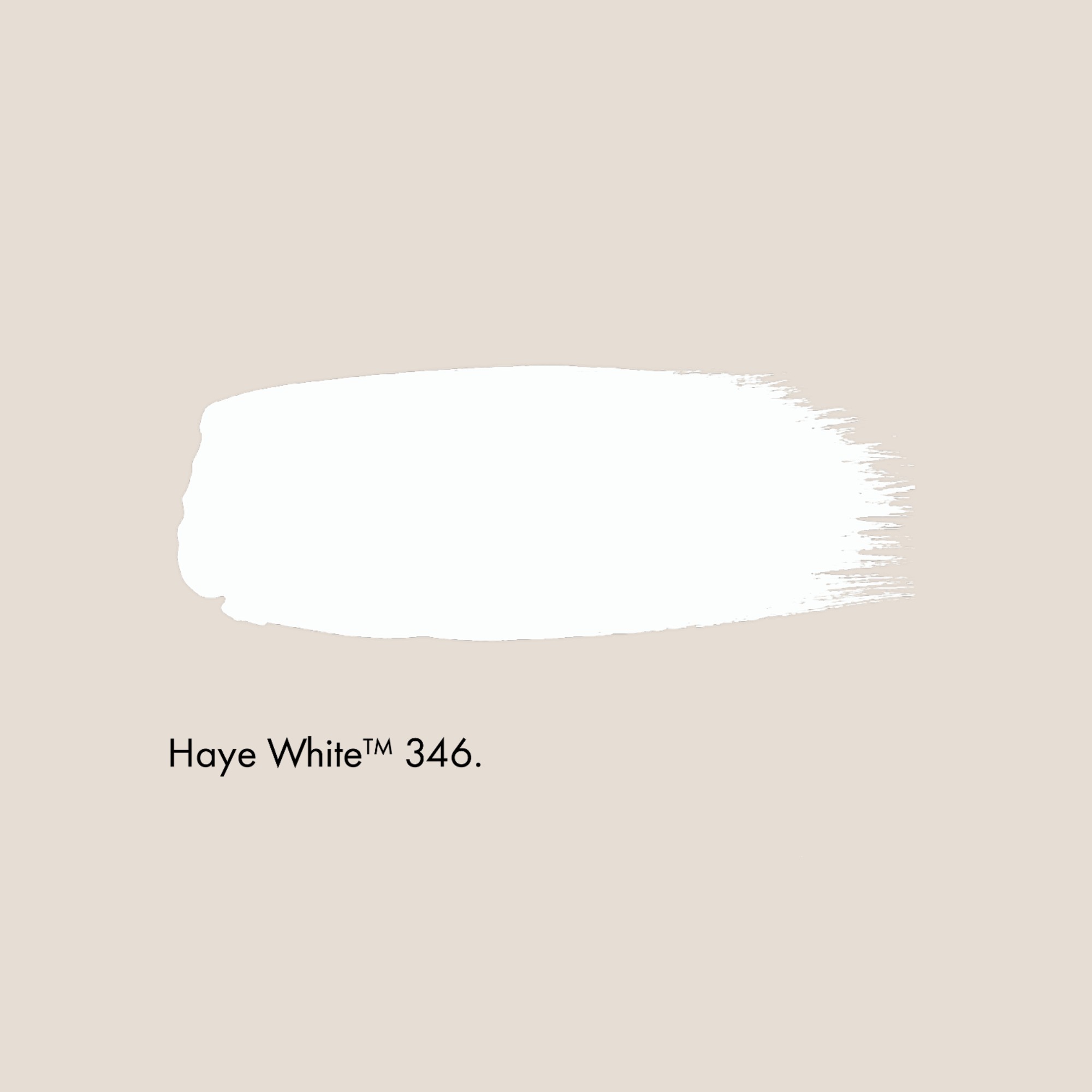
If you’re looking for the best white paint for your home, you might just find it in Little Greene’s new Haye White which Ruth predicts is set to be a future bestseller.
‘I think Haye White could be one of the most popular. It’s a soft, suffused white with a subtle amount of ochre, giving it a warmth that makes it incredibly easy on the eye. It has the softness of a warm white without becoming overly creamy, so it’s a very versatile colour that can work beautifully throughout the home,’ Ruth explains.
Little Greene
Haye White 346 Intelligent Matt Emulsion Paint 2.5L
This release has several neutral shades but also different tones of the same colour, such as the neutral Barge Stone colour which also comes as Barge Stone – Dark, Mid and Pale, much like Celestial Blue.
My top pick
(Image credit: Little Greene)
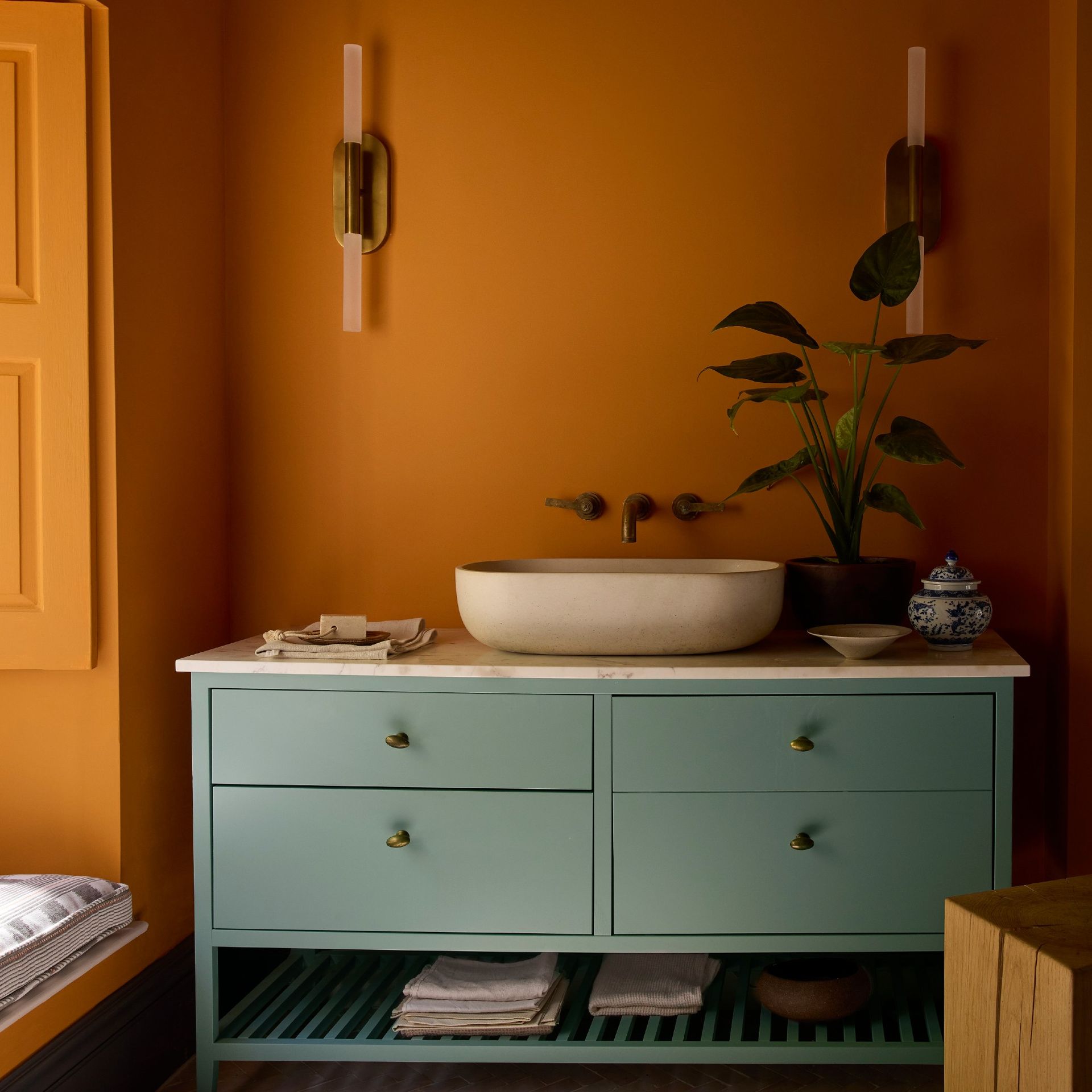
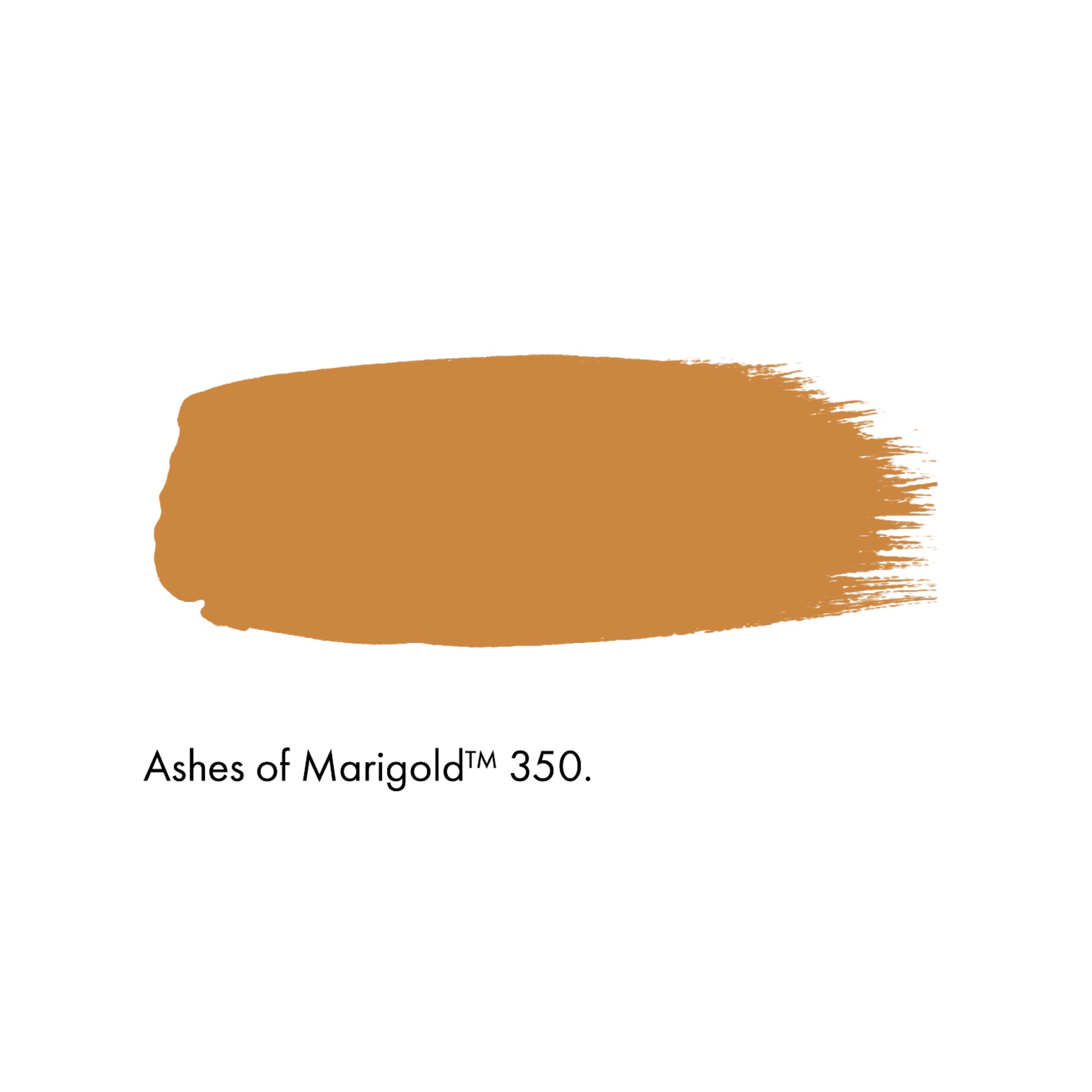
Similarly to Farrow & Ball’s new paint shade release last year, a warm, earthy orange is my favourite colour. With Farrow & Ball, it was Marmelo (and Etruscan Red). With Little Greene, it’s Ashes of Marigold, described as a softer, blackened version of a bold orange Marigold shade popular in the 1970s.
Little Greene
Ashes of Marigold 350 Intelligent Matt Emulsion Paint 2.5L
Which one is your favourite from the new additions to the collection?
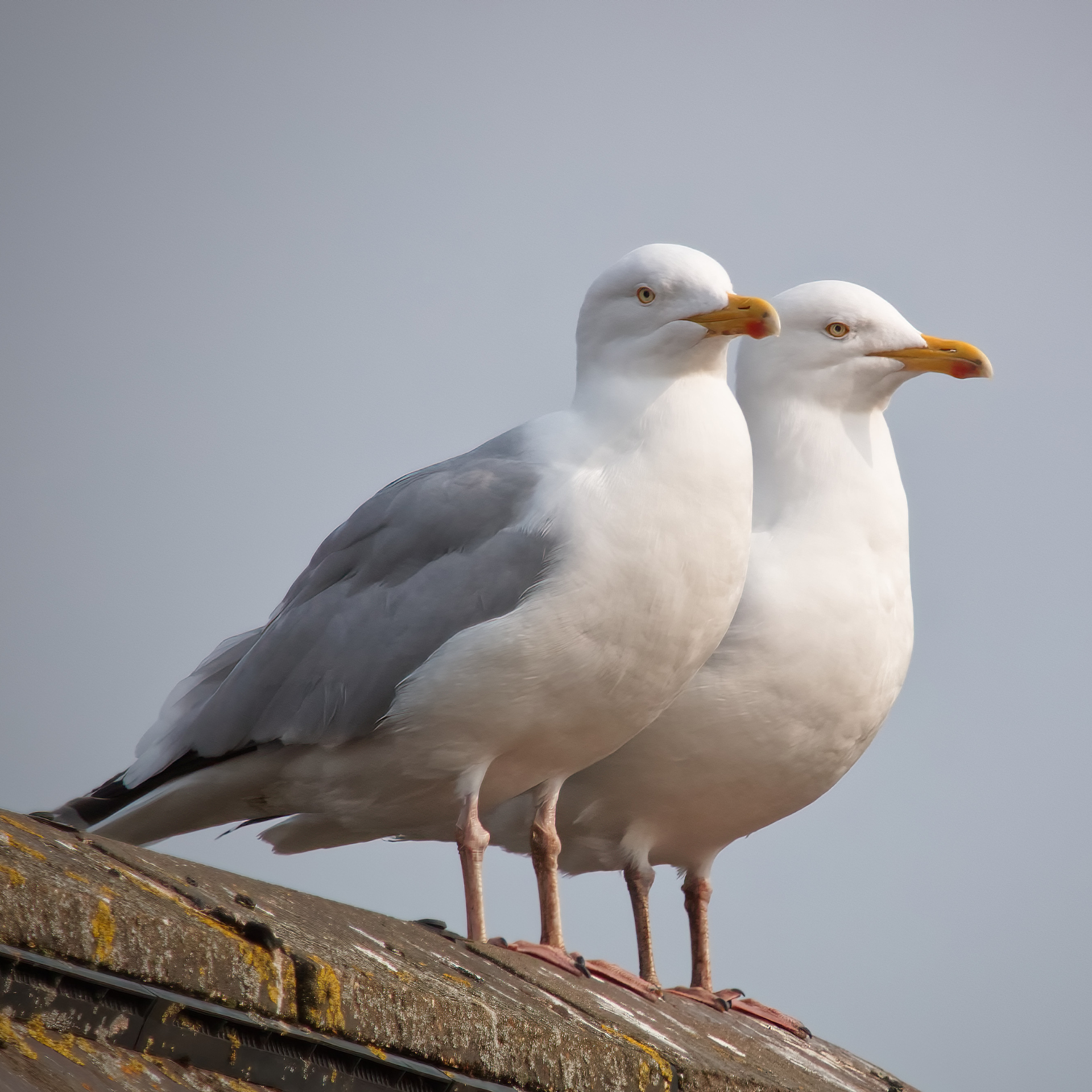
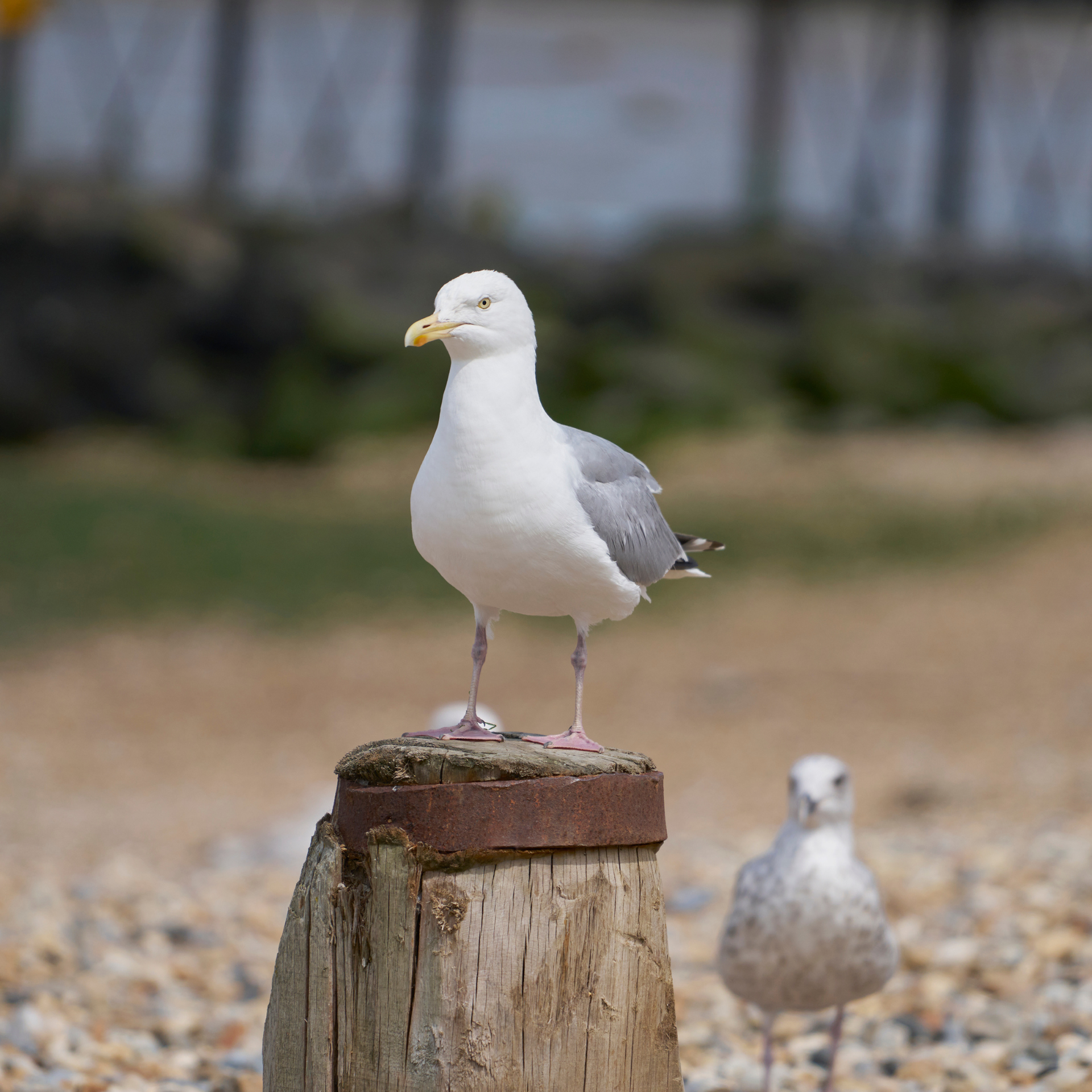
While many gardeners enjoy tending to the birds that visit their gardens, there is one bird in particular that doesn’t receive as warm a welcome. I’m talking about seagulls, and experts have revealed the best ways to deter these birds from your garden.
Seagulls’ habitats have traditionally been in coastal areas and on clifflines, but due to urbanisation, you’ll find them in urban areas now, too. Given that they are opportunistic scavengers, when you attempt to attract songbirds to your garden, you might find you’re attracting seagulls, too.
While we always advocate for wildlife gardens, seagulls can be messy and noisy, making them a less-than-ideal guest. So, I asked experts for the best way to deter them humanely. This is what they said.
How to humanely deter seagulls from a garden
‘There are six main species of gull in the UK, from the Herring Gull to Kittiwakes. In a garden, they might create noise, rip open and feed from rubbish, or nest on the sides of buildings. Often appearing in a flock, this can create a big disturbance for householders,’ comments Sophie Thorogood, technical training manager at Pelsis.
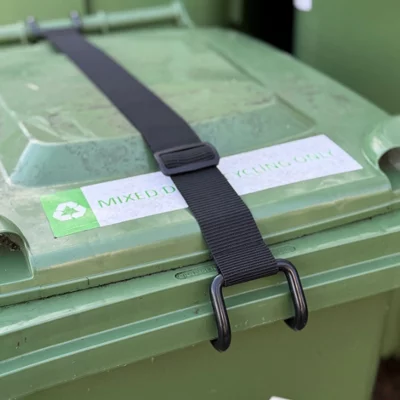
Seagulls go where food is. Full stop. So, the best form of deterrence is to ensure all potential food sites are secured. This is similar to how you might deter rats or deter foxes from a garden. You need to make sure your bins are secure, for example, as seagulls will shred through your bin bags to reach any potential food, so it’s worth using bin straps (£9.98, B&Q) to stop anything opening your bin lids.
‘Gulls will be attracted into gardens due to food availability and therefore, think of all food sources that could be attracting them. This mainly will include waste overflowing from bins, so make sure it is stored correctly, emptied regularly and don’t leave food out for them to feed on,’ adds Sophie.
This doesn’t mean you should stop feeding the garden birds that already visit your garden. You just need to be a little more strategic as to how you feed them.
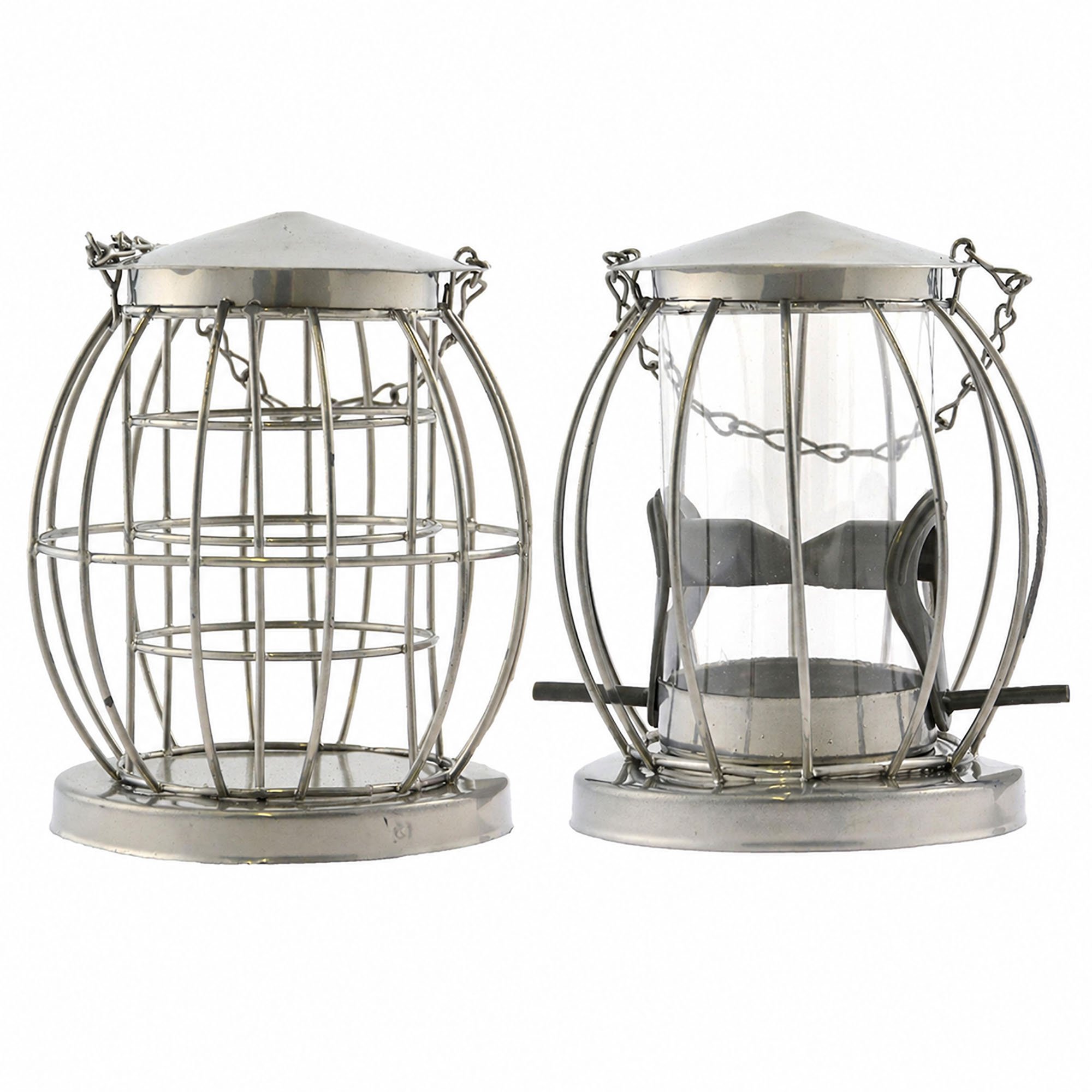
‘Seagulls also routinely feed on the ground, so I’d totally avoid dropping food on the lawn to remove this food source for them in their natural way of feeding. To ensure our smaller feathered friends can still feed, don’t stop feeding birds entirely by any means. Ensure smaller birds can feed without being overpowered by seagulls by using caged bird feeders with protective mesh covers to block larger birds,’ says James Ewens, bird specialist at Green Feathers.
‘These noisy visitors are at their most clamorous from May through July while raising their young. During these months, it’s best to simply let them be, waiting until they have moved on before putting long-term deterrents in place to prevent a repeat visit next year.
‘Remember that active gull nests enjoy legal protection during construction and occupancy. It is strictly illegal to obstruct access to an active nesting site without explicit authorisation under license.’
Deter seagulls from your garden
Selections
Wheelie Bin Lid Double Claw Security Lock Strap
These handy straps stop pests from accessing your rubbish.
Greena
Greena Mini Caged Bird Feeders – 2pk – for Seeds & Fat Balls
A caged bird feeder is the best way to stop seagulls accessing your bird feed, whilst still allowing songbirds access.
Fallen Fruits
Fallen Fruits Bird Feeder Protection Cage
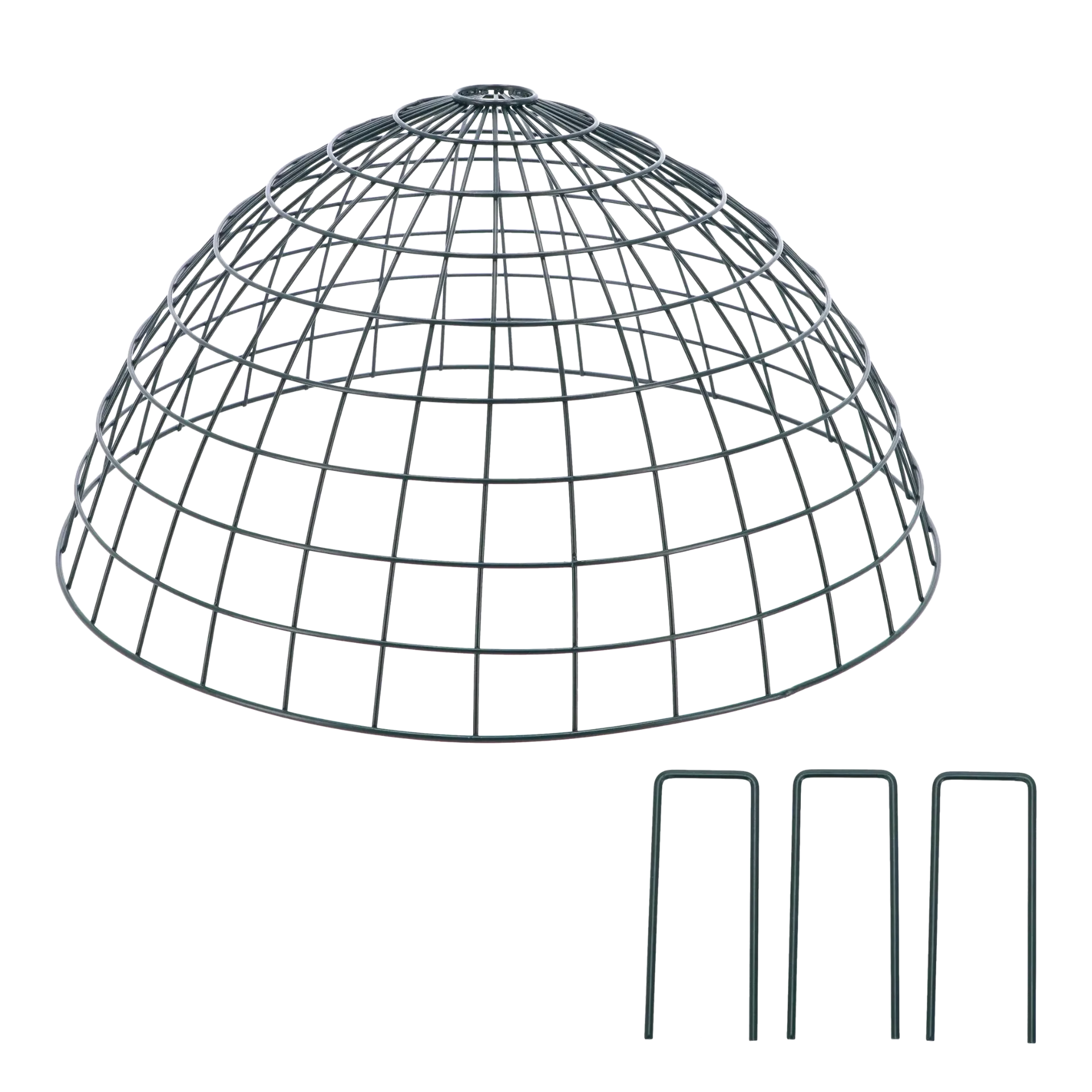
This cage can be pegged over your ground feeder to stop seagulls accessing the food.
You should never attempt to harm seagulls in a bid to get rid of them. Instead, simply removing any food sources will make your garden less desireable.
Photography should bring joy from beginning to end. Whenever possible, it certainly shouldn’t end up as a fleeting collection of ones and zeros on a hard drive, but as a quality print hanging somewhere on a wall.
This Lofoten Islands, Norway travel guide covers the best way to get there, where to stay, the top places to see, what to pack and more!
Easily one of the most beautiful regions in the world, the Lofoten Islands in Norway are home to dramatic fjords, icy blue waters, scenic beaches, and quaint fishing towns. While trips to the islands are increasing in popularity every year, this otherworldly region is still home to pristine landscapes and extremely friendly locals.
The Lofoten Islands have been a dream destination of mine for as long as I can remember, and the magic I found there was unforgettable!
How to Get to the Lofoten Islands
Flying to Lofoten Islands
To get to the Lofoten Islands by flying, I recommend flying into Svolvaer as I did, which will give you the maximum amount of time in Lofoten. This small airport is a hub of the region, with direct flights from Bodo and Tromso year-round, plus seasonal flights from Oslo.
If you’re coming from elsewhere in Lofoten or Vesteralen, nearby regional airports like Leknes, Stokmarknes, and Rost can also get you closer.
Driving to Lofoten Islands
If you’re dreaming of seeing all the sights along the way to the Lofoten Islands, then renting a car and hitting the open road is the way to go. The Road E10 connects the Lofoten Islands to the mainland, and will allow you to see all the major islands.
Taking the Ferry to the Lofoten Islands
To get to the Lofoten Islands by ferry, your main point of departure will be Bodø, and the crossing takes roughly 3 to 3.5 hours. If you opt for the ferry option, know that there are both passenger and car ferry options, so if you plan on renting a car, you can have the best of both worlds.
Renting a Car in Lofoten Islands
To rent a car in Lofoten, head to a hub city such as Svolvaer, Moskenes, Reine, or, for a cheaper option, nearby Bodo. Be sure to have your international drivers licence up-to-date!
Driving Tips for Lofoten Islands
Pay VERY close attention to speed limits in Norway! Getting a ticket for going 2km over the speed limit is common and there are speed cameras in many areas. Speeding tickets are extremely expensive and are given out depending on how many kilometers you were going over the speed limit.
Located in Nusfjord, Nusfjord Village & Resort offers traditional cottages with stellar sea views. All cottages are equipped with wooden floors and refrigerators, and there is a wood-fired hot tub for use. I absolutely loved my stay here — everything from the cozy and tasteful decor to the huge home-made breakfast which is delivered every night.
Reine Rorbuer
While all the cabins, rooms, and apartments at the Reine Rorbuer have been newly renovated for comfort, they manage to maintain the atmosphere of their old use as fisherman’s lodgings. Reine Rorbuer, set directly in the village of Reine, offers wifi, traditional and international meals, and fjord views.
Eliassen Rorbuer
Located on the island of Hamnoy, Eliassen Rorbuer consists of 35 renovated cabins consisting of one or two bedrooms, private bathrooms, kitchens, and free wifi. In the summertime, take advantage of Eliassen’s free rowboat usage and explore the area from the water.
Located on the tiny island of Lamholmen in Svolvaer, Scandic Svolvaer is a gorgeous waterfront hotel offering lush accommodations, meeting rooms, free wifi and a restaurant with a panoramic view of the surrounding landscape. My favorite part of my stay was watching the birds fish in the calm water right outside my room with a private balcony.
A charming fishing village on the island of Moskenesoya, Reine is home to just 329 people and some incredible sites. A great place to go for outdoorsy types, Reine has some excellent opportunities for hiking, fishing, kayaking, and, if it’s a clear night, Northern Light watching.
Hamnoy
Located on the east side of Moskenesoya, Hamnoy is about 2 kilometres east of Reine, and is the oldest fishing town in the Lofoten archipelago. While Hamnoy is an excellent place to visit most of the year, if you’re a jazz fan then plan to visit the area during May when the town hosts the Elijazzen Jazz Festival.
I recommend driving across the bridge to visit the tiny island of Sakrisøy and stop for a fresh fish burger at Anitas Sjømat.
Set on a few tiny islands off the coast of Austvagoya, Henningsvaer is a picture-perfect destination in both its landscape and its art. To get to the islands, there is a narrow road to drive along that seems to burst from the mountains; and trust me, this view alone will make it worth visiting Henningsvaer. While you’re there, be sure to visit Galleri Lofotens Hus, a museum that doubles as an art gallery.
Nusfjord
One of Lofoten’s best-preserved fishing villages, Nusfjord is a great place to go if you want to take in excellent scenery and traditional culture of the area. If you visit from June to August, make sure to visit the outdoor spa and observe how the locals refine the traditional cod liver oil of the area.
Unstad Beach in Vestvagoy is not only one of Lofoten’s most frequented beaches, it is also a surfing hotspot and home to the most northern surfing school in the world. With its icy waters and fjords jutting up into the sky, this beach is not to be missed.
Located on the island of Flakstadoya, Ramberg Beach is a beautiful white sand beach that, in the summertime, practically dares you to take a dip in its waters. While still colder than a tropical paradise, the waters in Ramberg Beach are warmer than expected due to the Gulf Stream.
Fredvang
While once only accessible by boat, Fredvang is now connected to its neighbor island by two spectacular, and photogenic, bridges. In Fredvang, sheep dot the landscape while the harbor buzzes with activity. While getting to Fredvang is relatively easy, leaving will prove to be the challenge as the town’s laid back fishing and farming lifestyles beckon to be enjoyed.
Kvalvika Beach
Just a one-hour hike from Fredvang sits Kvalvika Beach, a gorgeous spot with stunning views. This spot is great for beach bums and also a must for photographers!
Vaeroy
Characterized by its gorgeous, yet harsh, scenery, Vaeroy and is home to colorful houses scattered across its landscape, turquoise Breivika beach, and awesome hiking trails. Speaking of hiking, be sure to head on up the trail to Mastadfjellet to experience one of Vaeroy’s most iconic views.
Layering up with fleece-lined leggings, some thermal tops, and some sports socks will make sure you stay comfortable in the Lofoten Islands.
Winter Gear
To prepare yourself for the cold weather, make sure to bring along some snow pants, a down jacket, a beanie, a scarf, and some snow boots.
Beach Attire
If you plan on hitting up a spa, beach, or surfing hotspot, be sure to bring along a swimsuit or wetsuit (I’d bring a 4.3mm or warmer), as well as a quick drying towel.
Lofoten Islands, Norway FAQ
What is the best time to visit the Lofoten Islands?
It really depends on what you’re after. If you want long daylight hours, milder weather, and the magic of the midnight sun, aim for June through August. If the Northern Lights are your priority, you’ll want to visit sometime between September and April, when the nights are dark enough to see them.
How many days do you need in the Lofoten Islands?
I’d recommend at least five to seven days if you want to actually relax into the pace of the islands rather than rush between villages. You could see the highlights in three or four days, but Lofoten rewards slowing down — the weather alone can shift your plans, so building in buffer time makes for a much better trip.
Do you need a car to see the Lofoten Islands?
I’d say yes. Public transportation exists but is limited, and so much of what makes Lofoten special (the tiny fishing villages, remote beaches, and scenic pullouts along the E10) is easiest to reach with your own car. If you’re not driving, you’ll want to plan carefully around bus schedules or lean on organized tours.
Can you see the Northern Lights in the Lofoten Islands?
Yes — Lofoten is actually one of the more accessible places in Norway to see them, with a season that runs roughly September through April. Just know that sightings depend entirely on clear skies and solar activity, so there are no guarantees on any single night.
Is Lofoten expensive to visit?
Like most of Norway, Lofoten isn’t a budget destination — accommodations, food, and rental cars all come at a premium compared to much of Europe. That said, you can manage costs by traveling in the shoulder season, cooking some of your own meals, and booking rorbuer (traditional fishing cabins) that include a kitchen.
What’s the closest airport to the Lofoten Islands?
Svolvaer Airport is the most convenient option if you’re flying directly into Lofoten, with routes from Bodo, Tromso, and seasonally Oslo. Some travelers also fly into Evenes Airport near Narvik or Harstad and drive in via the Lofoten Mainland Connection, which can offer more flight options depending on where you’re coming from.
Plan Your Trip
Sign up for my travel newsletter here and be the first to get my best travel advice and secret finds — so you can discover hidden gems, and travel like an insider (not just a tourist).
After traveling consistently for over 20 years, I’ve come to trust and rely on a few websites to help me find the best deals on flights and accommodation.
Flights:Going is the first place I check when searching for cheap flights. If you sign up for their email alerts, you’ll receive flight deals at up to 90% off. I have traveled all over the world using their flight deals.
Accommodation:Booking.com offers savings on hotels, apartments, and villas in 80,000 destinations worldwide. You can browse hotel reviews and find the guaranteed best price on hotels for all budgets.
Travel Insurance: I never travel without a travel insurance policy because it’s not worth the risk! I use and trust Visitors Coverage, which I have used for the past 10 years.
Let me book your trip! Looking for a Travel Advisor to help you plan your trip? Learn more here!